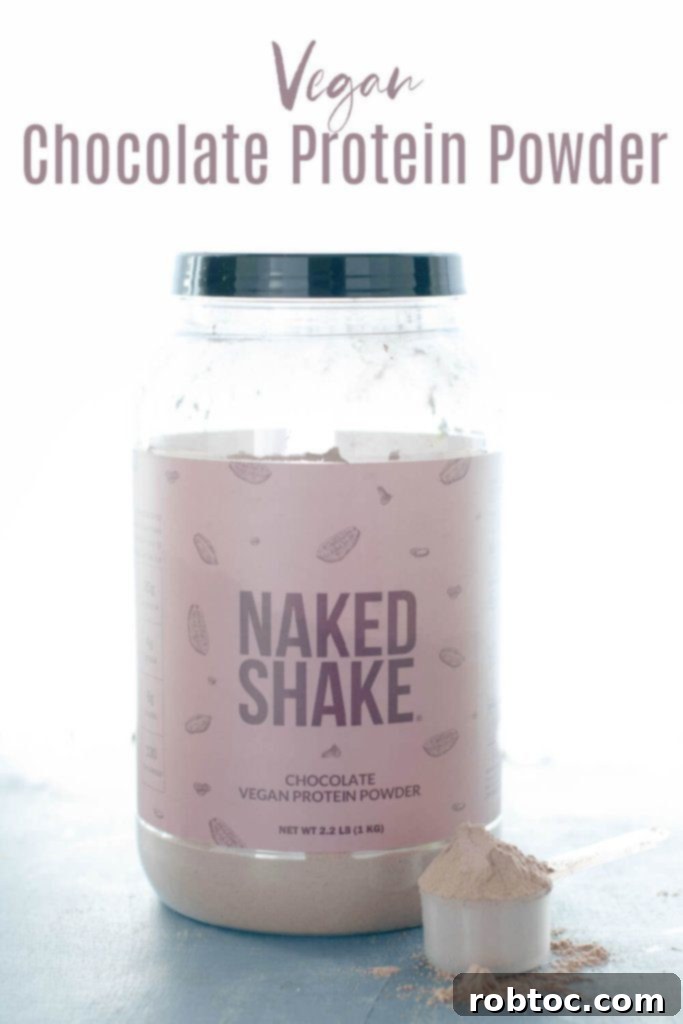
Naked Shake Chocolate Vegan Protein Powder: Your Ultimate Dairy-Free, Soy-Free Solution for a Healthy Lifestyle
Navigating the world of dietary restrictions, whether you’re dairy-free, vegan, or managing food allergies, often means a frustrating search for suitable products. Finding a protein powder that aligns with these needs can feel like an impossible task. We recently discovered **Naked Shake**, a delicious chocolate vegan protein powder, which has proven to be a game-changer for our family. This comprehensive review will delve into all the details, ingredients, and benefits of this exceptional product, highlighting why it stands out in a crowded market. And yes, for our food allergy friends, it’s proudly soy-free, making it a safe option that avoids many common allergens.
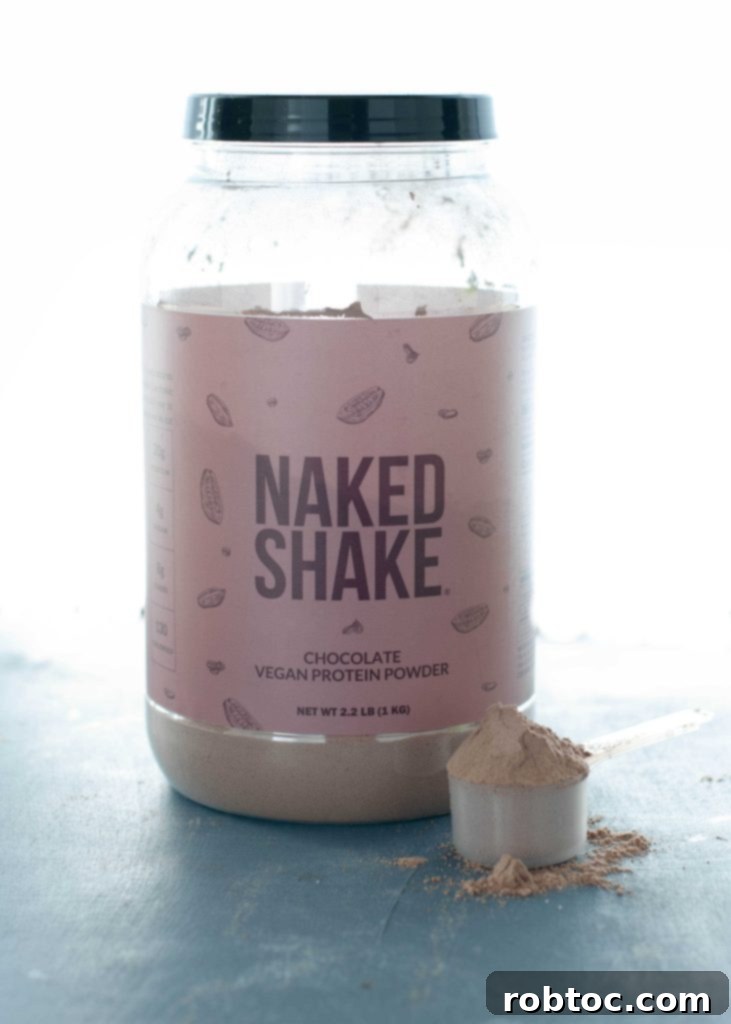
This post is sponsored by Naked Shake.
Embracing a Vegan Protein Powder: A Necessity for Our Family
Our journey into the world of specialty diets began when my son was just a baby. His first encounter with yogurt, a seemingly innocuous food, resulted in a terrifying anaphylactic shock. That harrowing experience, which led to an emergency room visit, instantly transformed our approach to food. Since that day, dairy has been strictly off-limits, and every single food item we bring into our home requires meticulous label scrutiny to ensure it contains no hidden dairy ingredients.
In our quest for safe and healthy options, we often gravitate towards products explicitly labeled “vegan.” This designation provides a much-needed sense of reassurance, indicating that the product is free from all animal products, especially dairy, which is our primary concern. However, even with this strategy, certain product categories present ongoing challenges, and protein powders are a prime example.
The vast majority of popular protein powders on the market are “whey” based, derived directly from dairy. This can be incredibly disheartening for families like ours, who are committed to a dairy-free lifestyle. It narrows down the choices significantly and often means compromising on taste, quality, or nutritional profile.
Thankfully, a solution arrived when Naked Nutrition reached out to me. Initially, I felt a familiar pang of apprehension about trying a new product, given our strict dietary needs. However, their commitment to individual dietary considerations quickly won me over. Their online product selector quiz demonstrated a genuine desire to help customers find an option that truly works for their unique lifestyle and dietary requirements. This personalized approach solidified my trust and eagerness to explore what Naked Shake had to offer.
Unpacking the Ingredients: What is Vegan Protein Powder Made Of?
The foundation of this exceptional Naked Shake protein powder is **pea protein**. This is a significant selling point and a major differentiator in the vegan protein market, largely because many alternative vegan proteins rely heavily on soy. For families managing multiple allergies, finding a protein powder that is free from the top eight common allergens (milk, eggs, peanuts, tree nuts, soy, wheat, fish, and shellfish) is exceptionally rare and incredibly valuable. Naked Shake, by utilizing pea protein and avoiding soy, addresses a critical need for many individuals with complex dietary restrictions.
Pea Protein’s Nutritional Power: How Much Protein Does it Offer?
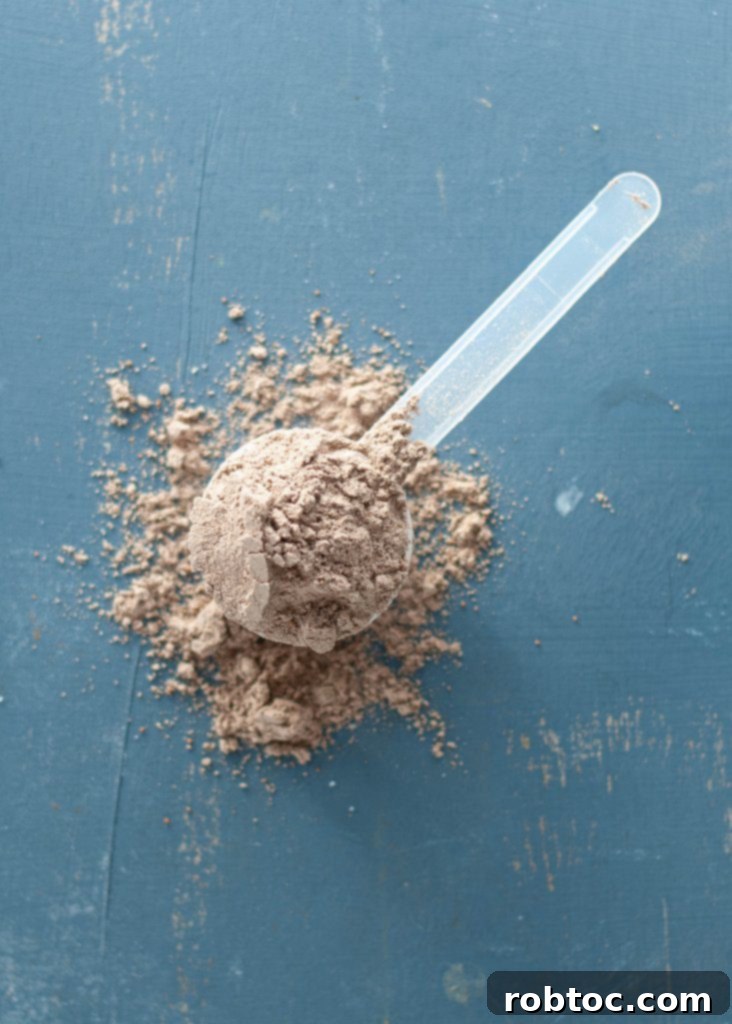
One of the most common questions about any protein powder revolves around its protein content. Naked Shake’s Chocolate Vegan Protein Powder delivers an impressive nutritional punch. A single serving, which consists of two scoops, provides a robust **30 grams of protein**. This high protein concentration is crucial for muscle repair, growth, and satiety, making it an excellent choice for post-workout recovery, a meal replacement, or a substantial snack to keep you feeling full and energized throughout your day.
Fueling a Busy Life: Why Protein Shakes are Essential for My Family
As a busy mom of four children, life often feels like a non-stop whirlwind of activities and responsibilities. Between school runs, extracurricular sports, appointments, and daily household tasks, finding time for a nutritious and satisfying meal can be a genuine challenge. This is where the convenience and efficacy of a protein shake truly shine.
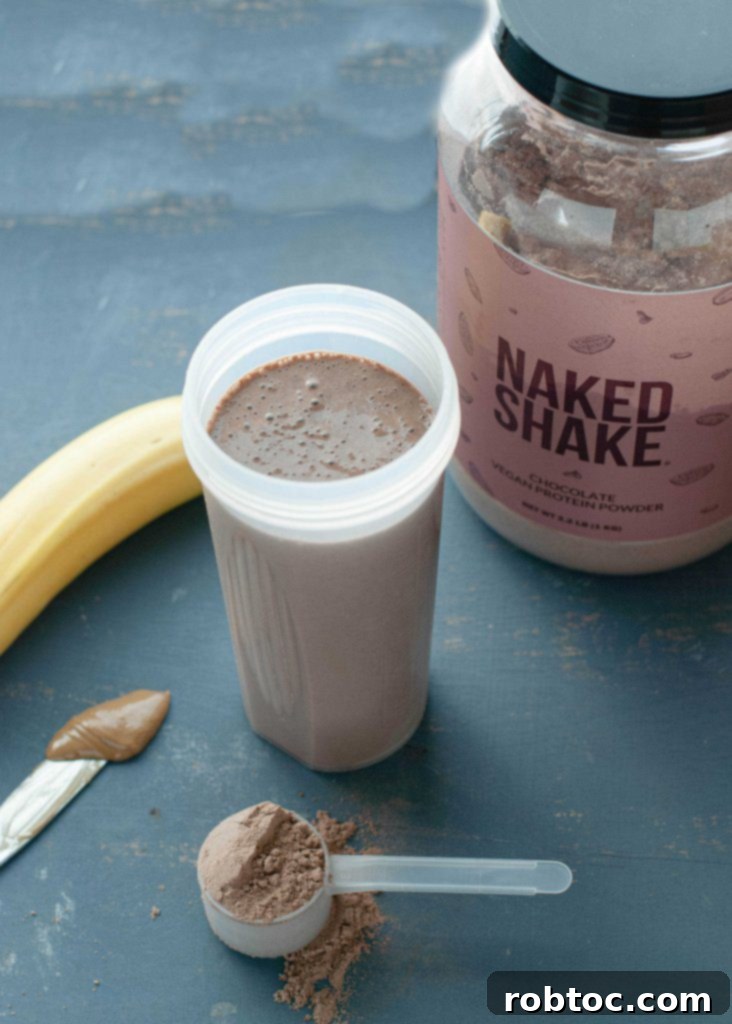
I rely on Naked Shake as a quick, easy, and incredibly effective snack or breakfast option that provides sustained energy. Preparing it is effortless: I simply mix it in my shaker bottle and can sip it on the go, whether I’m navigating morning drop-offs or shuttling kids to their various activities – a constant cycle of driving to and fro! It ensures I’m properly fueled, preventing energy crashes and helping me stay focused throughout my demanding day.
Beyond my own needs, I also have two growing boys who are intensely active in sports. Their bodies require significant nutritional support for optimal performance and recovery. A protein shake offers a fast, efficient, and delicious way to ensure they feel full and adequately nourished before a challenging game or an intensive practice session. It’s a convenient method to supplement their diets with essential protein, supporting their active lifestyles without adding extra meal preparation time to our already packed schedule.
A Closer Look: Ingredients in Naked Shake’s Chocolate Vegan Protein Powder
Transparency in ingredients is paramount, especially for those with allergies and dietary sensitivities. Here’s a direct transcription of the ingredients found on the Naked Shake label:
- Pea protein, alkalized cocoa, organic coconut sugar, natural plant based flavors, MCT Powder, (MCT Oil, Acacia), Potassium Salt, Sea Salt, Fermented Cane Sugar (Reb-M), Monk Fruit Extract Contains: tree nuts (coconut)
This simple, straightforward list is reassuring. It contains natural ingredients without artificial fillers, sweeteners, or colors. The inclusion of alkalized cocoa ensures that rich chocolate flavor, while organic coconut sugar and monk fruit extract provide natural sweetness without excessive refined sugars. MCT powder offers healthy fats for sustained energy and cognitive support, and the pea protein forms the core of its nutritional value.
The Coconut Conundrum: Is Coconut a Tree Nut?
For individuals new to managing food allergies, the classification of coconut can be particularly perplexing. In my experience, it helps to understand the distinction between regulatory bodies and the scientific community. There are two primary entities that often dictate how food allergens are addressed and labeled: 1. FALCPA (the Food Allergen Labeling and Consumer Protection Act, enforced by the FDA) and 2. AAAAI (the American Academy of Allergy, Asthma & Immunology).
The FDA, under FALCPA, classifies coconut as a tree nut. This classification legally mandates that coconut must be declared on food labels as a major allergen, ensuring that consumers are aware of its presence. This cautious approach by the FDA is certainly beneficial for those who may have a specific allergy to coconut, prompting companies to highlight its inclusion on packaging.
HOWEVER, the actual scientific and botanical community holds a different view: they generally do NOT consider coconut to be a true tree nut. Botanically speaking, coconut (Cocos nucifera) is categorized as a fruit, specifically a drupe, which is a type of fruit with a hard, stony covering enclosing the seed (like peaches or cherries). This divergence in classification often leads to confusion among consumers.
While the FDA’s decision to be extra careful and require companies to label coconut as a tree nut is well-intentioned for those with potential coconut allergies, it inadvertently creates misunderstanding for many. It’s crucial to understand that despite the labeling, coconut is not a true tree nut from a botanical standpoint.
To further illustrate this point, consider an excerpt from a study published by the US National Library of Medicine National Institute of Health, which clarifies:
- “Importantly, coconut (Cocos nucifera) is a fruit and not a tree nut, a misconception perpetuated by the Food Allergen Labeling and Consumer Protection Act which requires coconut labeling on packaged foods.7 We have observed that coconut is often tested in evaluation of tree nut allergies likely because it is included in tree nut allergen panels. In a study of children with allergy to tree nut, coconut sensitization was reported to be approximately 30% in 298 children7 and approximately 20% in another study of 191 children with sesame and tree nut allergy, with a 25% patient-reported rate of allergic reactions.”
This scientific perspective highlights that while some individuals may experience allergic reactions to coconut, it’s not universally linked to tree nut allergies. As always, for any personal dietary decisions, particularly regarding allergies, it is imperative to consult with your allergist. They can provide personalized guidance based on your specific medical history and test results.
Pea Protein vs. Peanut Allergy: Addressing Common Concerns
Another frequent question arises for families like ours who manage severe peanut and tree nut allergies: Can one consume peas or pea protein if allergic to peanuts? Are they related in a way that poses a cross-reactivity risk? Both of my sons have severe allergies to peanuts and most tree nuts, and we’ve carefully monitored their reactions to peas and pea protein. Fortunately, they have never experienced any problems.
To provide further clarity, here is valuable information from the American Academy of Allergy Asthma and Immunology (AAAAI), a trusted resource in the field of allergy research and guidance. *(Source: AAAAI.org)*
“There is not a test to “differentiate true pea allergy from cross reactivity with peanut”. However, only a small percentage (~5%) of those with peanut allergy react to other beans. When they do, the offenders are more often lupine, chick pea, lentil and green pea (over navy, lima, green bean). It is very common for someone with a positive test to peanut to test positive to other legumes (~50%); clearly most tolerate the food anyway.”
This excerpt from the AAAAI is highly reassuring. It indicates that while peanuts and peas both belong to the legume family, cross-reactivity between them is relatively uncommon. Only a small fraction of individuals with peanut allergies react to other legumes, and even when positive tests for other legumes occur, actual clinical reactions are rare. This scientific evidence supports our personal experience with pea protein for our sons. Nevertheless, the golden rule remains: always consult with your allergist for specific dietary needs and before introducing any new food, especially when managing allergies. Your allergist possesses the in-depth knowledge of your individual situation to provide the safest and most accurate recommendations.
Key Advantages: Other Important Factors in Choosing a Vegan Protein Powder
Beyond its allergen-friendly profile and impressive protein content, Naked Shake boasts several other winning attributes that make it an excellent choice for health-conscious consumers:
- **Domestically Sourced Pea Protein:** The pea protein used in Naked Shake is sourced from US and Canadian farms, ensuring quality control and supporting local agriculture.
- **Free from Artificial Additives:** It contains no artificial sweeteners, artificial flavors, or artificial colors, aligning with a clean eating philosophy.
- **Low Calorie Profile:** With only 130 calories per serving, it’s a smart choice for weight management or as a healthy addition to any meal plan.
- **Complete Amino Acid Profile:** Pea protein is naturally rich in essential amino acids, providing a complete protein source necessary for muscle repair, recovery, and overall bodily functions.
- **GMO-Free and Soy-Free:** These certifications further ensure the product’s purity and suitability for those avoiding genetically modified organisms and soy.
- **Certified Vegan and Gluten-Free:** These independent certifications provide assurance to those following vegan diets and those with gluten sensitivities or Celiac disease.
Crafting the Perfect Shake: Our Preferred Milk Alternatives
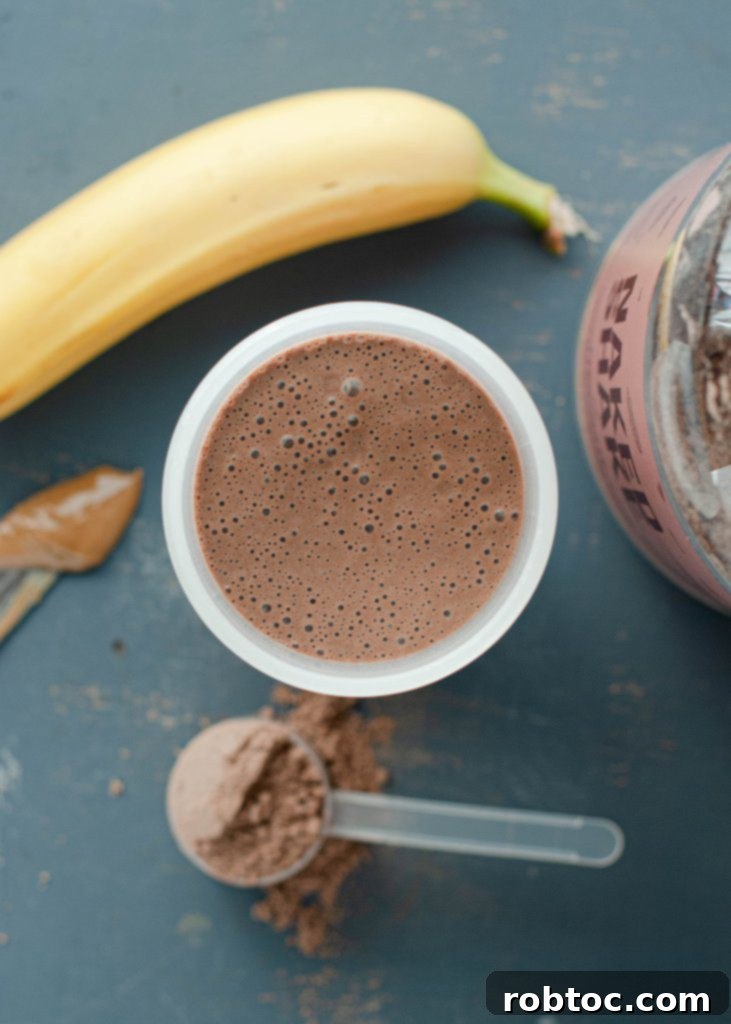
When preparing our Naked Shake, we typically opt for rice milk. It offers a subtle sweetness and a smooth consistency that complements the chocolate flavor beautifully. However, oat milk is another fantastic option that would also yield a delicious and creamy shake. The key is to use whatever safe base works best for your specific dietary needs and taste preferences.
While the product directions suggest that water can be used, we generally prefer a milk alternative. Not only does it enhance the overall taste, but it also contributes to a thicker, more satisfying texture, creating a truly indulgent experience.
Delicious Pairings: What Goes Well with Chocolate Vegan Protein Powder?
The versatility of chocolate vegan protein powder allows for a wide array of delicious additions to elevate your shake experience. While I love sticking to classic combinations, my family’s allergies require some creative substitutions:
- **Nut-Free Butters:** The classic pairing of peanut butter and banana is a favorite for many. Since we can’t do peanut butter, we happily substitute with **sunflower seed butter**. It provides that same rich, roasted flavor and creamy texture, making it an excellent allergy-friendly alternative.
- **Frozen Fruits:** Frozen berries are always a fantastic idea. Cherries, in particular, pair exceptionally well with chocolate, creating a delightful black forest-like flavor profile. Bananas are another staple, adding natural sweetness and creaminess.
- **Added Carbs for Satiety:** On days when I need a more substantial and filling shake, I’ll often throw in a handful of **gluten-free oatmeal**. This addition not only boosts the carb content for sustained energy but also gives the shake a wonderfully comforting, “oatmeal banana pancake” vibe, especially reminiscent of oatmeal banana pancakes with chocolate chips in them—YUM!
- **Hidden Greens:** Naked Nutrition also offers a pea protein in a vanilla flavor, but I consistently lean towards chocolate (confession: I’m a choc-o-holic!). Beyond personal preference, chocolate is also incredibly effective at masking other flavors and colors. This makes it my secret weapon for subtly incorporating some nutrient-dense greens, like spinach or kale, into my kids’ smoothies without them even realizing it, benefiting both their taste buds and their daily vegetable intake.
Exploring More Dairy-Free Protein Options from Naked Nutrition
Naked Nutrition is dedicated to serving individuals with diverse dietary needs and offers an impressive variety of dairy-free protein powders. This commitment means there’s likely a perfect option for everyone, regardless of specific requirements or flavor preferences. Here’s a glimpse at some of their other excellent choices:
- **Naked Pea**: Pure pea protein, unflavored and unsweetened, offering maximum versatility.
- **Naked Pea (Chocolate)**: The rich chocolate flavor of pea protein.
- **Naked Pea (Vanilla)**: Classic vanilla pea protein for a milder taste.
- **Naked PB**: Powdered peanut butter, perfect for adding authentic peanut flavor with less fat.
- **Naked Mass**: A vegan weight gainer for those looking to add healthy calories and muscle mass.
- **Naked Mass (Chocolate)**: The weight gainer with a delicious chocolate twist.
- **Naked Mass (Vanilla)**: A vanilla-flavored option for vegan weight gain.
- **Naked Shake (Chocolate)**: The focus of this review, a convenient and tasty chocolate shake.
- **Naked Shake (Vanilla)**: The same convenient shake, but in classic vanilla flavor.
- **Naked Shake (Strawberry Banana)**: A fruity, refreshing option for a quick protein boost.
- **Naked Shake (PB Blueberry)**: An intriguing blend of peanut butter and blueberry flavors.
- **Organic Naked Rice**: A dairy-free protein powder made from organic brown rice.
- **Naked Seed**: A unique blend of pumpkin, watermelon, and chia seed proteins for a diverse amino acid profile.
This extensive range ensures that whether you’re looking for a simple protein boost, a weight gainer, or a specific flavor, Naked Nutrition has a high-quality, dairy-free, and often allergen-friendly solution to meet your needs.
DON’T FORGET TO PIN IT, SO YOU DON’T LOSE IT. WHILE THERE, BE SURE TO CHECK OUT MY OTHER DIET SPECIFIC BOARDS FOR MORE GREAT ALLERGY-FRIENDLY IDEAS AND RECIPES.