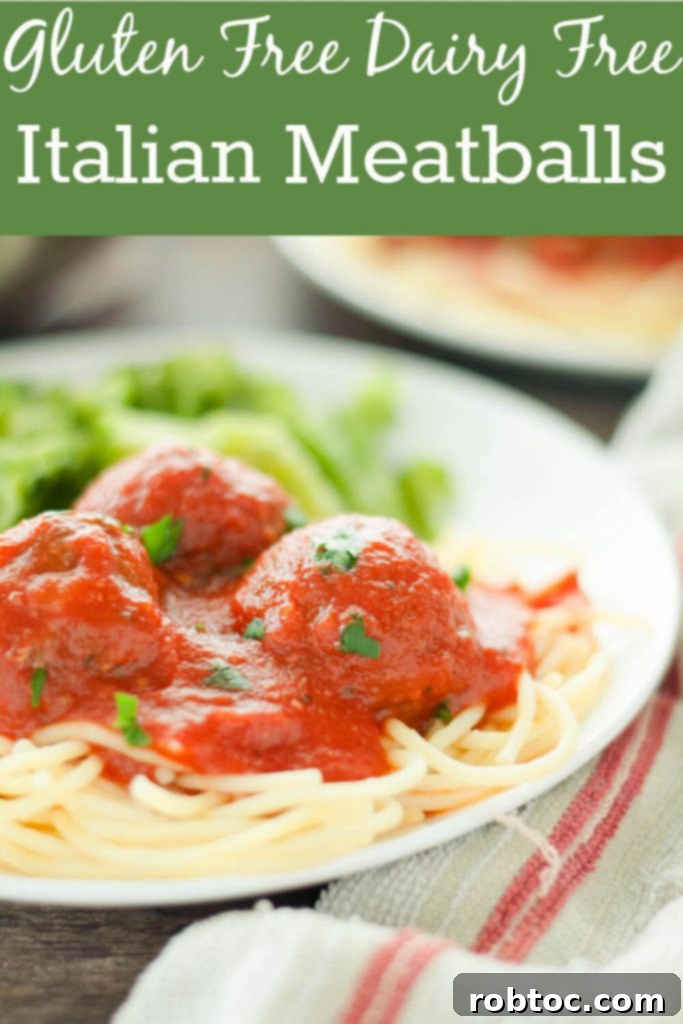
Deliciously Tender Gluten-Free & Dairy-Free Italian Meatballs: A Family Favorite Recipe
Experience the rich, authentic taste of Italian cuisine with these incredibly tender and flavorful gluten-free and dairy-free meatballs. Slow-simmered in a robust sauce, they’re designed to be a true “Mangia!” moment for everyone at your table. We’ve cleverly replaced traditional breadcrumbs with wholesome oats and infused them with a generous blend of herbs, ensuring you won’t miss the cheese for a second. These meatballs are absolute flavor bombs, perfect for serving over your favorite gluten-free spaghetti – ready for a classic “Lady and the Tramp” style dinner. Plus, this recipe is meticulously crafted to be free from common allergens including soy, fish, shellfish, peanuts, and tree nuts, making it a safe and delicious choice for many dietary needs.
This post contains affiliate links.
Why These Gluten-Free and Dairy-Free Meatballs Are a Must-Try
Italian food holds a special place in my heart, and for many, it’s synonymous with comfort and joy. However, navigating classic dishes can become a real challenge when food allergies enter the picture, as I learned firsthand after my son’s diagnoses with wheat and dairy allergies. Despite these dietary restrictions, I was determined to recreate this beloved Italian staple in a way that everyone in our family could enjoy without compromise. What resulted is a recipe that truly stands the test of taste, even for the most discerning Italian food lovers (myself included!).
This recipe for homemade meatballs quickly became a favorite because of its simplicity and the incredible flavor it delivers. Unlike many traditional meatball recipes that require baking in an oven, these juicy meatballs are entirely cooked on the stovetop. This means no heating up the kitchen during hot summer months, making it a versatile dish for any season. Using common pantry staples and your preferred jarred sauce, you can whip up a batch of these tender, flavorful meatballs that will become a regular feature in your dinner rotation, regardless of your dietary needs. They hold their shape beautifully and absorb all the wonderful flavors of the simmering sauce, ensuring a deeply satisfying meal every time.
Essential Ingredients for Your Dairy-Free Gluten-Free Meatballs
Crafting these delicious meatballs requires a careful selection of ingredients that ensure both flavor and adherence to gluten-free and dairy-free guidelines. Here’s a breakdown of what you’ll need to create these Italian gems:
- Olive oil: Essential for sautéing and adding a rich base note.
- Gluten-free oats: Our secret weapon for replacing breadcrumbs, offering excellent binding without gluten. We’ll delve deeper into why certified gluten-free oats are crucial below.
- Dried Italian seasoning: A blend of classic herbs like oregano, basil, thyme, and rosemary that provides that quintessential Italian flavor.
- Onion powder: Delivers a consistent onion flavor without the moisture or texture of fresh onions, keeping prep simple.
- Salt: A fundamental seasoning to enhance all the other flavors.
- Pepper: Adds a subtle warmth and balances the savory notes.
- Nutmeg: A surprising but wonderful addition that adds depth and a hint of warmth, often found in traditional Italian meat recipes.
- Jarred minced garlic: Saves time and offers concentrated garlic flavor.
- Dairy-free milk of choice: Acts as a tenderizer and adds moisture to the meatballs. Rice milk is a great neutral option, but almond or soy milk (if tolerated) can also work.
- Ground beef: Lean but not too lean, typically 80/20, provides the best balance of flavor and moisture for tender meatballs.
- Egg: A crucial binder that helps hold the meatballs together, ensuring they don’t fall apart during simmering.
- 1 jar of Prego (or other safe sauce you prefer): Choosing a high-quality, pre-made sauce simplifies the process immensely. Ensure it’s verified dairy-free and gluten-free.
- Fresh parsley for garnish, if desired: Adds a pop of color and fresh herbal brightness before serving.
Essential Tools for Making These Homemade Meatballs
Gathering the right kitchen tools can make the meatball-making process smoother and more enjoyable. While most are standard kitchen items, a few can really simplify the task:
- Large bowl for mixing: Crucial for combining all ingredients thoroughly without making a mess.
- Cookie scoop (not required, but helps make them uniform): A cookie scoop is fantastic for portioning out the meat mixture, ensuring all your meatballs are roughly the same size. This leads to even cooking and a more professional presentation.
- Measuring cups and spoons: Accurate measurements are key for consistent flavor and texture.
- Large Dutch oven, or large skillet with a lid: The ideal vessel for simmering your meatballs in sauce. The heavy bottom helps distribute heat evenly, and a lid is essential for the slow-cooking process.
- Large stock pot for boiling the pasta: For cooking your accompanying gluten-free spaghetti.
- Strainer/colander for draining pasta: Necessary for safely draining your cooked pasta.
Are Breadcrumbs Necessary for Gluten-Free Meatballs? Absolutely Not!
Many traditional meatball recipes rely heavily on breadcrumbs as a binder and to add moisture. However, finding good quality gluten-free breadcrumbs can often be a challenge. They can be expensive, and sometimes their texture doesn’t quite hit the mark. While you could certainly make homemade gluten-free breadcrumbs, I’m all about simplicity and efficiency, especially when dinner time rolls around.
This is precisely why I turn to oats as a fantastic, readily available, and affordable substitute. Oats are truly a game-changer in gluten-free meatball recipes. When soaked in a bit of dairy-free milk and mixed with the meat, they absorb moisture beautifully, swelling to create a wonderfully tender texture that mimics traditional breadcrumbs. They bind the mixture effectively, preventing the meatballs from falling apart while simmering, and contribute a subtle, wholesome flavor that complements the other ingredients perfectly. You’ll find that not only do they perform admirably, but they also contribute to a surprisingly rich and satisfying final product, making you forget all about breadcrumbs!
Understanding Gluten-Free Oats: What You Need to Know
The question of whether oats are truly gluten-free is a topic that often sparks discussion. Botanically speaking, oats themselves do not contain gluten. The protein in oats, called avenin, is typically tolerated by most people with celiac disease, unlike gluten found in wheat, barley, and rye. However, the primary concern for individuals avoiding gluten stems from cross-contamination.
Most commercially produced oats are processed in facilities and on equipment that also handle wheat or other gluten-containing grains. This can lead to small amounts of gluten getting mixed in with the oats, making them unsafe for someone with a severe gluten sensitivity or celiac disease. For this crucial reason, I strongly recommend purchasing “certified gluten-free oats.” These oats are grown, harvested, and processed in dedicated gluten-free facilities, ensuring they meet strict standards and contain less than 20 parts per million (ppm) of gluten, which is the internationally recognized safe threshold.
You have flexibility with the type of certified gluten-free oats you choose. I’ve personally had great success using old-fashioned rolled oats, which lend a nice texture and absorb moisture well. Quick-cooking oats would also work effectively, often softening even faster in the meatball mixture. Whichever brand and type you prefer, just ensure it carries that “certified gluten-free” label for peace of mind. Your health and safety are paramount when dealing with food allergies.
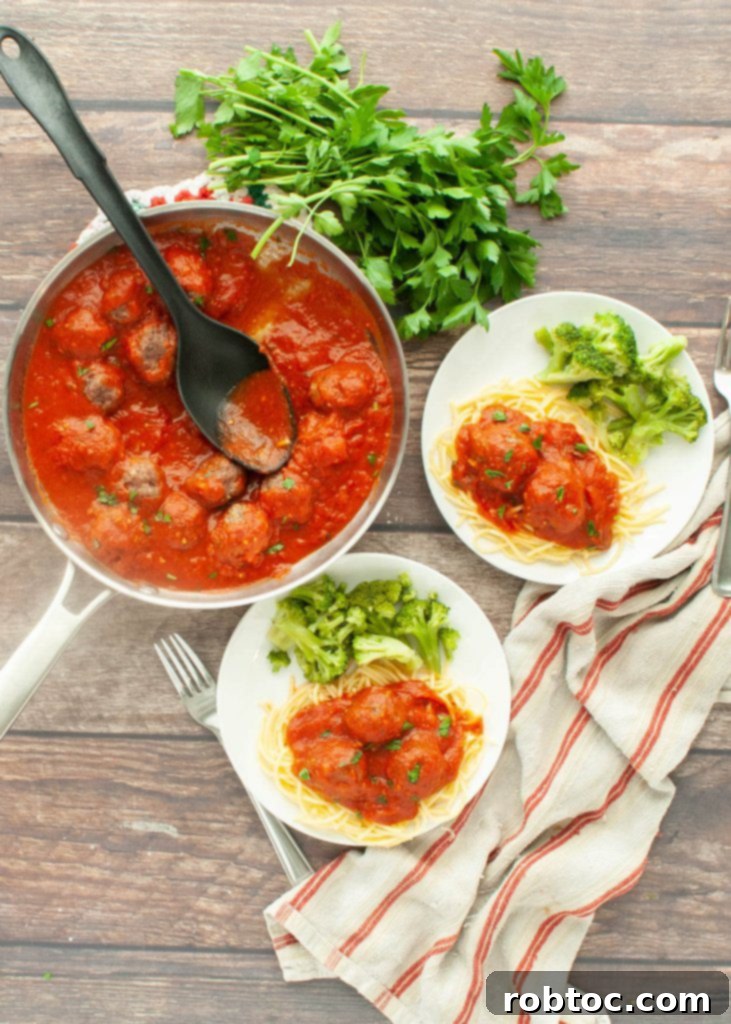
Is a Food Processor Required for This Recipe? Absolutely Not!
One of the beauties of this meatball recipe is its incredible simplicity, which extends to the minimal equipment required. You might be accustomed to recipes that call for a food processor to finely chop onions, garlic, or fresh herbs for meatballs. However, because we’re using convenient onion powder and jarred minced garlic, along with dried Italian seasoning, there’s absolutely no need for chopping.
This means your hands are truly the only tools you’ll need to mix the meatball ingredients together! This not only saves you time on prep but also translates to significantly fewer dishes to wash afterward – a definite win in any busy kitchen. While you *could* blitz the oats in a food processor or blender for a finer texture, I find it entirely unnecessary. The oats become incredibly tender and soft as they simmer in the sauce, integrating seamlessly into the meatball. You genuinely won’t notice their texture or taste them as distinct pieces in the finished product, so skipping that extra step is perfectly fine and highly recommended for ease.
Selecting the Best Dairy-Free Marinara Sauce for Your Meatballs
The marinara sauce isn’t just a bed for these meatballs; it’s an integral part of their flavor profile and tenderness. One of the key secrets to truly delicious, tender meatballs is allowing them to slowly simmer directly in your chosen sauce. This extended simmer time allows the meatballs to absorb the rich flavors of the sauce while becoming incredibly tender and juicy.
While a homemade tomato sauce is always a fantastic option if you have the time and inclination, there are many excellent store-bought varieties that are both convenient and safe for dairy-free and gluten-free diets. I’ve personally had great success and consistent flavor with Prego Roasted Garlic and Herb. It’s a flavorful choice that, according to its label, is naturally gluten and dairy-free, making it a reliable pick. When selecting any jarred sauce, always make it a habit to carefully read the ingredient label to confirm it aligns with your specific dietary requirements and ensure there are no hidden gluten or dairy-containing ingredients. Look for simple, natural ingredients, and choose a flavor profile that you enjoy, as it will heavily influence the final taste of your meatballs.
Navigating Labels: Do Products Need to Explicitly Say “Gluten-Free” or “Dairy-Free”?
This is a frequently asked and very important question for anyone managing food allergies, and the answer can be nuanced. My son has severe food allergies, which are regularly monitored through prick tests by a board-certified allergist. Despite the severity of his allergies, we’ve found that we can safely use many “regular” products that do not explicitly bear “free from XYZ” or “XYZ-free” statements on their packaging.
When we were first diagnosed, there was a natural inclination to only purchase items with explicit allergen-free labels, as it offered a stronger sense of security. However, as we gained more experience and confidence, we realized this approach was quite limiting and often unnecessary. Now, our primary focus is on meticulously scrutinizing the ingredient list itself. If the ingredients are naturally free of the allergens we need to avoid, and there are no “may contain” warnings that trigger concern for our family, we generally consider them safe.
It’s crucial to understand that every individual and family’s comfort level with allergen management can vary significantly. Factors like the severity of the allergy, the history of reactions, and personal peace of mind all play a role. Therefore, while I share what works for my family, you must do what feels comfortable and safe for you and your loved ones. Always consult with your allergist or healthcare provider if you have questions about specific products or how to interpret food labels for your unique situation. Your health and safety are always the top priority.
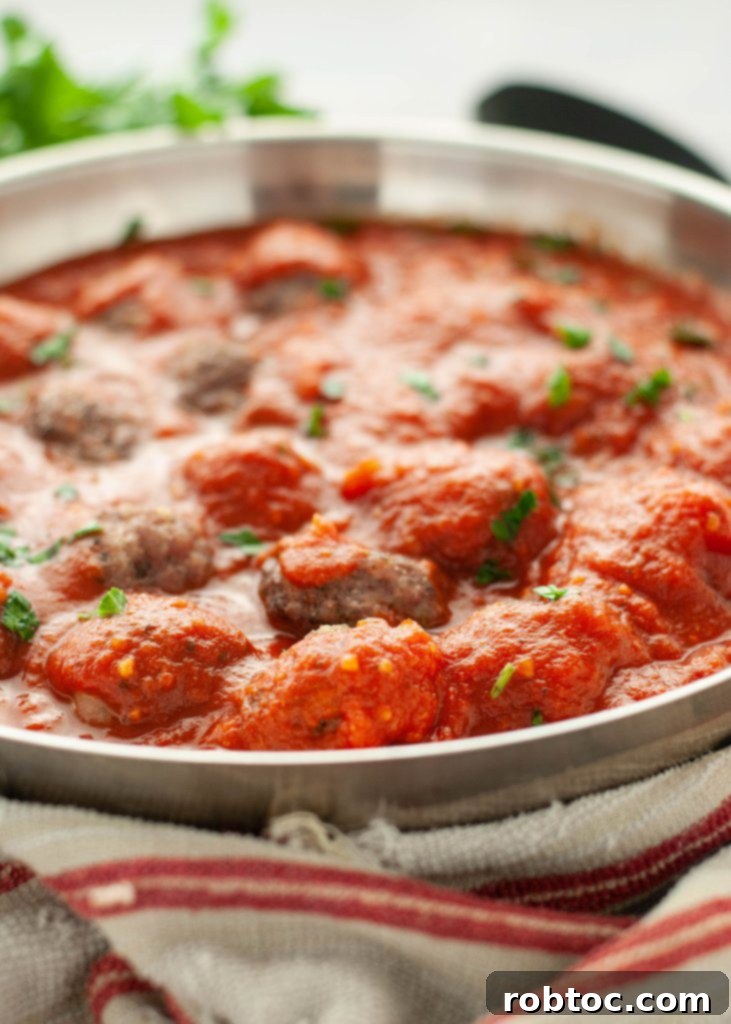
Choosing Your Perfect Gluten-Free Spaghetti Noodles
One of the great advancements in the world of gluten-free eating is the incredible variety and quality of gluten-free pasta now available. You are no longer limited to just one or two options; there’s a whole world of choices to perfectly complement your delicious meatballs. The key is to select a type that you genuinely enjoy and that holds up well with sauce.
For a traditional Italian meal, we often opt for rice-based pastas like Barilla or Jovial. These tend to have a classic pasta texture and cook up beautifully. However, if you’re looking for alternatives, there are fantastic noodles made from chickpea flour, quinoa, or lentils. These options not only offer different flavor profiles and textures but can also be higher in protein and fiber, making them a great choice if you’re aiming for a lower-carb meal or simply want to boost your nutrient intake.
Beyond packaged pasta, you could also consider homemade zucchini noodles, affectionately known as “zoodles,” for a fresh and vegetable-packed base. And if you’re looking to skip the noodles altogether but still want to enjoy these amazing meatballs, consider making hearty meatball subs! They’d be absolutely delicious tucked into a soft gluten-free roll. I recommend Schar Hoagies for an excellent gluten-free bread option. The versatility of these meatballs means you can pair them with almost anything you desire!
The Best Meat Choice for Gluten-Free Dairy-Free Meatballs
When it comes to crafting the perfect meatball, the choice of meat is fundamental to achieving that desirable tender and flavorful result. For this particular recipe, I exclusively use ground beef. I find that all-beef meatballs, when prepared correctly, are incredibly tender, hold their shape well during the slow simmer, and are packed with savory flavor. Plus, using a single type of meat can often be more cost-effective than purchasing multiple varieties.
Many traditional Italian meatball recipes call for a combination of ground beef and ground pork, or even veal, to achieve a complex flavor and texture. If you prefer, a mixture of half ground pork and half ground beef would certainly work well here and add a different dimension of richness. Just ensure your chosen ground pork is also dairy and gluten-free if applicable to your dietary needs. However, I would caution against using ground turkey. While a lean protein, turkey tends to be much drier than beef or pork, which can result in meatballs that are less juicy and tender. The fat content in ground beef (I typically use 80/20) is essential for keeping the meatballs moist and succulent as they cook slowly in the sauce.
Achieving Perfection: Cooking Temperature and Time for Your Meatballs
The key to these incredibly tender meatballs lies in the slow simmering process. It’s a method that allows the meatballs to gently cook through, absorb the sauce’s flavors, and remain exceptionally juicy. Here’s how to master the cooking temperature and time:
Begin by setting your sauce to medium heat on the stovetop. Once you see it start to bubble gently and reach a low simmer, reduce the heat to low and cover the pan with a lid. This crucial step ensures a gentle, consistent cook without boiling the meatballs too vigorously, which can make them tough.
You’ll cook the meatballs for an initial 20 minutes without disturbing them. During this time, they are quite delicate and can easily fall apart if handled prematurely. After the first 20 minutes, carefully turn each meatball over to ensure even cooking on all sides, replace the lid, and continue cooking for another 20 minutes. This brings the total simmering time to 40 minutes, allowing them ample time to become wonderfully tender and infused with flavor.
Even though they’ve had a good, long cook, for food safety and peace of mind, I always recommend using an instant-read thermometer before serving. Insert it into the center of a few meatballs to ensure they have reached an internal temperature of 160 degrees F (71 degrees C). This guarantees they are thoroughly cooked and safe to eat. This patient, slow-simmering approach is what truly makes these meatballs a culinary delight!
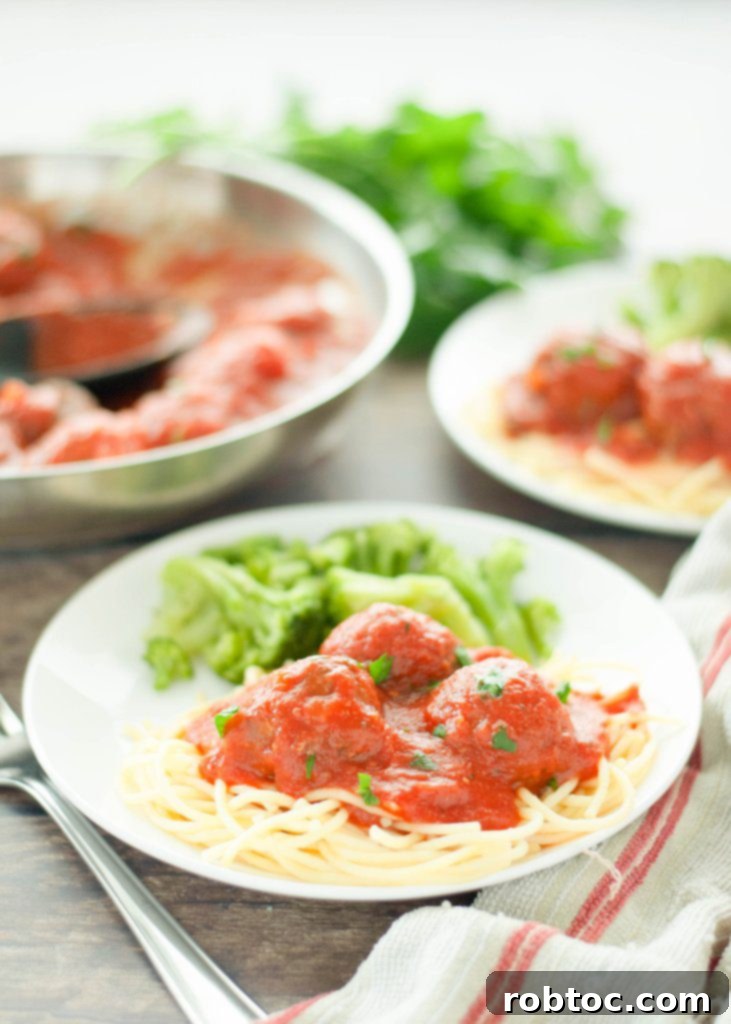
The Myth of the Sheet Pan: Streamlining Meatball Prep
Forget the extra steps and unnecessary dishes! For this recipe, you absolutely do not need a prepared baking sheet to form your meatballs. One of my favorite aspects of this method is its emphasis on efficiency and minimizing cleanup. You can simply scoop the meat mixture with your cookie scoop, quickly roll it between your hands to form a ball, and then place it directly into the simmering sauce in your pan.
Just ensure you arrange them in a single layer in the sauce to allow for even cooking and proper heat distribution. This direct-to-sauce approach not only saves you from dirtying an extra sheet pan but also means less handling of the raw meatballs, reducing potential mess and speeding up the process. It’s a testament to how simple and straightforward this recipe truly is.
However, if your schedule demands it, and you prefer to prepare the meatball mixture and roll the balls ahead of time, a baking sheet does come in handy for temporary storage. In this scenario, you would place the formed meatballs on a cookie sheet (perhaps lined with parchment paper for easy transfer) and keep them covered tightly with plastic wrap in the fridge. They can be stored this way for a few hours until you’re ready to cook them later that day, or even overnight. Just remember to ensure they are well-covered to prevent drying out.
Storing Your Delicious Leftover Italian Meatballs
Proper storage ensures your hard work doesn’t go to waste and allows you to enjoy these flavorful meatballs for days to come. You can easily store any leftover dairy-free and gluten-free Italian meatballs in an airtight container in your refrigerator for 2-3 days. This keeps them fresh and prevents them from drying out or absorbing unwanted odors from other foods.
When it comes to storing them with pasta, it’s worth a note about gluten-free varieties. Not all gluten-free pastas hold up equally well when sitting in sauce for extended periods. Some can become quite soft or mushy. If you know your preferred gluten-free pasta tends to soften quickly, or if you simply prefer a firmer texture, I recommend storing the cooked meatballs and sauce separately from the pasta. You can then cook fresh pasta or reheat previously cooked pasta separately and combine them just before serving. This ensures both components maintain their optimal texture and taste.
How to Freeze Gluten-Free Meatballs for Future Meals
Freezing these meatballs is an excellent way to prepare meals in advance, saving you time on busy weeknights. While my family of six usually devours most of a batch on the first night, with any leftovers happily claimed for lunches, these meatballs are definitely freezer-friendly. Here are two effective methods for freezing them:
Freezing Uncooked Meatballs
Preparing uncooked meatballs for the freezer is a fantastic option if you like to do your meal prep in stages.
- Prepare the Meatballs: Make the dairy-free and gluten-free meatballs exactly as directed in the recipe. Scoop the mixture and roll them into uniform balls.
- Flash Freeze: Arrange the raw meatballs in a single layer on a baking sheet lined with parchment paper or a silicone mat. Place the entire baking sheet in the freezer and freeze for 2-4 hours, or until the meatballs are completely solid. This “flash freezing” step is crucial as it prevents them from clumping together into one large mass once stored.
- Store: Once flash-frozen, transfer the solid meatballs from the pan into a freezer-safe, airtight container or a heavy-duty freezer bag. Label clearly with the date. They can be frozen for up to two months for optimal quality.
- Thawing & Cooking: When you’re ready to cook, thaw the meatballs in the refrigerator overnight. The following day, add the thawed meatballs directly to your simmering sauce and cook as directed in the recipe, ensuring they reach an internal temperature of 160 degrees F (71 degrees C) using an instant-read digital thermometer.
Freezing Cooked Meatballs (with sauce!)
Freezing cooked meatballs with sauce is a perfect “heat and eat” solution for super quick meals.
- Cook as Directed: Prepare and cook the meatballs in the sauce following the recipe instructions.
- Cool Completely: Allow the meatballs and sauce to cool completely to room temperature before freezing. This prevents ice crystal formation and maintains quality.
- Store: Transfer the cooled meatballs and sauce into a flat, freezer-safe container or a heavy-duty freezer bag. Laying them flat helps them freeze faster and stack efficiently. Label with the date. Freeze for up to two months.
- Reheating: No prior thawing is necessary for cooked and frozen meatballs with sauce! Simply transfer the frozen contents to a saucepan on the stovetop. Cook over medium heat, stirring occasionally, until the sauce is simmering and the gluten-free dairy-free meatballs are thoroughly heated through to a safe temperature. Serve hot over your favorite pasta or other accompaniment.
Explore More Gluten and Dairy-Free Italian Recipes!
Because Italian food is simply the best, I’ve gathered even more fantastic gluten-free and dairy-free Italian-inspired recipes for you to enjoy. Expand your culinary repertoire with these delicious options:
- Tomato Basil Soup
- Minestrone Soup
- Pizza Soup
- Italian Pork Sliders
- Chicken Cacciatore
- Grain Free Socca Pizza
- Spinach and Sausage Pasta
- Lemon Chicken Pasta
- Allergy Friendly Ragu
- Tuscan Chicken
- Chicken Mushroom Marsala
- Sausage and Peppers Pasta
- Red Pepper Pasta
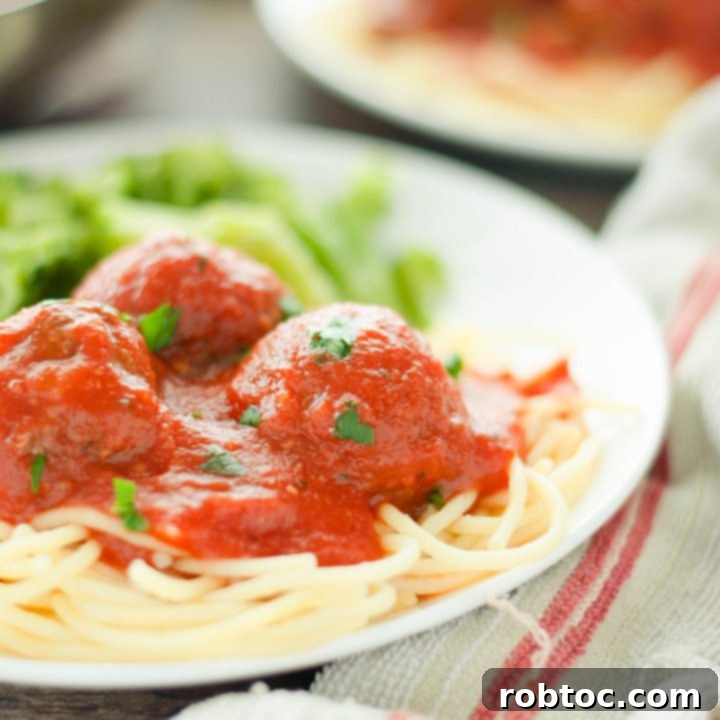
Gluten-Free & Dairy-Free Italian Meatballs
16
10 minutes
50 minutes
1 hour
These gluten-free dairy-free meatballs are slow simmered in sauce for a tender, flavorful Italian meatball that will have you shouting “Mangia!”. By using oatmeal instead of breadcrumbs and lots of herbs, you won’t miss the cheese as these are flavor bombs in and of themselves. Serve over your favorite gluten-free spaghetti. This is also free of: soy, fish, shellfish, peanuts and tree nuts.
Ingredients
- 3/4 cups quick cooking, certified gluten-free oats
- 1 and 1/2 Tablespoons dried Italian seasoning
- 1 Tablespoon onion powder
- 1 teaspoon salt
- 1/2 tsp pepper
- 1/4 teaspoon ground nutmeg
- 1 Tablespoon jarred, minced garlic
- 3 Tablespoons dairy-free milk of choice (we use rice milk)
- 1 pound ground beef
- 1 large egg , whisked
- 1 jar (24 oz) of Prego: Roasted Garlic and Herb (or other preferred store bought sauce)
Instructions
In a large mixing bowl, combine your quick-cooking, certified gluten-free oats, dried Italian seasoning, onion powder, salt, pepper, ground nutmeg, jarred minced garlic, dairy-free milk, ground beef, and whisked egg.
Using your hands (the best tool for this!), thoroughly mix all ingredients until well incorporated. Be careful not to overmix.
In a large Dutch oven or a large skillet with a lid, pour the entire jar of spaghetti sauce (or your preferred marinara sauce) into the bottom. Place the pan on your stovetop and turn the heat to medium.
Using a cookie scoop (for uniform size) or your hands, roll the meat mixture into approximately 2-inch meatballs. Carefully place the meatballs directly into the sauce in a single layer.
Allow the sauce to come to a gentle simmer. Once simmering, place the lid on the pot and reduce the heat to medium-low to maintain a low simmer.
Set a timer for 25 minutes. During this initial cooking period, avoid touching or flipping the meatballs, as they will be very tender.
After the first 25 minutes, carefully flip each meatball using tongs or a spoon. Replace the lid.
Set a second timer for 25 minutes. While the meatballs are simmering, begin preparing your preferred gluten-free spaghetti according to its package directions. Drain the cooked pasta and set it aside.
When the second timer goes off (meatballs will have cooked for a total of 50 minutes), your meatballs are ready. For extra assurance, use an instant-read thermometer to check that they’ve reached an internal temperature of 160 degrees F (71 degrees C).
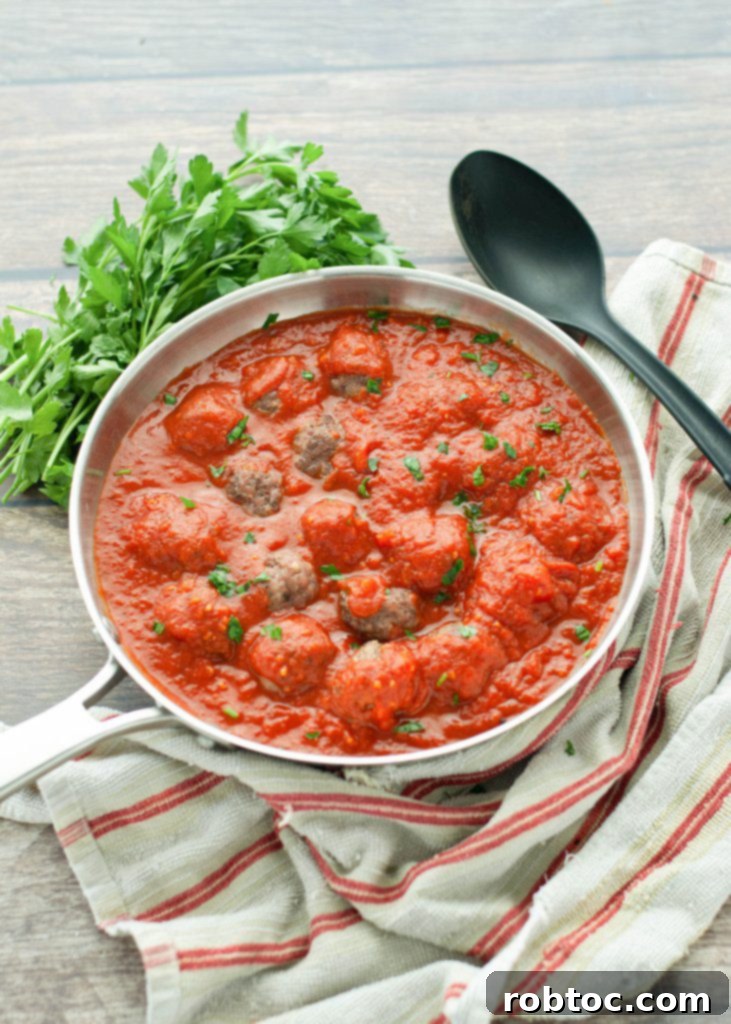
Serve these delicious meatballs generously over your cooked gluten-free spaghetti noodles. Garnish with fresh parsley, if desired, for a touch of freshness.
Enjoy your homemade, allergy-friendly Italian feast!
Leftover meatballs can be stored in an airtight container in the fridge for 2-3 days. For best texture, store pasta separately if it tends to soften in sauce.
If you’re looking for egg-free meatball options, or simply want to try something different, explore my other meatball recipes: Teriyaki Meatballs and Asian Meatballs.
Notes
Oats for Texture: If you prefer a finer texture, you can blitz the gluten-free oats in a blender or food processor for a few seconds before mixing, but be careful not to turn them into oat flour. I personally leave my oats whole because, despite appearing slightly visible in the raw mixture, they become incredibly soft and tender during cooking, completely unnoticeable in the finished dish.
Recipe FAQs: For more detailed information, tips, and answers to common questions about this recipe, please refer to the comprehensive sections above in the main blog post.
Allergy Disclaimer: *Our family’s allergies, while severe and frequently re-tested, allow us to rely strictly on product labels. I do not contact companies regarding ingredient derivatives or potential cross-contact in manufacturing facilities. If your specific allergies require a higher level of caution (e.g., calling manufacturers, strict cross-contamination protocols), please perform your own due diligence. I cannot guarantee the safety of any ingredient for your unique allergy profile; only you can make that determination. I simply share what works safely for our family.
Serving Guests with Allergies: **If you are preparing this meal for someone with food allergies, and you do not personally manage food allergies, I HIGHLY recommend having them review every single brand and ingredient you plan to use to confirm their safety. Additionally, please discuss with them effective strategies for avoiding cross-contamination in your kitchen. This collaborative approach ensures the safest dining experience for everyone.
Inspiration: This recipe was inspired by and adapted from Mama Knows Gluten Free’s Gluten-free Meatballs recipe.
Nutrition Information:
Yield: 4
Serving Size: 1
Amount Per Serving:
Calories: 423Total Fat: 23gSaturated Fat: 8gTrans Fat: 1gUnsaturated Fat: 11gCholesterol: 148mgSodium: 659mgCarbohydrates: 17gFiber: 3gSugar: 1gProtein: 36g
DON’T FORGET TO PIN THIS RECIPE, SO YOU DON’T LOSE IT. WHILE YOU’RE THERE, CHECK OUT MY OTHER DIETARY SPECIFIC PINTEREST BOARDS TOO!