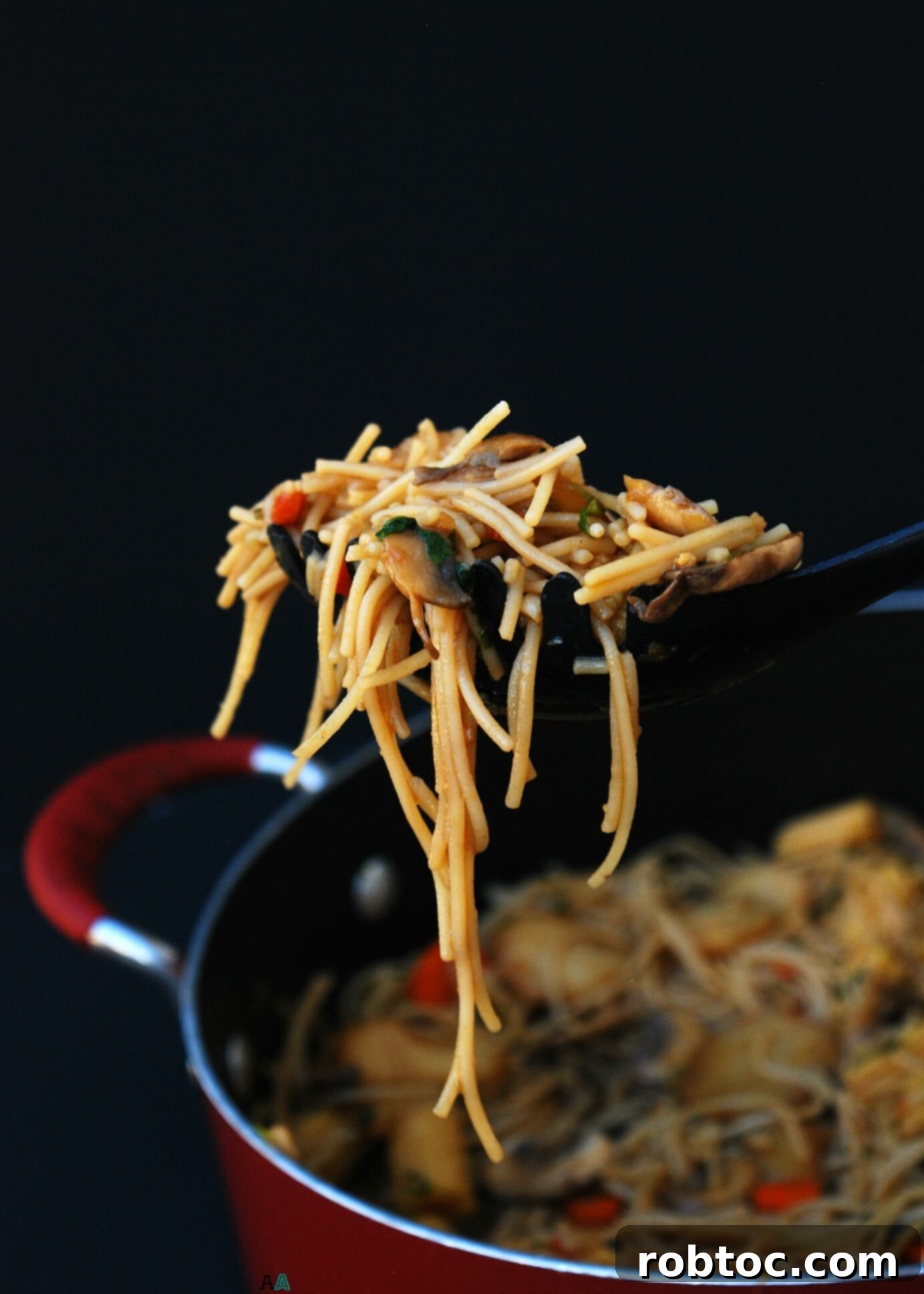
Mastering Delicious Gluten-Free Lo Mein: Your Ultimate Allergen-Friendly Guide
Quick, packed with flavors AND veggies. This gluten free LO mein will be the HIGH of your week.
There’s an undeniable joy that comes with finding a recipe that perfectly aligns with your family’s dietary needs without sacrificing taste or convenience. As someone who navigates the complexities of food allergies, I’ve professed my deep affection for Asian-American cuisine time and again. It’s a culinary world where, by nature, many dishes are dairy-free, and the simple swap to gluten-free noodles transforms a potentially challenging meal into a delightful, worry-free experience. This isn’t just about cooking; it’s about the pure exhilaration of making minimal substitutions instead of embarking on a mad scientist-level experiment to adapt a recipe. The satisfaction of knowing everyone at the table can enjoy the same delicious, allergy-friendly meal is truly priceless.
This particular gluten-free lo mein recipe stands out as a true gem in our household. Beyond its incredible flavor, it’s a vibrant, meat-free dish bursting with a colorful array of vegetables. It’s a testament to how satisfying a plant-focused meal can be. I’ve even developed a clever trick for my boys: I tell them the crunchy water chestnuts are “chips,” and they enthusiastically gobble them up! This dish is also incredibly versatile, making it perfect for using up whatever fresh produce you have on hand – a fantastic way to clean out the refrigerator and minimize food waste. Whether it’s leftover broccoli, snap peas, or even some wilting spinach, almost any vegetable can find a happy home in this stir-fry.
Why Homemade Lo Mein? Control, Customization, and Culinary Confidence
In a world where takeout often presents hidden ingredients and cross-contamination risks for those with food allergies, preparing lo mein at home offers invaluable peace of mind. You have complete control over every single ingredient, from the type of noodles to the brand of soy sauce and the freshness of your vegetables. This level of oversight ensures that your meal is not only free from allergens but also tailored to your exact taste preferences and nutritional goals. It’s an empowering feeling to confidently serve a dish knowing it’s safe and delicious for everyone.
Beyond allergen safety, homemade lo mein is a budget-friendly alternative to restaurant versions. It allows you to use high-quality ingredients without the premium price tag. Plus, the satisfaction of creating a flavorful, restaurant-quality dish in your own kitchen is a reward in itself. This recipe champions simplicity, utilizing a few pantry staples and fresh ingredients to create a meal that tastes far more complex than it is to prepare.
The Allure of Allergy-Friendly Asian Flavors
One of the primary reasons Asian-inspired cuisine is so beloved by the allergy community is its inherent compatibility with many common dietary restrictions. Many traditional Asian dishes are naturally free of dairy, making them an excellent choice for those with lactose intolerance or milk allergies. The challenge often lies with gluten, soy, and nuts, but this recipe skillfully navigates these hurdles.
For gluten-free needs, the simple swap to rice noodles or other gluten-free spaghetti is a game-changer. These noodles cook up beautifully and absorb the rich flavors of the sauce, providing that familiar lo mein texture without any gluten. When it comes to soy allergies, ensure you opt for a gluten-free soy sauce alternative like tamari (which is often also gluten-free but still soy-based) or, for a completely soy-free option, coconut aminos. Sesame oil, while a fantastic flavor enhancer, should be carefully considered for those with sesame allergies; it can be omitted without entirely compromising the dish, or a sesame-free oil can be used. This recipe embraces flexibility, allowing you to truly customize it to be free from various allergens, including egg, peanut, and tree nuts.
Veggie Powerhouse: Boosting Nutrition and Flavor
This lo mein is not just a tasty meal; it’s a nutritional powerhouse. It’s packed with an impressive array of vegetables, contributing essential vitamins, minerals, and fiber to your diet. The beauty of this recipe lies in its adaptability. While we love the crunch of water chestnuts and the sweetness of baby corn (both convenient canned options that reduce chopping time – a huge win!), you can literally throw in any vegetables that appeal to you or need to be used up. Think vibrant broccoli florets, crisp snap peas, tender bok choy, thinly sliced carrots, colorful bell peppers, or fresh bean sprouts for added crunch.
The addition of canned vegetables like water chestnuts and baby corn is a fantastic time-saver, significantly reducing prep time without sacrificing flavor or texture. Their natural crunch adds an exciting element to the dish that even picky eaters tend to enjoy. We often rotate through different vegetable combinations based on seasonality and what’s in the fridge, making this a perpetually fresh and exciting meal.
Understanding Gluten-Free Noodles for Perfect Lo Mein
The key to perfect gluten-free lo mein lies in properly cooking your chosen noodles. Unlike traditional wheat-based noodles, gluten-free varieties can sometimes become gummy or mushy if overcooked. It’s crucial to follow the package instructions carefully and aim for an “al dente” texture – slightly firm to the bite. Common gluten-free noodle options include rice spaghetti, brown rice noodles, or even corn-based pasta. Each type offers a slightly different texture, so feel free to experiment to find your favorite.
Once cooked, drain your noodles thoroughly. Some people prefer to rinse gluten-free noodles with cold water after draining to prevent sticking and stop the cooking process, though this isn’t always necessary for lo mein as they’ll be immediately tossed with the sauce and hot vegetables. The important thing is to ensure they are well-drained before adding them to the skillet to avoid a watery sauce.
Crafting the Irresistible Lo Mein Sauce
The heart of any good lo mein is its sauce, and this recipe delivers a perfectly balanced blend of savory, sweet, and tangy notes with a hint of spice. It’s incredibly simple to whisk together, requiring just a few key ingredients:
- Reduced Sodium Soy Sauce (Gluten-Free): This forms the savory base. Be sure to use a certified gluten-free brand like Tamari or a soy-free alternative like coconut aminos if needed.
- Sugar: Balances the savory notes and helps achieve that characteristic lo mein sweetness. You can adjust the amount to your preference.
- Sesame Oil: Adds a rich, nutty aroma and depth of flavor. If you have a sesame allergy, this can be omitted or replaced with a neutral oil, though it will slightly alter the flavor profile.
- Fresh Garlic: Minced garlic provides an essential aromatic foundation.
- Ground Ginger: Offers a warm, slightly peppery zing that is classic in Asian cuisine.
- Sriracha: For a touch of heat! Adjust to your preferred spice level. A quarter teaspoon provides a mild kick, but feel free to add more for a bolder flavor.
- Cornstarch (Optional): A tablespoon of cornstarch can be added to the sauce mixture to give it a slightly thicker, glossier consistency, helping it cling better to the noodles and vegetables.
Whisking these ingredients together in advance allows the flavors to meld and ensures a smooth, even sauce when it’s added to the stir-fry.
Step-by-Step Cooking: Bringing It All Together
Creating this gluten-free lo mein is a straightforward process, designed for efficiency and maximum flavor. Here’s a more detailed look at the steps:
- Prepare the Sauce: In a small bowl, combine all the sauce ingredients – gluten-free soy sauce (or alternative), sugar, sesame oil (if using), minced garlic, ground ginger, and Sriracha. Whisk until well combined and the sugar is dissolved. Set this flavorful mixture aside.
- Cook the Noodles: Bring a large pot of water to a rolling boil. Add your chosen gluten-free spaghetti noodles and cook according to package directions until they are al dente. Gluten-free noodles can quickly become mushy, so keep a close eye on them. Once cooked, drain them thoroughly. You may choose to rinse them with cold water to prevent sticking, but ensure they are well-drained before proceeding.
- Sauté the Vegetables: Heat a tablespoon of olive oil in a large skillet or wok over medium-high heat. Once shimmering, add the minced garlic, sliced mushrooms, julienned red bell pepper, and chopped carrots. Stir-fry these harder vegetables frequently for about 3-4 minutes until they begin to tenderize.
- Add Softer Vegetables: Stir in the snow peas and fresh baby romaine or spinach. Continue to cook, stirring, for another 2-3 minutes, just until the spinach has wilted and the snow peas are vibrant green and slightly tender-crisp. Remember, this is a great opportunity to add any other fridge-cleaning vegetables you have!
- Combine and Toss: Now for the grand finale! Add the cooked and drained noodles, the drained water chestnuts, the drained baby corn, and the whisked soy sauce mixture to the skillet with the vegetables. Gently toss everything together using tongs or two spatulas. The goal is to evenly coat all the noodles and vegetables with the delicious sauce without overworking the gluten-free noodles, which can break or become gummy if handled too roughly. Ensure everything is heated through and well combined.
- Serve Immediately: Lo mein is best enjoyed fresh off the stove when the noodles are perfectly textured and the vegetables are tender-crisp.
Customizing Your Allergy-Friendly Lo Mein
While this recipe is fantastic as is, it’s also a blank canvas for your culinary creativity. Feel free to adapt it to your family’s preferences and what you have on hand:
- Add Protein: For a more substantial meal, add cooked protein. Pan-fried tofu, shredded chicken, shrimp, or even edamame can be stirred in during the final step. Ensure any added protein is also allergen-friendly.
- Adjust Spice Level: If you love heat, increase the Sriracha or add a pinch of red pepper flakes to the sauce. For a milder version, reduce or omit the Sriracha entirely.
- More Veggies: Don’t limit yourself to the suggested vegetables. Try adding broccoli florets, thinly sliced cabbage, bean sprouts, or snap peas for extra crunch and nutrients.
- Garnishes: A sprinkle of fresh chopped green onions or a dash of sesame seeds (if not avoiding sesame) can add a final flourish and extra flavor.
- Sauce Thickness: If you prefer a thicker sauce, ensure you’ve added the cornstarch. If it’s still too thin, you can create a cornstarch slurry (1 tsp cornstarch mixed with 1 tbsp cold water) and stir it into the hot lo mein during the last minute of cooking, allowing it to thicken.
Storage and Reheating Tips
This gluten-free lo mein makes for excellent leftovers, perfect for quick lunches or another easy dinner. Store any uneaten portions in an airtight container in the refrigerator for 2-3 days. When reheating, you can use a microwave or gently warm it in a skillet over medium heat. If the noodles seem a little dry, you can add a tablespoon or two of vegetable broth or water to help loosen them up and rehydrate the sauce. Be careful not to overheat, as this can make gluten-free noodles even gummier.
A Family Favorite for Good Reason
This recipe has earned its place in our regular monthly rotation, and for good reason. It’s a testament to how simple, quick, and incredibly delicious allergy-friendly cooking can be. It consistently delivers vibrant flavors, satisfying textures, and a generous helping of vegetables, making it a meal that everyone in the family looks forward to. It’s the kind of dish that inspires heel clicks, not because of complicated substitutions, but because it simply works beautifully every single time.
Here are some other gluten free Asian dishes that you’ll love:
If you’re craving more delightful Asian-inspired, allergy-friendly meals, explore these other fantastic recipes from our kitchen. Each one is crafted with similar care to ensure ease and deliciousness for those with dietary restrictions.
- Gluten-Free Teriyaki Chicken and Vegetable Stir Fry (with a Soy-Free Option!) – A flavorful and vibrant stir-fry that’s versatile enough for various dietary needs, including a soy-free alternative.
- Gluten, Dairy & Egg-Free Asian Quinoa Meatballs – These tender meatballs are packed with protein and Asian-inspired flavors, making them perfect for a wholesome, allergy-friendly meal.
- 30 Minute Korean Chicken and Broccoli – A quick and easy dinner solution featuring tender chicken and crisp broccoli in a savory Korean sauce, ready in under half an hour.
- Gluten-Free Black Pepper Chicken – A classic, peppery chicken dish made gluten-free, offering a delightful balance of spice and savory flavors.
- Gluten-Free Instant Pot Bacon Ramen Noodles – Experience the comfort of ramen with a gluten-free twist, made incredibly easy and flavorful in your Instant Pot, complete with savory bacon.
Gluten Free Lo Mein (Vegan & Other Allergen-free Options Too!)
5 servings
10 minutes
15 minutes
25 minutes
Ingredients
NOODLES & VEGETABLES:
- 12 ounces gluten free spaghetti noodles of your choice, cooked al dente according to directions
- 1 Tablespoon olive oil
- 2 cups mushrooms, sliced
- 1 red bell pepper, julienned
- 2 carrots, chopped
- 1/2 cup snow peas
- 1 can water chestnuts, drained
- 1 can baby corn, drained
- 3 cups baby romaine or spinach
SAUCE INGREDIENTS:
- 8 Tablespoons reduced sodium soy sauce, or more, to taste (be sure to use a gluten free one if needed)
- 8 teaspoons sugar
- 4 teaspoons sesame oil (as long as there is no sesame oil, otherwise it can be omitted if allergic)
- 6 cloves garlic, minced
- 2 teaspoons ground ginger
- 1/4 teaspoon Sriracha, or more, to taste
- 1 Tablespoon cornstarch, optional as a thickener
Instructions
- In a small bowl, whisk together the sauce ingredients (soy sauce, sugar, sesame oil, garlic, ginger, Sriracha, and optional cornstarch); set aside.
- In a large pot of boiling water, cook gluten-free noodles according to package instructions until al dente; drain well to prevent gumminess.
- Heat olive oil in a large skillet or wok over medium-high heat. Add minced garlic, sliced mushrooms, julienned bell pepper, and chopped carrots. Cook, stirring frequently, until vegetables begin to tenderize, about 3-4 minutes.
- Stir in snow peas and spinach. Continue to cook, stirring, until the spinach has wilted, about 2-3 minutes. (Feel free to use any other desired vegetables, fresh or frozen, to clean out your fridge!)
- Add the cooked noodles, drained water chestnuts, drained baby corn, and the whisked soy sauce mixture to the skillet. Gently toss everything to combine, ensuring all ingredients are well coated. It’s important that vegetables are cooked before adding the noodles to prevent overcooking the gluten-free noodles, which can quickly become gummy.
- Serve immediately. Store any leftovers in an airtight container in the refrigerator for 2-3 days.
Notes
Adapted from Damn Delicious’ Easy Lo Mein