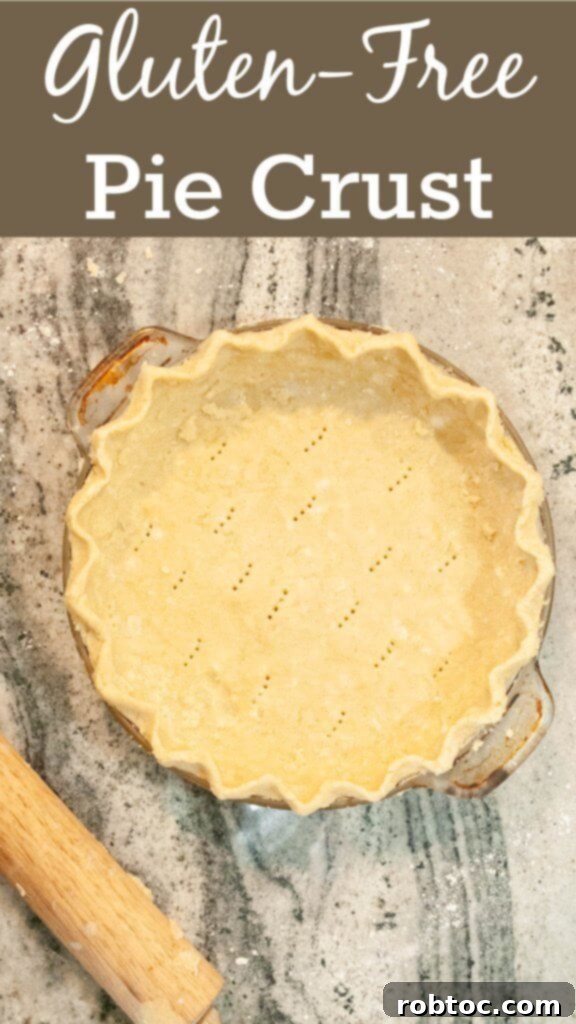
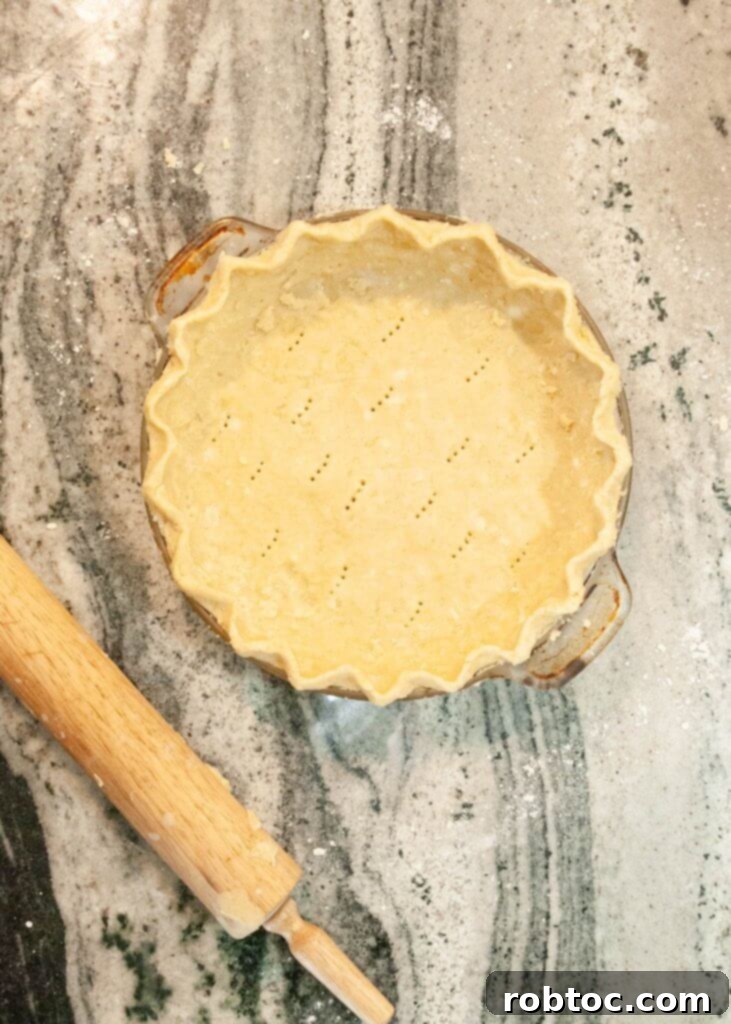
Easy & Flaky Gluten-Free Pie Crust Recipe: Your Ultimate Guide to Perfect Pies
This holiday season, or any time of year, delight your loved ones with a show-stopping pie featuring a buttery, flaky crust – entirely gluten-free! This comprehensive guide will help you craft perfect pies that are inclusive for everyone, ensuring no one feels left out. Our unique approach brings this amazing crust together efficiently in a food processor, making the process smoother than ever. Read on for all my indispensable tips and tricks to guarantee pie-making success and achieve that golden, irresistible finish.
This post contains affiliate links, which means I may earn a small commission if you make a purchase through these links, at no extra cost to you.
Butter or Shortening? The Secret to the Best Gluten-Free Pie Crust
When it comes to achieving that perfect, tender, and flaky gluten-free pie crust, the choice of fat is paramount. After extensive research into the pros and cons, and wading through many passionate discussions on the subject, I’ve concluded that both butter and shortening have distinct, valuable roles in pie crust creation. Butter is undeniably superior for flavor, imparting a rich, dairy-forward taste that is essential for a truly delicious pie. It also contributes significantly to creating those desirable flaky layers, as the water in butter turns to steam during baking, pushing apart the dough layers.
However, shortening, with its higher melting point, offers a crucial advantage: workability. Gluten-free dough can sometimes be more challenging to handle, and shortening helps to create a more pliable, less temperamental crust. It makes the dough easier to roll out and manipulate without tearing. Therefore, my solution is the “50/50 rule.” By using an equal blend of butter and shortening, you truly get the best of both worlds: exceptional buttery flavor and incredible flakiness from the butter, combined with the superior workability and stability that shortening provides. This balanced approach is key to a gluten-free pie crust that not only tastes amazing but is also a joy to bake with.
What Shortening Do I Use for a Buttery Flavor?
Since traditional shortening can sometimes be quite flavorless, I highly recommend opting for Crisco Buttery Sticks. These specially formulated shortening sticks are designed to mimic the rich taste of butter, ensuring your gluten-free pie crust still boasts that essential buttery flavor without compromising on workability. They are also incredibly convenient and easy to measure out, making your baking process seamless. As an added bonus, if you find yourself with any leftover buttery shortening, it’s a fantastic ingredient for other recipes, such as my popular DoubleTree Chocolate Chip Cookies, where it contributes to a wonderfully tender texture.
Choosing the Best Gluten-Free Flour for Your Pie Crust
Selecting the right gluten-free flour is a critical step in achieving a successful pie crust. My preference leans towards a good quality, all-purpose gluten-free flour blend rather than individual grains. The convenience and balanced texture provided by a pre-mixed blend are unmatched, saving you the hassle of purchasing and combining multiple single-grain flours. For this specific recipe, I’ve had excellent results with Walmart’s brand: Great Value All Purpose Gluten-free Flour.
What makes this blend stand out? Its composition is primarily rice, potato, and tapioca starches, a common and effective combination for gluten-free baking that mimics the properties of wheat flour. Crucially, it already includes xanthan gum, which is a vital binding agent in gluten-free recipes (more on that below). While I haven’t personally tested every brand, I would confidently assume that King Arthur’s gluten-free flour would also work exceptionally well. King Arthur is renowned for its quality blends, and their gluten-free all-purpose flour typically features similar primary ingredients and also includes xanthan gum, making it a reliable alternative for achieving a beautifully textured gluten-free pie crust.
Do I Have to Add Additional Xanthan Gum for Gluten-Free Pie Crust?
In traditional baking, gluten provides the structure, elasticity, and chewiness in dough. Without gluten, we need an alternative to replicate these essential characteristics, especially for something as delicate yet sturdy as a pie crust. This is where xanthan gum comes into play. It acts as a binder and helps to provide the necessary elasticity and structure that gluten usually offers, preventing the crust from becoming too crumbly or fragile.
Even though most all-purpose gluten-free flour blends already contain some xanthan gum, I’ve found that adding an extra 3/4 teaspoon significantly boosts the workability and resilience of the dough. This additional amount helps to stack the chances in your favor for a more pliable, easier-to-handle crust that holds its shape beautifully during rolling and baking. While I have successfully made this gluten-free pie crust without the extra xanthan gum in a pinch, I highly recommend including it for the best possible results, especially if you’re aiming for a truly user-friendly and reliable dough.
Why is There an Egg in This Gluten-Free Pie Crust Recipe?
One of the most common challenges with gluten-free pie crusts is their tendency to be excessively crumbly and difficult to work with. In the past, I’ve experimented with egg-free gluten-free pie crusts, and let me tell you, the experience was far from ideal! The dough was so fragile that I essentially had to spoon it into the pie plate and painstakingly mold it with my hands. This not only made for a frustrating process but also melted a significant amount of the precious fats, which is precisely what you want to avoid for a flaky crust.
Incorporating a single large egg into this gluten-free pie crust recipe makes a monumental difference. The egg serves multiple crucial functions: it enhances the flavor, contributes to a superior, tender texture, adds a lovely golden color to the baked crust, and most importantly, dramatically improves the dough’s workability. The proteins in the egg provide a much-needed binding element, giving the dough structure and flexibility that would otherwise be lacking without gluten. If you’ve struggled with crumbly gluten-free pie crusts in the past, I am genuinely excited for you to try this recipe with the addition of an egg; I believe you’ll be pleasantly surprised by the difference it makes in handling and the final result.
*If you have an egg allergy or dietary restriction, rest assured that this crust *can* still be made without it. I have personally done so, but it’s important to set expectations: the dough will be considerably harder to work with. In this case, I strongly recommend foregoing the rolling pin. Instead, press the dough directly into your pie pan with your fingers, shaping it to fit. When it comes to the edges, crimping with a fork tends to work better than attempting delicate fluting, as the dough’s reduced pliability makes intricate designs challenging. While the shaping process is more difficult, the end result will still be wonderfully crisp and delicious. This is the method I employ for my No Nut Pecan Pie, demonstrating that an egg-free option is definitely viable.
Can I Make This Gluten-Free Pie Crust Ahead of Time?
Absolutely! Preparing for holidays like Thanksgiving, festive birthdays, or any special food-centric event often means juggling multiple tasks in the kitchen. Pie-making, while rewarding, can be time-consuming. This is precisely why making your pie crust ahead of time is a fantastic strategy to save yourself valuable time and reduce stress on busy baking days.
This gluten-free pie crust is perfectly suited for advance preparation. You can make the dough up to the step where you roll it into a disc and wrap it tightly in plastic wrap. Once prepared, the dough can be stored in the refrigerator for up to 3 days, giving you ample flexibility. For longer storage, it freezes beautifully for up to three months. If you choose to freeze it, remember to plan ahead: transfer the frozen dough to your refrigerator and allow it to thaw slowly for at least 8 hours, ideally overnight. You might even need to let it sit on your kitchen counter for a few minutes before rolling to ensure it’s perfectly pliable and easy to work with.
How Many Pies Does This Recipe Make?
This versatile gluten-free pie crust recipe is designed to provide enough dough for two standard single-crust pies. Alternatively, if your recipe calls for both a bottom and a top crust, this recipe yields sufficient dough to create one impressive double-crust pie. Think classic dishes like a hearty chicken pot pie, a beautiful fruit pie with a full top crust, or an intricately designed lattice crust that adds both visual appeal and a delicious textural element to your dessert.
How to Halve This Gluten-Free Pie Crust Recipe
Sometimes, you might only need a single pie crust, and you may not want to make the full recipe to freeze the unused half for later (even though freezing pie crusts for up to three months is a great time-saving trick!). If you find yourself in this situation, here are the precise measurements you would use to halve this gluten-free pie crust recipe:
- 1.5 cups gluten-free all-purpose flour
- 1/2 tsp salt
- 1/2 tsp xanthan gum
- 6 Tablespoons cold butter, cut into chunks
- 6 Tablespoons butter-flavored Crisco sticks, cut into chunks
- 1/2 large egg, cold (see tip below)
- 2 Tablespoons (or potentially more) of ice water
*The trickiest part of halving this recipe is undoubtedly the egg. I highly recommend using a kitchen scale for accuracy. First, crack a large egg into a small bowl and whisk it thoroughly to combine the yolk and white. Place the bowl on your kitchen scale and zero it out. Measure the weight of the whisked egg. Then, simply pour out half of the whisked egg by weight. For instance, if your whole egg weighed 52 grams, you would carefully discard 26 grams and use the remaining 26 grams in your halved recipe. This ensures precise measurements for optimal results.
Can I Create Decorative Designs with This Gluten-Free Pie Crust?
Yes, absolutely! While gluten-free dough can sometimes be a bit more delicate than its gluten-containing counterpart, this recipe is designed to be workable for various decorative finishes. You can certainly achieve elegant crimped edges with your fingers or a fork, or beautiful fluted edges that add a classic touch to your pie. It also works wonderfully for creating cute cut-outs – think stars, leaves, or other festive shapes to adorn your pie top.
However, I must be honest: I personally don’t find gluten-free crusts easy enough to manipulate into intricate designs like braids. But then again, I’ve never been particularly skilled at braiding hair either, so my personal experience might not be yours! If you have a knack for delicate dough work, feel free to try; you might be much better at it than I am. The key is to work with cold dough and be gentle.
Can I Make Galettes with This Gluten-Free Pie Crust?
Yes, you most certainly can make stunning galettes with this gluten-free pie crust! Galettes are wonderfully rustic and forgiving, making them a perfect application for gluten-free dough. Here’s how I like to do it:
- Start by rolling out half of the recipe’s dough (unless you want to make two galettes, or save one dough disc for another time) directly onto a piece of parchment paper. This makes transferring the dough much easier.
- Once rolled to your desired thickness (about 1/8 inch), carefully slide the parchment paper and dough onto a baking sheet.
- Place your chosen fruit filling or other desired filling in the center of the dough, leaving a generous border of about 3 inches around the edges.
- Now, gently lift the edges of the parchment paper, folding the dough towards the center over the filling. Continue this process until you’ve folded in all the edges, creating a beautiful, rustic, rough circular shape with the center filling exposed.
- If you notice any small cracks in the dough during folding, simply dip your fingers in a little ice water and gently pinch the cracks to seal them.
- For an extra touch of golden sheen and sparkle, brush the folded edges of the crust with an egg wash (one beaten egg whisked with one tablespoon of milk) and sprinkle on some coarse sugar if you desire. My homemade 2-ingredient caramel sauce drizzled on top after baking also makes it look (and taste) extra pretty.
Can I Make This Gluten-Free Pie Crust Dairy-Free Too?
Absolutely! Adapting this gluten-free pie crust to be dairy-free is incredibly simple. You only need to make one straightforward substitution: swap out the butter for an equal amount of a high-quality dairy-free butter alternative. I’ve personally had excellent results using Country Crock’s Plant Butter, which performs wonderfully in this recipe, maintaining the desired texture and richness. Just ensure your chosen dairy-free butter has a similar fat content and consistency to regular butter for the best outcome.
Do I Need Vodka or Vinegar in This Gluten-Free Pie Crust Recipe?
You might have come across a popular tip in conventional pie crust recipes suggesting the addition of a small amount of vinegar or vodka. The purpose of these ingredients in traditional dough is quite specific: they help to inhibit the development of gluten, preventing the crust from becoming tough or chewy due to overworking. The alcohol in vodka also evaporates quickly, creating steam that contributes to flakiness.
However, here’s the good news for gluten-free bakers: this is one of those rare instances where going gluten-free actually comes with an advantage! Since our flour blend contains no gluten, there’s simply no gluten to develop or overwork. This means you do not need to worry about adding counter-measures like vodka or vinegar to stop gluten production. You can confidently skip these ingredients, saving yourself the extra purchase and the stress of precise measurements. Focus on the core ingredients and techniques, and you’ll still achieve a wonderfully tender and flaky gluten-free pie crust!
How Do I Blind Bake This Gluten-Free Pie Crust?
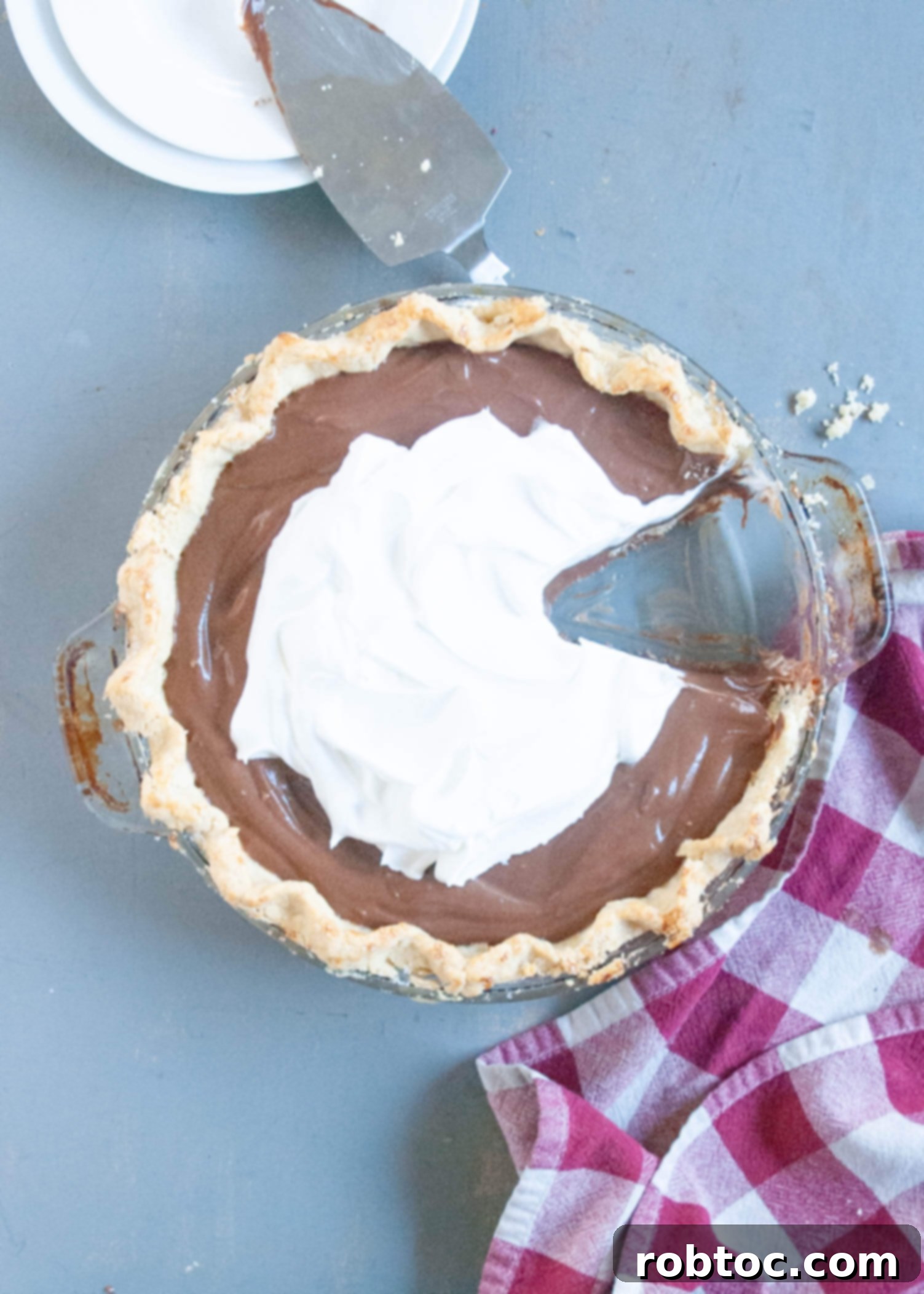
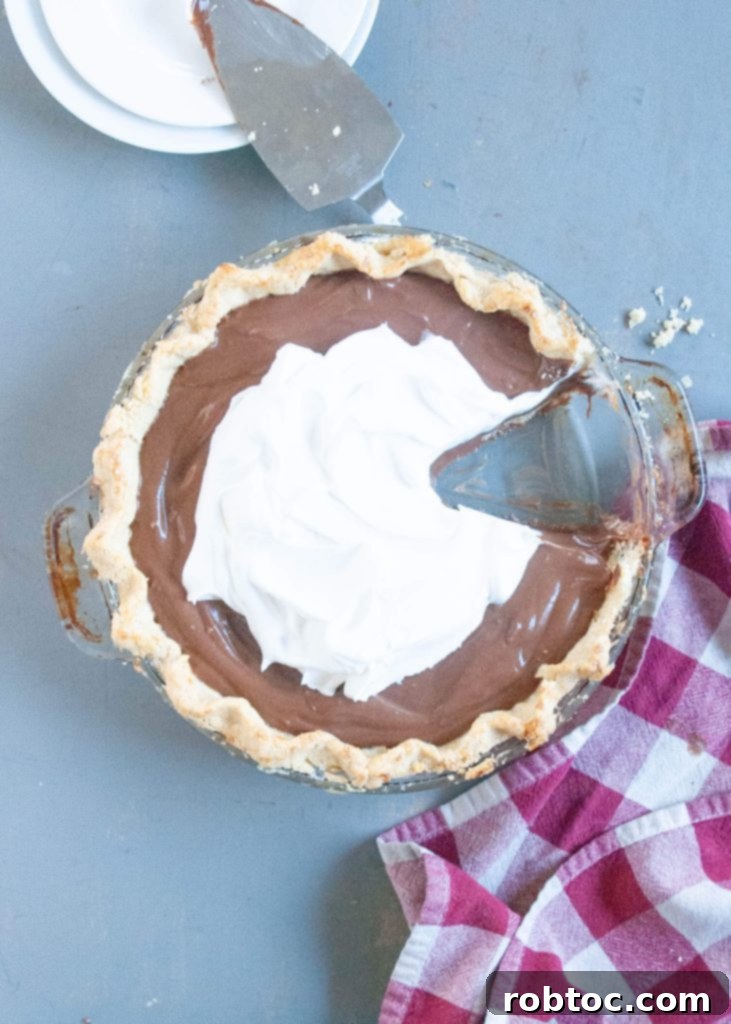
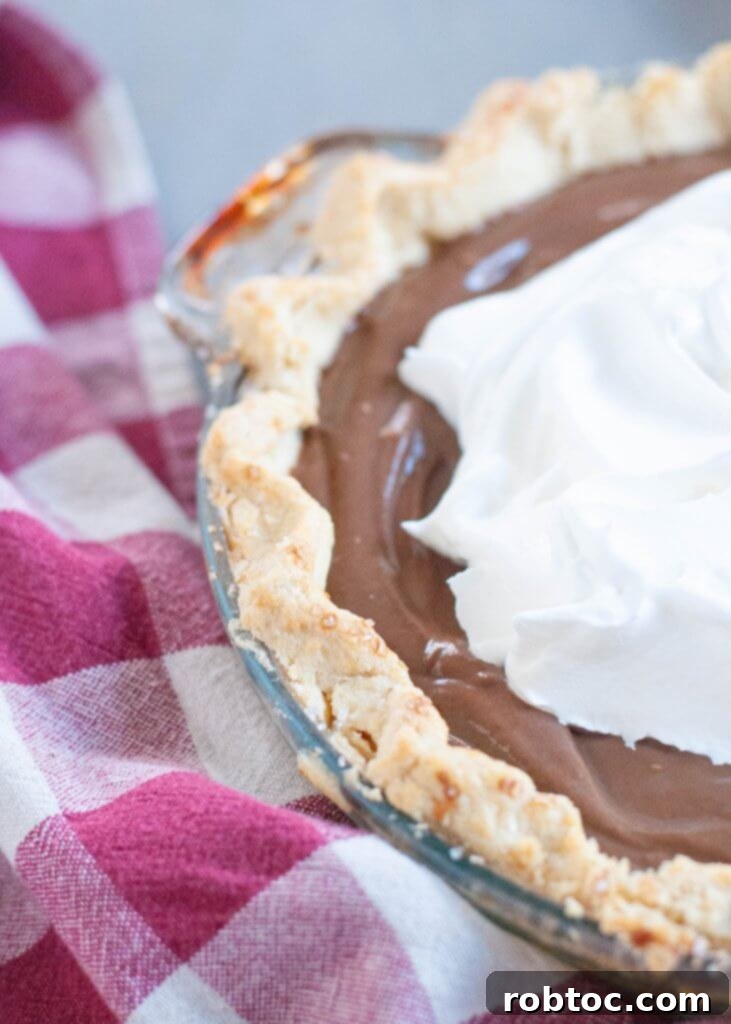
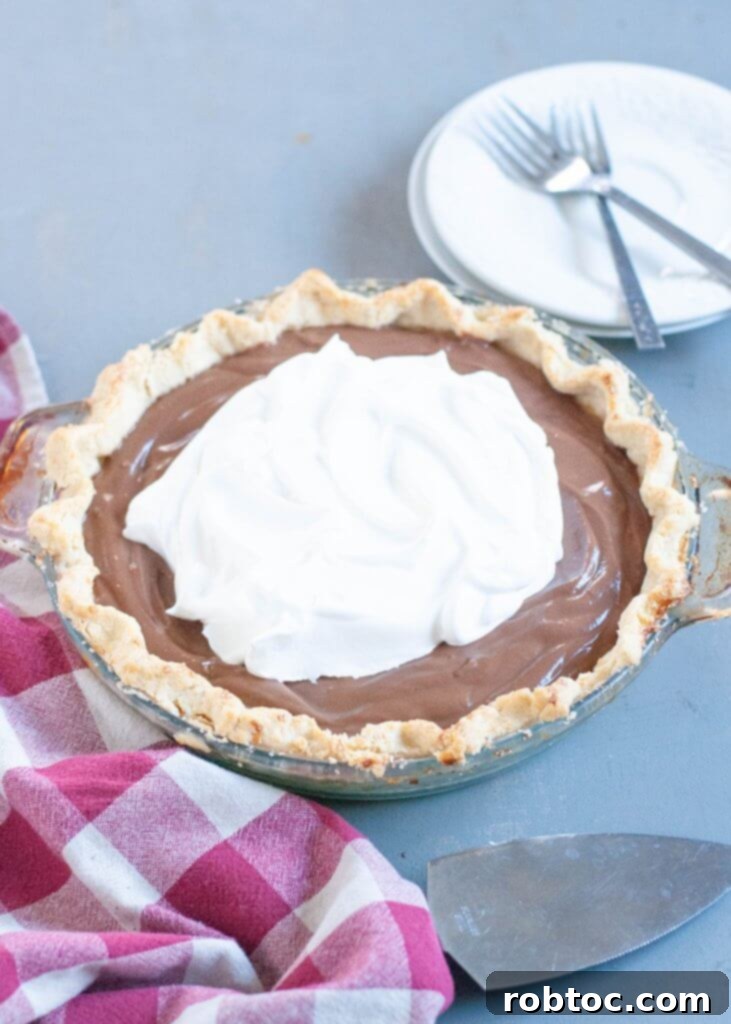
Blind baking, also known as pre-baking, is a crucial technique for pie crusts that will be filled with a no-bake mixture, such as cream pies, custard pies, or fresh fruit tarts. It ensures the crust is fully cooked, crisp, and able to hold its shape and filling without becoming soggy. For instance, the luscious chocolate pie filling pictured in this article required a fully baked crust, so I blind-baked the shell completely, allowed it to cool, and then filled it.
Here are the detailed steps for perfectly blind baking your gluten-free pie crust:
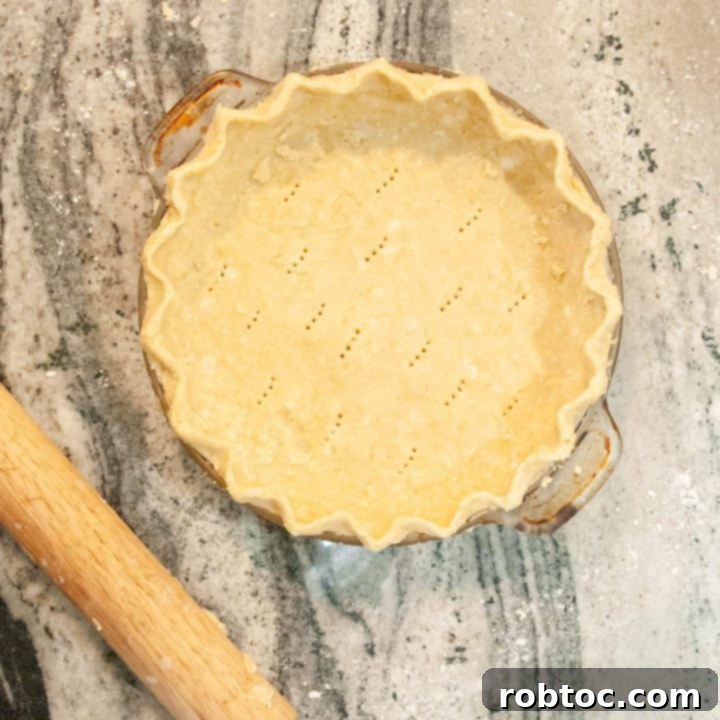
- Once you have expertly shaped your gluten-free pie crust in its pie plate, prick the bottom and sides all over with a fork (this is called “docking”). This helps prevent air bubbles from forming and puffing up the crust during baking. Immediately place the pie plate in the refrigerator while your oven preheats to a robust 425°F (220°C). Chilling the dough ensures the fats remain solid, contributing to a flakier crust.
- Once your oven has reached the target temperature, carefully remove the chilled pie crust from the fridge and place it directly into the preheated oven. Bake it for an initial five minutes. This short bake time allows the crust to begin setting its structure.
- After the initial five minutes, gently take the pie crust out of the oven. Carefully lay a piece of parchment paper or aluminum foil directly on top of the crust. To weigh down the parchment paper and prevent the crust from shrinking or bubbling, fill it with pie weights, dried beans, or uncooked rice. Store-bought pie weights are ideal for even distribution.
- Return the pie crust (with weights) to the oven and bake for an additional 10 minutes.
- Remove the pie from the oven again. Carefully and slowly lift out the parchment paper or foil along with the weights. The crust should be partially baked at this point.
- Prepare an egg wash by whisking one large egg with one tablespoon of milk (milk is preferred over water as it helps gluten-free flour brown more effectively). Using a pastry brush, gently brush the egg wash over the bottom and sides of the partially baked crust. (You might notice mine looked a little splotchy in spots; I used a silicone brush and later wished I had used a traditional bristle pastry brush, as I find it spreads the wash much more evenly for a consistent golden finish.)
- Place the pie crust back into the oven for another 5 to 7 minutes, or until the edges are beautifully browned and the bottom of the crust appears fully cooked through and golden.
- Finally, remove the perfectly blind-baked crust from the oven and allow it to cool completely on a wire rack before adding your desired no-bake filling. This cooling step is essential for the crust to firm up and prevent sogginess.
How to Cook a Double Gluten-Free Pie Crust
For pies that feature both a bottom and a top crust, often with a heavy or wet filling, many bakers debate whether to par-bake (partially bake) the bottom crust first to prevent it from becoming soggy. While this can be a valid technique for some recipes and traditional doughs, with this specific gluten-free pie crust recipe, I’ve found that par-baking the bottom crust is generally not necessary.
You can confidently proceed by rolling out your bottom crust as instructed, carefully placing it into your pie pan. Next, add your desired filling directly on top of the uncooked bottom crust. Then, roll out the second disc of dough for your top crust – whether it’s a full top, a lattice, or decorative cut-outs – and gently lay it over the filling. Trim any excess dough from the edges and crimp or flute the top crust to the bottom crust to create a good seal. Don’t forget to create a few vents in the top crust to allow steam to escape during baking, preventing a soggy top crust and ensuring even cooking. Finally, bake your double-crust pie according to the directions provided by your specific pie filling recipe.
Essential Tips for Gluten-Free Pie Crust Success: Achieving the Flakiest Results
Baking a successful gluten-free pie crust requires a slightly different approach than traditional wheat-based doughs. By following these key tips, you’ll be well on your way to creating a perfectly flaky, tender, and easy-to-handle crust every time:
- Cut Your Fats Larger: When preparing your butter and shortening, cut them into larger slices or chunks, rather than very small cubes. This is particularly important because you’ll be pulsing the dough more than a regular crust dough, especially due to the addition of an egg. Starting with larger pieces ensures that you still have visible, small chunks of fat remaining by the time you’re ready to roll out the dough. These distinct pockets of fat are what create those coveted flaky layers as they melt and release steam in the oven.
- Chill Your Ingredients and Tools: Cold ingredients are the secret weapon for a flaky pie crust. After you’ve pulsed your dry ingredients (flour, salt, xanthan gum) in the food processor, transfer them to the refrigerator, or even place the entire food processor bowl (if suitable) into the freezer for about 15 minutes. The colder everything is – from your flour to your fats, and even your rolling pin – the better the chances your butter will remain solid and separate within the dough until it hits the hot oven. More solid fat chunks mean more steam, which translates to a wonderfully flaky crust.
- Embrace a Slightly Tacky Dough: This is a crucial distinction from traditional pie crusts. When adding your ice water, aim for an end result that is slightly tacky to the touch. The exact amount of water can vary depending on your local climate (humidity vs. dryness), so don’t hesitate to add an extra tablespoon or two beyond the recipe’s initial recommendation. Trust your instincts and go by the texture and feel of the dough rather than adhering rigidly to a precise measurement. Unlike gluten-containing doughs, which you want to avoid making wet, gluten-free flour is significantly “thirstier” and requires that extra moisture, which it will absorb as it chills in the refrigerator. If the dough still feels too tacky to roll out after chilling, you can easily remedy this by generously dusting your workstation and rolling pin with additional gluten-free flour.
- Roll on Parchment Paper: To minimize sticking and prevent breakage during transfer, I highly recommend rolling your gluten-free dough directly onto a piece of parchment paper. This method allows you to simply invert the rolled-out dough into your pie pan and then gently peel off the parchment. While you can certainly roll it on a floured counter and then carefully drape it over your rolling pin to transfer, I find that the gluten-free dough, being a bit heavier and more delicate, often breaks before it successfully makes it into the pie pan. Choose the method you’re most comfortable with, but parchment paper offers a significant advantage for ease and success.
- Thick Sides for Fluted Edges: If you’re aiming for a beautiful fluted edge on your pie crust, you’ll want to start with tall, thick sides. After shaping the dough within the pie plate, if you have any leftover dough scraps, gently pinch them onto the top edges of the crust. I’ve found that the thicker the top edge, the easier it is to shape and the better it will hold its intricate fluted design during baking. If you’re simply crimping the edge with a fork, a thinner edge is perfectly acceptable.
- Chill the Shaped Crust: Once you’ve shaped your gluten-free pie crust in its pie plate and formed the edges, place it back into the refrigerator while your oven preheats. This crucial step allows the crust to firm up again, ensuring that the fats remain cold and solid before they hit the heat of the oven. This helps the crust maintain its shape, prevents excessive shrinking, and preserves those fat pockets essential for flakiness.
- Use a Glass Pie Dish: Opt for a glass pie dish whenever possible. Glass conducts heat evenly, helping the bottom crust bake thoroughly and preventing sogginess. It also allows you to visually monitor the browning of the bottom crust, ensuring perfect doneness.
- Chill Your Rolling Pin: As a final reinforcement of the “cold is key” principle, consider sticking your rolling pin in the freezer for 15-20 minutes before you start rolling the dough. Every measure you take to keep the butter and shortening from melting before baking contributes to a more tender and flaky crust.
- Timing for Egg Wash: If you’re using an egg wash for browning, apply it during the last five to ten minutes of baking. Adding it too early can cause the crust to brown excessively before it’s fully cooked through, potentially leading to a burnt appearance.
Essential Tools Needed for Perfect Gluten-Free Pie Crust
Having the right kitchen tools can make all the difference in achieving a flawless gluten-free pie crust. Here’s a list of the equipment you’ll need to make this recipe a breeze:
- Food processor: The star of this recipe, making quick work of combining ingredients.
- Measuring cups and spoons: For accurate ingredient measurements.
- Glass pie plate: Ideal for even baking and monitoring crust browning.
- Parchment paper: Invaluable for rolling out and transferring the delicate gluten-free dough.
- Digital food scale: Highly recommended for precise measurements, especially when halving the egg.
- Rolling pin: Essential for evening out your dough. Consider chilling it!
- Pastry brush: For applying egg wash evenly for a golden finish.
- Ice cubes: To make ice water, keeping the dough and fats cold.
Key Ingredients Needed for Your Flaky Gluten-Free Pie Crust
Gathering all your ingredients before you begin is a great way to ensure a smooth baking process. Here’s what you’ll need to create this delicious gluten-free pie crust:
- All-purpose gluten-free flour blend: Both for the main recipe and extra for dusting your work surface and rolling pin.
- Salt: Enhances the flavor of the crust.
- Xanthan gum: Provides structure and elasticity (additional to what’s in the mix).
- Cold butter: Essential for flavor and flakiness.
- Butter-flavored Crisco sticks: For workability and enhanced buttery taste.
- Cold large egg: A game-changer for dough workability and texture.
- Ice water: To bring the dough together without overworking the fats.
Video Showing How to Make Gluten-Free Pie Crust
For those who are visual learners or simply prefer to see the techniques in action, I’ve created a helpful video demonstrating each step of this gluten-free pie crust recipe. Whether you’re new to pie crust making or accustomed to traditional methods, seeing this unique approach – especially the inclusion of an egg and how the dough should look – can be incredibly beneficial. My goal is to equip you with all the knowledge and visual cues for the best possible results! You can easily find the video embedded at the bottom of the recipe card below, or head over to my YouTube Channel to watch it directly.
Still Struggling with Pie Crust? Delicious Gluten-Free Alternatives!
I understand completely – pie crust can sometimes be the most frustrating part of baking (I’ve certainly been there!). If you find yourself consistently struggling or simply short on time, don’t despair! There are countless delicious gluten-free pie options that don’t require a traditional crust, utilizing simpler bases like cookie crumbs or graham cracker crumbs. These alternatives are not only divine but also demand less time and technique, making them a fantastic solution for hassle-free baking. They shine especially bright when paired with amazing fillings!
Explore some of my other fantastic pie recipes that utilize easy, alternative crusts or are inherently simple:
- Triple Chocolate Pie
- Pumpkin Crumble Pie
- Frozen Raspberry Pie (GF, DF, Egg, Peanut, Tree Nut Free, Vegan)
- Strawberry Chocolate Galette (Gluten, Dairy, Egg, Soy, Peanut, and Tree Nut Free, Top 8 Free, Vegan)
- Allergy-Friendly No-Bake Strawberry Jello Pie
- Allergy-Friendly Peach Pie
- Gluten-Free Vegan Lemon Cream Pie Bars
- Lemon Cream Pie
- Allergy-Friendly Pumpkin Mousse Pie
- Vegan Chocolate Cheesecake
- Gluten-Free Dairy-Free Peppermint Pie
Gluten Free Pie Crust with Video
2 pie crusts
1 hour 10 minutes
20 minutes
1 hour
2 hours 30 minutes
Ingredients
- 3 cups all purpose gluten-free flour
- 1 tsp salt
- 3/4 tsp xanthan gum (additional to what’s in the mix)
- 3/4 cup butter
- 3/4 cup butter flavored Crisco sticks
- 1 large egg, cold
- 1/4-1/3 cup ice water
Instructions
Measure out butter and shortening, cut into large chunks and place in freezer.
Crack and whisk the egg in a small cup. Stream in the egg while the food processor is on low.
If the directions call for blind baking (AKA a fully cooked pie shell), then:
Notes
For optimal results, please read the entire article above, which covers all frequently asked questions, detailed tips, and substitution inquiries. Be sure to watch the video tutorial for visual guidance.
*Our family’s allergies, though severe and regularly re-tested, allow us to rely strictly on product labels. I do not contact companies regarding ingredient derivatives or potential cross-contact. If your allergies necessitate these precautions, please perform your own due diligence. I cannot guarantee any ingredient’s safety; only you can make that determination for your specific needs. I share only what works for our family.
Adapted from: Let Them Eat Gluten Free Cake
Nutrition Information:
Yield: 8
Serving Size: 1
Amount Per Serving:
Calories: 315Total Fat: 35gSaturated Fat: 22gTrans Fat: 1gUnsaturated Fat: 11gCholesterol: 115mgSodium: 574mgCarbohydrates: 0gFiber: 0gSugar: 0gProtein: 1g
DON’T FORGET TO PIN THIS RECIPE SO YOU DON’T LOSE IT. WHILE YOU’RE THERE, BE SURE TO CHECK OUT MY OTHER DIETARY SPECIFIC BOARDS FOR MORE INCLUSIVE RECIPES!