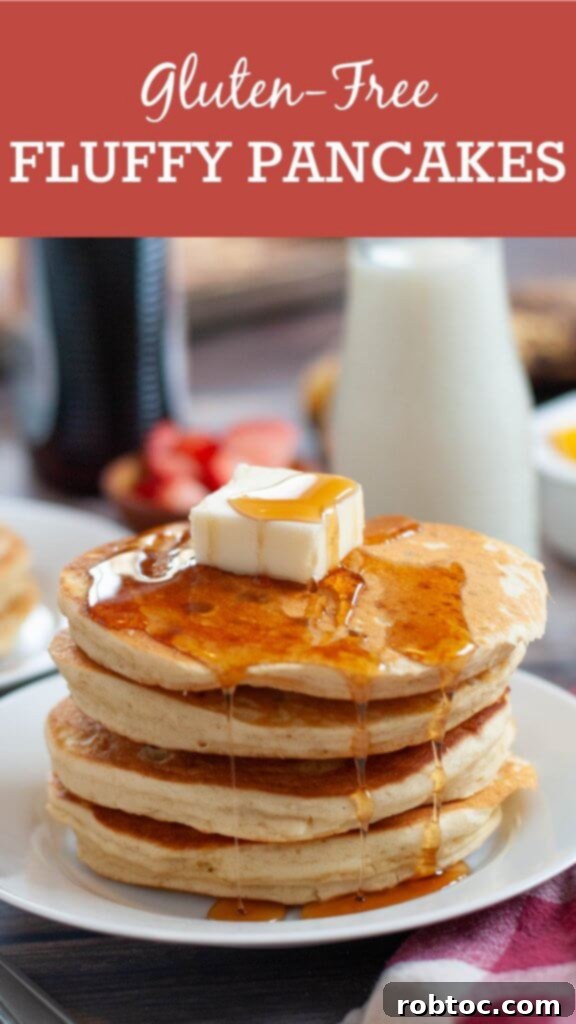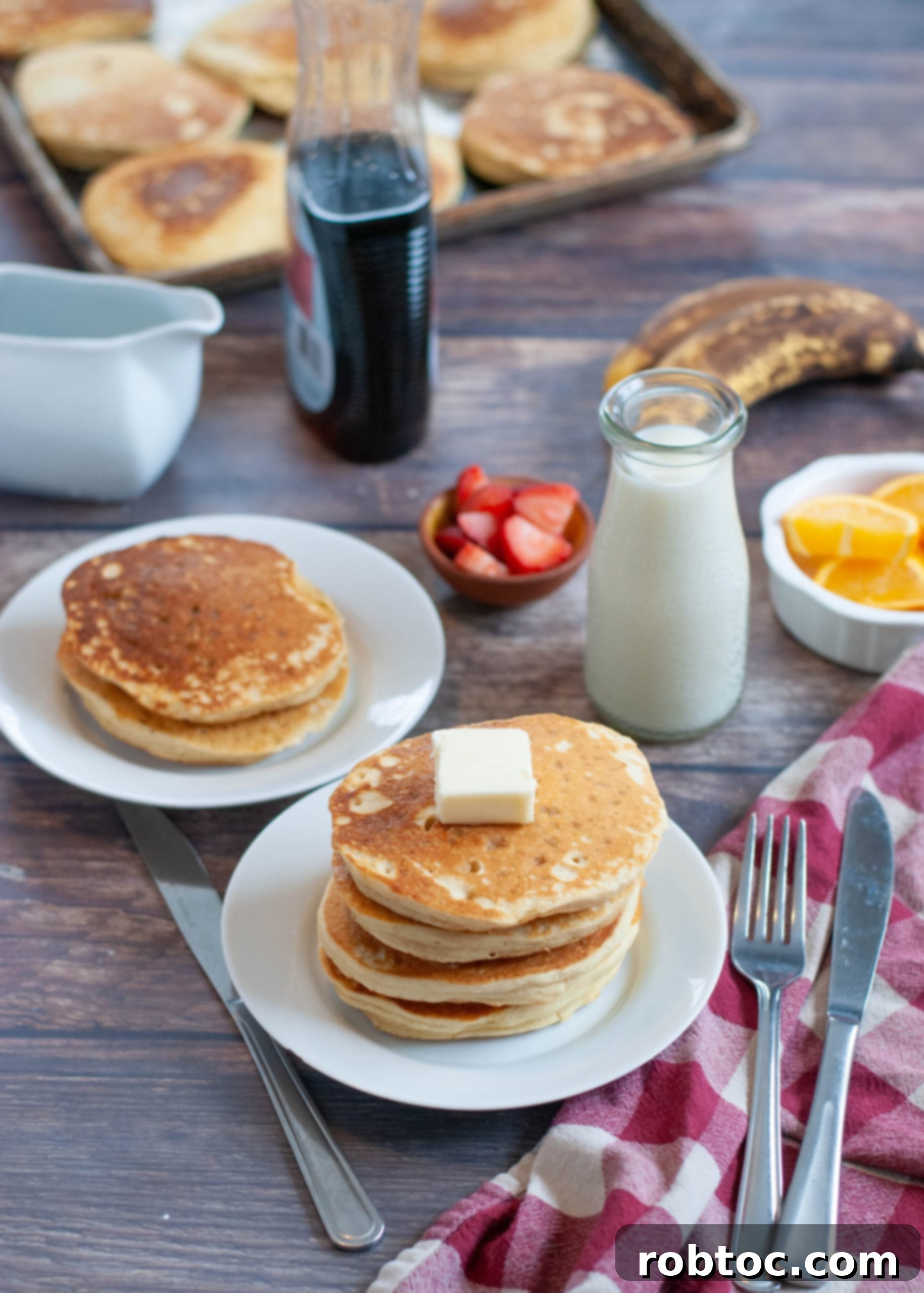
Mastering Gluten-Free Pancakes: Your Guide to Fluffy, Flavorful Breakfast Perfection
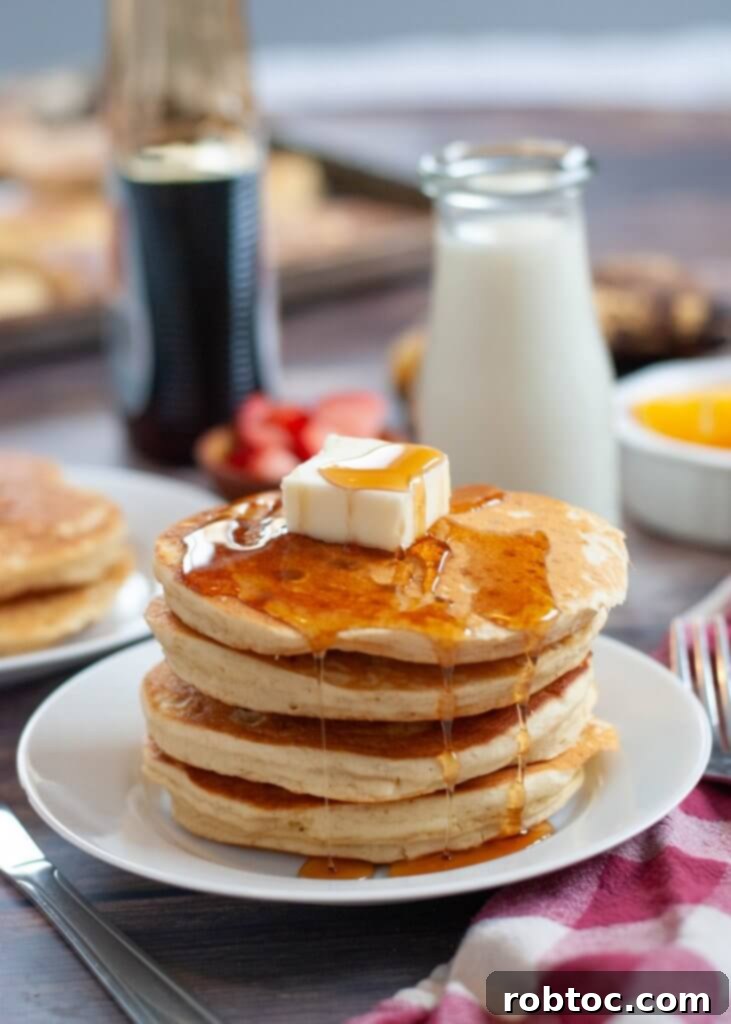
Imagine waking up to the aroma of freshly cooked pancakes – golden brown, impossibly fluffy, and bursting with a rich, buttery taste. Now, imagine those pancakes are completely GLUTEN-FREE! Yes, it’s true. This recipe delivers all the comfort and joy of your favorite breakfast staple, without a trace of gluten. Perfect for any time of day, these delicious pancakes are so good you’ll want them for breakfast, brunch, and even dinner! Plus, for those with additional dietary concerns, this recipe is naturally free from soy, peanuts, and tree nuts, making it a truly inclusive treat for everyone at your table.
This post contains affiliate links, which means I may earn a small commission if you make a purchase through these links, at no extra cost to you.
WHY THIS GLUTEN-FREE PANCAKE RECIPE WILL BE YOUR NEW FAVORITE
There’s an undeniable magic to homemade food, and these gluten-free pancakes embody that spirit perfectly. Forget complicated ingredient lists or fussy techniques; this recipe shines with its simplicity and reliance on classic pantry staples. We’re talking about farm-fresh eggs, wholesome milk, rich melted butter, and just the right touch of sugar – all the beloved components that create that comforting, downhome taste you crave. The beauty of this recipe lies in its ease: simply measure, stir until just combined, and pour onto a hot griddle. In mere minutes, you’ll be rewarded with a stack of golden, delicious pancakes, making a truly tasty breakfast achievable even on the busiest mornings.
My passion for pancakes runs deep, and I’m always striving to create variations that cater to every possible dietary need. My ultimate goal is for everyone to experience the joy of a perfect pancake stack, regardless of their restrictions. This particular recipe for fluffy gluten-free pancakes is a testament to that mission, offering an incredible texture and flavor that rivals traditional pancakes. If you’re looking to explore other delicious variations, be sure to check out some of my other popular recipes:
- Gluten-Free Protein Pancakes: Fuel your day with an extra boost.
- Gluten-Free Vegan Pancakes: A fantastic option for those avoiding dairy and eggs.
- Gingerbread Pancakes: Perfect for a festive holiday breakfast.
- Spiced Apple Oatmeal Pancakes: A cozy, comforting choice with warm flavors.
- Chocolate Pancakes: An indulgent treat for chocolate lovers.
And don’t stop at pancakes! You might also enjoy my collection of gluten-free muffins and delicate gluten-free crepes for more allergy-friendly baking inspiration.
DO I NEED A SPECIAL GLUTEN-FREE PANCAKE MIX?
While many convenient gluten-free pancake mixes are available on the market, I’ve yet to discover one that truly measures up to the superior taste and texture of these homemade gluten-free pancakes. The truth is, relying on a store-bought mix often means compromising on flavor, freshness, and control over ingredients. When you make them from scratch, you avoid unwanted additives and achieve a truly authentic, delicious outcome. You might think mixing from scratch is significantly more effort, but you’ll be pleasantly surprised. It’s really only a few extra measurements, and the incomparable results – fluffy, golden, and tender pancakes – are absolutely worth it.
The only specialized item you’ll need to purchase (beyond standard pantry ingredients like baking soda, baking powder, salt, and sugar) is a high-quality all-purpose gluten-free flour blend that explicitly states it contains xanthan gum. This is a crucial ingredient for gluten-free baking, and we’ll delve deeper into why it’s so important later in this guide. Once you have your preferred flour blend, you’re all set to whip up the best gluten-free pancakes you’ve ever tasted!
WHAT INGREDIENTS DO GLUTEN-FREE PANCAKES REQUIRE?
If you’re already familiar with the world of gluten-free baking, chances are you already have a reliable all-purpose gluten-free flour blend stocked in your pantry. If not, this will be your only “special” grocery store addition. Beyond that, the rest of the ingredients are common, everyday staples that you likely have on hand, making this recipe incredibly accessible. This recipe relies on a harmonious balance of wet and dry ingredients to achieve that signature fluffy texture and rich flavor.
- WET INGREDIENTS:
- Eggs: Provide structure and richness, helping the pancakes bind and rise beautifully.
- Milk: Adds moisture and contributes to the tender crumb. Its fat content also influences the final texture (more on this below!).
- Melted Butter: Infuses a wonderful buttery flavor and ensures the pancakes are moist and tender.
- Vanilla Extract: A touch of pure vanilla enhances all the other flavors, giving your pancakes a delightful aroma and taste.
- DRY INGREDIENTS:
- Salt: A pinch of salt balances the sweetness and brings out the overall flavor of the pancakes.
- Baking Soda: Works with the acid in the milk to create lift, resulting in fluffy pancakes.
- Baking Powder: Provides additional leavening, ensuring a light and airy texture.
- All-Purpose Gluten-Free Flour Blend (measured by spooning and leveling): This is the foundation of our gluten-free pancakes. Look for a blend that includes xanthan gum. We’ll discuss flour options in more detail further down.
- Sugar: Adds a touch of sweetness and helps with browning for that perfect golden exterior.
- Toppings of Choice: While not part of the batter, these are essential for the full pancake experience!
WHAT TYPE OF MILK SHOULD I USE FOR GLUTEN-FREE PANCAKES?
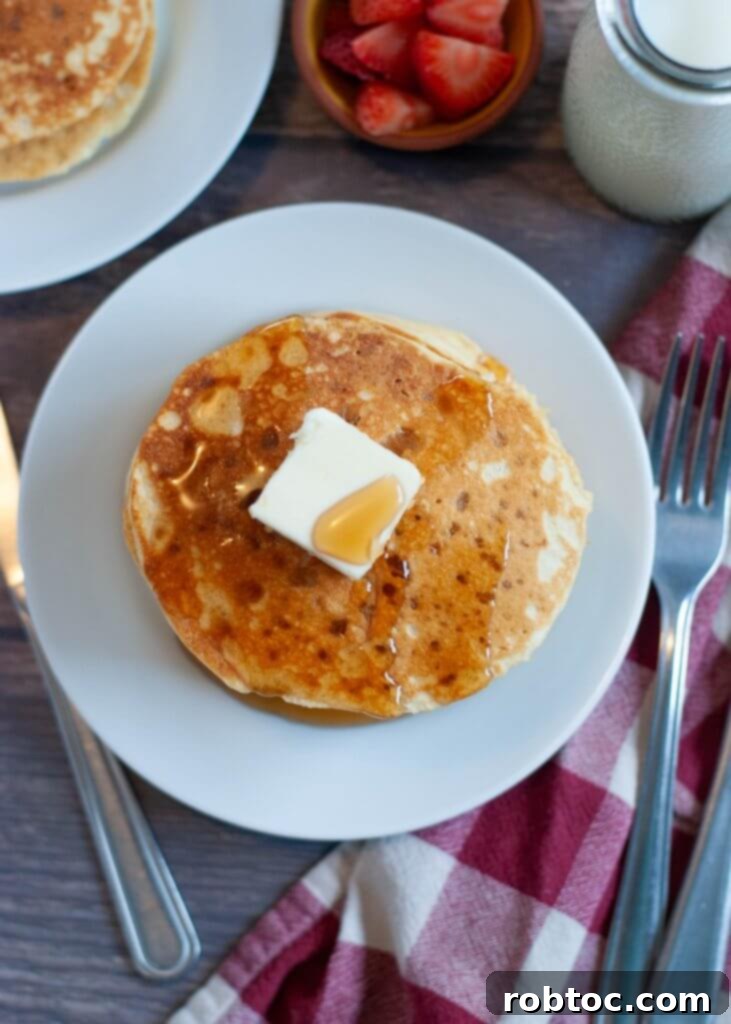
The type of milk you choose can subtly influence the consistency of your pancake batter and, consequently, the final texture of your pancakes. In my own kitchen, I typically opt for 1% milk, which strikes a good balance between richness and lightness. However, this recipe is quite flexible, and you can achieve excellent results with various milk fat percentages, from skim milk to 2% milk. Skim milk will yield a slightly thinner batter and potentially a lighter pancake, while 2% will contribute a bit more richness.
I generally advise against using whole milk for this particular recipe. Its higher fat content can make the batter too thick and dense, potentially leading to pancakes that are heavier and less airy than desired. If whole milk is all you have on hand, you might need to thin the batter slightly with a tablespoon or two of water until it reaches the right pouring consistency. For those who follow a dairy-free diet, many plant-based milks can also be substituted. Almond milk, soy milk, or oat milk work well, though I recommend using an unsweetened variety to control the sugar content. If you need a fully dairy-free and egg-free option, please refer to my gluten-free vegan pancake recipe for tailored instructions.
CAN I MAKE THESE GLUTEN-FREE PANCAKES AHEAD OF TIME?
Life can get busy, but that shouldn’t stop you from enjoying a delicious, homemade breakfast! These gluten-free pancakes are wonderfully accommodating and can certainly be made ahead of time, saving you precious minutes during the morning rush. Once cooked, allow the pancakes to cool completely on a wire rack. This step is crucial to prevent moisture from building up, which can make them soggy. After they’re cool, simply transfer them to an airtight container or a large resealable freezer bag (like a Ziploc bag) and store them in the refrigerator.
They will remain fresh and delicious in the refrigerator for 3-4 days. When you’re ready to enjoy them, reheating is a breeze. Each pancake typically needs about 20-30 seconds in the microwave, or you can gently warm them in a toaster or on a lightly greased griddle over medium-low heat until heated through. The result is still wonderfully soft and satisfying. This make-ahead capability makes them perfect for meal prepping and ensures you always have a quick, wholesome breakfast option at your fingertips.
Alternatively, if you want to be extra prepared, you can assemble the dry pancake mix in advance. Combine all the dry ingredients (gluten-free flour blend, salt, baking soda, baking powder, and sugar) in a large bowl or airtight container. Mix them thoroughly to ensure even distribution of the leavening agents. This dry mix can then be stored in your pantry for up to 2-3 months. When pancake cravings strike, simply add the wet ingredients (eggs, milk, melted butter, and vanilla extract) to your pre-made dry mix, stir, and cook! It’s an excellent way to streamline your morning routine while still enjoying fresh, homemade gluten-free pancakes.
HOW DO I STORE LEFTOVER PANCAKES FOR LONGER?
If you find yourself with more pancakes than you can enjoy within 3-4 days, freezing is an excellent option for longer-term storage. Properly frozen gluten-free pancakes can last for up to 2-3 months, allowing you to enjoy a quick and easy breakfast whenever you desire.
Here’s how to freeze them effectively:
- Cool Completely: As with refrigerator storage, ensure your cooked pancakes are entirely cool before freezing. Any residual warmth will create condensation inside the bag, leading to ice crystals and soggy pancakes.
- Prevent Sticking: To prevent pancakes from sticking together, you can either flash freeze them by placing them in a single layer on a baking sheet in the freezer for about 30 minutes until firm, or place small squares of parchment paper between each pancake before stacking them.
- Package Properly: Once cool (and optionally flash-frozen or separated by parchment), stack the pancakes and place them into a heavy-duty freezer-safe resealable bag or an airtight container. Press out as much air as possible from the bag to prevent freezer burn.
- Thaw and Reheat: When you’re ready to enjoy, take the desired number of pancakes out of the freezer. You can thaw them overnight in the refrigerator for best results, or simply reheat them directly from frozen. For reheating, the microwave works quickly (30-60 seconds per pancake, depending on your microwave’s power), or you can use a toaster, toaster oven, or a lightly greased griddle over medium-low heat until warmed through and slightly crispy on the edges. Enjoy your perfectly preserved, delicious gluten-free pancakes!
ESSENTIAL TOOLS NEEDED FOR PERFECT GLUTEN-FREE PANCAKES
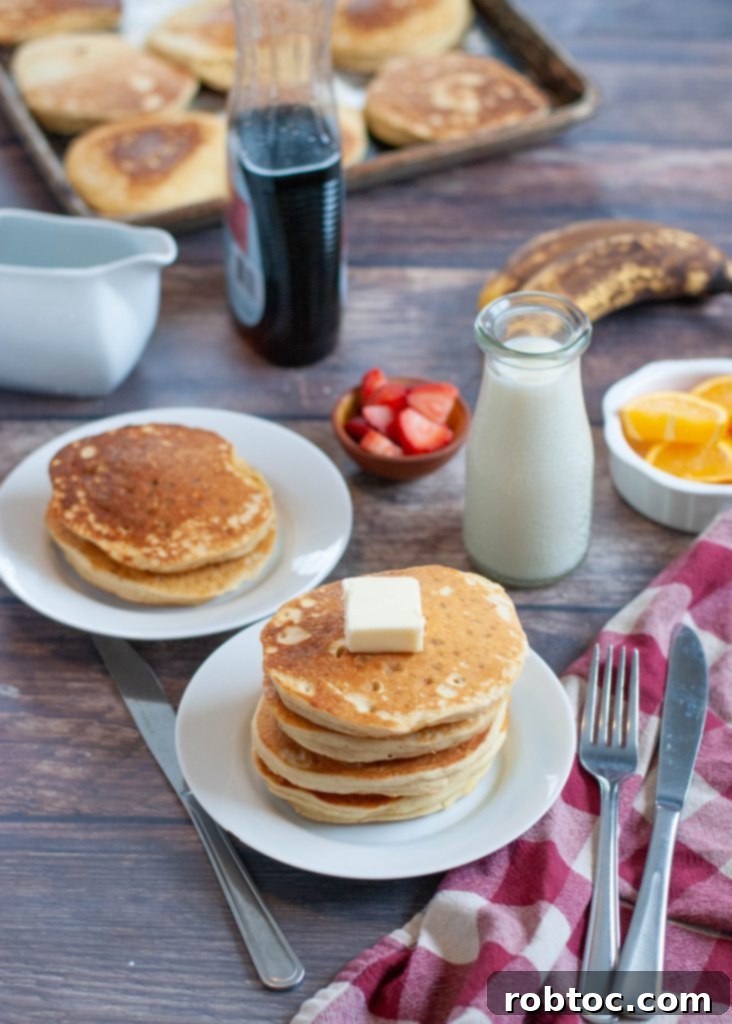
One of the many appealing aspects of this gluten-free pancake recipe is that it doesn’t require any fancy or specialized kitchen equipment. You likely already have all the necessary tools right in your cupboards. Here’s what you’ll need to get started:
- Measuring Cups and Spoons: Essential for precise ingredient measurements, which is particularly important in gluten-free baking to ensure the right consistency.
- Large Mixing Bowl: Provides ample space to combine your wet and dry ingredients without spills, allowing for easy stirring.
- Large Mixing Spoon: Perfect for initially combining the dry and wet ingredients.
- Whisk: Ideal for smoothing out the batter and ensuring all ingredients are well incorporated, although a few small lumps are perfectly fine for pancake batter.
- Griddle: A flat cooking surface is key for making perfectly round pancakes. This can be a cast-iron griddle pan that sits on your stovetop or an electric griddle.
- Non-Stick Spray: Crucial for preventing your pancakes from sticking to the griddle and ensuring they flip easily and achieve that beautiful golden-brown color.
When it comes to portioning the batter onto the hot griddle, I typically find my 1/3 cup measuring cup to be the perfect size for consistently sized pancakes. However, for those who prefer absolute precision or just enjoy kitchen gadgets, there are also various specialized contraptions you can buy, such as pancake batter dispensers, which can help create perfectly uniform pancakes with less mess.
WHAT FLOUR DO I USE FOR GLUTEN-FREE PANCAKES?
The choice of gluten-free flour is paramount to the success of your gluten-free pancakes. Unlike traditional baking with wheat flour, you cannot simply substitute a single gluten-free flour (like almond flour or rice flour) and expect the same results. Achieving the desirable texture, structure, and browning of wheat-based pancakes in a gluten-free version requires a carefully balanced blend of several different gluten-free grains and starches. This combination is designed to mimic the properties of wheat flour, which contains gluten – the protein responsible for elasticity and structure.
For this recipe, I personally achieve fantastic results using Walmart’s Great Value All-Purpose Gluten-Free Flour Blend. The key here is an “all-purpose blend,” specifically one that already includes xanthan gum. Xanthan gum acts as a binder, replacing the elasticity and structure that gluten would typically provide, which is crucial for preventing crumbly or overly dense gluten-free baked goods. If your chosen blend does not contain xanthan gum, you will need to add about 1/2 teaspoon per cup of gluten-free flour in the recipe.
Generally, a good all-purpose gluten-free flour blend will contain a mix of flours and starches such as rice flour (often brown or white), potato starch, tapioca starch (or tapioca flour), and sometimes sorghum flour or cornstarch. These different components each contribute unique properties: rice flour provides structure, tapioca starch adds chewiness and crispness, and potato starch offers softness and moisture retention. If your blend is primarily composed of these ingredients (rice, potato, tapioca, and sorghum is also a good addition), then you are likely on the right track.
If you don’t have access to the specific brand I use, many other “measure-for-measure” or “1-to-1” gluten-free flour blends can work as a substitute. King Arthur Baking Company’s Measure for Measure Gluten-Free Flour and Bob’s Red Mill Gluten-Free 1-to-1 Baking Flour are popular and reliable alternatives often found in grocery stores. Just ensure that the blend you choose is designed for direct substitution in recipes that call for wheat flour and, as mentioned, ideally contains xanthan gum.
While various blends might work, for the best possible results and to minimize the risk of a failed attempt, it is always recommended to use the exact brand of flour specified by the recipe developer. This ensures you’re replicating the precise balance and characteristics that were tested. If you do experiment with other brands and achieve great success, or encounter challenges, please consider leaving a comment below. Your feedback is incredibly valuable to other readers navigating the world of gluten-free baking!
CAN I MAKE GLUTEN-FREE VEGAN PANCAKES WITH THIS RECIPE?
This particular recipe is designed for gluten-free pancakes that still include dairy and eggs. If your dietary needs require pancakes to be free from gluten, dairy, AND eggs, I highly recommend visiting my dedicated gluten-free vegan pancake recipe. That recipe is specifically formulated with plant-based alternatives to ensure a delicious and fluffy result without any animal products. It provides a comprehensive guide for achieving the perfect vegan and gluten-free pancake experience.
EXPERT TIPS FOR MAKING THE BEST GLUTEN-FREE PANCAKES
Achieving perfectly fluffy and delicious gluten-free pancakes is easier than you think, especially with a few expert tips. Follow these guidelines to ensure your pancake endeavors are a resounding success every time:
- Proper Flour Measurement (Spoon and Level): This is arguably the most crucial tip for gluten-free baking. When measuring your gluten-free flour blend, do not scoop it directly out of the bag with your measuring cup. Scooping compacts the flour, leading to too much flour in your batter. Excess flour will result in dense, dry, and crumbly pancakes. Instead, use a spoon to lightly scoop the flour into your measuring cup until it’s overflowing. Then, take the back of a knife or a straight edge and level off the excess flour across the top of the cup. This method ensures you have the correct amount of flour for a perfectly moist and tender pancake.
- Embrace a Few Lumps in the Batter: When mixing your batter, it’s perfectly normal, and even desirable, to have a few small lumps. Overmixing pancake batter, whether gluten-free or not, can lead to tough pancakes. While gluten-free flour doesn’t develop gluten like wheat flour does, excessive mixing can still negatively impact the texture by overworking the starches and aerating the batter too much. In the video accompanying this recipe, you’ll see I start by combining ingredients with a spoon and then switch to a whisk to achieve a smoother consistency, but don’t obsess over getting it perfectly smooth. A slightly lumpy batter will yield wonderfully tender and fluffy pancakes.
- Master Your Griddle Heat (Medium is Key): The temperature of your griddle plays a vital role in pancake perfection. Resist the urge to turn the heat up too high, as this is a common mistake. If the griddle is too hot, the pancakes will brown rapidly on the outside before the inside has a chance to cook through. This results in pancakes with a burnt exterior and a doughy, undercooked interior – a truly disappointing outcome. I recommend sticking to a consistent medium heat. For electric griddles, a setting between 350°F and 375°F is usually ideal. For stovetop griddles, medium heat will generally suffice. You want the pancakes to sizzle gently when the batter hits the surface, but not immediately burn. I personally love using this stove-top griddle pan because it sits perfectly over my gas burners, offers even heat distribution, and saves counter space compared to an electric griddle.
- Keep Your Pancakes Warm: Nobody likes a cold pancake! To ensure your entire batch of gluten-free pancakes stays warm and ready for serving while you finish cooking the remaining batter, consider these two effective methods:
- Tortilla Warmer Method: As you cook, transfer the finished pancakes to a tortilla warmer. The insulated nature of a tortilla warmer, especially with the lid securely in place, will keep your pancakes delightfully warm and moist until it’s time to serve.
- Oven Method: Preheat your oven to its lowest “warm” setting (usually around 170-200°F or 75-90°C). As each pancake finishes cooking, transfer it to a baking sheet placed inside the warm oven. You can loosely cover the baking sheet with aluminum foil to prevent the pancakes from drying out. This method ensures that even the last pancake cooked is just as warm and inviting as the first.
WHAT ARE THE BEST TOPPINGS FOR GLUTEN-FREE PANCAKES?
The right topping can elevate a simple stack of gluten-free pancakes into an extraordinary culinary experience. When you’re browsing the aisles of your grocery store, you’ll notice a distinct difference between “pancake syrup” and “pure maple syrup.” Understanding this distinction is key to choosing your perfect topping.
Pancake Syrup vs. Maple Syrup:
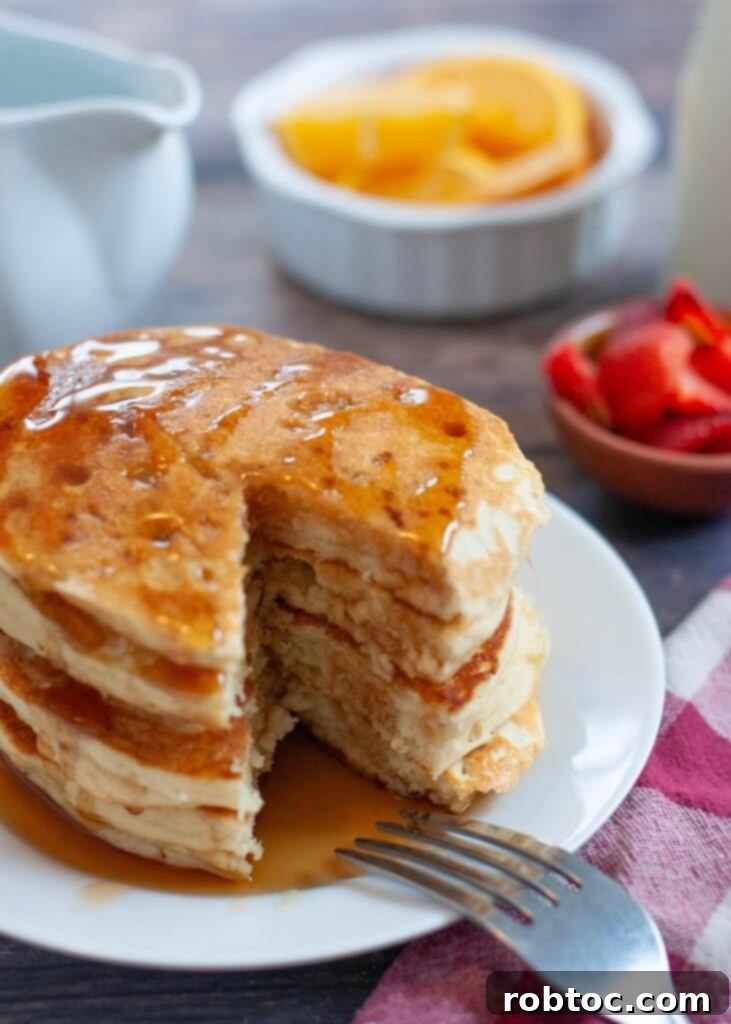
Pancake syrup, often more affordable, is typically an artificial concoction primarily made from high-fructose corn syrup, artificial flavors, and colors. It’s designed to mimic maple flavor but lacks the natural depth and nutritional benefits of pure maple syrup. In contrast, pure maple syrup is exactly what it sounds like: the natural sap of maple trees, boiled down to a thick, sweet syrup. It contains fewer refined sugars and offers a more complex, earthy sweetness with subtle caramel notes. Many prefer pure maple syrup for its natural purity and richer flavor, which beautifully complements the buttery taste of these pancakes. That said, I sometimes enjoy pancake syrup for its unique added buttery flavor, but with melted butter already in our pancake batter, you certainly don’t need that extra boost. Ultimately, the choice is yours, based on your preference for taste and ingredients.
Beyond syrups, a world of delicious toppings awaits to customize your gluten-free pancakes. Here are some popular and delightful ideas:
- Powdered Sugar: A simple dusting adds a touch of elegance and delicate sweetness.
- Nut Butters (or Seed Butters): A generous dollop of peanut butter, almond butter, or sunflower seed butter provides protein and a creamy, satisfying texture.
- Fresh Berries: Strawberries, blueberries, raspberries, or mixed berries add natural sweetness, tartness, and a burst of fresh flavor.
- Fruit Syrups or Jams: Fruit-based syrups or your favorite jam can add a wonderful fruitiness and moistness to each bite.
- Whipped Cream: A dollop of fresh whipped cream (dairy or non-dairy) makes for an indulgent treat.
- Chocolate Sauce or Chocolate Chips: For the ultimate sweet tooth, a drizzle of chocolate sauce or a sprinkle of mini chocolate chips is always a hit.
Don’t be afraid to experiment and find your perfect combination! The possibilities are endless when it comes to topping your fluffy gluten-free pancakes.
CAN I ADD MIX-INS TO MY GLUTEN-FREE PANCAKES?
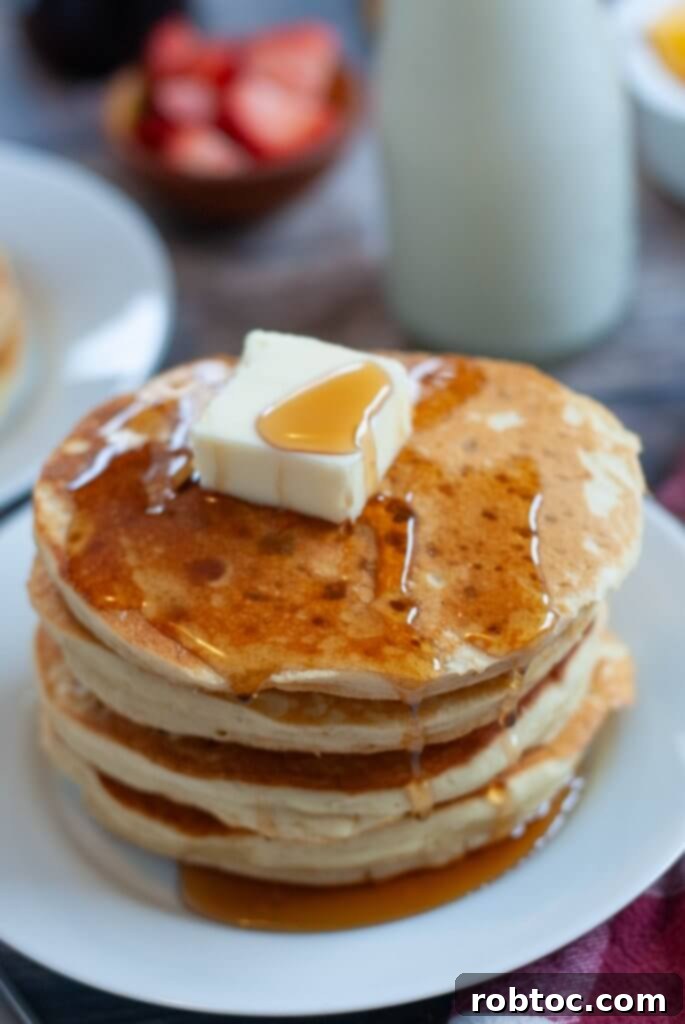
While I often prefer the simplicity of a plain, buttery gluten-free pancake to fully appreciate its fluffy texture, adding mix-ins is a fantastic way to introduce extra flavor and fun! For the best results and an even distribution of your chosen additions, I recommend a specific technique: sprinkle your mix-ins directly onto the pancake batter once you’ve poured it onto the hot griddle, rather than stirring them into the main batter bowl.
This method offers several advantages: it prevents denser ingredients like chocolate chips or fruit from sinking to the bottom of the batter, ensures each pancake gets a fair share of goodies, and helps prevent delicate ingredients like blueberries from bursting and staining the entire batch of batter. Some delicious mix-ins to consider include:
- Blueberries: A classic choice that bursts with flavor when cooked.
- Sliced Bananas: Adds natural sweetness and a creamy texture.
- Sprinkles: Perfect for a festive breakfast or a fun treat for kids (and adults!).
- Chocolate Chips: Mini chocolate chips melt beautifully into the warm pancakes.
- Chopped Nuts (if not avoiding tree nuts): Pecans or walnuts can add a lovely crunch.
- Shredded Coconut: For a tropical twist.
If you’re particularly fond of the combination of oats, chocolate, and banana, I even have a specific recipe for those: check out my oatmeal chocolate chip banana pancakes for another delightful variation!
DO I HAVE A VIDEO SHOWING HOW TO MAKE THESE GLUTEN-FREE PANCAKES?
Absolutely! I understand that seeing a recipe come to life visually can make all the difference, especially when trying a new cooking method or working with gluten-free ingredients for the first time. That’s why I’ve created a comprehensive video tutorial to guide you through every step of making these fluffy gluten-free pancakes.
My goal is to make this process as clear and straightforward as possible, ensuring you feel confident and capable in your kitchen. This video will show you the consistency of the batter, the ideal griddle temperature, what to look for when flipping, and how to keep your pancakes warm. I truly hope this visual aid helps you successfully create batch after batch of delicious, fluffy gluten-free pancakes for many mornings to come.
The video should automatically appear within the content of this page. If, for any reason, it doesn’t auto-populate, you’ll find it embedded directly into the bottom of the recipe card section below. And, if all else fails, you can always head over to my YouTube channel, where you can browse this pancake tutorial and many other helpful allergy-friendly cooking videos.
Gluten Free Pancakes + VIDEO
14
15 minutes
15 minutes
30 minutes
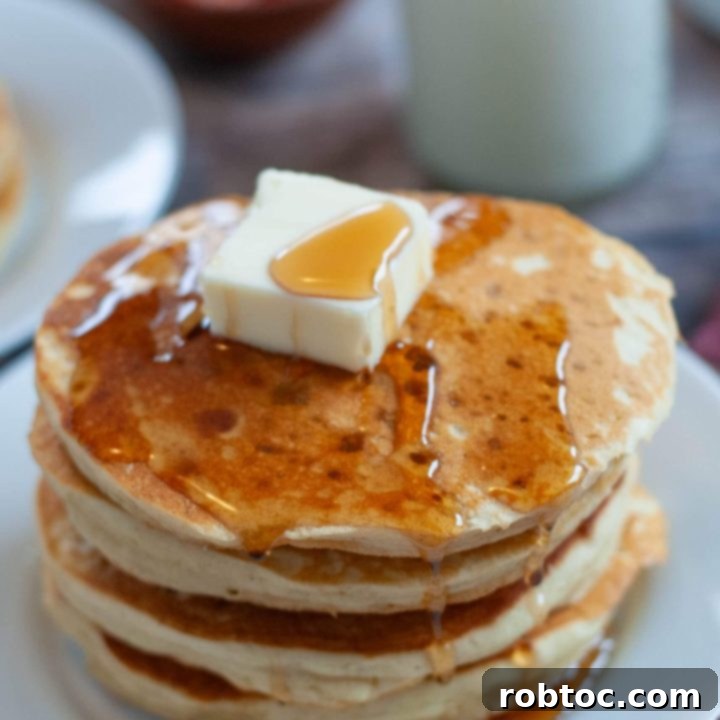
Fluffy, soft pancakes with a buttery taste that are…drum roll please…GLUTEN FREE. Enjoy your favorite breakfast anytime!
Ingredients
WET INGREDIENTS:
- 3 eggs
- 3 cups milk
- 3 Tablespoons melted butter
- 1 tsp vanilla extract
DRY INGREDIENTS:
- 1 and 1/2 tsp salt
- 3/4 tsp baking soda
- 1 tsp baking powder
- 3 Tablespoons sugar
- 2 and 1/2 cups all purpose gluten free flour (measured by spooning and leveling) see post for options
Instructions
1. Pour the wet ingredients (eggs, milk, melted butter and vanilla) into a large mixing bowl. Whisk to combine.
2. Next, pour your dry ingredients (salt, baking powder, baking soda, all purpose gluten-free flour, and sugar). Whisk until combined. It’s OK if there are a few lumps left.
3. Preheat a griddle to medium heat.
4. Once hot, spray with a non-stick spray.
5. Pour 1/3 cup (or smaller, or bigger depending on your preference) of the batter onto the hot, greased, griddle. Leave room between each pancake to be able to flip them.
6. Once bubbles pop, and when you peak underneath it’s golden brown, carefully flip the pancake. Cook until the other side is golden brown and the middle looks done.
7. Keep pancakes warm by placing them in a tortilla warmer, or on a baking sheet and placing the baking sheet in your oven set to the lowest temperature (mine has a “warm” setting).
8. Once you’ve cooked all of the pancakes, serve warm with desired toppings.
9. Leftover pancakes, once cool, can be stored in a zlploc gallon bag in the fridge for 3-4 days. I prefer to not freeze mine, but if needed, you can freeze. Thaw and then reheat to desired liking.
Notes
I also sometimes add a scoop of vegan vanilla Orgain protein powder. Works great.
*Our allergies, while severe and that get re-tested frequently, are such that we can go strictly by what’s on the label. I do not call companies to see what things are derived from, or call manufacturers to see about potential cross contact. If your allergies require you to do so, please do your own homework. I cannot assure you of any ingredient’s safety, only you can do that. I simply share what works for our family.
**If you are going to feed this to someone with food allergies, and you yourself do not have food allergies, I HIGHLY recommend having them check every single brand and ingredient you are using, to ensure they’re OK with each part of the recipe. And, to make sure you’ve talked to them about how to avoid cross contamination in your kitchen.
Nutrition Information:
Yield: 14
Serving Size: 1
Amount Per Serving:
Calories: 75Total Fat: 5gSaturated Fat: 3gTrans Fat: 0gUnsaturated Fat: 2gCholesterol: 51mgSodium: 257mgCarbohydrates: 6gFiber: 0gSugar: 5gProtein: 3g
DON’T FORGET TO PIN THIS RECIPE TO YOUR FAVORITE GLUTEN-FREE BOARD, SO YOU CAN EASILY FIND IT WHENEVER A PANCAKE CRAVING STRIKES. BE SURE TO EXPLORE MY OTHER GLUTEN-FREE PINS FOR MORE DELICIOUS INSPIRATION!