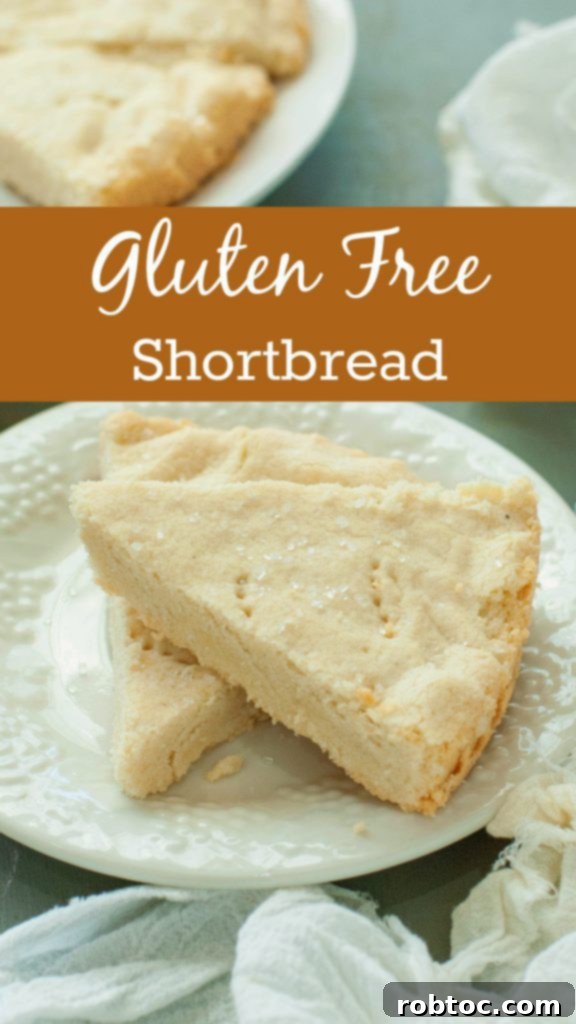
Easy Gluten-Free Shortbread Recipe: Classic, Buttery, & Allergen-Friendly (No Rolling Required!)
Discover the timeless pleasure of homemade shortbread, perfected for gluten-free diets. This recipe delivers a simple, classic, and incredibly buttery treat without the fuss of rolling or shaping. Just press it into a pan, bake, and cut into elegant wedges for a delightful experience. Crafted to be free from common allergens, this shortbread is a safe and delicious option for many, including those avoiding wheat, gluten, egg, soy, peanuts, tree nuts, fish, shellfish, and sesame.
This post contains affiliate links.
Why This Gluten-Free Shortbread Recipe is a Must-Try
When you hear “shortbread,” you might picture something elaborate or challenging to make, often associated with elegant tea parties or festive celebrations. However, this gluten-free shortbread recipe defies that notion entirely. It’s surprisingly straightforward, requiring only a few pantry staples and minimal effort. The beauty of this recipe lies in its simplicity: cream together a handful of ingredients, press the dough into a round pan, and bake to golden perfection. With just six core ingredients, it’s no wonder shortbread has enjoyed enduring popularity for centuries, with its origins tracing back to 12th-century Scotland!
While commercially bought shortbread often comes in intricate shapes, our method prioritizes ease and flavor over fuss. By skipping the rolling and shaping, you save significant time and stress without compromising on taste. Each generously sized wedge offers the same rich, buttery texture and pure flavor that shortbread connoisseurs adore. Once you experience the convenience and deliciousness of this “no-roll” approach, you’ll likely never revert to more complicated methods. These cookies are a celebration of pure taste—sugar, butter, and vanilla—making them an exceptional treat not only during the holiday season and Christmas but also perfect for afternoon tea, a simple dessert, or whenever you crave a sweet indulgence that isn’t overly sugary.
Essential Ingredients for Your Gluten-Free Shortbread Cookies
Crafting this delightful gluten-free shortbread requires just a few key ingredients, most of which are likely already in your pantry. Opt for high-quality components to ensure the best flavor and texture:
- **Unsalted Butter:** Room temperature is crucial for proper creaming, creating a light and airy dough. Unsalted allows you to control the overall saltiness.
- **Granulated Sugar:** Provides the perfect sweetness and contributes to the shortbread’s crisp texture.
- **Vanilla Extract:** A touch of pure vanilla enhances the classic buttery flavor profile.
- **Table Salt:** Balances the sweetness and brings out the richness of the butter.
- **Gluten-Free All-Purpose Flour Blend with Xanthan Gum:** This specific type of blend is vital for successful gluten-free baking, as xanthan gum acts as a binder, mimicking gluten.
- **Cornstarch:** An unsung hero in shortbread, cornstarch helps tenderize the crumb, making the cookies melt-in-your-mouth soft and exquisitely delicate.
- **Optional Enhancements:** For an extra touch, consider adding chocolate chips for a sweet contrast or a sprinkle of coarse-ground sparkling sugar on top before baking for added sparkle and a delightful crunch.
Choosing the Right Gluten-Free Flour for Shortbread
The success of any gluten-free baking recipe, especially shortbread, hinges significantly on the quality and type of gluten-free flour blend you use. For this particular recipe, I achieved excellent results with Walmart’s Great Value All Purpose Gluten-Free Flour. Another reliable option I would confidently recommend is King Arthur’s Measure for Measure. It’s crucial to understand that not all gluten-free flour blends are created equal. Different brands utilize varying combinations of grains (like rice flour, tapioca starch, potato starch, sorghum flour, etc.) and ratios, which can drastically alter the outcome of a recipe.
Gluten-free baking often requires a blend of multiple grains and starches to effectively mimic the structure and texture provided by traditional wheat flour. This is why I strongly advocate for using a reputable, pre-mixed all-purpose gluten-free blend that includes xanthan gum. Xanthan gum is a vital ingredient in gluten-free baking; it acts as a binder, providing elasticity and preventing the cookies from becoming too crumbly or falling apart, essentially replacing the role of gluten. Attempting to measure individual gluten-free flours to create your own blend can be complex and yield inconsistent results, making an all-purpose blend the most convenient and reliable choice for home bakers.
Essential Tools for Baking Perfect Shortbread
You don’t need a professional kitchen setup to make incredible shortbread. Here are the basic tools that will ensure your baking process is smooth and successful:
- **Stand Mixer with Paddle Attachment (or Handheld Electric Beaters):** Essential for thoroughly creaming the butter and sugar, which is key to shortbread’s texture.
- **Spatula:** For scraping down the sides of the bowl and ensuring all ingredients are well incorporated.
- **Measuring Cups and Spoons:** Accurate measurements are crucial in baking, especially for gluten-free recipes.
- **8 or 9-inch Round Cake Pan:** This recipe is designed for a round pan, yielding beautiful wedges. (See the section below for more on pan sizes).
- **Parchment Paper:** Prevents sticking and makes lifting the baked shortbread out of the pan incredibly easy.
- **Butter Knife:** Ideal for scoring and cutting the warm shortbread into neat wedges.
- **Fork:** Used to “dock” the dough before baking, preventing air bubbles and creating a classic shortbread look.
- **Cutting Board:** A stable surface for cutting your baked shortbread.
- **Cooling Rack:** Allows for even cooling and prevents the bottom of the cookies from becoming soggy.
Choosing the Right Pan Size for Your Shortbread
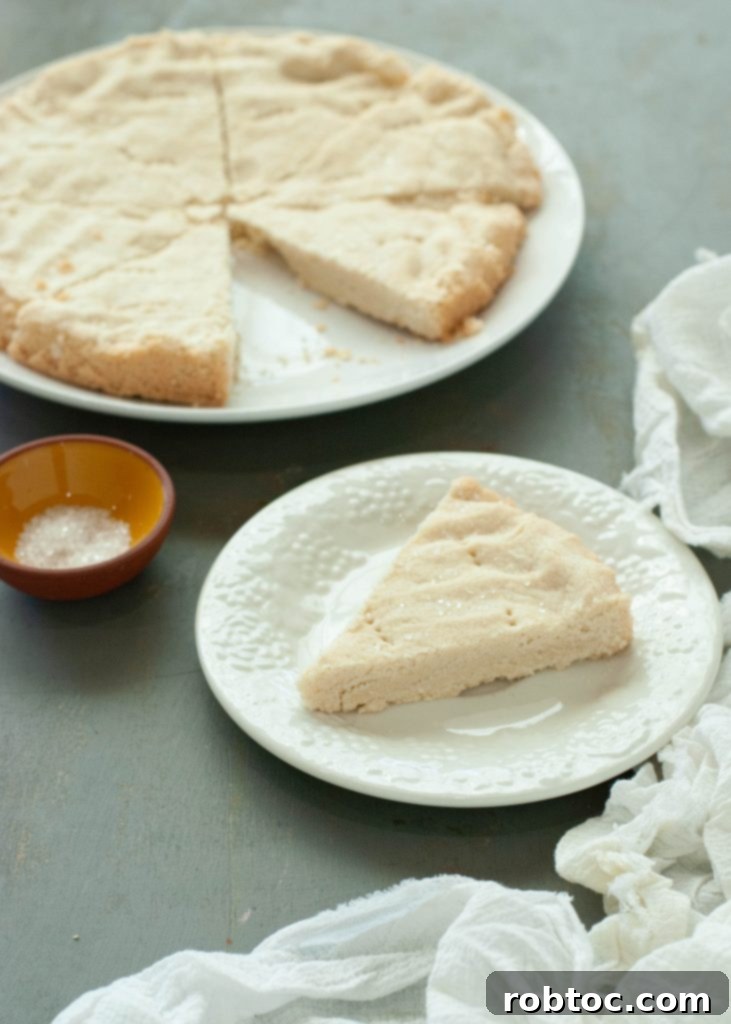
One of the beauties of this particular shortbread recipe is its “no-roll, no-cut” method, which simplifies the process greatly. Instead of using cookie cutters and shaping the dough before baking (which involves more handling and takes extra time), we bake the dough directly in a round cake pan. I personally use a 9-inch round cake pan, which yields perfectly sized wedges that are both substantial and satisfying.
If you only have an 8-inch round pan available, you’ll want to adjust the recipe slightly to prevent the shortbread from becoming overly thick and ensure even baking. Here are the adjusted ingredient quantities for an 8-inch pan:
- 1 cup unsalted butter
- 2/3 cup sugar
- 1 and 1/2 tsp vanilla extract
- 1/2 tsp salt
- 2 cups gluten-free all-purpose flour
- 1/4 cup cornstarch
These adjustments will help the shortbread fit comfortably into the smaller pan, allowing it to bake through properly and achieve the desired texture. While I haven’t personally experimented with a springform pan, I imagine it could also work effectively for this recipe, potentially offering even easier removal of the baked shortbread.
Considering Rolling Your Shortbread Cookies?
When it comes to shortbread, bakers generally fall into two camps: those who prefer the simplicity of baking in a pan and cutting into wedges, and those who enjoy the artistry of pre-cutting and shaping their cookies. While my preferred method emphasizes ease and efficiency, I understand that some may wish to roll and shape their shortbread, perhaps for decorative purposes or a more traditional presentation. The good news is, this versatile gluten-free shortbread recipe can still work beautifully for rolling.
If you choose to roll the dough, I highly recommend doing so on a piece of parchment paper that has been generously dusted with either powdered sugar or additional gluten-free all-purpose flour. This will prevent sticking and make handling the dough much easier. After cutting your shapes, it’s generally advised to refrigerate the raw shortbread cut-outs for at least 30 minutes before baking. Shortbread dough is very rich in butter, and chilling helps to solidify the butter, preventing the cookies from spreading too much in the oven and retaining their defined shapes. While I personally find this an extra step that detracts from the “no-fuss” aspect, you should always choose the method that best suits your baking style and desired outcome!
Keep in mind that when baking individually shaped cookies, the baking time will be significantly shorter compared to a whole disc. You’ll likely need to bake them for about 14-16 minutes, though this can vary depending on the size and thickness of your cookies and the nuances of your oven. It’s crucial to watch them closely, as gluten-free items tend to brown less visibly than their wheat-based counterparts. Look for a light golden edge rather than deep brown.
Alternatively, if you prefer rectangular shortbread bars, you could press the dough into a rectangular 13×9 inch pan (ideally one with sharp corners, avoiding rounded glass Pyrex dishes for cleaner cuts). Bake it as a whole slab, and then cut it into your desired rectangles while it’s still warm. However, be aware that shortbread is known for its “short” (meaning crumbly) and crisp texture, which can make cutting after it’s fully cooled a challenge, as it may break easily. Choose whichever method you find most comfortable and suited to your preferences.
Creative Ways to Jazz Up Your Shortbread Cookies
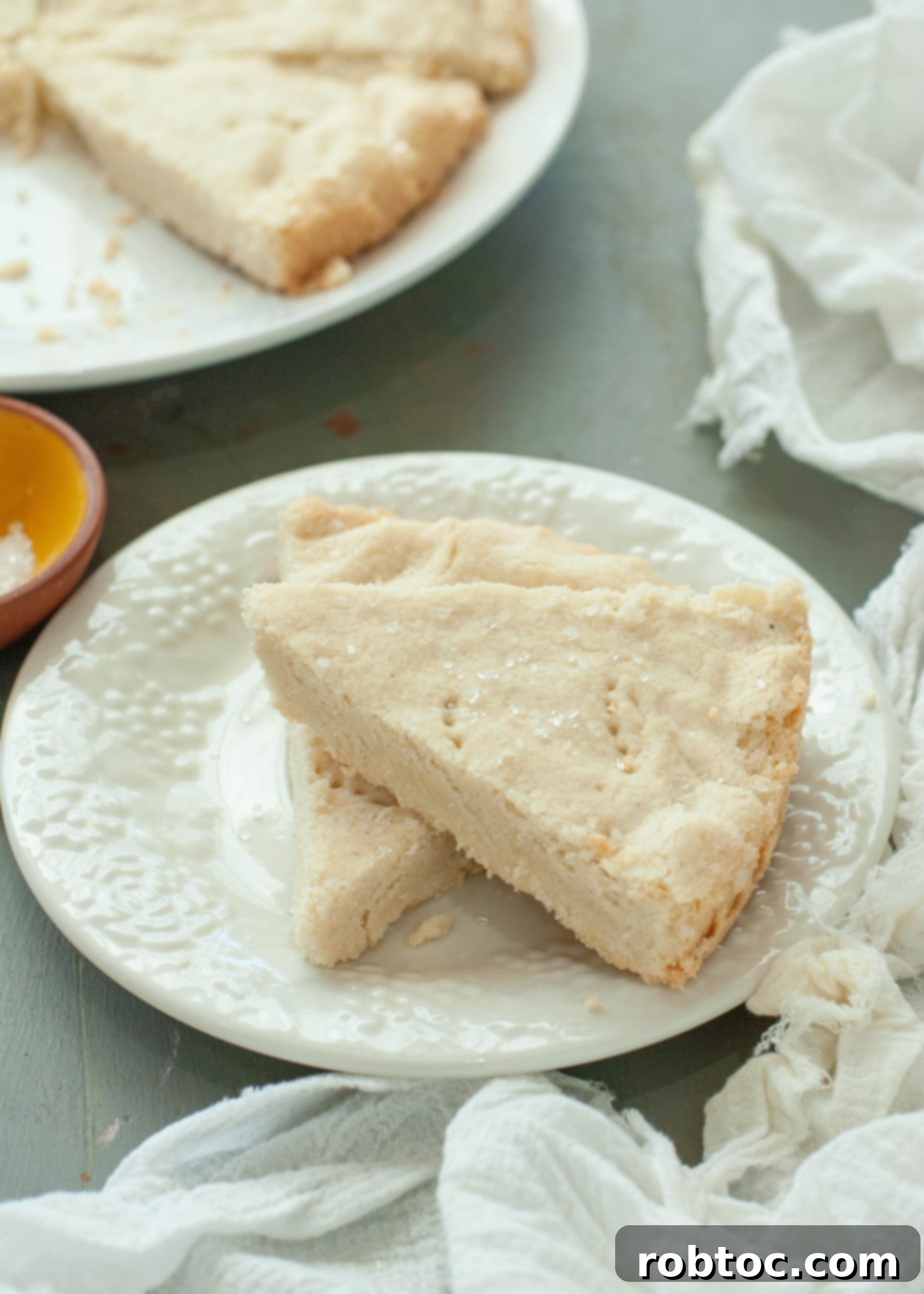
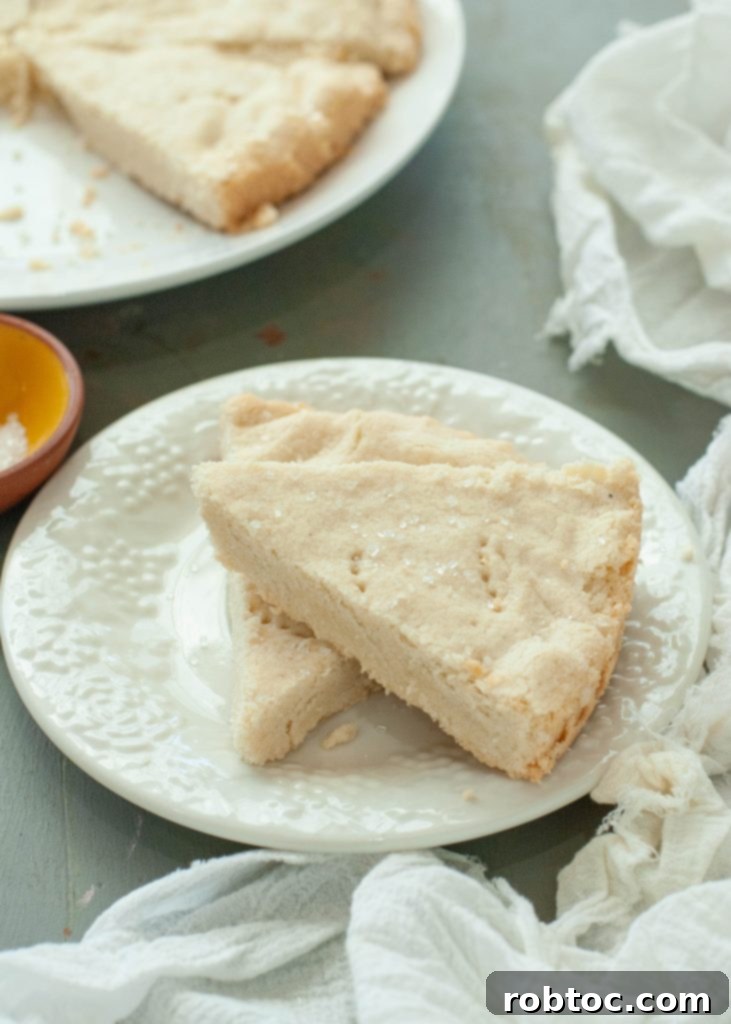
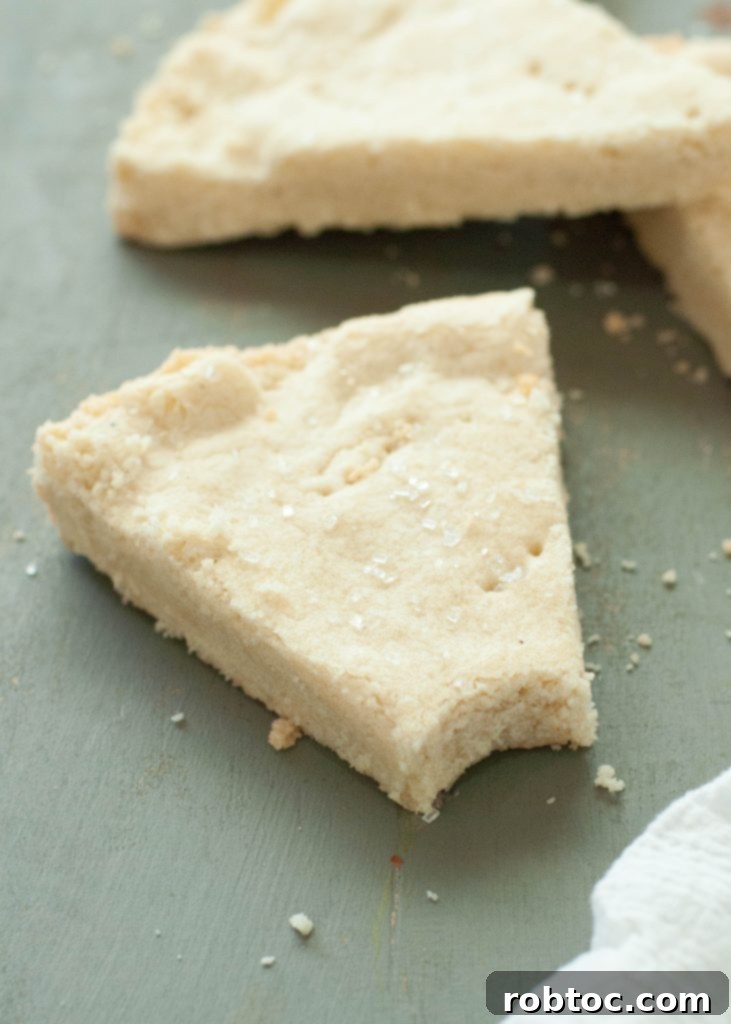
While the simple, classic shortbread is undeniably delicious on its own, there are many delightful ways to enhance its flavor and appearance. Most people expect the pure, buttery taste, but adding a little extra flair can make them even more special. As you can see in some of the accompanying photos, I often like to top my shortbread with a generous sprinkle of coarse-ground sparkling sugar before baking. This not only adds a beautiful shimmer but also provides a lovely textural crunch that complements the tender crumb of the cookie. Another subtle yet effective flavor boost is to incorporate a teaspoon of almond extract into the dough, which imparts a wonderful nutty aroma that pairs beautifully with vanilla and butter.
For those who love chocolate, there are several exciting options. I’ve personally halved my dough and folded chocolate chips into one portion (as shown in the video, though not pictured here), creating a delightful chocolate-studded shortbread. This provides a similar chocolatey experience to dipping, but without the extra step. Speaking of dipping, many people enjoy dipping a corner of their cooled shortbread into melted chocolate for an elegant finish and an extra layer of flavor. If you choose this route, ensure your chocolate is properly tempered or use a good quality melting chocolate to avoid bloom and ensure a smooth, shiny coating that sets well. Allow dipped cookies to dry completely on parchment paper before storing.
Beyond chocolate, don’t hesitate to get creative with other additions! Consider incorporating citrus zest, such as lemon or orange, for a bright, refreshing note. A pinch of ground cardamom or a hint of finely chopped fresh rosemary can introduce unexpected yet sophisticated flavors. For a truly celebratory look, you could also apply a simple icing or frosting once the shortbread has completely cooled, decorating it with sprinkles or edible glitter to match any occasion. The possibilities are endless for customizing this versatile cookie to your taste!
Understanding Shortbread’s Crumbly Texture
One of the defining characteristics of traditional shortbread, and especially this gluten-free version, is its wonderfully “short” or crumbly texture. This unique quality stems from its ingredient profile: a high ratio of butter to flour, and notably, the absence of leavening agents like baking powder or baking soda, as well as eggs. Because there’s no leavener to create lift and no egg to act as a strong binder, the cookie relies primarily on the butter and flour to create its structure. This results in a dense, crisp, and delightfully crumbly biscuit-like consistency.
It’s important to note that shortbread will be *extra* crumbly when it’s still warm from the oven. The butter is still in a melted or very soft state, making the structure quite delicate. For the best results and to allow the shortbread to firm up properly, resist the urge to handle or eat it extensively until it has fully cooled. The only exception is cutting it into wedges while it’s still slightly warm – this helps prevent breakage that can occur once it’s completely rigid. As the shortbread cools, the butter solidifies, causing the cookie to “set” and become much firmer and less prone to crumbling. Patience truly is a virtue when waiting for perfectly textured shortbread!
Is This Shortbread Recipe Allergy-Friendly?
Absolutely! One of the standout features of this shortbread wedge cookie recipe is its exceptional allergy-friendliness. As written, this recipe is meticulously crafted to be free from a wide array of common allergens, offering peace of mind to many families managing dietary restrictions. Specifically, it is free of: wheat, gluten, egg, soy, peanuts, tree nuts, fish, shellfish, and sesame. This means it avoids 8 of the top 9 major food allergens (with the 9th being milk, which we address in the next section).
This comprehensive allergen-free profile makes it an ideal treat for individuals with multiple food sensitivities or allergies, allowing them to enjoy a classic cookie without worry. When preparing for someone with severe allergies, always double-check all ingredient labels to ensure they meet specific dietary needs and practice diligent cross-contamination prevention in your kitchen.
Can I Make These Cookies Dairy-Free Too?
The only dairy ingredient in this recipe is the butter. While I have not personally tested this exact recipe with a dairy-free butter substitute yet, it is high on my list, and I plan to update the recipe as soon as I have confirmed results. My best estimate, based on experience with other dairy-free baking, is that a plant-based butter stick, such as Country Crock Plant Butter with Olive Oil or Miyoko’s Kitchen Cultured Vegan Butter, would be the most suitable substitute. These tend to have a similar fat content and composition to dairy butter, which is crucial for achieving the correct shortbread texture. Dairy-free butter substitutes that come in sticks generally perform better in baking than those in tubs, which often contain more water and less fat. When I test this, I will use the same amount of dairy-free butter as regular butter in the recipe. Stay tuned for an update!
Exploring Other Delicious Gluten-Free Christmas Cookies?
Indeed! Having Celiac disease or a gluten intolerance shouldn’t mean sacrificing the joy of holiday baking. I have a fantastic collection of gluten-free Christmas cookies that will allow you to bake up a delicious storm this season. Don’t limit your festive treats! Be sure to try my gluten-free gingerbread cookies for that classic holiday spice, or my delightful gluten-free sugar cookies, perfect for decorating. If you’re a fan of nutty flavors, my peanut butter cookies are so good they’d make a bomb blossom cookie with the simple addition of a Hershey’s kiss. For a minty twist, consider my white chocolate-dipped peppermint cookies, or embrace a sophisticated flavor combination with my chocolate orange cookies. There’s a gluten-free cookie for every holiday craving!
Watch the Video: How to Make Gluten-Free Shortbread
Yes, absolutely! For a truly successful baking experience, I highly recommend watching the accompanying video that demonstrates each step of making this gluten-free shortbread. In this visual guide, you’ll clearly see the crucial technique of creaming the butter and sugar for several minutes until it’s light and fluffy – a foundational step for perfect shortbread texture. The video also shows the transformation of the dough once the gluten-free flour and cornstarch are added, illustrating how it initially appears dry but eventually comes together into a cohesive, play-doh-like consistency after several minutes of beating. This visual confirmation of dough texture is incredibly helpful for ensuring your shortbread turns out perfectly. The video should auto-populate on this page, but if for any reason it doesn’t, you’ll find it embedded at the bottom of the recipe card, or you can visit my YouTube channel. Don’t forget to subscribe for more allergy-friendly baking tips!
Gluten-free Shortbread (No roll!) + VIDEO
8
10 minutes
27 minutes
10 minutes
47 minutes
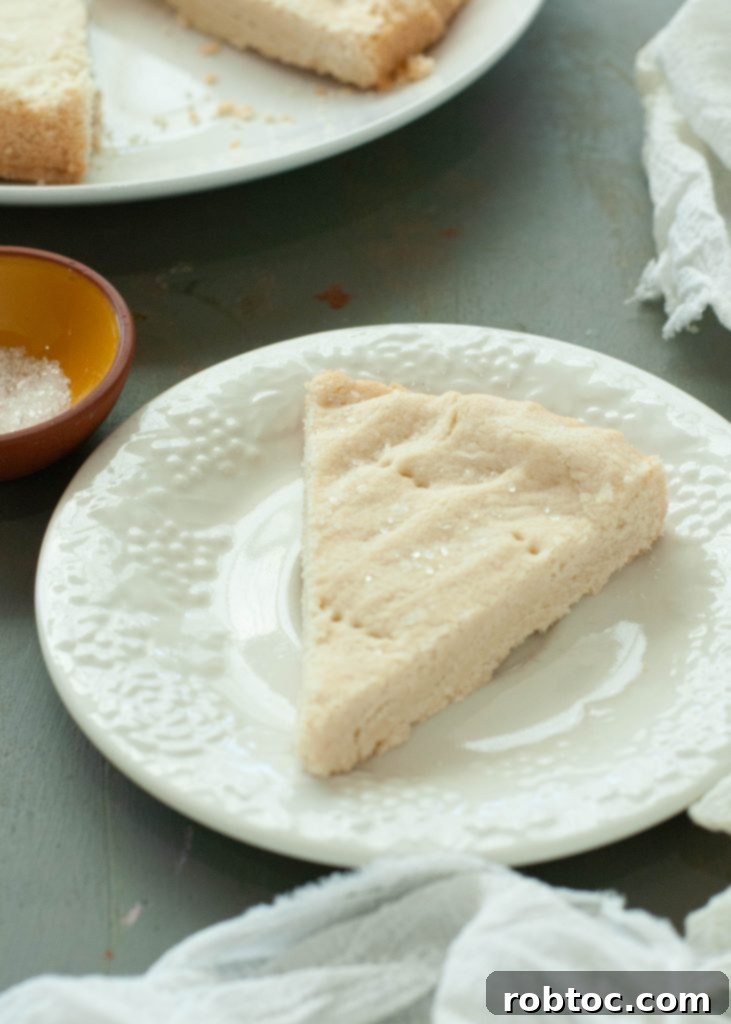
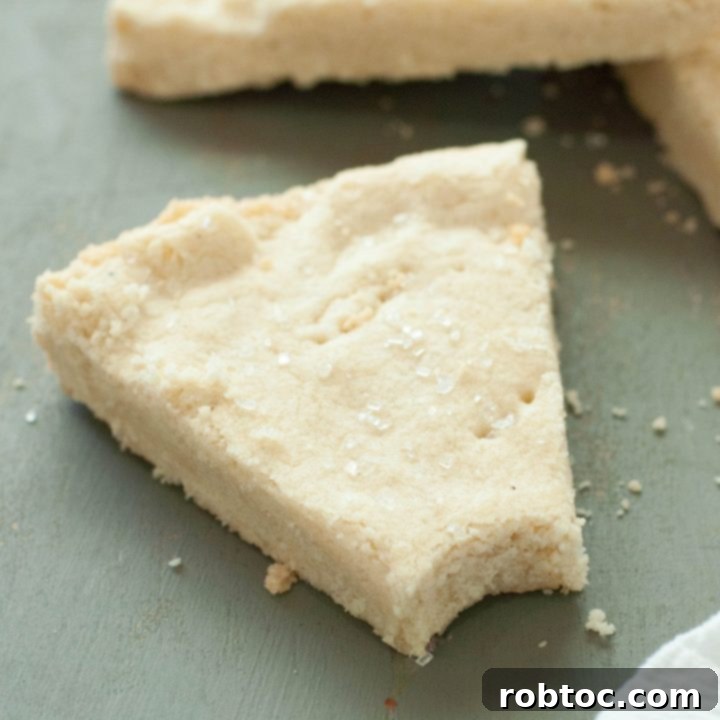
Gluten-free shortbread cookies that are simple yet classic. No rolling or shaping required. Simply press into a pan and cut into wedges for a buttery treat. This shortbread recipe is free of: wheat, gluten, egg, soy, peanuts, tree nuts, fish, shellfish and sesame.
Ingredients
- 1 and 1/2 cups butter, room temperature
- 1 cup sugar
- 2 tsp vanilla extract
- 3/4 tsp table salt
- 3 cups gluten-free all purpose flour
- 1/3 cup cornstarch
- Optional: chocolate chips as a mix-in or sparkling sugar for on top
Instructions
- Preheat oven to 325 degrees F.
- Place parchment paper in the bottom of two 9 inch round cake pans. Make sure the paper comes up the sides, so you can easily lift it out once it’s done. Set aside.
- In the bowl of a stand mixer with the paddle attachment, or in a large mixing bowl, place your room temperature butter (important! should be soft) and your sugar.
- Cream for 2 minutes until everything is incorporated on medium high with either your stand mixer or with electric hand held beaters.
- Add the salt and vanilla. Mix.
- Add the gluten-free flour and cornstarch. Mix for several minutes. At first it will seem too dry, but after several minutes it will come together and look like play doh, totally mixed.
- Divide your dough in half and press into the two cake pans. If you wish to add mix-ins (like chocolate chips) add them before pressing into the pan.
- Press evenly until it’s flat and reaches the edges. If using sparkling sugar, sprinkle it generously on top before baking (highly recommend!).
- Bake for 25-30 minutes, or until just as the edges are turning brown (gluten-free items don’t turn as brown.)
- Take out of the oven and allow to cool in the hot pans for ten minutes.
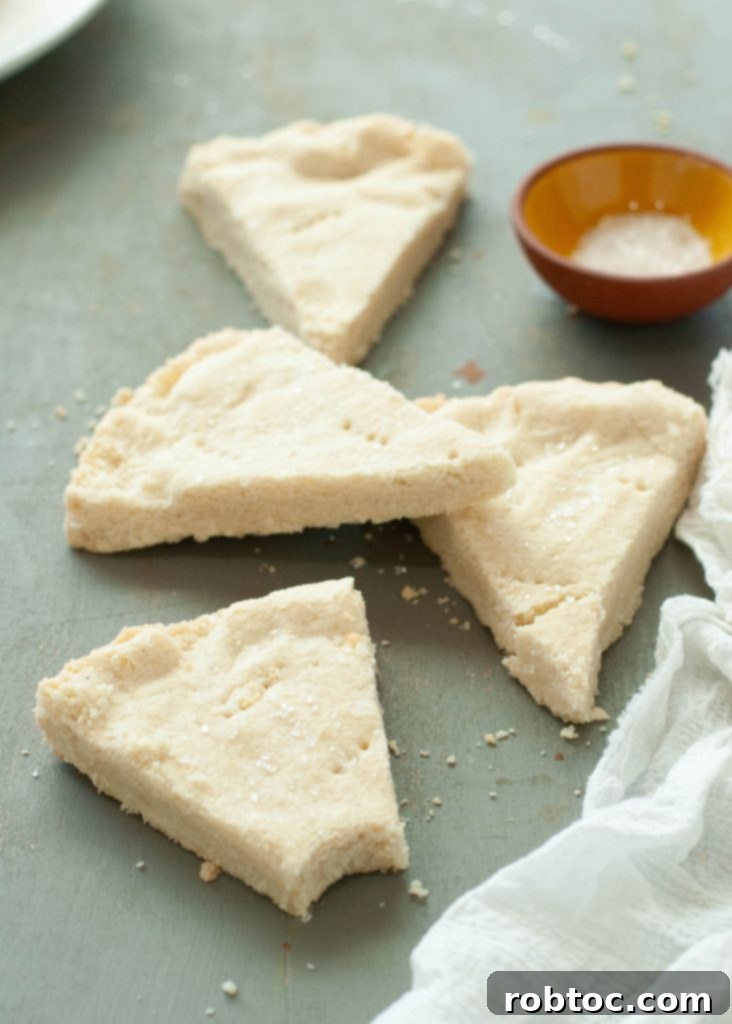
- Then, carefully lift out of the pan and set on a cutting board, cut into 8 or 16 wedges while it’s still warm.
- Wait to eat it until it’s cooled. It will firm up more once cooled. If you try to eat it while it’s warm, it will be too crumbly.
- Storage directions: Keep room temperature, covered for 3 days, or freeze up to 3 months.
Notes
For substitution questions and for best results, please read above the recipe and watch the video attached below.
*Our allergies, while severe and that get re-tested frequently, are such that we can go strictly by what’s on the label. I do not call companies to see what things are derived from, or call manufacturers to see about potential cross contact. If your allergies require you to do so, please do your own homework. I cannot assure you of any ingredient’s safety, only you can do that. I simply share what works for our family
**If you are going to feed this to someone with food allergies, and you yourself do not have food allergies, I HIGHLY recommend having them check every single brand and ingredient you are using, to ensure they’re OK with each part of the recipe. And, to make sure you’ve talked to them about how to avoid cross contamination in your kitchen.
Adapted from Sally’s Baking Addiction Shortbread wedge cookies.
Nutrition Information:
Yield: 8
Serving Size: 1
Amount Per Serving:
Calories: 419Total Fat: 14gSaturated Fat: 8gTrans Fat: 0gUnsaturated Fat: 4gCholesterol: 31mgSodium: 312mgCarbohydrates: 70gFiber: 2gSugar: 29gProtein: 5g
DON’T FORGET TO PIN IT, SO YOU DON’T LOSE IT! BE SURE WHILE YOU’RE THERE TO CHECK OUT MY OTHER GLUTEN-FREE PINS.