Ultimate Gluten-Free Dairy-Free Oatmeal Fudge Bars: Your New Favorite Vegan & Allergy-Friendly Holiday Treat
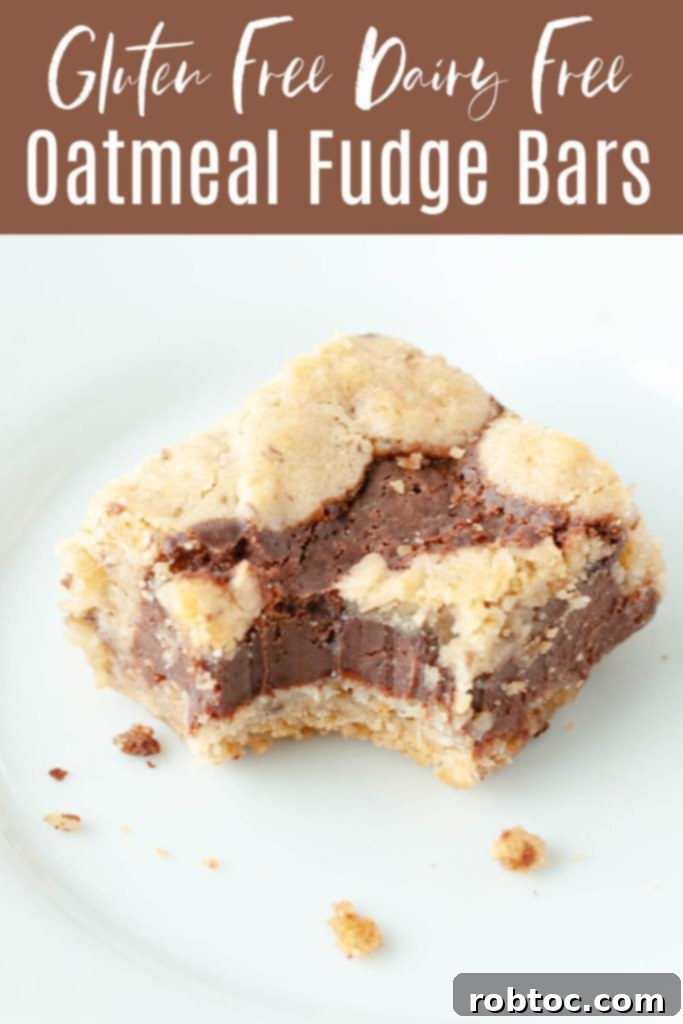
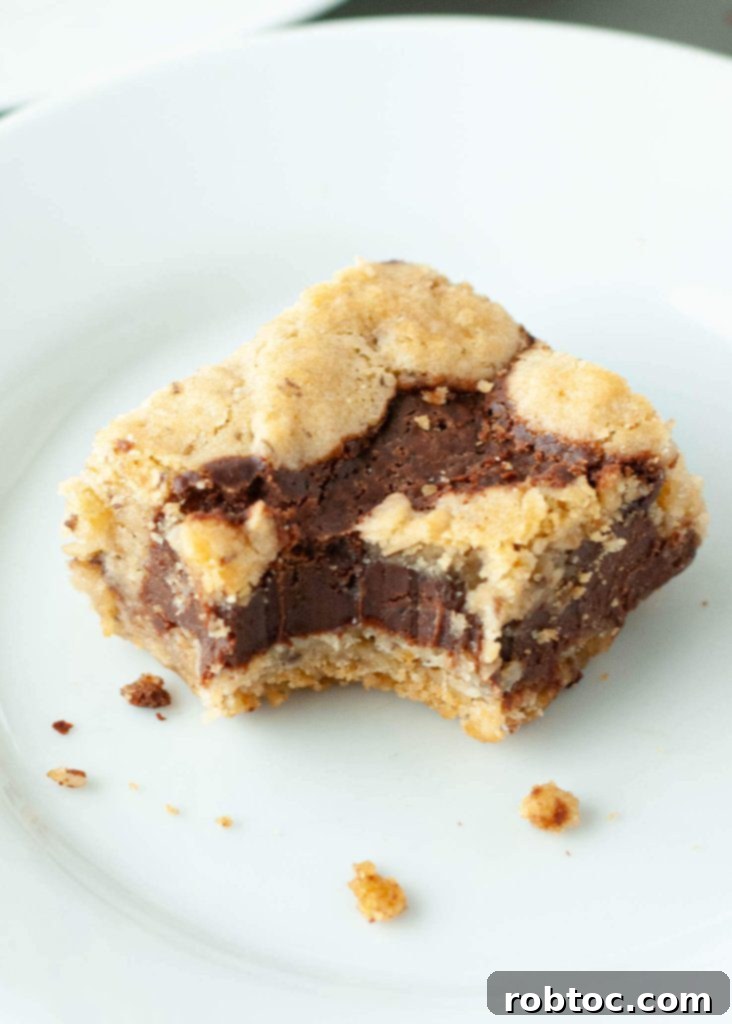
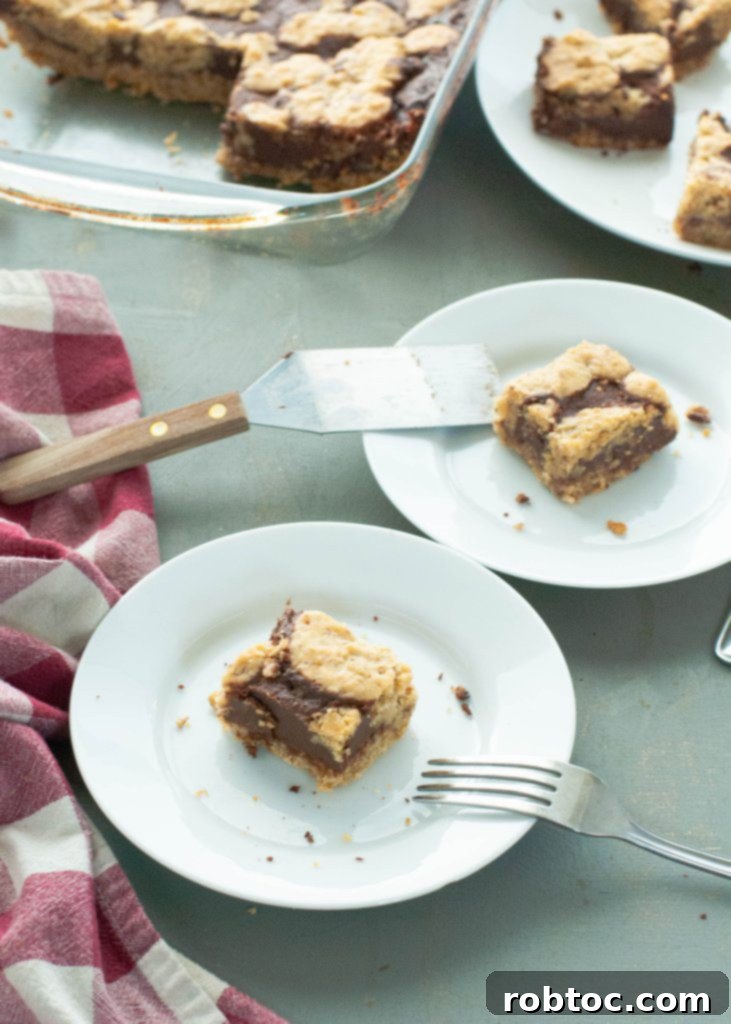
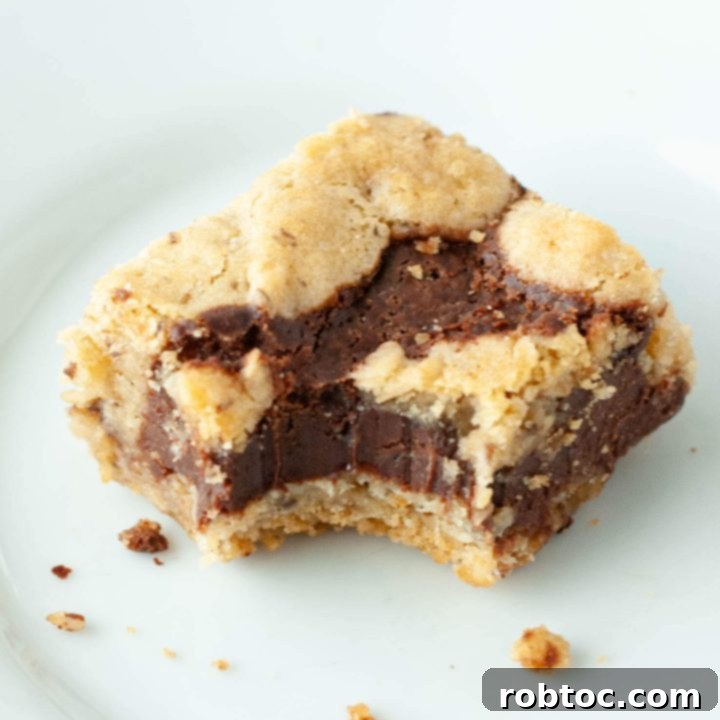
A cherished Christmas tradition from my childhood, I’ve dreamt of transforming these delightful oatmeal bars into a gluten-free and dairy-free version, specifically for my son with multiple food allergies. Imagine thick, chewy oatmeal bars, generously swirled with rich, homemade fudge – it’s a chocolate chip oatmeal cookie taken to an entirely new level. Just like all exceptional holiday food should be, these bars are grander and more satisfying than any everyday dessert. This decadent bar deserves a place on every goodie plate this festive season, and the best part is that now, being completely allergy-friendly, many more people can savor its deliciousness. These gluten-free, dairy-free oatmeal fudge bars are meticulously crafted to be free of wheat, gluten, dairy, egg, soy, peanuts, and tree nuts, making them proudly top-8-free and vegan!
None of these products are sponsored. These links are Amazon affiliate links.
Why These Gluten-Free Vegan Oatmeal Fudge Bars Are a Must-Make
These oatmeal fudge bars hold a special place in my heart, a nostalgic recipe my mom lovingly prepared every Christmas. I adored them as a child, and my affection for them has only deepened over the years. In fact, one year for my birthday, I even bypassed a traditional cake, requesting my husband to bake a batch of these glorious bars instead! Who says such a treat is exclusively for December? They are simply too good to limit to just one season.
For those who, like me, consider a chocolate chip oatmeal cookie the pinnacle of baked goods, these bars offer an irresistible upgrade. Picture that perfect chewy texture and comforting oat flavor, but instead of scattered chocolate chips, imagine a generous, velvety river of homemade fudge flowing through each bite. It’s a truly spectacular combination that elevates the classic to something extraordinary.
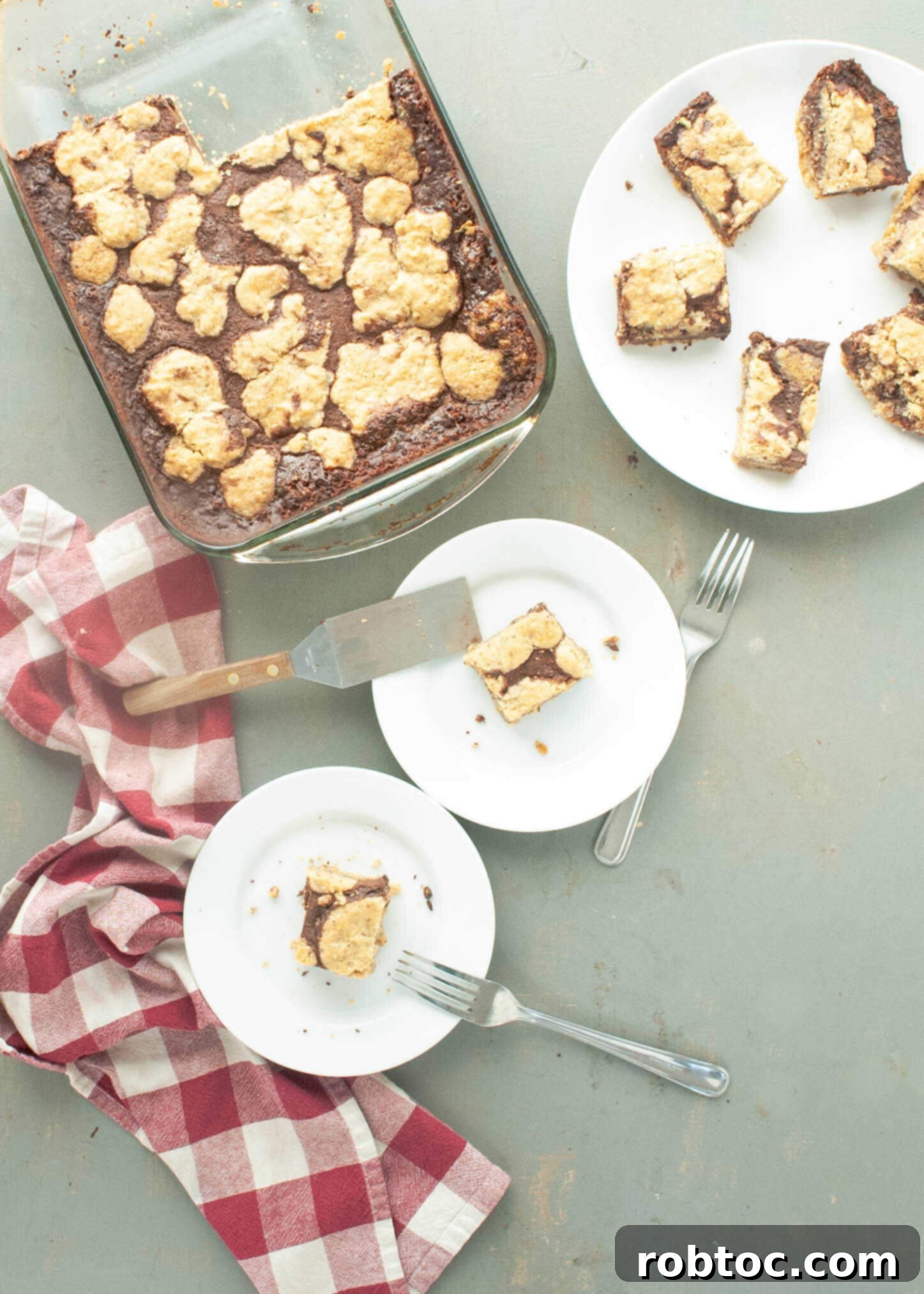
Recreating these bars to be allergy-friendly was a joyful challenge, and I couldn’t be more thrilled with the results. Despite incorporating numerous substitutes, they retain the authentic flavor and texture that I remember. They make a fantastic, unique addition to any holiday cookie platter. While cookies often dominate festive spreads, introducing a rich, chewy bar like this offers delightful variety and often sparks conversation. I initially thought about sharing some of my latest batch, which makes a full 13×9 pan, but my boys devoured them so quickly, I barely had a chance!
Choosing the Best Dairy-Free Chocolate Chips for Your Fudge Bars
When it comes to the crucial chocolate component of these decadent fudge bars, selecting the right dairy-free chocolate chips is key. I personally favor the Kirkland bag of chocolate chips. You’ll recognize them by their tall white bag, distinguishing them from the red flat bag. Please note that these are often seasonal, typically appearing in most locations during the holiday period.
While Kirkland doesn’t explicitly market these chips with a “dairy-free” callout, their ingredient list is simple and clear: “Chocolate liquor, sugar, soy lecithin (an emulsifier), and vanilla.” For our family, whose allergies allow us to rely on strict label reading, these ingredients have proven safe for several years. The main advantage of the Kirkland brand is their bulk availability and cost-effectiveness, making them an economical choice for frequent allergy-friendly baking.
However, if the Kirkland chips are unavailable or if I run out before they reappear for the holidays, there are excellent alternatives. I often turn to trusted brands like Enjoy Life chocolate chips, which are widely recognized for being allergy-friendly, or Nestle’s Simply Delicious Semi-Sweet Morsels, which are also free of many common allergens. Great Value Organic Dark Chocolate Chips are another reliable and accessible option. Always remember to double-check the ingredient labels, as formulations can occasionally change, especially if you have highly sensitive allergies.
The Secret to Perfect Fudge: Dairy-Free Sweetened Condensed Milk
Discovering dairy-free sweetened condensed coconut milk was an absolute revelation for my allergy-friendly baking journey, particularly for recipes like these fudge bars. This ingredient is the unsung hero that allows the fudge layer to achieve that perfect, luscious thickness and irresistibly smooth texture, just like traditional fudge. Without it, replicating the iconic richness of the fudge would be nearly impossible.
For this recipe, you can successfully use either Andre Prost Sweetened Condensed Coconut Milk or Nature’s Charm brand. Although there’s a slight difference in can size (Andre Prost is 11.6 oz, and Nature’s Charm is 11.25 oz), they are generally interchangeable for baking purposes. Both brands consistently deliver excellent results, ensuring your fudge layer is rich, creamy, and holds its form beautifully.
It’s vital to reiterate: it needs to be sweetened condensed coconut milk. Do not substitute it with evaporated milk or regular canned coconut milk. These alternatives lack the sugar content and thickened consistency required to create proper fudge, and your bars simply won’t set correctly. Sweetened condensed coconut milk is becoming more readily available; I’ve personally found it at major retailers like Walmart (even in Idaho!), as well as natural food stores like Natural Grocer and Sprouts, and of course, it’s always an option on Amazon.
If you find yourself with an extra can of sweetened condensed coconut milk, I enthusiastically recommend trying two of my other beloved recipes. You can whip up a batch of my chewy, delightful dairy-free caramels or indulge in my rich, melt-in-your-mouth dairy-free fudge. Both are fantastic ways to utilize this versatile ingredient beyond these amazing oatmeal fudge bars.
Selecting the Right Gluten-Free Flour for Your Fudgy Oatmeal Bars
Achieving the perfect texture in gluten-free baking often comes down to the flour blend. For these delicious fudgy oatmeal bars, I’ve found that an all-purpose gluten-free flour blend works best, providing the ideal balance of structure and tenderness. I’ve had great success with both Great Value Gluten Free Flour, which is Walmart’s readily accessible house brand, and the Divided Sunset Gluten Free Flour.
The key to a good gluten-free blend for this recipe is its composition. Look for a mix that primarily consists of rice flour (often brown or white rice flour), potato starch, and tapioca starch. This combination mimics many of the properties of traditional wheat flour, providing a light yet structured crumb. A small amount of sorghum flour in the mix can also be beneficial, adding a subtle sweetness and enhancing the overall texture without negatively impacting the result.
An important consideration for gluten-free baking is xanthan gum. If your chosen gluten-free flour blend does not already include xanthan gum (many do, but always check the label), it’s crucial to add 1 teaspoon to the recipe. Xanthan gum acts as a binder and thickener, essentially replacing the elasticity and structure that gluten provides. Without it, your bars might be crumbly or lack the desired chewiness. Make sure to whisk it thoroughly with your dry ingredients to prevent clumping and ensure even distribution throughout the dough.
Navigating Gluten-Free Oats for Safe Baking
Oats can sometimes be a contentious ingredient in gluten-free baking due to concerns about cross-contamination. While oats are naturally gluten-free, they are often processed in facilities that also handle wheat, barley, or rye, leading to potential exposure to gluten. For individuals with celiac disease or severe gluten sensitivities, this cross-contamination is a significant concern.
However, for our family, we have found that certified gluten-free oats are perfectly safe to use, and we do not experience any issues. The “certified gluten-free” label indicates that the oats have been grown, harvested, and processed in a way that prevents cross-contact with gluten-containing grains, and they are tested to ensure they meet strict gluten-free standards (typically less than 20 parts per million of gluten). This assurance allows me to use them with confidence in recipes like these oatmeal fudge bars, much like I trust them in my black bottom oatmeal pie recipe.
I primarily use Bob’s Red Mill Gluten Free Old Fashioned Rolled Oats, mainly because of their consistent quality and easy availability at my local Walmart. It’s crucial to use old-fashioned rolled oats for this recipe, not quick-cooking or instant oats. Old-fashioned oats provide the substantial, chewy texture that is characteristic of these bars, while quick oats would break down too much, resulting in a mushier consistency. Always read the label carefully to ensure you’re getting the correct type of oats for the best baking results.
Choosing the Best Dairy-Free Butter for Your Oatmeal Fudge Bars
The choice of dairy-free butter substitute plays a significant role in both the flavor and texture of these oatmeal fudge bars. My go-to option is the Crisco shortening sticks, butter flavored. These sticks are incredibly reliable for baking, providing a consistent fat content and a pleasant buttery taste without any dairy. They contribute to the dense, chewy texture we’re aiming for in the oatmeal layers.
Alternatively, a dairy-free buttery stick brand like Earth Balance is another excellent choice. Earth Balance offers various formulations, including sticks designed specifically for baking. They tend to have a slightly softer consistency than shortening but perform very well in recipes like this, lending a rich, buttery flavor and contributing to a tender crumb.
For those navigating a soy allergy in addition to dairy, Earth Balance also produces buttery sticks that are completely soy-free. Opting for this soy-free version of Earth Balance ensures that these delectable oatmeal fudge bars remain top-8-free, making them safe for an even wider range of dietary needs. Always check the labels to confirm the specific formulation meets your allergy requirements, as product lines can vary.
What Milk Substitute Works Best for These Fudge Bars?
When it comes to the liquid component in the oatmeal bars, selecting a suitable milk substitute is important. I consistently use rice milk in nearly all my allergy-friendly baking. My preference stems from its incredibly neutral flavor profile; unlike some other milk alternatives, rice milk doesn’t impart any noticeable aftertaste or specific flavor to the baked goods, allowing the other ingredients to truly shine.
However, I’m quite confident that most other milk substitutes would also work effectively in this recipe. Oat milk, for instance, would likely be a fantastic choice due to its creamy texture and mild, slightly sweet flavor that would complement the oats and fudge beautifully. Almond milk or soy milk (if not avoiding soy) could also be used, though they might introduce a subtle nutty or beany note, respectively. When choosing, consider the flavor impact on the final product and opt for an unsweetened variety to control the overall sweetness of the bars. The main goal is to provide the necessary liquid for the dough’s consistency, and most plant-based milks will fulfill this role adequately.
The Best Egg Substitute for Your Vegan Oatmeal Fudge Bars
For these vegan oatmeal fudge bars, a reliable egg substitute is essential for binding the ingredients and providing the right texture. My preferred choice for moist baked goods like these is a flax egg. Flax eggs are simple to make and work wonders as a binder, adding moisture and a slight chewiness without any actual egg. To make two flax eggs, you’ll simply combine 2 tablespoons of ground flax seed with 5 tablespoons of warm water and let it sit for about 5-10 minutes until it forms a gel-like consistency.
However, if your dietary needs do not require an egg substitute and you’re only focused on the gluten and dairy-free aspects, you can easily use two regular large eggs in place of the flax eggs. The recipe is quite adaptable in this regard. While I haven’t personally tested this recipe with other types of egg substitutes (such as applesauce, mashed banana, or commercial egg replacers), if you do experiment with them, please consider leaving a comment below. Your feedback would be incredibly helpful for future readers looking for alternative options.
Baking Tips for Perfect Gluten-Free & Dairy-Free Oatmeal Fudge Bars
Creating these allergy-friendly bars is straightforward, but a few tips can help ensure your success. When mixing the oatmeal bar dough, ensure your dairy-free butter and brown sugar are thoroughly creamed. This step incorporates air, leading to a lighter, more tender base. After pressing three-quarters of the dough into your greased 13×9 pan, try to make the layer as even as possible. This promotes uniform baking and ensures each bite has a consistent texture.
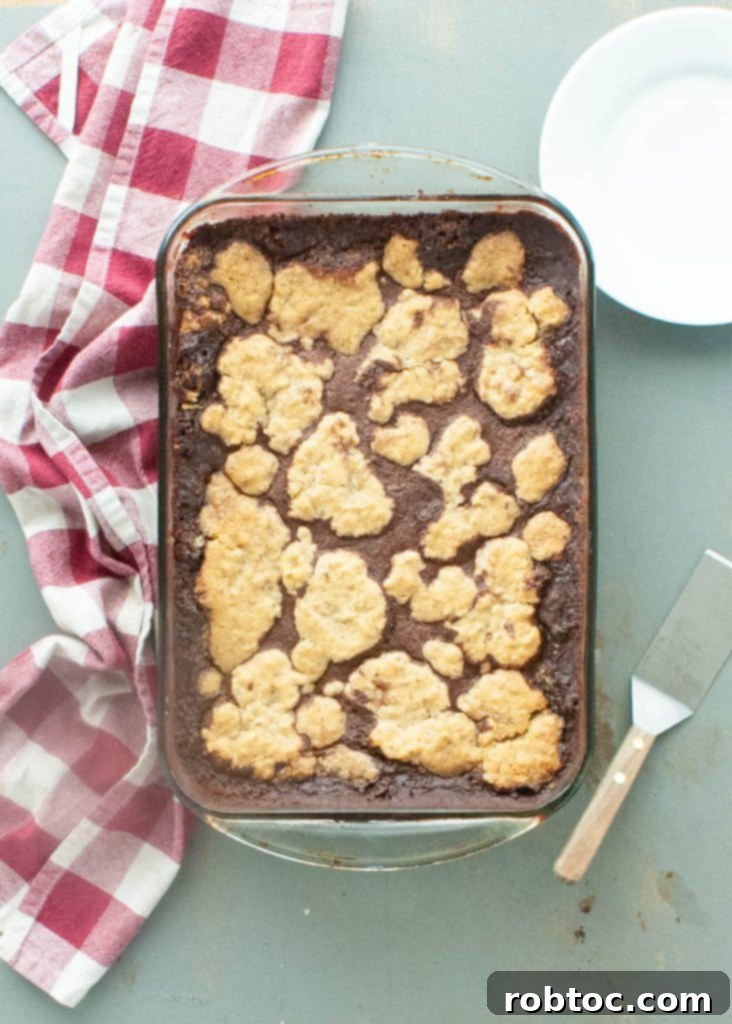
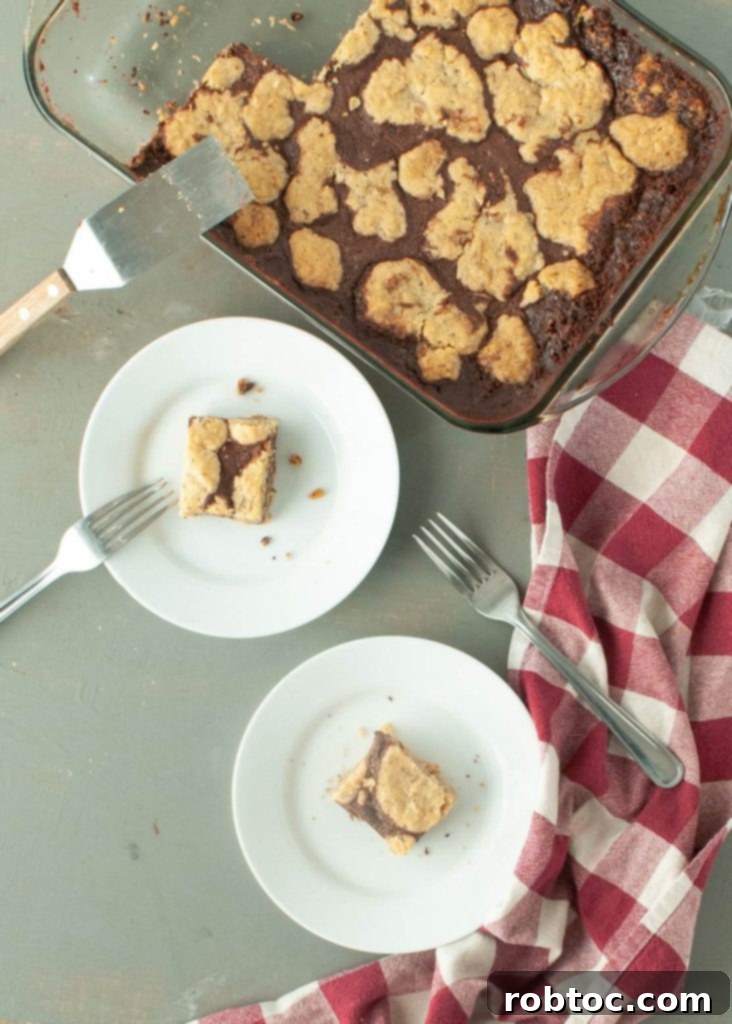
For the fudge layer, continuous stirring over medium-low heat is key. This prevents the chocolate from scorching and helps the sweetened condensed coconut milk and dairy-free butter melt into a smooth, luxurious sauce. Once the fudge is poured over the base, carefully dollop the remaining oatmeal dough on top. Gently flatten these dollops as much as possible; avoiding tall mounds will help them bake through evenly with the rest of the bar, preventing raw spots or over-browned edges.
Patience is a virtue after baking! The chocolate fudge layer will still be quite bubbly and liquid-like when the bars come out of the oven. They absolutely need to cool completely, preferably for a couple of hours or even longer at room temperature, for the fudge to set properly. Rushing this step will result in messy, unformed bars. Once fully cooled, they will firm up perfectly for easy cutting and serving. Store any leftovers tightly covered at room temperature for 3-4 days to maintain their freshness and chewiness.
More Gluten-Free & Dairy-Free Christmas Treats for Your Holiday Table
Due to my son’s severe milk allergy, you can rest assured that absolutely EVERYTHING featured on my site is completely dairy-free. This commitment extends to all recipes, ensuring that families navigating similar dietary restrictions can find delicious and safe options.
In fact, his allergies also include eggs, which means that all of my baking recipes are technically vegan too. This dual focus ensures that these treats are not only free from common allergens but also suitable for a plant-based lifestyle, expanding their reach to even more families and dietary preferences.
Furthermore, my son also contends with a wheat allergy, so every recipe shared here is crafted to be gluten-free. For those who do not require gluten-free options, most of my baking recipes are adaptable: you can typically swap in regular all-purpose wheat flour on a 1:1 basis and simply omit any added xanthan gum. It’s a straightforward adjustment that makes these recipes incredibly versatile!
It’s incredibly challenging to choose just one favorite from my holiday collection, so I’ve compiled a comprehensive list of our most beloved dairy-free, gluten-free, and vegan Christmas bakes. These treats are perfect for festive gatherings, gift-giving, or simply enjoying with your family during the most wonderful time of the year:
- Reindeer Rice Krispies: A fun, whimsical treat perfect for kids and adults alike.
- Eggnog Cupcakes with Eggnog Frosting: Capture the essence of holiday cheer in a delightful cupcake.
- Cherry Chocolate Thumbprint Cookies: A festive combination of sweet cherry and rich chocolate.
- Maple Cookies with Maple Glaze: Sweet, earthy, and perfectly spiced for the season.
- Soft, Roll-Out Sugar Cookies: The quintessential holiday cookie, perfect for decorating.
- Chocolate Orange Cookies: A classic flavor pairing that tastes like Christmas.
- Rice Krispie Christmas Trees: Another charming and easy treat for the little ones.
- No-Bake Chocolate Pretzel Bites: Quick, salty-sweet, and utterly addictive.
- Chocolate Peppermint Crinkle Cookies: A festive favorite with a cool minty kick.
- Dairy-Free Fudge: Creamy, rich, and perfect for homemade gifts.
- Dairy-Free Peppermint Patties: A refreshing and nostalgic candy.
- Homemade Oreos: A childhood classic, reimagined for allergy-friendly enjoyment.
- Christmas Rice Krispie Roll: A fun, customizable holiday centerpiece.
- White Chocolate Dipped Peppermint Cookies: Elegant and bursting with festive flavor.
- Easy, Chewy Dairy-Free Caramels: Simple to make and wonderfully satisfying.
- Peppermint Pie: A light, refreshing, and creamy dessert.
Watch How to Make These Amazing Gluten-Free Vegan Oatmeal Fudge Bars!
To provide you with the most comprehensive guide, I’ve also created a step-by-step video demonstration. I prefer sharing these on TikTok because of their concise and engaging format, perfect for quickly grasping the entire process. Watching this video will give you an excellent visual overview of just how easy and enjoyable it is to prepare these gluten-free, vegan oatmeal fudge bars from scratch. It’s a great way to boost your confidence before you even start mixing!
@allergyawesomenessGluten free vegan oatmeal fudge bars. Thick chewy oatmeal bars with a river of fudge running through it! Perfect for goodie plates. ##glutenfreeveganbaking ##glutenfreedairyfreedessert ##glutenfreechristmas ##veganchristmas♬ original sound – Megan Lavin
Gluten Free Dairy Free Oatmeal Fudge Bars
15
15 minutes
30 minutes
2 hours
15 minutes
Thick chewy oatmeal bars with swirls of thick, homemade fudge running through it. It’s like a chocolate chip oatmeal cookie on steroids–like all holiday food should be. It’s gluten free and dairy free too (even vegan!).
Ingredients
OATMEAL BARS:
- 1 cup dairy free butter (see post for options)
- 2 cups brown sugar
- 2 tsp vanilla
- 1/3 cup rice milk
- 2 flax eggs (2 Tablespoons ground flax seed + 5 Tablespoons warm water)
- 1 tsp baking soda
- 1 tsp salt
- 2 and 1/2 cups gluten free flour (see post for options)
- 2 and 1/2 cups gluten free old fashioned rolled oats
FUDGE LAYER:
- 1 can (11.6 oz) sweetened condensed coconut milk (see post for options)
- 1/3 cup dairy-free butter
- 2 cups dairy-free chocolate chips
- 1 tsp vanilla
Instructions
Preheat your oven to 350 degrees F.
In a large mixing bowl (or stand mixer with the paddle attachment) add your dairy-free butter and brown sugar. Cream.
Add the rest of the wet ingredients: vanilla, flax eggs and rice milk. Mix.
Add your dry ingredients: baking soda, salt and gluten free flour and oats. Blend.
Grease a 13×9 pan and scoop in 3/4 of this mixture. Press flat. Set the remaining dough aside.
Next, place a medium saucepan over medium-low heat. Add in the sweetened condensed coconut milk, dairy-free butter and chocolate chips. Stir continuously until melted. Take off the heat and stir in the vanilla.
Pour the fudge sauce over the 13×9 pan.
Carefully scoop the remaining 1/4 of the oatmeal dough onto the fudge layer. Flatten the dough on top of the fudge as much as you can, to ensure more even baking (you don’t want tall mounds of dough.)
Bake for 25-30 minutes, or until the top is browned and it is cooked through.
The chocolate sauce will still be bubbly and liquid-y. The bars will set up once they have cooled.
Once cooled, you can cut, serve and most importantly: enjoy! Keep leftovers at room temperature, tightly covered. Will keep 3-4 days.
Notes
Recipe from my dear mother. I’m not sure where she got the recipe. Probably heaven.
For substitution ideas, read my entire post.
Check out my other Christmas treats.
*Our allergies, while severe and that get re-tested yearly, are such that we can go strictly by what’s on the label. I do not call companies to see what things are derived from, or call manufacturers to see about potential cross contact. If your allergies require you to do so, please do your own homework. I cannot assure you of any ingredient’s safety, only you can do that. I simply share what works for our family
**If you are going to feed this to someone with food allergies, and you yourself do not have food allergies, I HIGHLY recommend having them check every single brand and ingredient you are using, to ensure they’re OK with each part of the recipe. And, to make sure you’ve talked to them about how to avoid cross contamination in your kitchen.
Nutrition Information:
Yield: 15
Serving Size: 1
Amount Per Serving:
Calories: 446Total Fat: 28gSaturated Fat: 18gTrans Fat: 1gUnsaturated Fat: 9gCholesterol: 56mgSodium: 387mgCarbohydrates: 50gFiber: 3gSugar: 37gProtein: 4g
Important Allergy Safety Information
*Our family’s allergies, while significant and re-tested annually, allow us to adhere strictly to product labels. This means I do not typically contact companies to inquire about ingredient derivations or potential cross-contact during manufacturing. If your specific allergies or sensitivities require a more stringent approach, such as calling manufacturers for detailed information, please ensure you conduct your own thorough research. I cannot personally guarantee the safety of any specific ingredient for every individual; that responsibility ultimately rests with you to verify. I share ingredients and methods that have proven safe for our family.
**Furthermore, if you are preparing these bars for someone with food allergies, and you yourself do not have allergies, I cannot emphasize enough how important it is to discuss with them every single brand and ingredient you plan to use. This ensures they are comfortable and safe with each component of the recipe. Additionally, it is crucial to have a conversation about implementing proper cross-contamination prevention measures in your kitchen to safeguard their health.
DON’T FORGET TO PIN THIS RECIPE, SO YOU DON’T LOSE IT! BE SURE WHILE YOU’RE THERE TO CHECK OUT MY OTHER ALLERGY-FRIENDLY PINTEREST BOARDS.