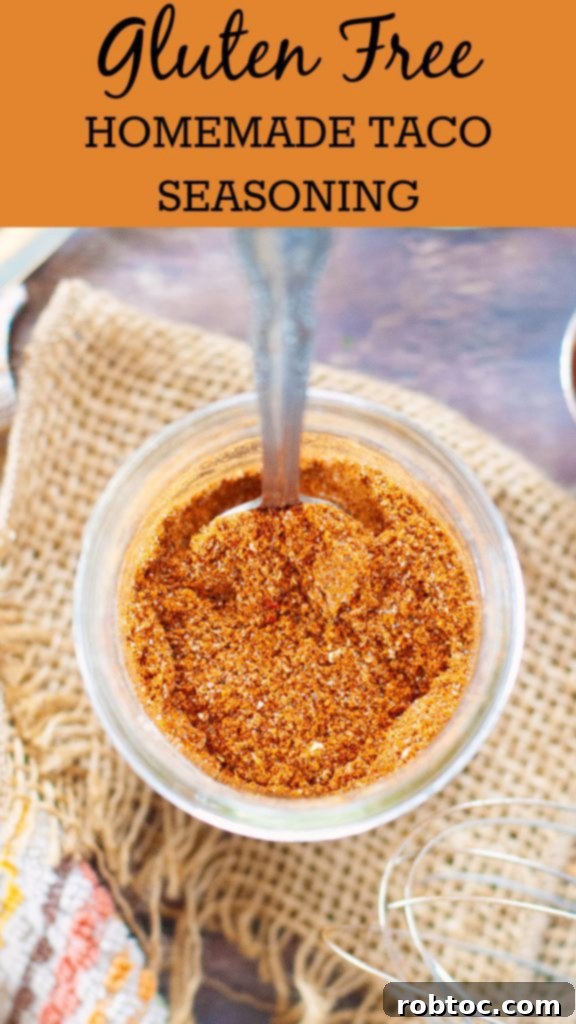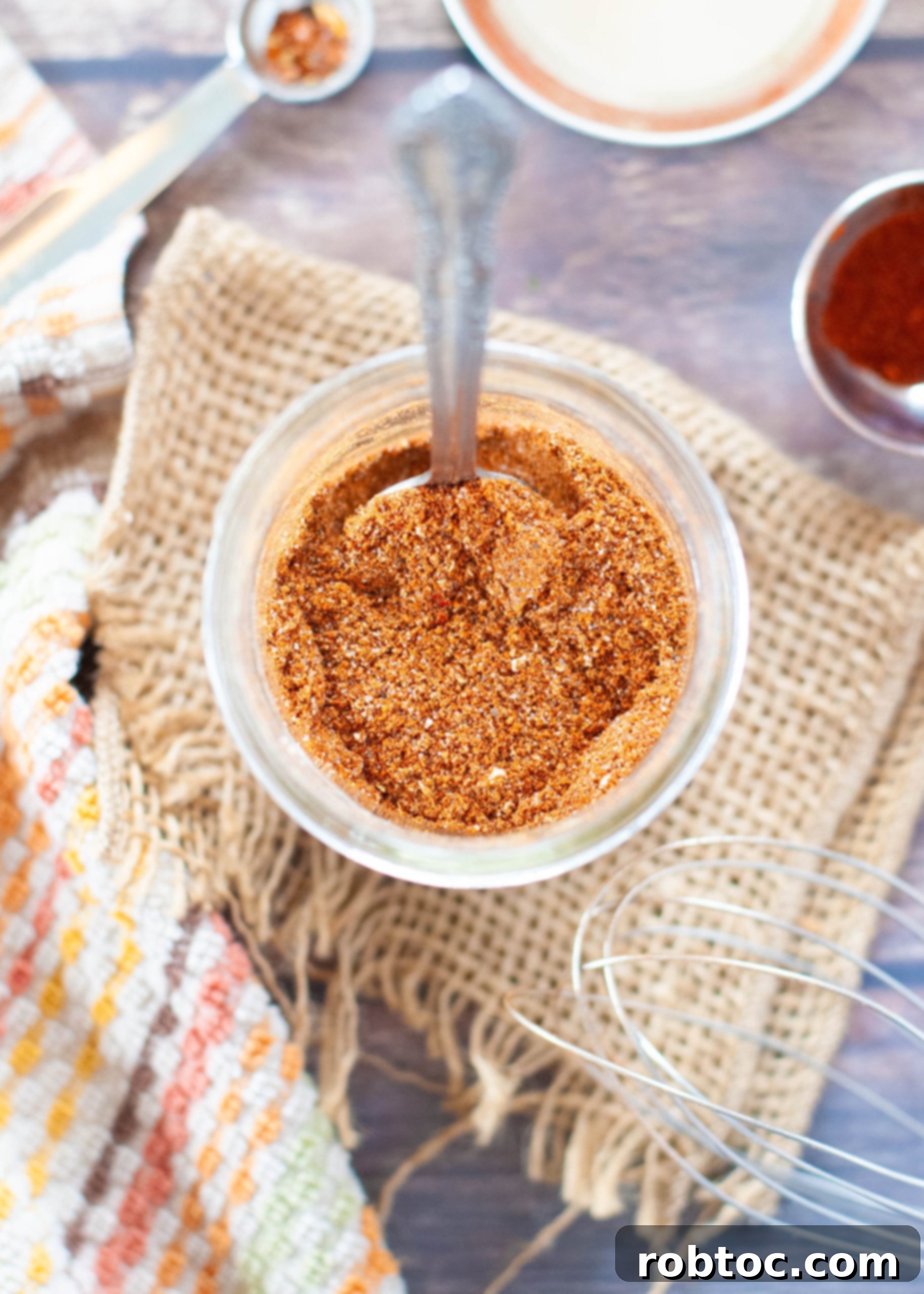
Homemade Gluten-Free Taco Seasoning: Flavorful, Allergy-Friendly & Wholesome
Are you ready to elevate your taco nights with a seasoning blend that’s not only bursting with authentic flavor but also completely free from hidden allergens and unnecessary additives? You might wonder why a dedicated recipe for gluten-free taco seasoning is essential, but as you’ll discover, many commercial brands contain ingredients like wheat, corn starch, and even milk – elements that are far from ideal for those with specific dietary needs or anyone seeking a cleaner, more natural meal. This homemade blend utilizes simple pantry staples to deliver that classic Southwestern taste you crave, without the unwelcome surprises. It’s a game-changer for individuals managing celiac disease, gluten sensitivities, corn allergies, or those following grain-free diets like Paleo or Keto. Say goodbye to preservatives and artificial fillers, and hello to a vibrant, wholesome spice mix crafted right in your own kitchen.
This post contains affiliate links, meaning if you make a purchase through them, I may earn a small commission at no extra cost to you.
Why Opt for a Homemade Gluten-Free Taco Seasoning Mix?
Taco Tuesday has transcended a mere meal into a cultural phenomenon across America, with fervent enthusiasts proudly displaying their love for tacos on everything from apparel to social media memes. Tacos stand as a remarkably unpolarizing food, capable of delighting a wide array of palates. Given their widespread appeal, mastering the art of seasoning tacos (or related dishes like taco soup or Frito taco salad) has become increasingly important for home cooks. In our perpetual quest for convenience, numerous brands have introduced single-serving taco seasoning packets, promising effortless flavor for your meat mixtures.
However, this convenience often comes at a cost. Commercial companies, aiming for extended shelf life and mass appeal, frequently incorporate starches, anti-caking agents, and preservatives into these packets. Many of these ingredients are entirely unnecessary and can easily be avoided by preparing your seasoning from scratch using ingredients already in your pantry. A significant concern, particularly for those with dietary restrictions, is the presence of wheat in some mainstream seasoning blends. This poses a serious problem for individuals with wheat allergies, Celiac Disease (Coeliac disease), or other gluten sensitivities. It’s a common misconception that Mexican cuisine is inherently gluten-friendly due to the prevalence of corn tortillas, but as these seasoning packets demonstrate, you can never assume a product is safe without thoroughly checking the label, even for something as seemingly innocuous as a spice mix.
Furthermore, many store-bought options also contain corn starch or corn flour, which are problematic for those with corn allergies or individuals adhering to grain-free diets such as Paleo or Keto. During my research, one particularly unusual ingredient I discovered was green tea extract, found in Ortega’s taco seasoning. The simplest and most foolproof way to ensure your taco seasoning is genuinely gluten-free, free of unwanted fillers, and safe for your specific dietary needs is to mix it yourself. This homemade approach grants you complete control over every ingredient, guaranteeing peace of mind with every delicious bite.
Unmasking the Extra Ingredients in Store-Bought Taco Seasoning
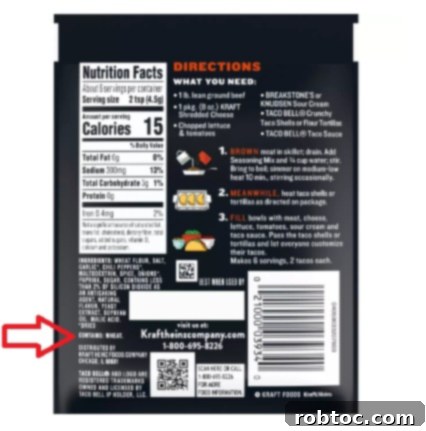
In an effort to uncover what exactly goes into popular taco seasoning packets, I meticulously examined the ingredient lists of several leading brands. My focus was on identifying anything beyond the actual, pure spices themselves, allowing you to make an informed decision about the additives you might be consuming. What truly surprised me during this investigation was the recurring appearance of milk-derived ingredients in several taco seasoning packets – an unexpected component for a savory spice blend!
Here’s a breakdown of some common extra ingredients found in top-selling taco seasoning brands:
- Kroger’s: Maltodextrin, corn starch, disodium inosinate and disodium guanylate (flavor enhancers), and less than 2% silicon dioxide (anti-caking agent).
- McCormick Original Taco: Primarily corn starch, used as a filler and thickener.
- Happy Belly Taco Seasoning Mix: Contains Maltodextrin, Cornstarch, Yeast Extract (for umami flavor), Silicon Dioxide, Disodium Guanylate, and Disodium Inosinate.
- Signature Selects (Albertson’s brand): Features potato starch and citric acid.
- Old El Paso: Includes Corn Starch, Maltodextrin, Vegetable Oil (High Oleic Canola and/or Soybean Oil), and Silicon Dioxide, along with Modified Corn Starch.
- Taco Bell Original Seasoning: Notably contains Wheat Flour, Maltodextrin, Silicon Dioxide, Yeast Extract, Soybean Oil, and Malic Acid. The wheat flour is a major red flag for gluten-free diets.
- Lawry’s Taco Spice and Seasoning: Lists Lactose (Milk), Enriched Wheat Flour, and Cocoa Powder Processed with Alkali, plus Citric Acid. The presence of both milk and wheat makes this unsuitable for many.
- Ortega Taco Seasoning: Contains Yellow Corn Flour, Maltodextrin, Modified Corn Starch, Citric Acid, Yeast Extract, the peculiar Green Tea Extract, and Silicon Dioxide.
- Great Value Taco Seasoning: Features Whey (milk), potato starch, and citric acid.
As this list clearly illustrates, many commercial taco seasonings are far from simple spice blends. They often include a cocktail of starches (corn, potato, wheat), sugars (maltodextrin), flavor enhancers, anti-caking agents, and even dairy products. By making your own homemade gluten-free taco seasoning, you bypass all these unnecessary additives, ensuring a cleaner, purer flavor profile and adherence to your specific dietary needs.
Identifying Gluten-Free Taco Seasoning Options on Store Shelves
I understand that shortcuts are sometimes essential in our busy lives, especially for those managing food allergies or specific dietary conditions. Living with dietary restrictions often means a greater burden of cooking from scratch, making every moment saved precious. Whether it’s due to time constraints, not feeling well, or limited takeout options, sometimes you just need less measuring and more convenience. That said, I firmly believe that when circumstances allow, preparing homemade mixes in advance is a worthwhile endeavor. The few extra minutes it takes to measure out your own spices add minimal time to your cooking process, often just a minute or two!
However, when a manufactured taco seasoning is a necessity, diligent label reading is paramount to ensure it aligns with your diet and specific health requirements. For individuals with celiac disease (also known as Coeliac disease, celiac sprue, non-tropical sprue, or gluten-sensitive enteropathy), simply not seeing a gluten-containing grain on the label isn’t always enough to inspire confidence. Many prefer to seek products bearing the “certified gluten-free” icon, a trusted symbol indicating that the product has met stringent standards for gluten absence.
Based on my research, here are some store-bought packets that specifically carry a gluten-free claim and are widely available:
- McCormick Gluten Free Taco Seasoning: A well-known brand offering a reliably gluten-free option for convenience.
- Pioneer Gluten Free Taco Seasoning: Another solid choice for those needing a certified gluten-free alternative.
- Siete Taco Seasoning: A popular brand known for its commitment to grain-free and clean ingredients, often favored by those on Paleo or Keto diets.
While these options provide a convenient alternative, always remember that nothing beats the control and purity of a homemade blend. The peace of mind that comes from knowing exactly what goes into your food is invaluable.
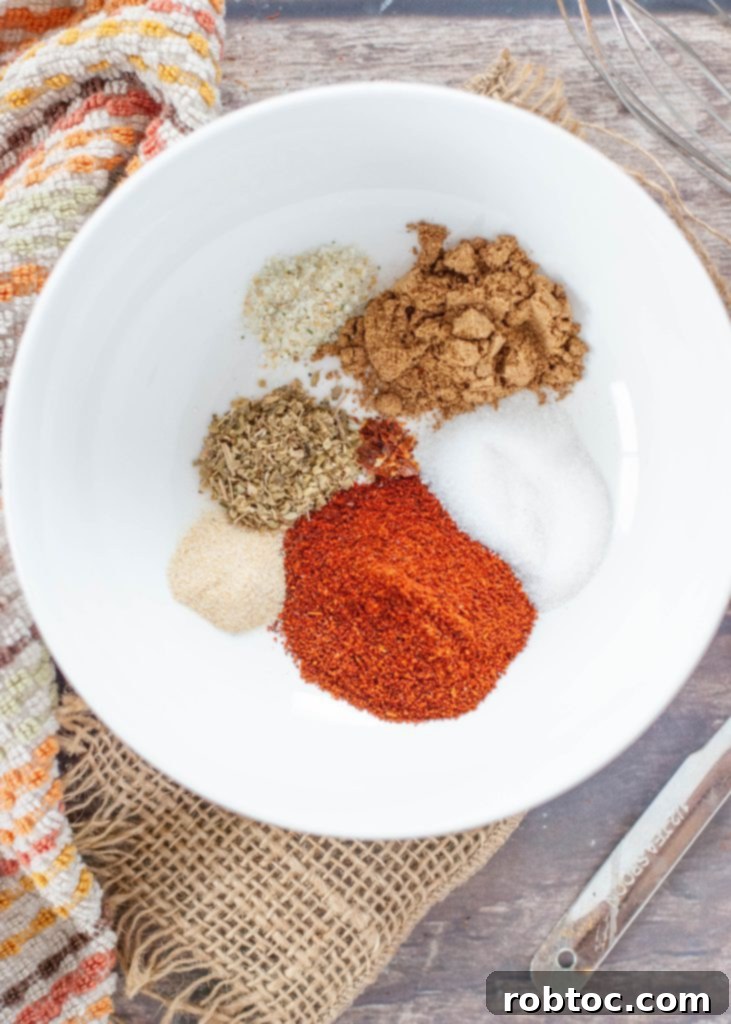
Essential Ingredients for Your Homemade Gluten-Free Taco Seasoning
Creating your own flavorful and allergy-friendly taco seasoning requires nothing more than a few common, everyday spices that you likely already have nestled in your pantry. The beauty of this recipe lies in its simplicity and reliance on pure, unadulterated flavors, bypassing all the fillers and artificial ingredients found in commercial blends. You won’t need any exotic spices, just a collection of robust, earthy, and aromatic powders that come together to create that quintessential Southwestern taste.
Here’s what you’ll need:
- Chili powder: This is the backbone of your taco seasoning, providing a warm, slightly smoky, and foundational flavor. It’s typically a blend of ground chiles, cumin, oregano, and sometimes garlic powder.
- Salt: Essential for enhancing all the other flavors. I recommend using a fine-grain table salt for easy blending.
- Ground cumin: Indispensable for authentic Mexican and Tex-Mex flavors, cumin adds an earthy, slightly nutty, and warm note that defines taco seasoning.
- Garlic salt: While regular garlic powder works just fine, I particularly enjoy using Lawry’s Garlic Salt with Ground Parsley. It adds a subtle layer of garlicky depth and a hint of herbaceous freshness that elevates the overall profile. If using plain garlic powder, remember to adjust the salt content slightly.
- Onion powder: Provides a savory, aromatic onion flavor without the moisture or texture of fresh onion. It blends seamlessly into the spice mix.
- Dried oregano: A classic herb in Mexican cuisine, dried oregano contributes a rustic, peppery, and slightly bitter note that rounds out the spice blend.
- Red pepper flakes, optional: For those who appreciate a touch of heat, red pepper flakes add a pleasant, subtle kick without overwhelming the other flavors. You can adjust the quantity to your preference or omit entirely for a milder seasoning.
You might notice that my recipe doesn’t include paprika, an ingredient sometimes found in other taco seasoning recipes. In my opinion, paprika, while offering a nice color, often contributes very little flavor to the blend unless it’s a specialty smoked paprika. For this recipe, I find it to be a somewhat bland spice that doesn’t significantly enhance the taste, making its inclusion more about aesthetics than flavor. By omitting it, we keep the focus on truly impactful spices, ensuring every ingredient contributes meaningfully to the rich, dynamic flavor profile of your homemade gluten-free taco seasoning. This versatile blend is fantastic for seasoning ground chicken, beef, or pork, and even works wonders on roasted vegetables. It’s truly wonderful for traditional tacos, enchiladas, fajitas, and any dish that calls for a robust Southwestern or Mexican flair.
Essential Tools for Your Homemade Taco Seasoning
One of the many advantages of making your own gluten-free taco seasoning is how incredibly simple the process is, requiring minimal specialized equipment. You likely already have all the necessary tools in your kitchen, making this a quick and fuss-free endeavor. No need for fancy gadgets or extensive cleanup!
You only need these basic items:
- Small mixing bowl: A standard kitchen bowl is perfect for combining the spices. Its size allows for easy stirring without making a mess.
- Measuring spoons: Accurate measurements are key to achieving the perfect balance of flavors in your seasoning blend. Ensure you have a full set of measuring spoons on hand.
- Fork or whisk to stir it: Either a simple fork or a small whisk will do the job of thoroughly combining the spices, ensuring an even distribution of flavor throughout the blend.
- Small mason jar with lid, or airtight container for storing: Once your seasoning is mixed, you’ll need a suitable container for storage. An airtight jar or container is crucial for preserving the freshness and potency of your spice blend, keeping it ready for your next taco night.
That’s it! With these few simple tools, you’re all set to whip up a batch of delicious, homemade gluten-free taco seasoning in minutes. This simplicity is part of what makes DIY seasoning so appealing – it’s convenient, cost-effective, and puts you in complete control of your ingredients.
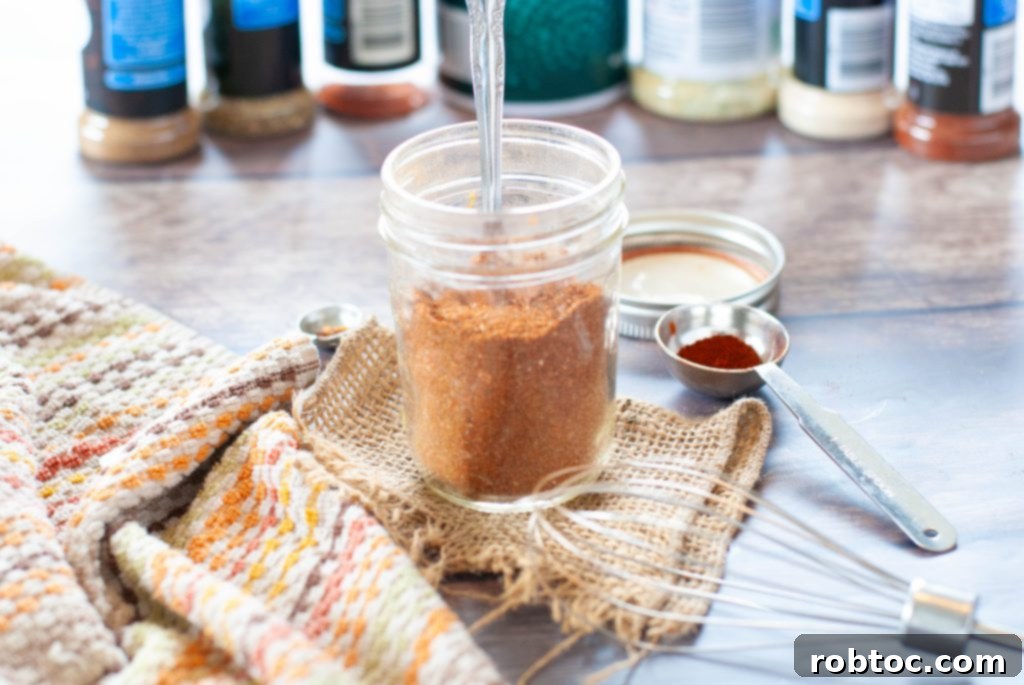
Choosing Your Chili Powder: Light or Dark?
When it comes to selecting chili powder for your homemade gluten-free taco seasoning, you might encounter labels specifying “light” or “dark” varieties. For most general recipes, including this one, I typically reach for the type of chili powder that simply states “chili powder” on the label, without any additional descriptors. This is the most common variety found in grocery stores and offers a balanced, approachable flavor profile that suits a wide range of palates.
However, if a chili powder specifically labels itself as “dark,” it usually indicates that it’s made primarily or exclusively from ancho chiles. These chiles are often roasted longer, which imparts a deeper, richer, and sometimes spicier flavor compared to a standard chili powder blend. Dark chili powder can add a profound depth and a more pronounced heat to your seasoning.
My personal preference for “regular” chili powder (without the “dark” designation) stems from a few practical considerations. Firstly, it’s generally easier to find in most supermarkets. Secondly, and perhaps more importantly, I’m often feeding this taco seasoning to my entire family, which includes children who may not tolerate a high level of spice. Regular chili powder offers a milder, more universally appealing flavor that ensures everyone can enjoy their meal without too much heat. However, the choice is entirely up to your personal spice preference. If you enjoy a bolder, spicier, and more complex chili flavor, feel free to use dark chili powder in this recipe. Both varieties will work, simply adjusting the overall intensity of your final blend.
Navigating Spice Brands and Allergy Safety
When you’re new to meticulously reading labels, especially for dietary restrictions, the process can feel overwhelming, and there’s a natural inclination to want precise recommendations for every product. In our experience, we’ve successfully used a variety of spice brands without issue, as most pure spices are inherently single-ingredient items. However, the critical step is always to thoroughly read the entire label, paying close attention to any allergen warnings or cross-contamination statements.
Spices are typically just that – a single ingredient. But the processing and packaging facilities can introduce risks. Look for phrases like “manufactured in a facility that also processes [allergens]” or “may contain.” Some individuals, like my family, can manage a certain level of potential cross-contamination, especially when these warnings are general and not specific to known severe reactions. However, many people with severe allergies cannot take any risks and require products that are certified free from cross-contact.
It’s important to remember that such “manufactured in” or “made in a facility” statements are often voluntary and not regulated, which means their presence (or absence) doesn’t always tell the full story. If you’re determined to use a specific spice brand that carries one of these warnings and you have concerns, I find it incredibly helpful to contact the company directly. Most spice companies have a 1-800 number on the back of their packaging. When you call, you can ask for more detailed information about why that warning is present. Specifically, it’s beneficial to ask questions such as: “Is this specific spice produced on a dedicated line?” or “What are your cleaning procedures between runs of different products that might contain allergens?” Their answers can provide invaluable insight and help you make an informed decision about the product’s safety for your specific needs.
Given the broad spectrum of what individuals consider “safe” based on the severity of their allergies and comfort levels, I cannot universally recommend specific brands. My role is to share what works for my family and empower you to conduct your own due diligence. Always trust your instincts and use the brands that you feel most confident about after thoroughly researching and, if necessary, contacting the manufacturers yourself.
Customizing Your Homemade Taco Seasoning
The beauty of making your own gluten-free taco seasoning is the complete freedom to adjust it to your exact preferences. Whether you like a milder flavor, a fiery kick, or a hint of sweetness, this recipe serves as an excellent base that can be easily customized. Don’t be afraid to experiment a little to find your perfect blend!
Here are a couple of ways to adjust the taco seasoning:
- For a touch of sweetness: If you enjoy a slightly sweeter, more complex flavor profile, you can add 1 Tablespoon of brown sugar to the mix. The molasses notes in brown sugar complement the savory spices beautifully, adding a subtle depth that some find irresistible. This can also help to balance the heat if you’re adding extra spice.
- For more heat: If you’re a fan of spicy food and want to turn up the heat, the optional red pepper flakes are your first line of defense. You can increase the amount of red pepper flakes beyond the suggested ¼ teaspoon to suit your desired level of spiciness. For an even more intense and smoky heat, consider swapping out the regular chili powder for chipotle chili pepper powder. Chipotle powder, made from smoked jalapeños, will impart a robust, smoky flavor along with a noticeable warmth, taking your tacos to the next level.
Feel free to play around with these suggestions until you find the perfect balance that makes your taste buds sing. This is your kitchen, and your seasoning blend should be exactly how you like it!
Yield and Usage: How Much Does This Taco Seasoning Recipe Make?
This homemade gluten-free taco seasoning recipe is designed to be versatile, offering enough blend for a single meal while also being easy to scale for future use. Understanding the yield and how to apply it will help you get the most out of your freshly mixed spices.
Typically, I use this entire recipe for one batch of my hearty Taco Soup. The quantity is perfect for flavoring a large pot, ensuring a rich and consistent taste throughout the dish.
When it comes to seasoning ground meat for traditional tacos, I generally recommend using about 2-3 Tablespoons of this mix for every 1 pound of ground beef, chicken, or turkey. This provides a robust flavor that coats the meat well. However, seasoning is a very personal preference, so you can honestly use this according to your taste. Start with a smaller amount and add more until you reach your desired intensity.
The beauty of this recipe is its adaptability. Feel free to double or even triple the quantities to create a larger batch. Having a pre-made jar of this seasoning in your pantry means you’re always ready for multiple taco nights, or for quickly spicing up other dishes like fajitas, burritos, roasted vegetables, or even grilled chicken. Preparing a larger quantity ensures you have a convenient, homemade, and allergy-friendly spice blend on hand whenever inspiration strikes, saving you time and effort during busy weeknights.
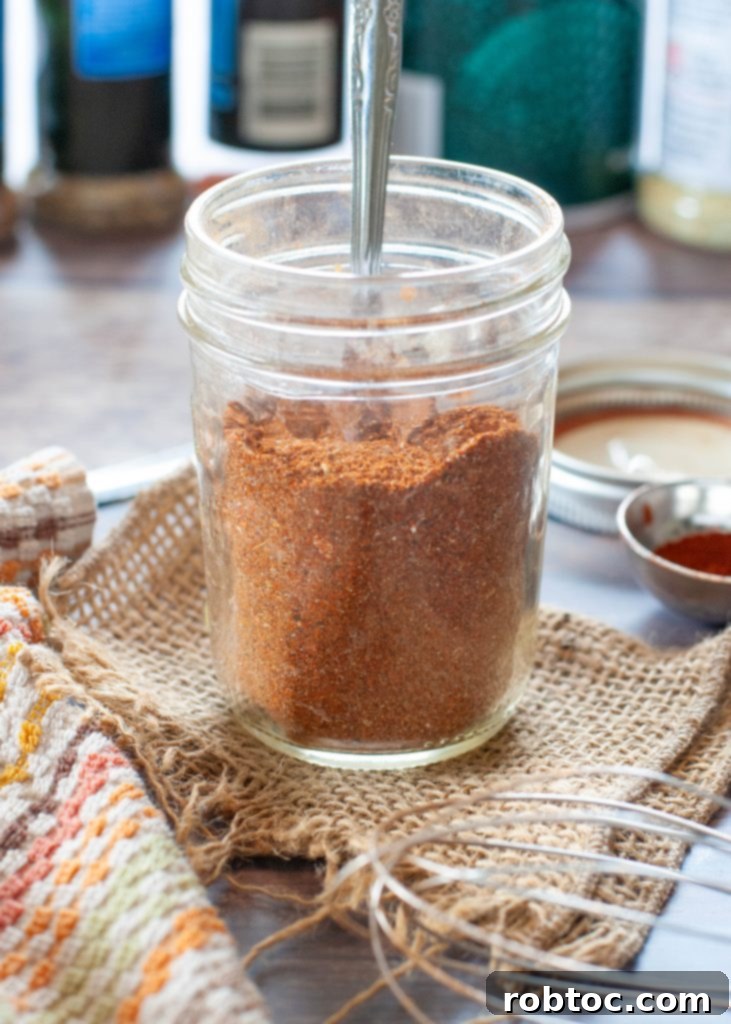
Choosing the Right Salt for Your Seasoning Blend
When making a homemade spice blend like this gluten-free taco seasoning, the type of salt you choose can influence the texture and how well it integrates with the other ingredients. For this particular recipe, simplicity is key, and there’s no need to reach for gourmet or specialty salts.
I personally use regular table salt, specifically Great Value Iodized Salt. This fine-grain salt mixes seamlessly with the other powdered spices, ensuring an even distribution throughout the blend. Its consistent texture helps prevent clumping and ensures that every pinch of seasoning delivers a balanced flavor profile. There’s truly no need for a fancy finishing salt when it’s going into a mixed blend that will be cooked into a dish.
While I use iodized table salt, you can certainly use whatever brand of fine-grain salt you prefer and have on hand. The most important consideration is the crystal size: avoid using larger crystal types, such as coarse sea salt or kosher salt, unless you plan to grind them down. Larger crystals won’t integrate as smoothly into the blend, which could lead to inconsistent seasoning and a less uniform flavor distribution in your dishes. Stick to a fine-grain salt for the best results, ensuring your homemade taco seasoning is perfectly balanced and ready to enhance any meal.
Preparing Ahead: Can I Make This Spice Blend Ahead of Time?
Absolutely, making this gluten-free taco seasoning ahead of time is not only possible but highly recommended! It’s one of the best ways to simplify your meal prep and ensure you’re always ready for a flavorful, allergy-friendly meal without any last-minute scrambling. Imagine the convenience of having your perfect taco seasoning blend readily available in your pantry, eliminating the need to stop mid-recipe to measure out individual spices. This forward-thinking approach truly saves valuable time in the kitchen.
To store your homemade seasoning, you have a couple of excellent options. I typically keep mine in either a plastic container with a tight-fitting lid or, preferably, a small mason jar with a screw-top lid. The key is to ensure the container is airtight. An airtight seal is crucial for preserving the freshness, potency, and vibrant aroma of your spices. Additionally, for optimal longevity, it should be stored in a cool, dark place, away from direct sunlight and heat, which can degrade the spices over time. When stored properly under these conditions, your homemade gluten-free taco seasoning can last for an impressive six months or even longer!
Beyond its convenience for your own cooking, this homemade spice blend also makes a fantastic and thoughtful gift, especially around the holidays. Everyone often receives an abundance of sweet treats during Christmas, so a practical and delicious savory gift can be a refreshing change. You can create adorable custom labels, perhaps with a playful pun like: “Let’s TACO-bout Christmas” (a clever play on “talk about”). Or, customize the message for any occasion – birthdays, housewarmings, or just because! Tie a charming little ribbon around the jar, and your neighbors, friends, or family will be incredibly grateful for such a unique and useful present. And, since it lasts so long, there’s no pressure for them to use it right away, making it a perfectly stress-free gift.
Is This Recipe Allergy-Friendly?
This homemade gluten-free taco seasoning recipe is designed with widespread allergy considerations in mind, making it an excellent choice for many individuals with dietary restrictions. As written, this recipe is proudly free of the top-9 allergens. This means it does not contain wheat, gluten, dairy (including milk and lactose), egg, fish, shellfish, peanuts, tree nuts, or sesame. This makes it a versatile staple for a wide array of allergy-friendly kitchens.
In addition to being free from major allergens, this taco seasoning is also compliant with several popular dietary lifestyles: it is naturally gluten-free (eliminating concerns for celiac disease and gluten sensitivities), suitable for Paleo diets (as it avoids grains, legumes, and dairy), and also fits within Keto guidelines (being low in carbohydrates and free from added sugars or starches). This broad compatibility makes it an inclusive option for nearly everyone at your table.
However, it is absolutely crucial to exercise due diligence and check EACH individual label of the spices you purchase to ensure their safety for your specific needs. While the recipe itself is clean, cross-contamination warnings on spice packaging can vary by brand and facility. If you have severe allergies or specific sensitivities, always perform your own homework by reading labels thoroughly and, if necessary, contacting manufacturers to inquire about their processing procedures. I can only share what works for my family’s allergies and sensitivities; only you can fully confirm the safety of ingredients for your unique situation.
For another delicious and allergy-friendly Mexican-inspired meal, be sure to check out my Easy Chicken Fajita Marinade!
Do I Have a Video Showing How to Make This?
This homemade gluten-free taco seasoning recipe is incredibly straightforward, so much so that you might feel you don’t even need a video tutorial. However, just in case you appreciate a visual guide or want to double-check that you’re doing it right, I’ve created one for you. There’s no shame in ensuring confidence in your cooking skills! The video should auto-populate on this page, but if it doesn’t, you can find it embedded at the bottom of the recipe card below. And if all else fails, you can always watch it directly on my YouTube channel.
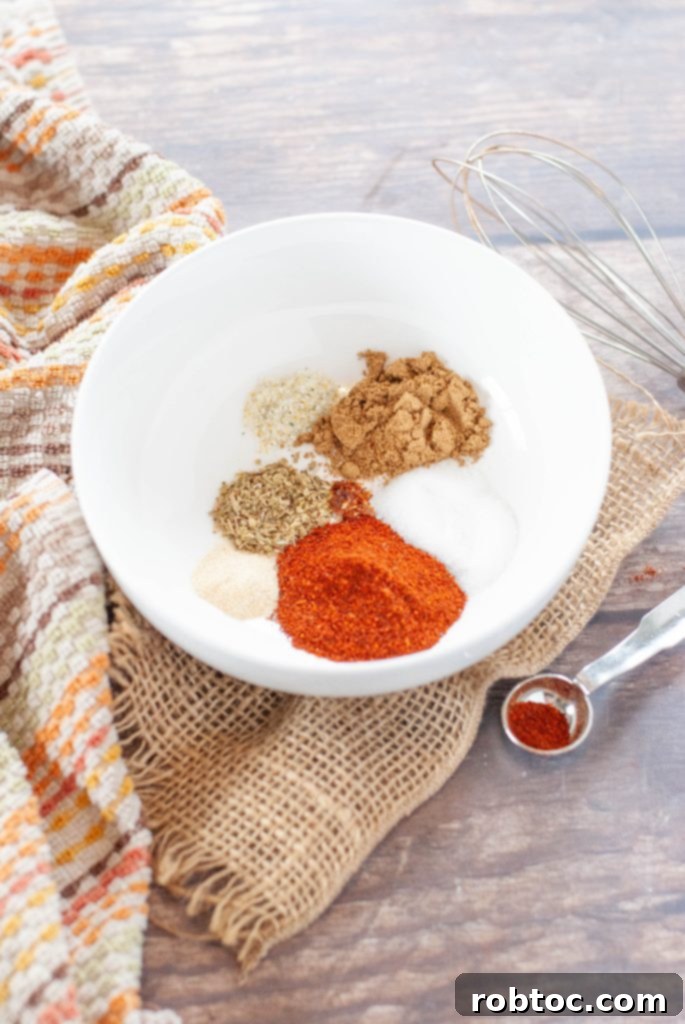
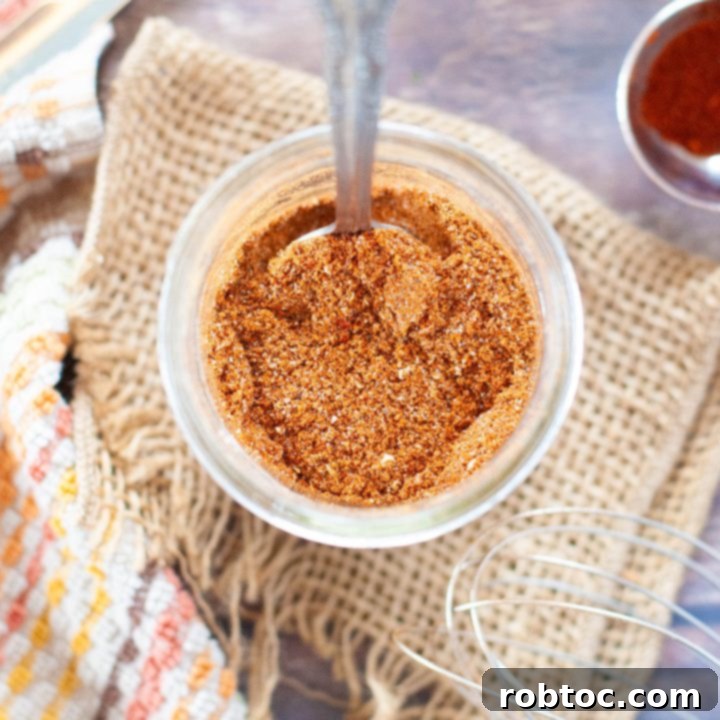
Homemade Gluten Free Taco Seasoning
1 batch
5 minutes
Transform your taco nights with this easy, homemade gluten-free taco seasoning. Ditch the fillers and hidden allergens found in store-bought packets, and enjoy pure, vibrant Southwestern flavor from pantry staples. Perfect for celiac, corn allergies, Paleo, and Keto diets!
Ingredients
- 1 Tablespoon chili powder
- 1 and 1/2 teaspoons ground cumin
- 1 teaspoon salt
- ¼ teaspoon garlic salt
- ¼ teaspoon onion powder
- ¼ teaspoon dried oregano
- ¼ teaspoon red pepper flakes, optional
Instructions
- In a small mixing bowl, add your measured spices.
- Mix together with a whisk or fork.
- Use right away in a recipe, or make ahead and store in an airtight container, in a cool, dark place for up to 6 months.
- Feel free to double or trip so you’ll have plenty for the next couple of taco nights!
Notes
*Our allergies, while severe and that get re-tested frequently, are such that we can go strictly by what’s on the label. I do not call companies to see what things are derived from, or call manufacturers to see about potential cross contact. If your allergies require you to do so, please do your own homework. I cannot assure you of any ingredient’s safety, only you can do that. I simply share what works for our family
**If you are going to feed this to someone with food allergies, and you yourself do not have food allergies, I HIGHLY recommend having them check every single brand and ingredient you are using, to ensure they’re OK with each part of the recipe. And, to make sure you’ve talked to them about how to avoid cross contamination in your kitchen.
Nutrition Information:
Yield: 1
Serving Size: 1
Amount Per Serving:
Calories: 32Total Fat: 1gSaturated Fat: 0gTrans Fat: 0gUnsaturated Fat: 1gCholesterol: 0mgSodium: 2744mgCarbohydrates: 6gFiber: 3gSugar: 1gProtein: 1g
BE SURE TO PIN THIS, SO YOU DON’T LOSE IT. WHILE YOU’RE THERE, BE SURE TO CHECK OUT MY OTHER GLUTEN-FREE PINS.