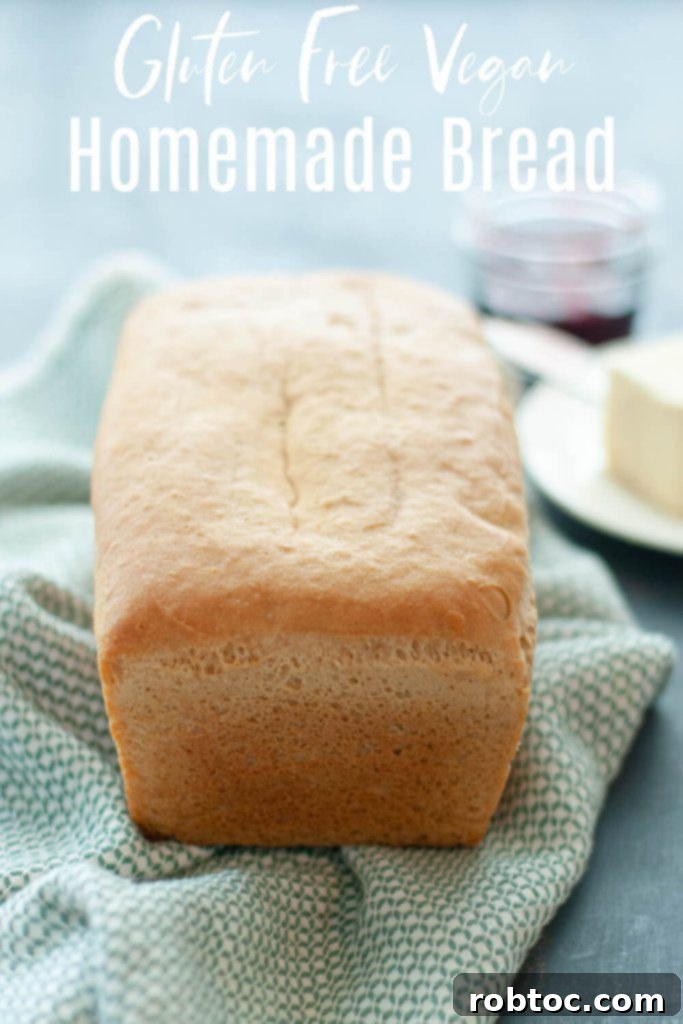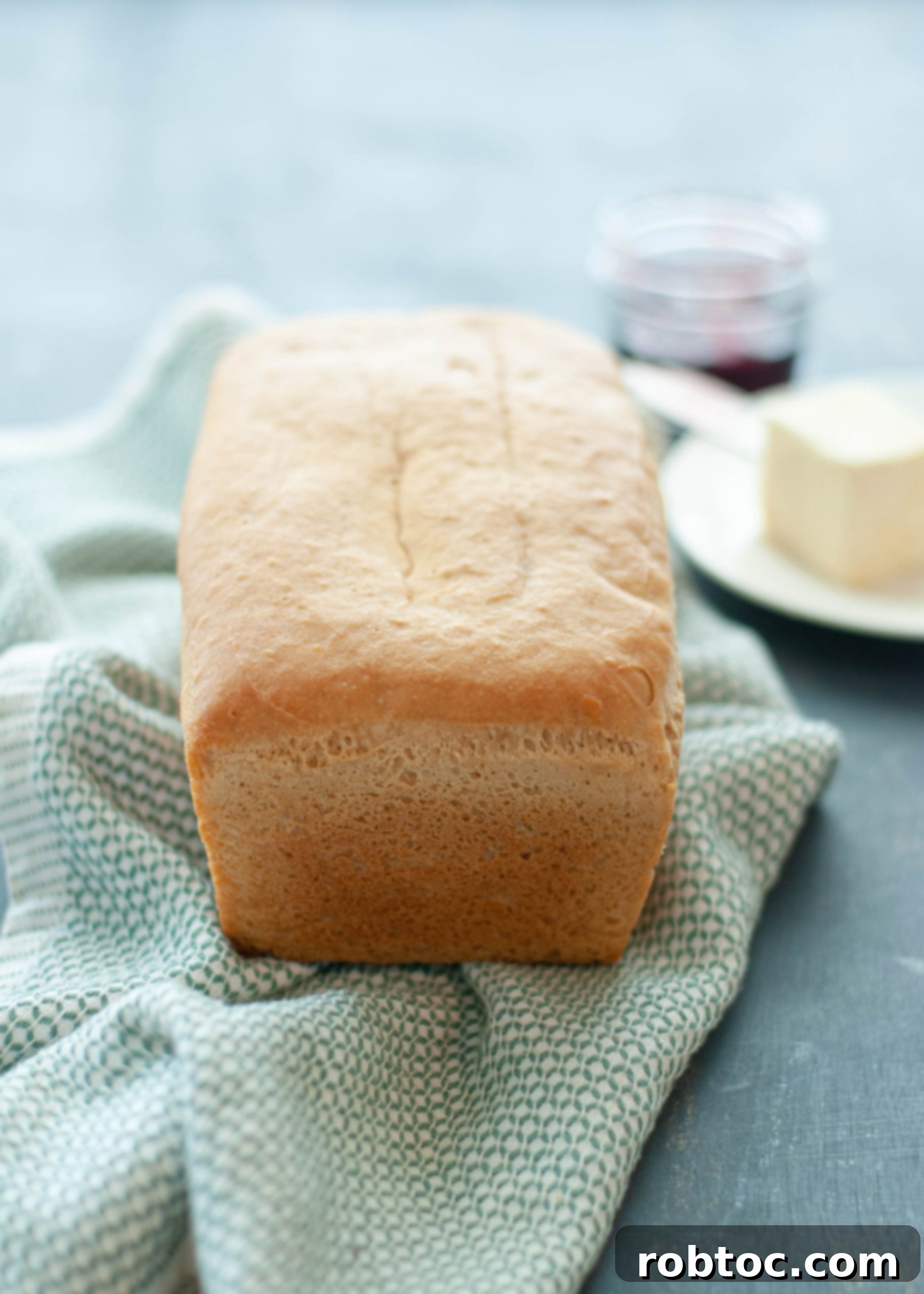
The Ultimate Guide to Baking Soft & Fluffy Gluten-Free Vegan Bread: Allergy-Friendly & Easy!
Discover the joy of freshly baked bread with this incredible recipe for soft, tender, and absolutely delicious gluten-free vegan bread! Gone are the days when allergy-friendly bread meant sacrificing taste or texture. Most traditional gluten-free bread recipes often rely on eggs and dairy for structure and moisture, but we’ve cracked the code to create a truly exceptional loaf that is both gluten-free AND completely vegan. This easy-to-follow recipe requires no complicated kneading, making homemade bread accessible even for beginners. Imagine slicing into a warm loaf, perfect for your favorite sandwiches or a delightful piece of toast. We’ve meticulously crafted this recipe to ensure a perfect bake every time, addressing all your questions to guarantee beautiful results. Best of all, this remarkably allergy-friendly bread is also entirely free of the top 8 common allergens!
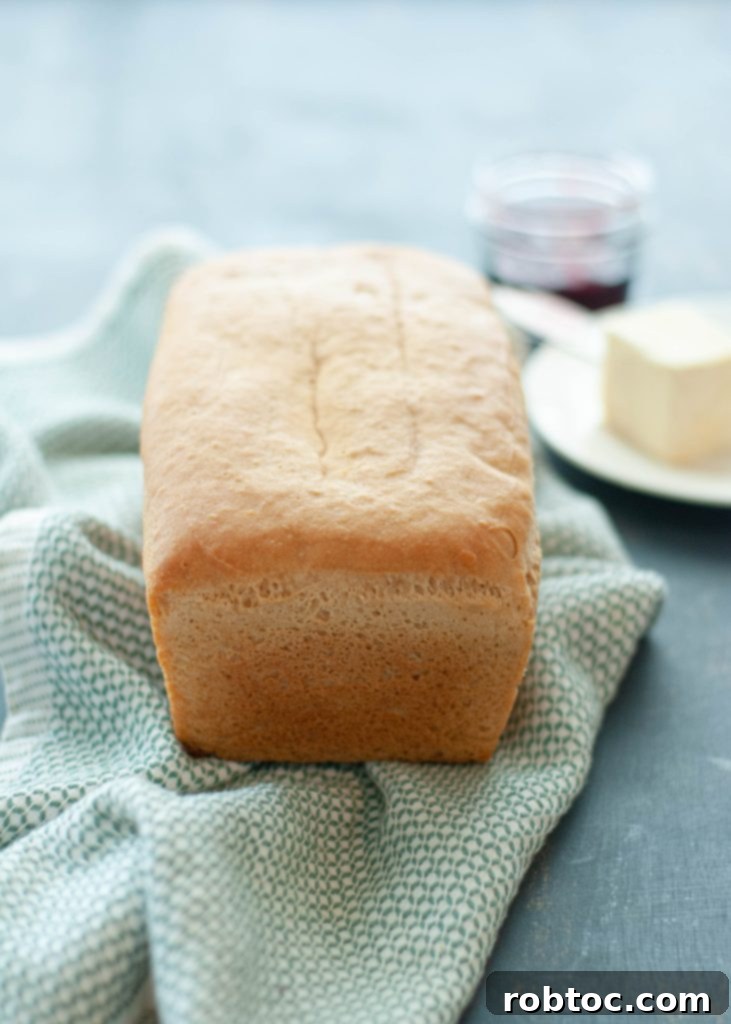
This post contains affiliate links.
The Quest for the Perfect Allergy-Friendly Loaf: My Decade-Long Journey
For many years, the most common question I received from readers was about a reliable homemade bread recipe. My honest answer was often that it seemed simpler to purchase pre-made bread, avoiding the significant expense and time commitment associated with specialty ingredients. However, I deeply missed the comforting aroma of bread baking in my own kitchen and the unparalleled joy of savoring a warm slice, fresh from the oven. This longing ignited my determination to find a genuine solution.
My goal was clear: to develop a versatile bread recipe suitable for everything from hearty sandwiches to a comforting side with soup. Crucially, it needed to be *easy*, eschewing complex bread machines, overly expensive components, or hard-to-find ingredients. I also aimed for a recipe that required only a single rise, simplifying the process considerably. After countless experiments and much perseverance, I am thrilled to say I’ve finally achieved it!
Even though I don’t personally manage food allergies (my sons do), this exceptional loaf brings as much anticipation and delight to me as it does to them. It’s truly a labor of love that has resulted in a bread everyone can enjoy, proving that delicious, homemade, allergy-friendly bread is not just a dream.
The Crucial Choice: Selecting the Right Gluten-Free Flour Blend
For anyone familiar with gluten-free baking, it’s widely understood that the choice of gluten-free flour is paramount – perhaps the single most critical factor for success. There’s a vast array of gluten-free flour blends available on the market, but for this specific vegan bread recipe, the results hinge almost entirely on using the correct one.
After extensive testing, I unequivocally recommend the King Arthur Gluten-Free All-Purpose Baking Mix. This particular blend consistently delivers the tender crumb and ideal structure that makes this bread so special. Unlike cookies or muffins, where you might have more flexibility with various “all-purpose” gluten-free flour blends, bread requires a very specific composition to achieve proper rise and texture without gluten. Substituting this blend with another is likely to yield drastically different, and often disappointing, results.
While I strongly advise sticking to the King Arthur Gluten-Free All-Purpose Baking Mix, I have heard that King Arthur’s *regular* Gluten-Free All-Purpose Flour (not the “Baking Mix” version) can work as an alternative if you find yourself in a bind. However, please note that the “Baking Mix” is formulated differently, often including leavening agents and binders, which contribute significantly to this recipe’s success. If you do experiment with a different brand or blend, I would be incredibly grateful if you shared your experience by leaving a comment below. Your feedback helps our community learn and grow!
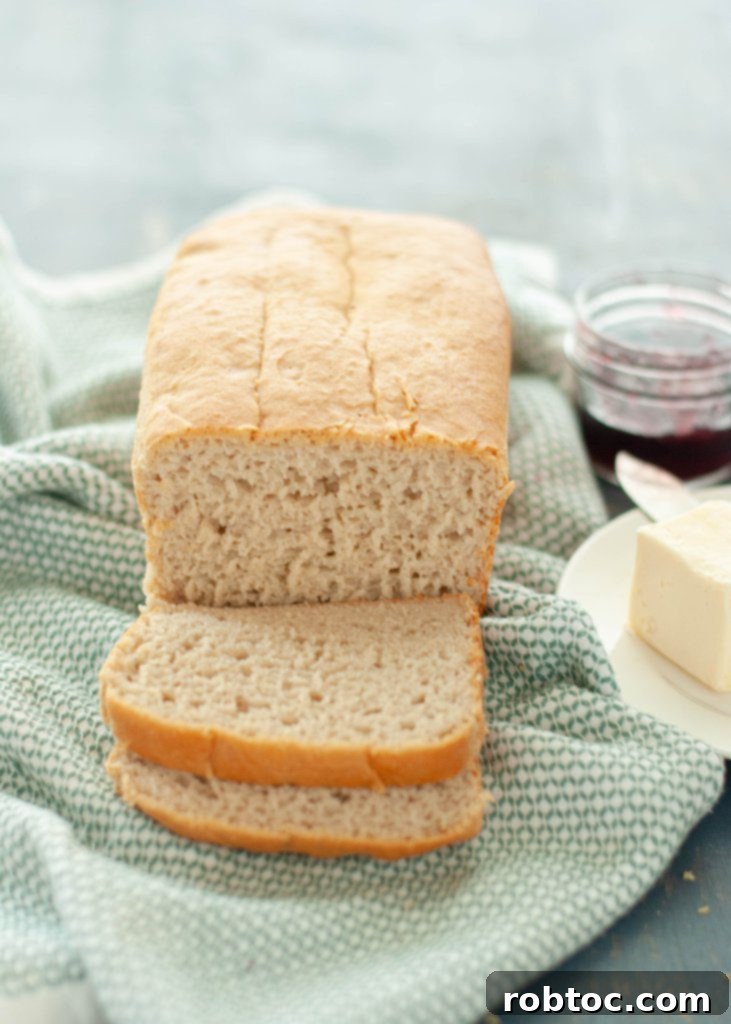
Understanding the King Arthur Gluten-Free All-Purpose Baking Mix Composition
Although this recommendation is not sponsored, I believe it’s essential to provide full transparency regarding the ingredients within the King Arthur Gluten-Free All-Purpose Baking Mix. This information is vital for ensuring it aligns with your specific dietary needs and any potential allergies. According to their official website, the blend typically contains:
- Whole Grain Brown Rice Flour
- Rice Flour
- Potato Starch
- Tapioca Starch
- Cellulose
- Baking Powder (baking soda, calcium acid pyrophosphate, monocalcium phosphate)
- Salt
- Xanthan Gum
- Vitamin and Mineral Blend [calcium carbonate, niacinamide (vitamin B3), reduced iron, thiamin hydrochloride (vitamin B1), riboflavin (vitamin B2)]
It’s important to reiterate my strong recommendation against substituting this specific blend with other single-grain flours or different brands of gluten-free mixes. While it might be tempting to experiment with flours like oat flour, buckwheat flour, almond flour, or popular blends from brands like Bob’s Red Mill, their unique compositions and protein structures are not suitable for achieving the desired results in this particular bread recipe. This recipe has been specifically formulated and tested with the King Arthur Gluten-Free All-Purpose Baking Mix, and deviating from it can significantly impact the bread’s texture, rise, and overall success.
Is This Gluten-Free Bread Dairy-Free and Egg-Free?
Absolutely! This gluten-free bread recipe is meticulously crafted to be completely free of both dairy and eggs. This is a crucial aspect for our family, as my son experiences severe allergies to both of these common ingredients. Furthermore, this aligns perfectly with a vegan diet, which strictly excludes all animal products, including dairy and eggs.
You’ll discover that a vast majority of the recipes shared on this platform, including hundreds of my creations, are designed to be free from gluten, dairy, and eggs due to our family’s allergy needs. While we sometimes incorporate meat into our diet, meaning we aren’t strict vegans in every aspect, all of my baking recipes are developed to be 100% vegan-friendly. This ensures that if you’re seeking strictly vegan options, particularly in baked goods, you’ll find them suitable and reliable here.
Is This Vegan Gluten-Free Bread Truly Allergy-Friendly?
Indeed, it is exceptionally allergy-friendly! This delightful white loaf has been carefully formulated to exclude the most common dietary allergens, making it a safe and delicious option for many. Specifically, this recipe is free of the top 8 major allergens:
- Wheat
- Gluten
- Dairy
- Egg
- Soy
- Peanuts
- Tree Nuts (excluding coconut, which is botanically a fruit)
- Fish
- Shellfish
This comprehensive allergen-free profile ensures that a wide range of individuals with dietary restrictions can enjoy a slice of homemade bread without worry. For those who do not require a vegan recipe but are looking for a classic gluten-free bread option that may include eggs or dairy, feel free to explore my other dedicated recipe.
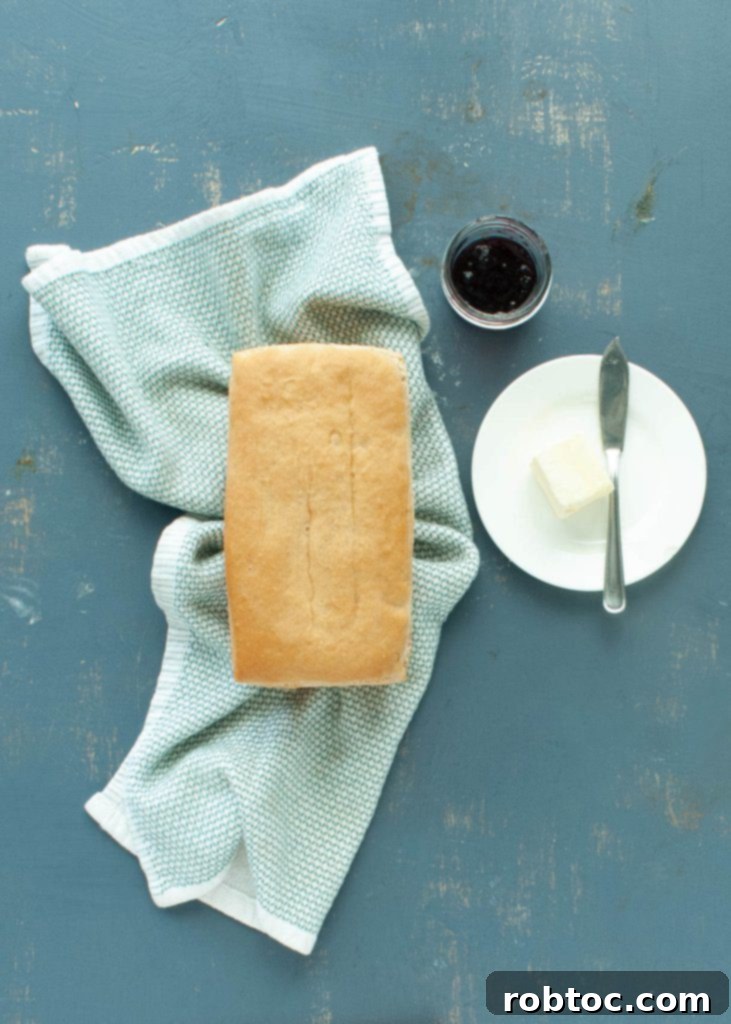
Is Xanthan Gum an Additional Ingredient?
No, you will not need to add any supplemental xanthan gum to this recipe. The specific gluten-free flour blend I recommend – the King Arthur Gluten-Free All-Purpose Baking Mix – already includes xanthan gum as part of its pre-made composition. Xanthan gum is a crucial hydrocolloid in gluten-free baking, acting as a binder and providing elasticity and structure that gluten typically offers in traditional wheat-based breads. Since it’s already integrated into the recommended flour, there’s no need for an extra step of adding it separately.
If you prefer to use a different gluten-free flour mix that does not contain xanthan gum, or if you’re interested in creating your own blend, you might consider trying my homemade gluten-free flour mix, which guides you on creating a balanced blend from scratch.
Choosing the Right Yeast for Your Vegan Gluten-Free Loaf
For this recipe, the type of yeast is critical for achieving the perfect rise and texture. You absolutely must use rapid-rise yeast (also known as instant yeast). This type of yeast is specially formulated to be fast-acting, requiring only one rise and eliminating the need for proofing it in liquid before mixing with dry ingredients, which streamlines the baking process significantly.
My go-to brand for consistent results is Fleischmann’s RapidRise Yeast. However, I’ve also received excellent feedback from readers who have successfully used Red Star Platinum Instant Yeast. Whichever brand you choose, ensure it is indeed “rapid rise” or “instant” yeast to guarantee the intended outcome for this recipe. Active dry yeast, for example, would require a different activation process and might not yield the same robust rise in this specific gluten-free batter.
Is This Homemade Bread Safe for Individuals with Celiac Disease?
Yes, absolutely! This homemade bread recipe is designed with celiac safety in mind. The cornerstone of its gluten-free status is the certified gluten-free flour blend we recommend. Beyond the flour, all other core ingredients – including rapid-rise yeast, psyllium husk powder, baking powder, salt, water, aquafaba, pure maple syrup, and vegetable oil – are inherently naturally gluten-free.
While I primarily specify brands for the yeast and flour due to their critical role in the recipe’s success, I generally find that most other ingredients are naturally free from gluten. However, for those with Celiac Disease or severe gluten sensitivities, it is always paramount to read every single product label meticulously. Manufacturers’ processes can change, and cross-contamination is a real concern. Don’t assume a product is safe just because it traditionally should be. If there’s ever any uncertainty about a particular ingredient or brand, the safest course of action is to contact the company directly. Most product labels conveniently provide a customer service phone number on the back, allowing you to inquire about their gluten-free practices and certifications.
Substituting Eggs for Aquafaba: An Option for Non-Vegan Diets
For those who do not need to adhere to a vegan diet and can consume eggs, you certainly have the option to substitute them for the aquafaba in this recipe. Eggs provide excellent binding and leavening properties that work well in bread. If you choose to go this route, simply use two whole eggs instead of the specified amount of aquafaba. It’s important to use whole eggs, not just egg whites, as the yolks contribute richness and moisture that are beneficial to the bread’s texture and flavor profile.
Exploring Other Egg Replacers Beyond Aquafaba: A Word of Caution
While the world of vegan baking offers various egg substitutes, for *this particular recipe*, I strongly advise against using alternatives other than aquafaba. My extensive testing has shown that aquafaba, the liquid from canned chickpeas, possesses a unique elasticity and binding capability that is unparalleled by most other egg replacers. This characteristic is crucial for giving the gluten-free and vegan bread its desirable “movement” and flexible, tender crumb, closely mimicking the properties of eggs in conventional bread.
I do not recommend powdered egg substitutes, which often result in a denser, drier loaf, or binders like chia seeds, which can alter the texture significantly and introduce a different flavor profile. While flax seeds (often used as a “flax egg”) might be a possibility in an absolute emergency, that is purely a speculative suggestion on my part, and I haven’t tested it thoroughly enough to confidently recommend it. Its binding properties differ from aquafaba’s unique elasticity.
I understand that some individuals may have allergies to legumes, making aquafaba problematic. It’s a challenging situation, and I truly empathize; my family navigates numerous allergies ourselves, so I know the struggle of finding suitable alternatives. Unfortunately, it’s simply not feasible to test every possible iteration for every conceivable allergy. If aquafaba is not an option for you, I encourage you to experiment cautiously. However, please be aware that significant alterations to the egg replacer could require further adjustments to other ingredients to maintain the delicate balance of this bread recipe.
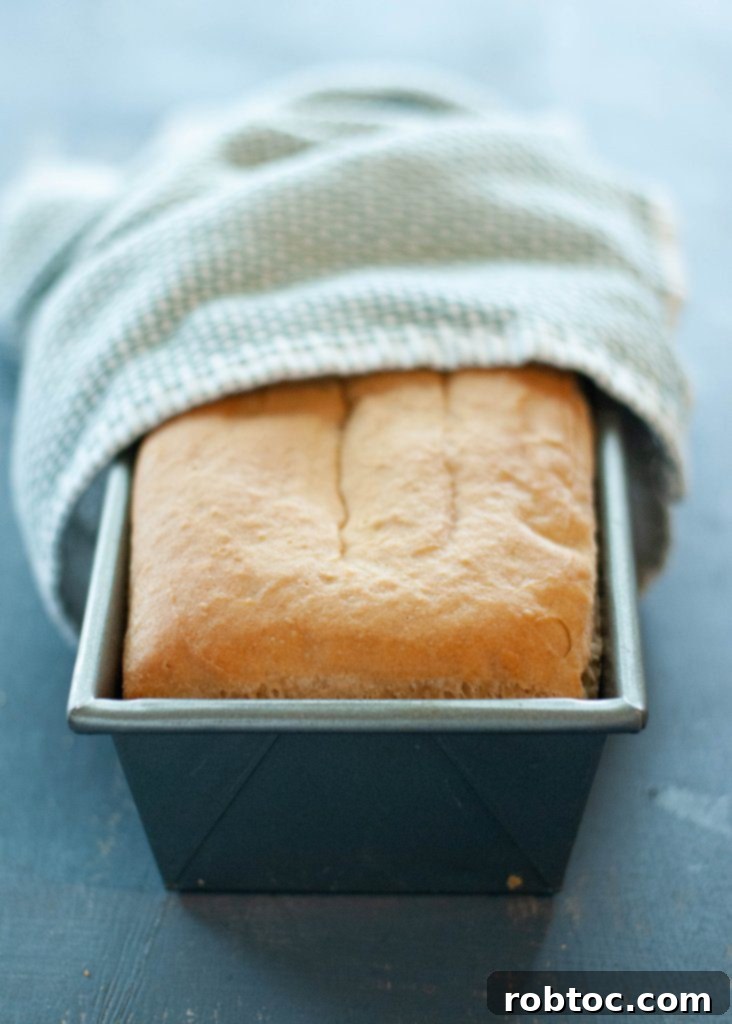
Selecting the Ideal Bread Pan Size for Your Gluten-Free White Bread
The choice of bread pan size can subtly influence the rise and final shape of your loaf. While many standard recipes often call for a 9×4 or 9×5-inch bread pan, my personal experience, and what I find works perfectly for this gluten-free vegan bread, is an 8.5-inch Caphalon bread pan. This slightly smaller pan size seems to be “just right,” providing ample support for the dough as it rises without making the loaf too wide or flat.
However, it’s important to share a note of caution: I’ve heard from some readers, particularly those residing in warmer or more humid climates, that using an 8.5-inch pan can sometimes lead to the bread rising significantly over the top. This phenomenon, which I haven’t personally experienced in my environment, serves as an excellent reminder of the dynamic nature of baking. Factors like ambient temperature, humidity, and even slight variations in ingredient measurement can affect yeast activity and dough rise.
Therefore, when proofing your bread, always trust your senses over strict timings. Keep a watchful eye on your dough; if it has visibly risen to the top of your pan or achieved a significant dome, it’s an indication that the proofing stage is complete, regardless of how much time has passed. This flexibility ensures you achieve a beautifully risen loaf every time, adapted to your unique baking environment.
The Role of Psyllium Husk Powder in This Bread Recipe
While this bread recipe *might* still yield a loaf if you omit psyllium husk powder, I highly recommend including it for optimal results. Psyllium husk powder plays a vital role in gluten-free baking, especially for yeast breads, where it acts as a phenomenal binder and improves the overall structure and texture of the crumb. It helps to absorb moisture, create elasticity, and prevent the bread from being too crumbly or dry, essentially mimicking some of the functions of gluten.
By incorporating psyllium husk powder, you’ll achieve a noticeably better loaf with improved integrity and a more pleasant mouthfeel. I typically source my psyllium husk powder from the bulk section of local health food stores, so I don’t have a specific brand recommendation from there. However, it’s also readily available online through retailers like Amazon. Ensure you’re using *powdered* psyllium husk, not whole husks, as the absorption rates and impact on texture differ significantly.
Optimal Storage Tips for Your Gluten-Free Vegan White Bread
To fully appreciate the tender texture and fresh flavor of this homemade gluten-free vegan bread, it is truly best enjoyed on the day it’s baked, once it has cooled completely. Freshly baked bread offers an unparalleled experience.
If you have leftovers, you can store the bread at room temperature in an airtight container for approximately one day. This helps to maintain its softness and prevent it from drying out. Beyond the first day, to extend its freshness and quality, I recommend transferring the bread to an airtight container and storing it in the refrigerator. In the fridge, it will keep well for several additional days.
You’ll notice that after the first day, refrigerated bread tends to firm up slightly. At this point, it often tastes even better when lightly toasted. Toasting brings back some of its delightful crispness and warmth, making it perfect for sandwiches, avocado toast, or simply with your favorite spread.
While my family typically devours a loaf too quickly to consider freezing it, freezing is an excellent option for longer-term storage. If you plan to freeze your bread, I highly advise slicing the entire loaf beforehand. This way, you can easily pull out individual slices as needed, pop them directly into the toaster, and enjoy fresh-tasting bread anytime. Freezing presliced bread not only preserves its quality but also offers incredible convenience.
Maple Syrup Alternatives and Considerations
When initially developing this recipe, I experimented with honey as a sweetener. While honey worked beautifully to achieve the desired flavor and moisture, I quickly realized that to make this recipe truly vegan-friendly, a substitute was necessary. That’s when I turned to maple syrup, and I’m happy to report that both honey (for non-vegan versions) and pure maple syrup perform excellently in this bread.
Typically, when baking, I would strongly advocate for using only *pure* maple syrup, regardless of its grade, and advise against the cheaper, “pancake syrup” varieties that are often primarily composed of corn syrup and artificial flavors. Pure maple syrup offers a depth of flavor and a natural sweetness that is superior for baking. However, I must confess to a moment of panic in my own kitchen when I was halfway through making this bread and realized I had run out of pure maple syrup, with only the less-than-ideal pancake syrup on hand. In that pinch, I used it, and surprisingly, it *still* worked! While I share this anecdote as a testament to the recipe’s forgiving nature in an emergency, I still recommend using pure maple syrup for the best taste and quality.
A critical note on substitutions: It is imperative that you do not substitute the liquid maple syrup with a dry granulated sugar, such as white sugar, brown sugar, or coconut sugar. The maple syrup contributes essential liquid to the overall wet-to-dry ingredient ratio of the bread batter. Altering this balance by introducing a dry sugar would significantly throw off the recipe’s delicate chemistry, leading to a dense, dry, or otherwise unsuccessful loaf. Stick to liquid sweeteners for proper consistency.
Need a Quick Fix? Top Store-Bought Gluten-Free Vegan Bread Recommendations
Life gets busy, and sometimes, even with the best intentions, there simply isn’t time to bake from scratch. Perhaps you’ve stumbled upon this recipe, recognized its potential, but know that today isn’t the day for homemade bread. Don’t worry, save it, bookmark it, or pin it for a future baking adventure! In the meantime, when I’m looking for a convenient, high-quality store-bought gluten-free and vegan bread option to tide us over, I have a couple of trusted recommendations.
My absolute favorite brand that consistently delivers on taste and texture is Little Northern Bakehouse. Their breads are widely available and offer a soft, palatable texture that closely mimics traditional bread. You can often find their products at natural grocery stores, health food markets, or even through online retailers like Amazon.
For those who appreciate the distinct tang and chew of sourdough, another excellent brand to consider is BREAD SRSLY. Their gluten-free sourdough options are quite popular and can usually be found at specialty health food stores. Both brands offer fantastic alternatives when you crave delicious, allergy-friendly bread but are short on time.
Baking Without a Stand Mixer: Alternative Mixing Methods
While a stand mixer certainly simplifies the process and is a truly wise investment for any avid baker, especially if you frequently prepare your own allergy-friendly foods, it’s not strictly indispensable for this recipe. If you don’t own one yet, consider adding it to your wish list for a special occasion, like Christmas or a wedding gift, or start saving up – it’s an appliance you won’t regret!
For this specific gluten-free vegan bread, I prefer using the paddle attachment on a stand mixer. This is because the “dough” for this recipe is actually more of a thick batter, rather than a dense, traditional bread dough that would typically require a dough hook. The paddle attachment ensures all ingredients are thoroughly combined and aerated, which is crucial for gluten-free baking.
If you don’t have a stand mixer, an electric hand mixer is an excellent alternative. It provides sufficient power to adequately mix the batter, achieving the necessary consistency without too much manual effort. While I haven’t personally attempted to make this bread entirely by hand, I imagine it would be quite an arm workout to achieve the proper mix and aeration. However, if you’re determined, a sturdy whisk and a lot of elbow grease could potentially work, though I’d lean towards an electric hand mixer for ease and better results.
The Oven Light Trick: Creating the Perfect Proofing Environment
Proofing, or allowing your bread dough to rise, is a critical step in yeast baking. It’s during this phase that the yeast ferments, producing carbon dioxide and expanding the dough, which contributes significantly to the bread’s light and airy texture. A common concern, especially in cooler climates or during colder months, is that the kitchen environment might be too cold for optimal yeast activity, hindering the rise.
I stumbled upon a brilliant, simple solution while researching proofing techniques on sites like America’s Test Kitchen: using your oven with just the light on! Many bakers in the comments section swore by this method. Given that we’re using King Arthur flour, I decided to go straight to their source, and indeed, they also endorse this clever trick. The warmth generated by the oven’s light bulb creates a perfectly cozy, consistent, and slightly warm microclimate – an ideal environment for yeast to thrive without getting too hot and killing it.
While King Arthur suggests turning the light on an hour beforehand to pre-warm the oven, I’ve found a slightly less involved method works just as effectively for this recipe. Simply switch on your oven light when you begin preparing the dough, and leave it on throughout the entire rising period. This subtle, continuous warmth is enough to encourage a beautiful, consistent rise for your gluten-free vegan bread, ensuring a successful outcome without unnecessary complexity.
Explore More Gluten-Free & Vegan Baked Goods
If this delicious gluten-free vegan bread has ignited your love for allergy-friendly baking and you’re seeking to satisfy more of those wonderful carb cravings, you’ve come to the right place! We have a treasure trove of delightful recipes that are not only gluten-free and vegan but also incredibly satisfying. These options are perfect as standalone treats, delightful side dishes, or fantastic additions to any meal:
- Gluten-Free Vegan Breadsticks: Perfect for dipping in soup or serving with pasta.
- Lemon Bread with Lemon Glaze: A sweet, zesty treat that’s ideal for breakfast or dessert.
- Pumpkin Cornbread: A comforting and flavorful twist on a classic, great for fall.
- The Best Top-8-Free Cornbread: A staple that’s guaranteed safe for most allergy needs.
- 10+ Best Gluten-Free Vegan Muffins: A variety of flavors for quick breakfasts or snacks.
- Gluten-Free Vegan Pancakes: Start your day right with these fluffy, dairy-free and egg-free pancakes.
- 100+ Gluten-Free, Dairy-Free, Egg-Free Breakfast Ideas: An extensive collection to inspire your morning meals.
Each of these recipes has been crafted with care to be both delicious and accommodating for various dietary needs, ensuring that you never have to miss out on your favorite baked goods.
Perfect Pairings for Your Gluten-Free Vegan Bread
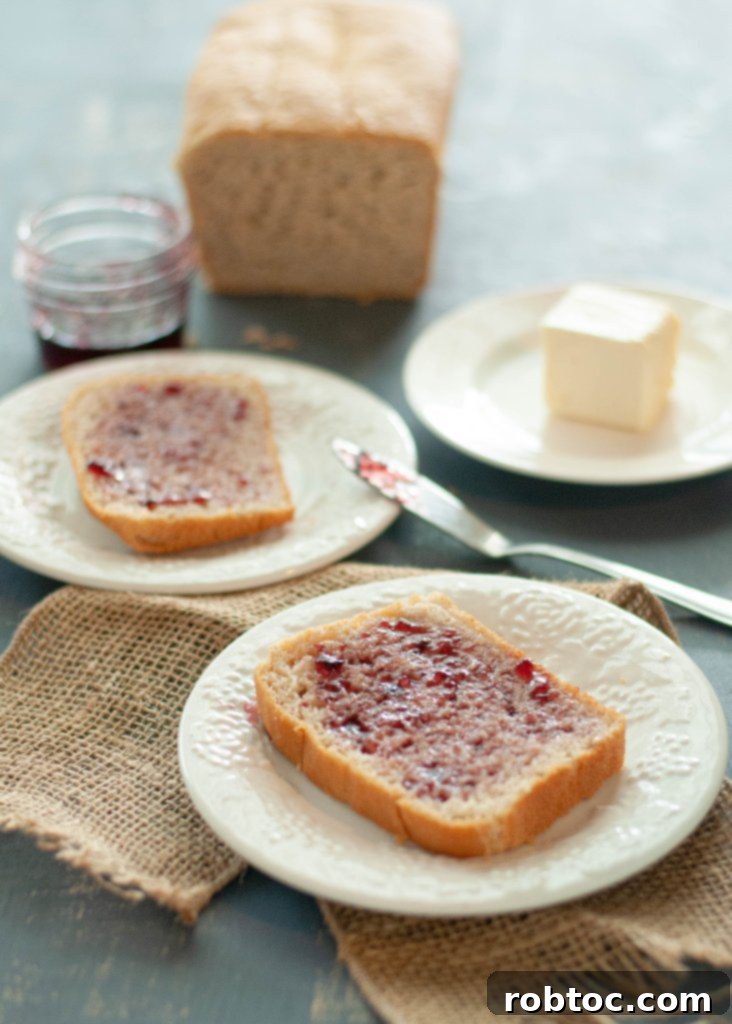
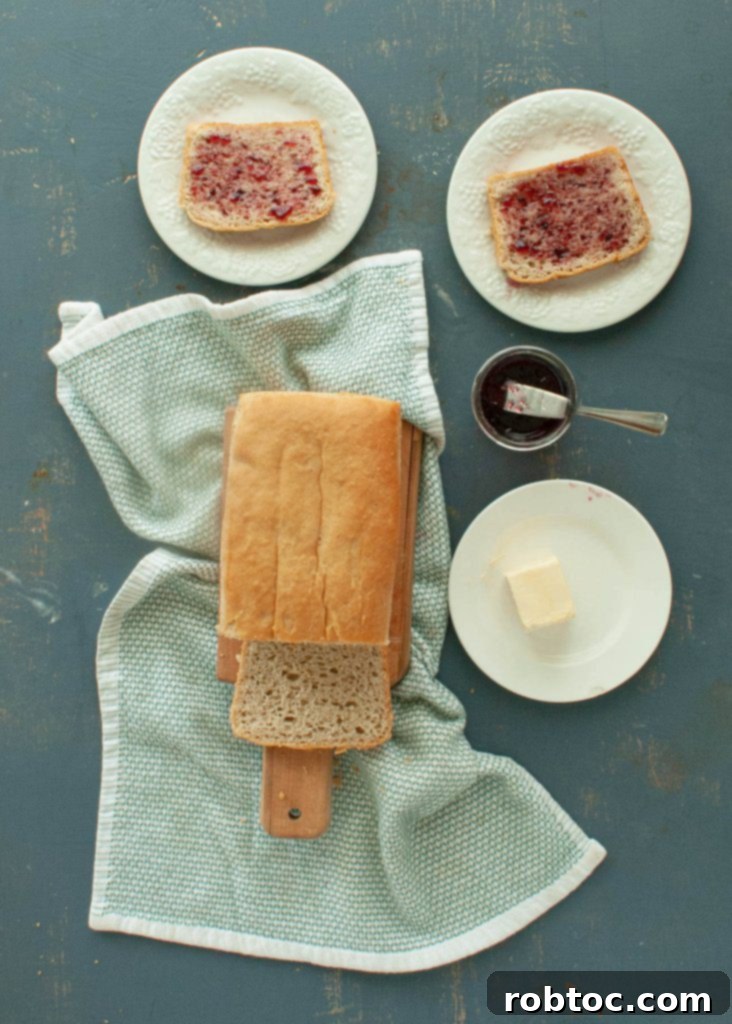
This versatile gluten-free vegan bread is an excellent canvas for a myriad of delicious accompaniments. My personal favorite way to enjoy it is as a warm, toasted slice, generously spread with creamy dairy-free butter and a dollop of fruit jam. The combination of the tender bread, rich butter, and sweet jam is simply irresistible for breakfast or a light snack.
Beyond toast, this bread also serves as the ultimate companion to a comforting bowl of soup. There’s nothing quite like tearing off a piece of soft bread and dunking it into a savory, steaming broth on a chilly day. Here are a couple of my favorite gluten-free, dairy-free, and egg-free soup recipes that pair beautifully with this homemade loaf:
- Hearty Gluten-Free Vegan Minestrone: A wholesome and filling soup packed with vegetables and flavor.
- Creamy Gluten-Free Vegan Tomato Basil Soup: A classic comfort food, made entirely dairy-free for everyone to enjoy.
Whether you prefer sweet or savory, this bread is sure to enhance your meal or snack experience.
Step-by-Step Video Tutorial: Baking Your Own Gluten-Free Vegan Bread
To provide you with the most comprehensive guide and ensure your baking success, I’ve created a detailed video tutorial for this homemade gluten-free vegan bread recipe. Watching the process unfold visually can be incredibly helpful, especially for those new to gluten-free or vegan baking.
You can watch the tutorial video right here on this page, or for a full-screen experience and to easily save it to your favorites, you can also view it directly on YouTube. This video offers a clear, step-by-step overview, demonstrating just how straightforward and achievable it is to create this wonderfully soft and tender bread in your own kitchen.
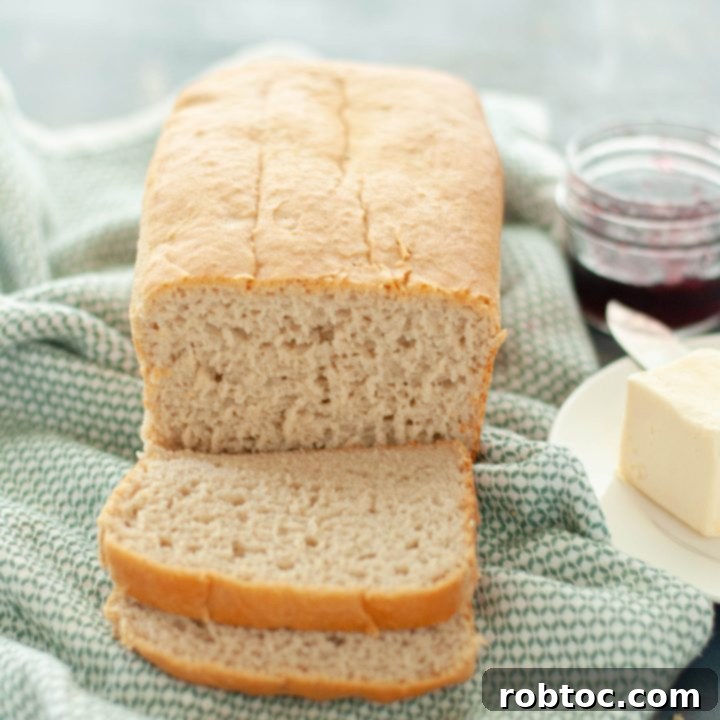
Homemade Gluten Free Vegan Bread
12 slices
15 minutes
45 minutes
45 minutes
1 hour 45 minutes
Discover the joy of freshly baked bread with this incredible recipe for soft, tender, and absolutely delicious gluten-free vegan bread! Gone are the days when allergy-friendly bread meant sacrificing taste or texture. Most traditional gluten-free bread recipes often rely on eggs and dairy for structure and moisture, but we’ve cracked the code to create a truly exceptional loaf that is both gluten-free AND completely vegan. This easy-to-follow recipe requires no complicated kneading, making homemade bread accessible even for beginners.
Ingredients
TOOLS NEEDED:
- 8.5 inch bread pan (see above)
- Plastic wrap
- Non-stick spray of choice
- Stand mixer or handheld electric beaters
- Optional: Instant read digital thermometer recommended for water temperature
INGREDIENTS:
- 3 cups (spoon and level to measure) King Arthur Gluten Free All Purpose Baking Mix
- 1 packet (2 and 1/4 tsp) rapid rise instant yeast
- 1 Tablespoon psyllium husk powder
- 1 tsp baking powder
- 1 tsp salt
- 1 and 1/2 cups warm water (around 110 degrees F)
- 6 Tabelspoons aquafaba (the liquid from a can of garbanzo beans)
- 1/4 cup pure maple syrup
- 1/4 cup canola oil
Instructions
- Turn the light on in your oven. (This will help the oven become warm enough for rising.)
- Place the paddle attachment on your stand mixer, and add to the mixing bowl the dry ingredients: gluten free flour, yeast, psyllium husk powder, baking powder and salt. Combine on low.
- Add the liquids: aquafaba, maple syrup, oil and water (being sure your water is the right temperature to activate the yeast). Mix on low until everything is combined.
- Bump up the speed to medium and mix for 2.5 minutes. Scrapes the sides of the bowl and mix for another 2.5 minutes on medium.
- Grease your bread pan with non-stick spray thoroughly.
- Pour the batter into your pan. Smooth the top of the batter if necessary.
- Measure your plastic wrap and spray the side that will be facing down with more non-stick spray before placing it on top. This will help it not stick when the batter rises.
- Place the covered pan in your oven with the light on for 45 minutes, or until it has doubled/reaches near the top of your pan. Be sure to check it every once in awhile, some gluten-free flours, and climates have the bread rise faster than that and it can rise above the bread pan line in certain areas if allowed to rise too long.
- Take it out of your oven and preheat oven to 350 degrees F.
- Take plastic wrap off and place bread in the middle of the oven and bake for 40-45 minutes.
- If the top starts to brown too much, place a piece of aluminum foil over the top.
- If you want to ensure the bread is done in the middle, place your instant read thermometer in the center of the bread. It should read around 205 degrees F.
- Remove the bread from the oven.
- Allow the bread to cool in the pan for 5 minutes.
- Afterwards, turn the bread over onto a cooling rack and cool completely before slicing.
- Best enjoyed fresh/day of.
- See the post above for storing options.
Notes
Please read above the recipe card for details on ingredients and substitutions.
*Our allergies, while severe and that get re-tested frequently, are such that we can go strictly by what’s on the label. I do not call companies to see what things are derived from, or call manufacturers to see about potential cross contact. If your allergies require you to do so, please do your own homework. I cannot assure you of any ingredient’s safety, only you can do that. I simply share what works for our family
**If you are going to feed this to someone with food allergies, and you yourself do not have food allergies, I HIGHLY recommend having them check every single brand and ingredient you are using, to ensure they’re OK with each part of the recipe. And, to make sure you’ve talked to them about how to avoid cross contamination in your kitchen.
Adapted from my gluten free dairy free egg free homemade bread, which I adapted from Mama Gourmand’s Soft White Gluten Free Bread.
Nutrition Information:
Yield: 12
Serving Size: 1
Amount Per Serving:
Calories: 133Total Fat: 7gSaturated Fat: 1gTrans Fat: 0gUnsaturated Fat: 6gCholesterol: 0mgSodium: 413mgCarbohydrates: 17gFiber: 1gSugar: 5gProtein: 2g
Don’t forget to save this incredible gluten-free vegan bread recipe so you can easily find it again! While you’re at it, explore my other diet-specific Pinterest boards for more allergy-friendly inspiration. And please, if you love this recipe, consider leaving a star rating – your feedback means the world!