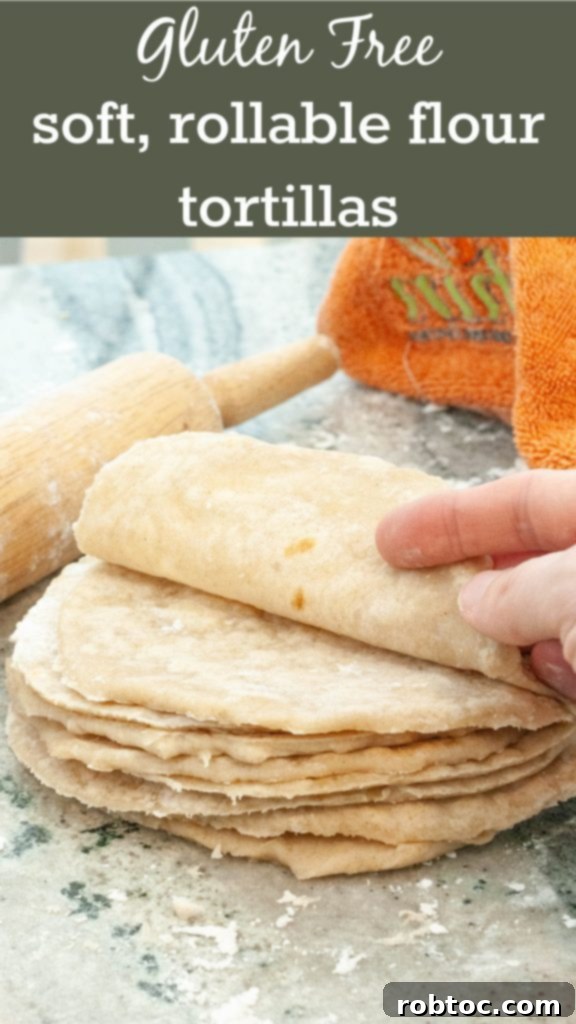
The Best Gluten-Free Flour Tortillas: Soft, Flexible, & Top 8 Allergen-Free
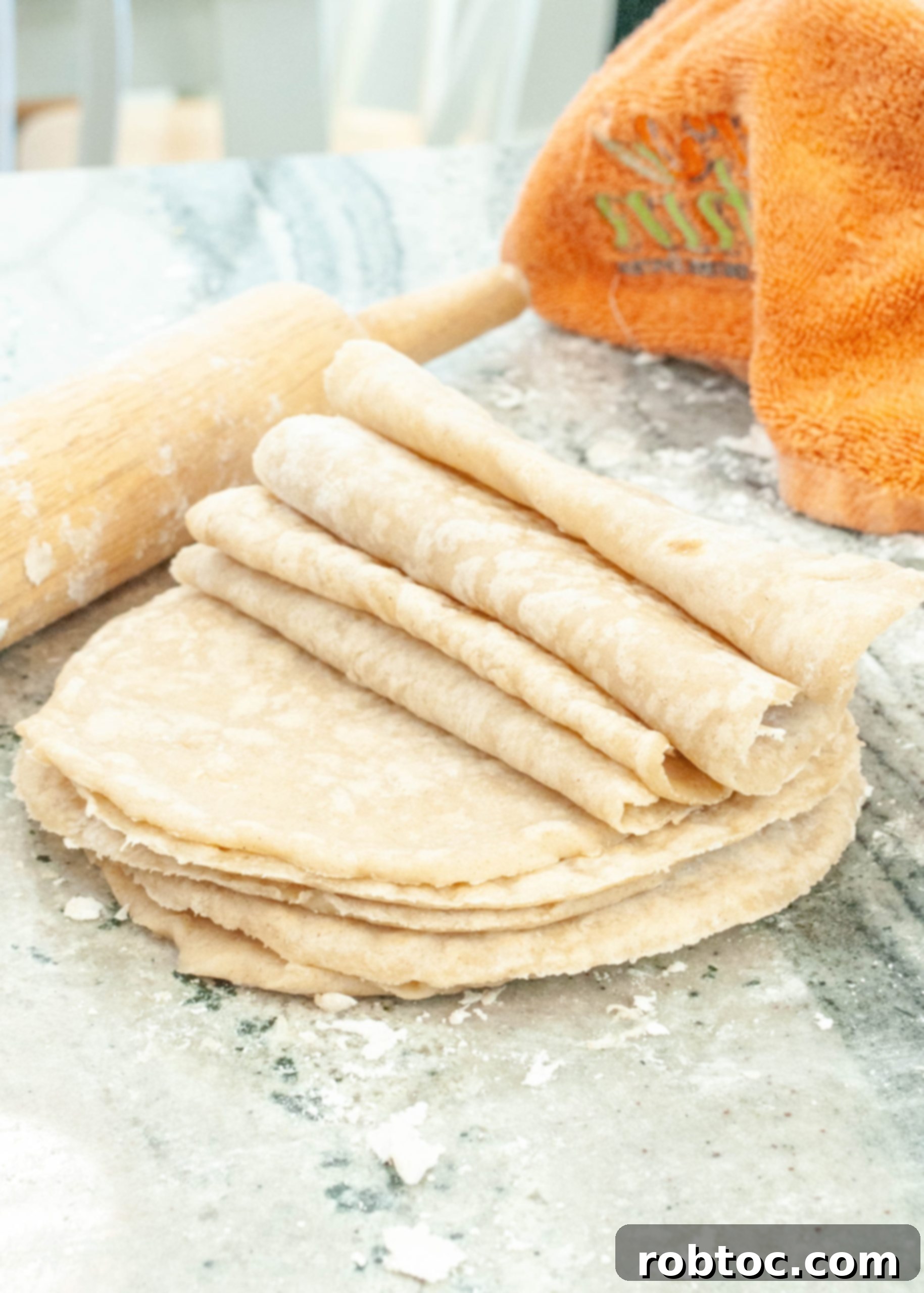
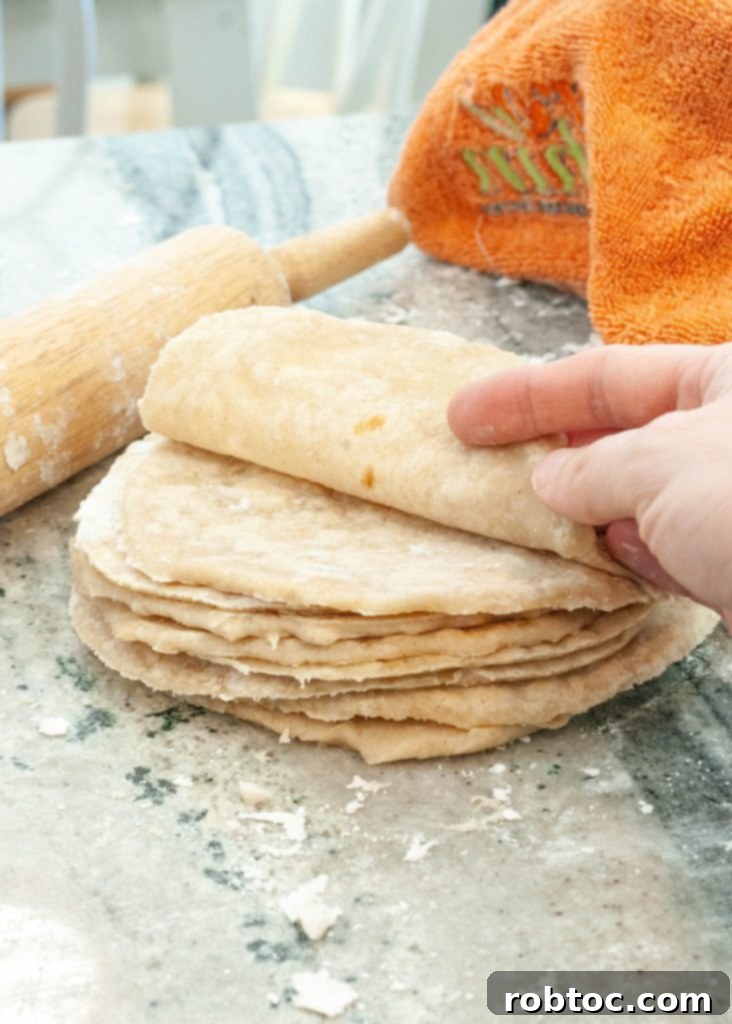
Discover the ultimate homemade gluten-free flour tortillas recipe that delivers unparalleled flexibility, rollability, and stretchiness – perfect for all your favorite fillings! Get ready to elevate your Taco Tuesdays and burrito nights with these incredible, easy-to-make tortillas. Not only are they gluten-free, but they’re also completely vegan and free from the top 8 common allergens (wheat, dairy, egg, soy, fish, shellfish, peanut, and tree nuts). Experience the joy of truly pliable tortillas without compromise!
This post contains affiliate links, meaning if you make a purchase through them, I may earn a small commission at no extra cost to you.
Why This Gluten-Free Tortilla Recipe Stands Out
My journey to perfect gluten-free flour tortillas was a long and often frustrating one. Like many of you, I scoured the internet, trying countless “top” recipes for homemade gluten-free tortillas. While the dough for some seemed promising initially, the final result consistently fell short. Most were only somewhat soft, far too thick to roll effectively (even when I tried to roll them paper-thin, they’d crack and tear), and ultimately, quite bland. They simply weren’t worth the time and effort invested.
I genuinely began to believe that a truly flexible, bendable gluten-free tortilla might be an impossible dream. I was honestly surprised that so many gluten-free bloggers featured recipes for them on their sites, as their videos often revealed a distinct lack of pliability. Perhaps for those who have long adapted to denser, harder gluten-free alternatives, these might seem acceptable. However, as someone who also eats gluten and craves that authentic tortilla experience, I was determined not to settle for disappointment, especially when sharing meals with my husband and son.
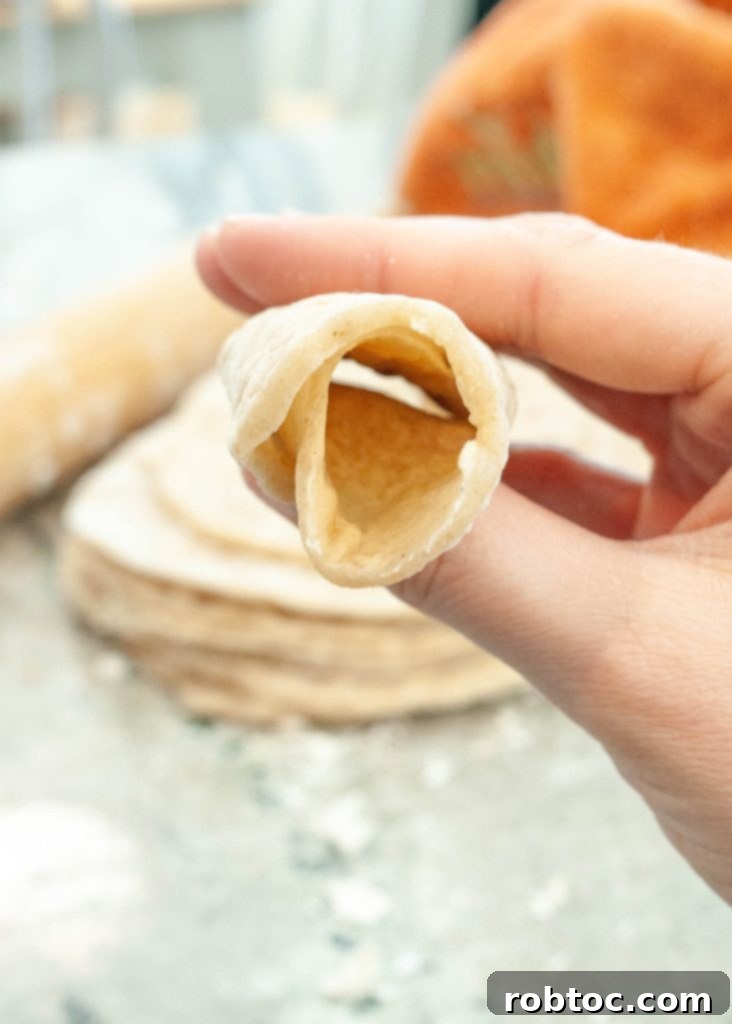
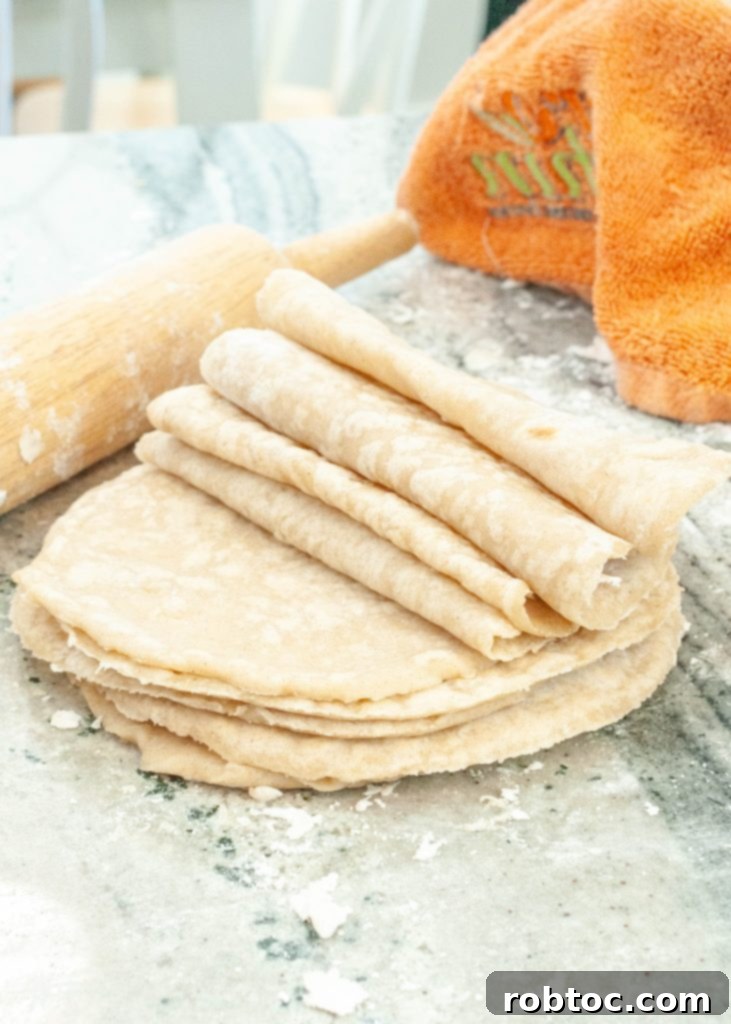
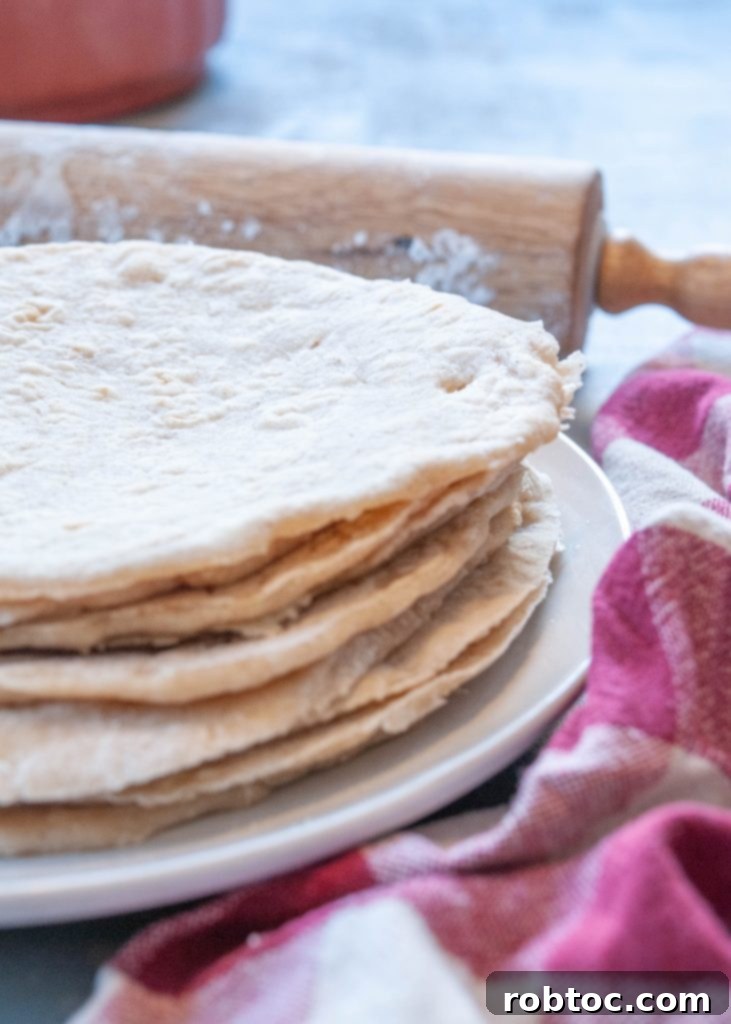
After multiple attempts and failures, the breakthrough finally arrived! These homemade gluten-free tortillas are incredibly rollable and possess an amazing elasticity. You can confidently wrap a full burrito, knowing it will bend and fold without breaking, mimicking the experience of traditional flour tortillas. My philosophy has always been to only share recipes that genuinely work and taste fantastic, rather than offering a mediocre one. The key to this success came from observing two recurring trends in my extensive research: the strategic addition of extra starch and the incorporation of psyllium husk gel. Combining these two methods yielded results that truly amazed me!
The elasticity achieved through this innovative combination is truly remarkable. Gluten is the protein responsible for the incredible stretch and pliability in traditional flour. Without it, finding a suitable replacement is crucial. While we often strive to replicate gluten-filled recipes in gluten-free baking, sometimes a little extra help – like specific starches and binders – is necessary to bridge that gap and achieve the desired texture. Trust me on this!
I initially resisted the idea of recommending a specific flour blend or an extra ingredient like psyllium husk. I understand the desire to keep recipes simple and minimize expenses. However, for a recipe as fundamental as tortillas, where the main ingredients are flour, water, and oil, the quality and composition of the flour blend make an enormous difference. This particular combination is essential for achieving the perfect soft, stretchy texture that makes these gluten-free flour tortillas a game-changer.
Choosing the Right Gluten-Free Flour Blend for Perfect Tortillas
Normally, I’m all about value and using common pantry staples. However, when it comes to these simple yet critical gluten-free flour tortillas, the quality of your all-purpose gluten-free flour blend truly shines. It’s an investment that pays off in the final product’s texture and flexibility. For this recipe, I highly recommend using King Arthur’s Measure for Measure Gluten-Free Flour Blend. Unfortunately, all gluten-free blends differ in their composition and ratios of various flours and starches, which can significantly impact the outcome of a sensitive recipe like tortillas.
To give you a better understanding, here are the ingredients typically found in King Arthur’s Measure for Measure Flour blend:
- Rice flour, whole grain brown rice flour, sorghum flour, tapioca starch, potato starch, cellulose, vitamin and mineral blend: calcium carbonate, niacinamide (vitamin B3), reduced iron, thiamin hydrochloride (vitamin B1), riboflavin (vitamin B2)], xanthan gum, cellulose gum.
This blend includes a balanced mix of flours and starches, along with xanthan gum, which is a common binder in gluten-free baking. I usually purchase my King Arthur flour at local grocery stores like Kroger, but it’s also readily available directly from their website or conveniently on Amazon. Using this specific blend ensures consistency and the best possible results for these soft gluten-free tortillas.
Understanding the Magic of Psyllium Husk Powder
Psyllium husk powder is, in my opinion, a true marvel in gluten-free baking – it’s like a sprinkle of magic fairy dust! It plays an absolutely crucial role in replicating the stretch and elasticity that gluten provides in traditional flour. This natural fiber has an incredible ability to absorb water and form a gel, which then acts as a binder and imparts a wonderful chewiness and pliability to the dough. It’s essential to allow the psyllium husk powder to bloom in water first, forming a thick gel before adding it to the rest of your ingredients. This step ensures proper hydration and activation of its binding properties.
You can use any brand of psyllium husk powder you prefer. I often buy mine in bulk from stores like Winco, under their KFK Seasonings brand. It’s also easily found on Amazon. The key is to ensure you’re using the **powdered form** and not whole psyllium seeds, as the powder integrates much more effectively into the dough to create that smooth, flexible texture.
I’ve heard some claim that psyllium husk can impart an unpleasant taste. However, in my experience with this recipe and many others, I honestly cannot detect any noticeable flavor from the psyllium husk. So, if you’re concerned about taste, rest assured that it won’t detract from the deliciousness of your homemade gluten-free tortillas.
And if you’re wondering what else to do with a bag of psyllium husk powder, don’t worry about it going to waste! I frequently use it in other highly-rated recipes, such as my extremely popular homemade gluten-free bread, which also benefits greatly from its unique binding and textural qualities.
Tapioca Flour vs. Tapioca Starch: What’s the Difference?
First and foremost, let’s clarify a common point of confusion: tapioca flour and tapioca starch are essentially the same thing. The terms are often used interchangeably, so there’s no need to worry about which one you have on hand – either will work perfectly for this recipe. Tapioca starch is derived from the cassava root and is prized in gluten-free baking for its ability to add chewiness, crispness, and a light, airy texture. It also helps with browning and contributes to the overall flexibility of these gluten-free tortillas.
You can use whatever brand you prefer or have available. I personally used Bob’s Red Mill Tapioca Flour, but any reputable brand will suffice. Just ensure it’s pure tapioca starch/flour without any added ingredients. Its role here is to lighten the dough and contribute to that desirable soft, pliable texture.
The Essential Tool: A Digital Kitchen Scale
While I always try to make my recipes as accessible as possible, for this particular gluten-free tortilla recipe, I truly wish I could tell you that a digital kitchen scale isn’t necessary. However, for precise and consistent results, it is absolutely invaluable. Gluten-free baking, especially for recipes like tortillas where texture is paramount, demands exact measurements. The slightest variation in flour or water can drastically alter the dough’s consistency and the final tortilla’s pliability.
I resisted getting a scale for a long time, thinking it would be an unnecessary extra step or a cumbersome tool. But once I started using one, especially for gluten-free recipes, I realized what a difference it makes. It ensures you get the exact grams for the critical ingredients, which is why I’ve provided those measurements in grams only (without cup equivalents) for the most sensitive components of this recipe. Digital kitchen scales are quite inexpensive and readily available; I found mine easily on Amazon. Investing in one will significantly improve your success with these tortillas and many other baking projects!
Are These Gluten-Free Tortillas Allergy-Friendly?
Absolutely! This recipe is crafted to be inclusive and safe for many with dietary restrictions. As written, these homemade gluten-free tortillas are free from gluten, dairy, egg, soy, fish, shellfish, peanut, and tree nuts. This makes them wonderfully free of the top 8 common allergens, opening up delicious possibilities for families managing multiple food allergies. #top8free
Are These Gluten-Free Tortillas Vegan?
Yes, indeed! This recipe is entirely plant-based. These flexible gluten-free tortillas are perfect for both those with gluten sensitivities and individuals following a vegan lifestyle. Prepare for joyful meals where everyone can partake!
Choosing the Best Fat for This Recipe
For these soft and pliable gluten-free tortillas, I consistently use olive oil. Both extra virgin and virgin olive oil work beautifully. Olive oil not only contributes to the dough’s moisture and tenderness but also adds a subtle, pleasant flavor. It’s a healthy and readily available option that helps create that desirable soft texture, crucial for rollable tortillas. Feel free to use your preferred type of olive oil.
Essential Tools for Making These Homemade Gluten-Free Tortillas
Having the right kitchen tools can make the process of crafting these delicious gluten-free flour tortillas much smoother and more enjoyable. Here’s what you’ll need to gather:
- **Large mixing bowl:** For combining the dry and wet ingredients.
- **Small mixing bowl:** For preparing the psyllium husk gel.
- **Measuring cups and spoons:** For ingredients not measured in grams.
- **Mixing spoon/spatula:** To initially combine ingredients.
- **Rolling pin:** Essential for rolling out the dough thinly and evenly.
- **Cake ring or pot lid:** A 6-inch pot lid or similar round object works perfectly for shaping uniform tortillas.
- **Griddle or non-stick large frying pan:** For cooking the tortillas. A flat, even heating surface is key.
- **Tortilla warmer:** Highly recommended for keeping your tortillas warm and pliable after cooking.
- **Clean dish towel:** To cover dough and cooked tortillas if you don’t have a warmer.
- **Electric digital kitchen scale**: As discussed, this is crucial for precise measurements of key ingredients to ensure success.
Do I Need a Tortilla Press for Gluten-Free Tortillas?
Absolutely not! I’m a firm believer in minimizing kitchen clutter, and I only invest in tools that offer multiple uses. A single-purpose tool like a tortilla press often ends up taking up valuable cabinet space. The beauty of this recipe is that you can achieve wonderfully thin and round tortillas without the added expense or hassle of a specialized press. Plus, rolling them by hand gives you complete flexibility to create tortillas of any size or thickness you desire – from delicate street taco sizes to robust, large burritos.
For shaping, you can be as simple or as precise as you like. A basic method involves rolling the dough as round as possible, then using a sharp knife or pizza cutter to trim around a circular template, like a small plate or a cake ring. My personal preference is to use one of my pot lids (around 6-7 inches in diameter) to achieve mostly uniform shapes. Don’t worry if they’re not absolutely perfect circles; even with the dough’s stretchiness, they’ll still be delicious and functional. Some slight rustic imperfection only adds to their homemade charm! You can see exactly how I achieve this in the video demonstration below, which provides excellent visual guidance.
Is a Tortilla Warmer Really Necessary?
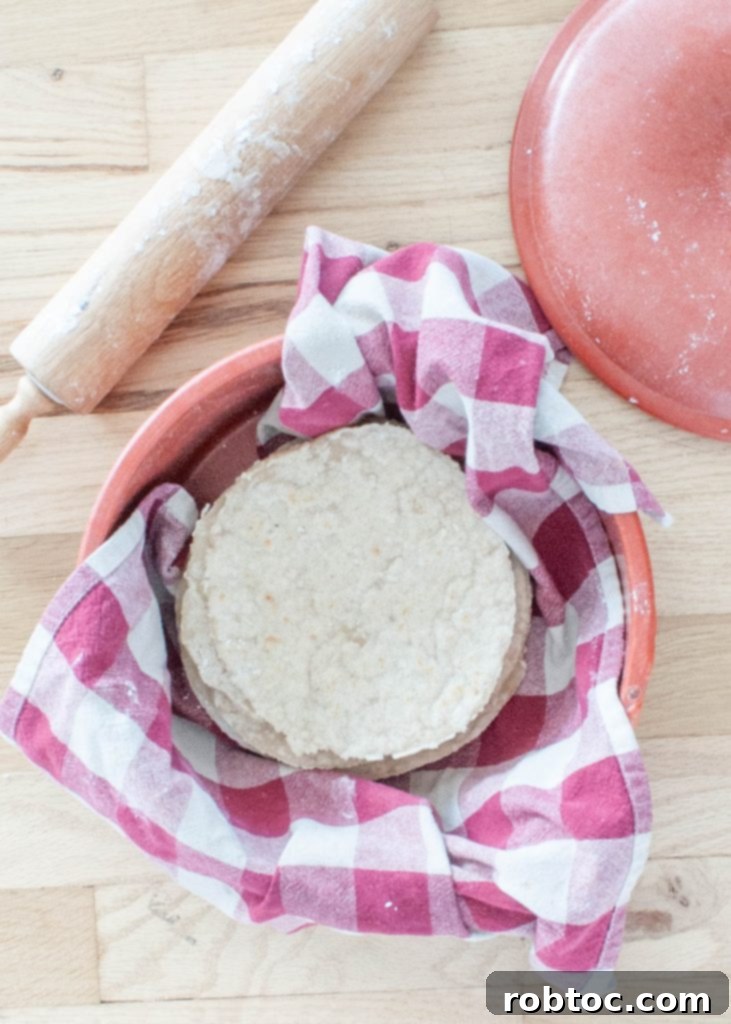
Many people suggest that a clean dish towel is sufficient for storing cooked, hot tortillas to keep them moist and warm until serving. Keeping tortillas warm is indeed critical, as it helps them remain pliable and prevents them from drying out and becoming stiff. However, I’ve found that a dedicated tortilla warmer is an inexpensive tool that truly excels at trapping moisture and heat for much longer periods. This means your tortillas stay softer and more flexible for an extended time, ensuring the best possible eating experience.
Beyond tortillas, these warmers are incredibly versatile. I frequently use my tortilla warmer for keeping other batch-cooked items warm, such as French toast or my popular gluten-free vegan pancakes. Once you start using one, especially when preparing multiple batches of food, you’ll wonder how you ever managed without it. It ensures that every serving, from the first to the last, is delightfully warm and fresh.
What Can I Enjoy with These Flexible Gluten-Free Tortillas?
The versatility of these soft, flexible gluten-free flour tortillas is truly limitless! They serve as the perfect canvas for almost any filling you can imagine. For a classic and savory option, my slow cooker pork tacos would be an absolutely fantastic choice. If you’re looking to keep your meal entirely vegan, my sweet potato and black bean filling would be an outstanding and flavorful pairing.
Don’t limit yourself to just savory! These tortillas also make a wonderful base for sweet treats. Imagine them filled with a luscious spread of Nutella (or Nutiva for a dairy-free option), your favorite jam, or a safe nut or seed butter. They’re also ideal for breakfast; use them to create my delightful gluten-free dairy-free breakfast tacos. And, of course, a simple quesadilla filled with your favorite cheese (or dairy-free alternative) is always a winner. The possibilities for fillings are truly endless!
To complement any of these amazing tortilla creations, my go-to side dish is Cilantro Lime Rice and Beans, a recipe that can be found in my highly-rated allergy-friendly cookbook. It’s the perfect vibrant and fresh accompaniment.
Can I Just Buy Store-Bought Gluten-Free Tortillas?
I completely understand that life gets busy, and sometimes, making tortillas from scratch just isn’t feasible. When time is of the essence and I don’t feel like whipping up a fresh batch, I genuinely recommend Mission’s Gluten-Free Tortillas. While they are on the pricier side – typically around a dollar per tortilla, with only six included in a package – they offer good size and excellent rollability, making them a reliable store-bought option. You can usually find them at major retailers like Walmart. However, if you have the time, I truly believe the fresh, superior texture and flavor of these homemade gluten-free tortillas are well worth the effort!
Is There a Video Guide for Making These Tortillas?
Yes, absolutely! I recognize that seeing the process in action can be incredibly helpful, especially for gluten-free baking where dough consistency is crucial. I wanted you to be able to visualize the dough’s texture, observe how I roll it out, and see exactly what the cooked tortillas look like – which is often more informative than static pictures (plus, taking compelling photos of white, round circles can be a challenge, as you might imagine!). The video should automatically play on this page, or if not, you’ll find it embedded at the bottom of the recipe card. For additional resources and more cooking tutorials, you can always visit my YouTube Channel.
Easy Gluten-Free Flour Tortillas + VIDEO
10 six inch tortillas
20 minutes
10 minutes
30 minutes
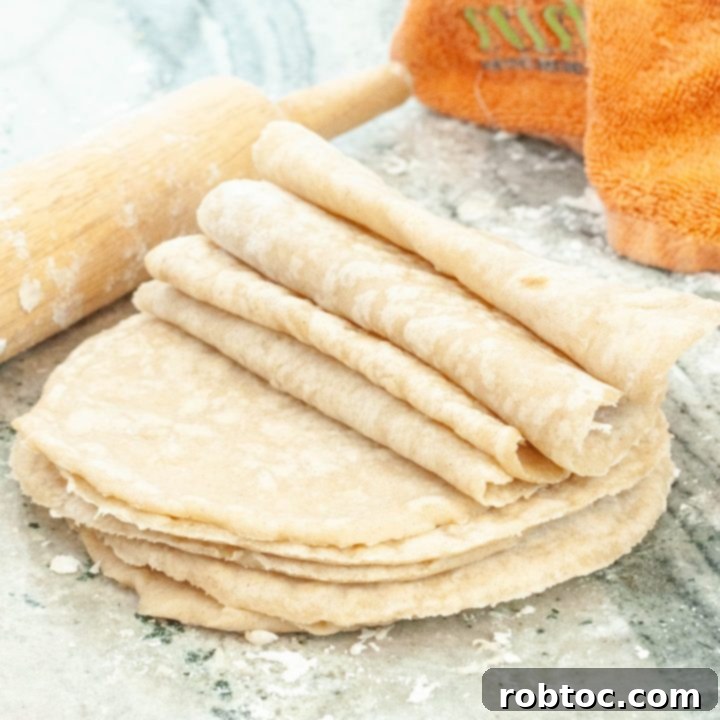
A straight miracle: gluten free flour tortillas that are flexible, rollable and stretchy to fit ALLL the good fillings. Get ready for Taco Tuesday on repeat, because these tortillas are coming in hot! These tortillas are also vegan, and top 8 free (wheat, dairy, egg, soy, fish, shellfish, peanut and tree nut free).
Ingredients
- 12 g psyllium husk powder
- 320 g water
- 210 g King Arthur Measure for Measure gluten-free flour blend
- 1/2 cup tapioca starch/flour + more for sprinkling and rolling dough
- 1 tsp salt
- 1/4 cup olive oil
Instructions
- For the most precise results, use a digital kitchen scale to measure all ingredients listed in grams. Accuracy is key in gluten-free baking.
- In a small bowl, thoroughly stir together the psyllium husk powder and water. Allow this mixture to sit for a few minutes until it thickens into a gel-like consistency. This step is crucial for activating the psyllium husk’s binding properties.
- In a large mixing bowl, combine the gluten-free flour blend, salt, and tapioca starch/flour. Whisk them together until they are well combined.
- Pour the olive oil and the prepared psyllium husk gel into the large mixing bowl with the dry ingredients. Stir well with a spoon or spatula until everything starts to come together.
- Use a spatula to scrape down the sides of the bowl, then finish mixing by hand to ensure all liquids and flours are fully incorporated. The dough will be somewhat sticky and springy – don’t worry, the dusting with tapioca starch during rolling will manage this stickiness.
- Cover the bowl with a clean, damp dish towel. This prevents the dough from drying out while you work with individual portions.
- Tear off a portion of dough roughly the size of a tennis ball. Roll it into a smooth ball. Place it on a clean work surface generously dusted with tapioca starch. Lightly dust the top of the dough ball and your rolling pin with more tapioca starch.
- Using your rolling pin, gently stretch and roll the dough until it is very thin, almost to the point of transparency or just before it might tear. Aim for consistent thinness for optimal flexibility.
- Shape the tortilla to your desired size and aesthetic. I find a 6-inch pot lid useful for creating uniform circles (they may stretch slightly when moved, due to their pliability, but will still be close to perfect). You can make small street taco-sized tortillas or large burritos – the choice is yours!
- Heat a non-stick skillet or a large frying pan over medium-high heat. Test if it’s ready by sprinkling a few drops of water onto the surface; if they sizzle immediately, the pan is hot enough.
- Cook each tortilla for approximately 45 seconds to one minute per side. Avoid overcooking, as this will make them hard and less pliable. Unlike gluten-based tortillas, these won’t develop many large brown spots; they should still appear slightly underdone when flipped and removed from the pan.
- Place a clean dish cloth in your tortilla warmer. As each tortilla finishes cooking, transfer it directly into the towel, wrap it, and close the lid of the warmer. This creates a warm, humid environment that keeps the tortillas soft and pliable until serving.
- Serve your freshly made, soft gluten-free tortillas immediately for the best flavor and texture.
- Leftover tortillas can be stored at room temperature in a sealed ziplock bag for 2-3 days. Ensure they have cooled completely before sealing to prevent condensation.
- To reheat, place tortillas in the microwave with a damp towel or paper towel covering them. Heat at half power for a few seconds until warmed through, or reheat gently on a griddle.
- While I haven’t personally frozen these, I anticipate they would freeze well in a ziplock bag for several months. Thaw them overnight in the refrigerator and reheat as directed above for best results.
Notes
I provide ONLY grams for the ingredients that require extreme precision, hence the requirement for a digital kitchen scale for optimal results.
All frequently asked questions (FAQs) are detailed above the recipe card. For the best visual guidance and outcome, be sure to watch the embedded video tutorial below as well.
*Our family’s allergies are severe and regularly re-tested, allowing us to strictly adhere to label information. I do not contact companies to inquire about ingredient derivations or potential cross-contact issues during manufacturing. If your specific allergies necessitate such precautions, please conduct your own due diligence. I cannot guarantee the safety of any ingredient for your individual needs; only you can make that determination. I simply share what works safely for my family.
**If you are preparing this recipe for someone with food allergies, and you do not personally manage allergies, I HIGHLY recommend consulting with them. Have them review every single brand and ingredient you plan to use to ensure it meets their safety standards. Additionally, discuss and implement strategies to avoid cross-contamination in your kitchen.
The inspiration for adding extra starch comes from Gluten Free on a Shoestring, and the psyllium husk gel idea is credited to The Loopy Whisk. Their innovative approaches were instrumental in perfecting this recipe.
Nutrition Information:
Yield: 10
Serving Size: 1
Amount Per Serving:
Calories: 296
Total Fat: 12g
Saturated Fat: 3g
Trans Fat: 0g
Unsaturated Fat: 8g
Cholesterol: 0mg
Sodium: 328mg
Carbohydrates: 43g
Fiber: 2g
Sugar: 0g
Protein: 4g
DON’T FORGET TO PIN THIS RECIPE, SO YOU CAN EASILY FIND IT LATER. WHILE YOU’RE THERE, EXPLORE MY OTHER DELICIOUS GLUTEN-FREE PINTEREST PINS!