This post contains affiliate links.
Mastering Authentic Pan de Bono: Your Ultimate Guide to Gluten-Free Colombian Cheese Bread
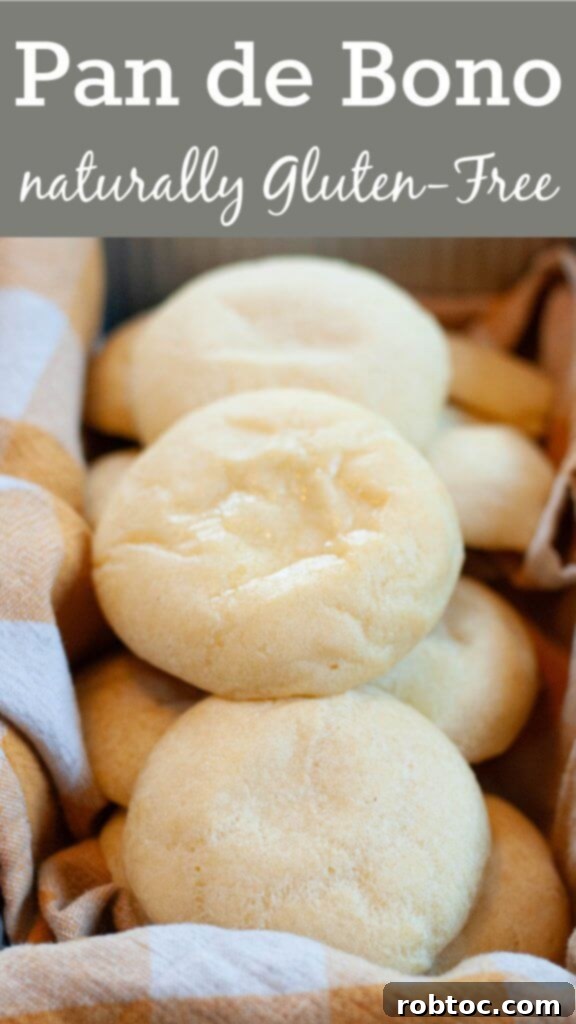
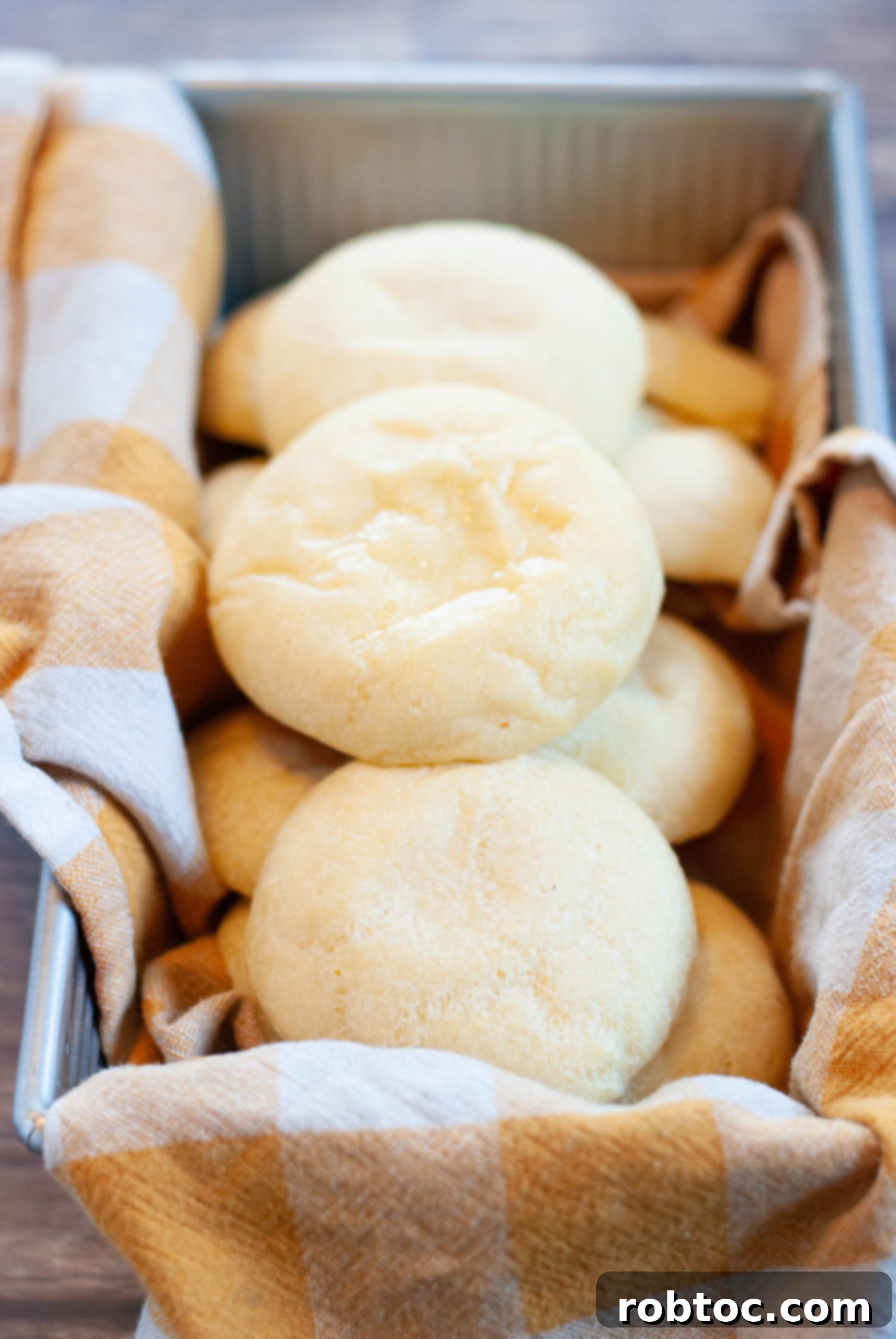
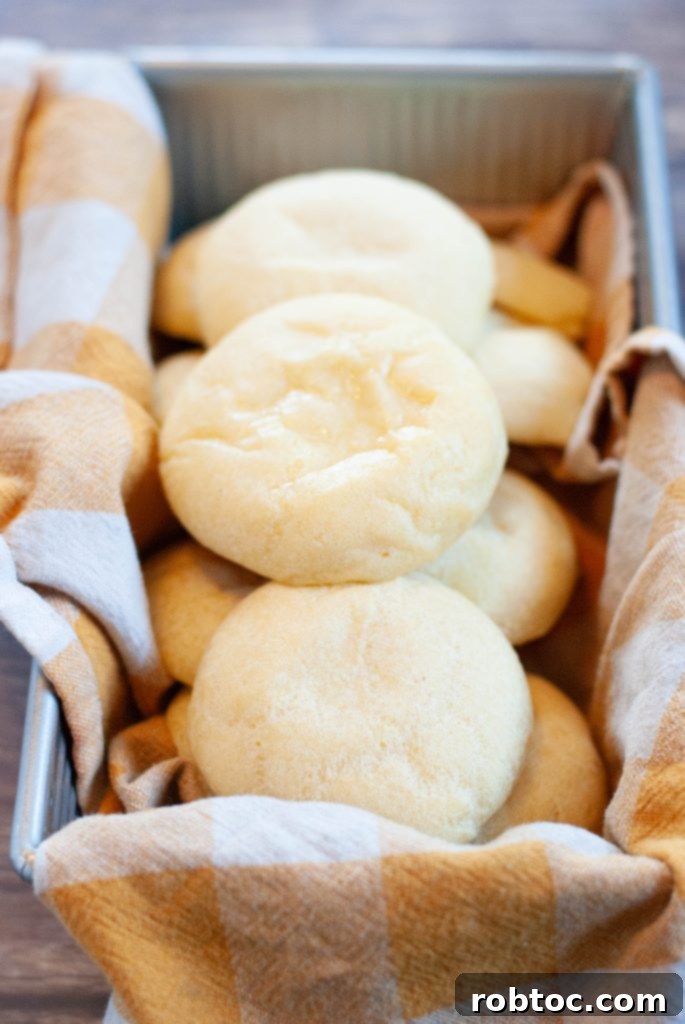
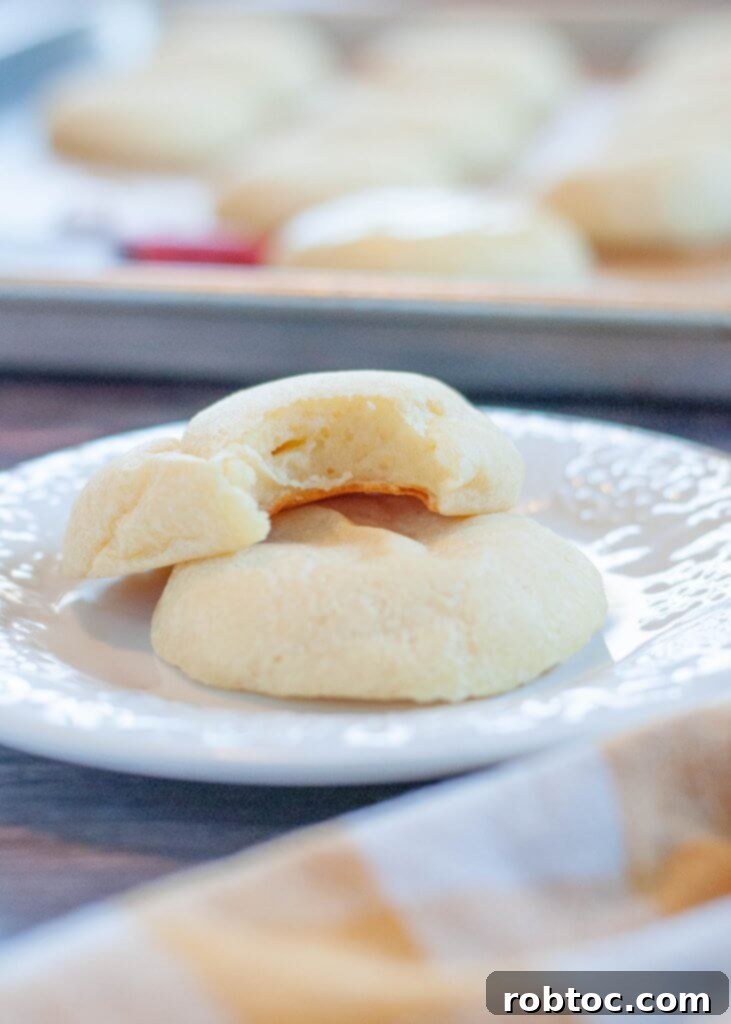
Pan de bono, often spelled pandebono, is an irresistible Colombian cheese bread that has captured hearts with its unique texture and savory flavor. For anyone who loves cheese, this recipe is a true delight! Imagine the comforting taste of a quesadilla made from corn tortillas, but instead of being crisp, it’s wonderfully soft, chewy, and delightfully pillowy. This traditional South American treat combines two types of cheese with masa harina, creating a gluten-free bread roll that’s perfect for any time of day.
During my research for this recipe, I encountered various interpretations. Some versions incorporate butter and baking powder, while others, like the one I’m sharing, stick to a more fundamental approach. My aim was to honor the authentic spirit of pan de bono, which, as historical accounts suggest, was originally conceived as a substantial and satisfying snack for laborers in Colombia. This simple yet fulfilling bread provided much-needed sustenance, making it a staple in Colombian households.
If you’re new to gluten-free baking, this pan de bono recipe is an excellent starting point. It doesn’t require complex gluten-free flour blends or specialized gums like guar gum or xanthan gum. Its straightforward ingredient list makes it an accessible and rewarding venture, promising a delicious, cheesy, and satisfying roll that anyone can enjoy, whether or not they follow a gluten-free diet. It’s a testament to how incredible gluten-free baking can be when you focus on naturally gluten-free ingredients.
What Exactly is Masa Harina? Is it Different from Cornmeal?
A common question when discussing pan de bono is about masa harina. No, masa harina is not the same as regular cornmeal, although both are derived from corn. The key difference lies in the processing. Masa harina undergoes a traditional Mesoamerican process called nixtamalization, where corn kernels are cooked and steeped in an alkaline solution (typically limewater). This process makes the corn more nutritious, easier to digest, and gives it a distinct, robust flavor and aroma that cornmeal lacks.
This unique treatment imparts a strong, savory corn flavor to masa harina, quite different from the often slightly sweet profile of cornmeal. Consequently, you cannot simply substitute cornmeal for masa harina in this recipe; doing so would drastically alter the taste and texture of your pan de bono. If you’ve ever savored authentic tamales, you’ll recognize the characteristic flavor of masa harina, as it’s the primary ingredient in tamale dough. This recipe delivers a wonderfully tamale-like essence, offering a familiar comfort with significantly less effort than making actual tamales.
What is Maseca?
Maseca is a widely recognized and popular brand of masa harina, particularly known for its quality and availability. When selecting masa harina for this pan de bono recipe, Maseca is the brand that I personally use and recommend. Its consistent quality helps ensure the perfect texture and flavor for your Colombian cheese bread.
Choosing the Best Cheeses for Your Pan de Bono
The choice of cheese is paramount to the authentic flavor and delightful texture of pan de bono. While traditional Colombian recipes often call for “Quesito,” a specific fresh, mild Colombian cheese, it can be challenging to find outside of South America. Most recipes developed in the United States, therefore, adapt by using readily available alternatives.
The most common substitute for Quesito is Queso Fresco, a Mexican fresh cheese known for its mild, slightly tangy flavor and crumbly texture. Alongside Queso Fresco, many recipes also suggest incorporating feta cheese. Feta, a Greek cheese, brings a crucial salty zing that balances the other flavors and adds depth to the bread. While less common, I’ve even seen recipes that include mozzarella, which contributes a softer, milder dairy note. In general, a variety of cheeses can work, allowing you to experiment with your favorites. The key is to select cheeses that will melt and blend well without compromising the distinctive soft and chewy texture of the pan de bono.
It’s worth noting my experience with dairy-free alternatives. Although a significant majority of my recipes cater to dairy allergies (like my son’s), I opted not to develop a dairy-free version for pan de bono. My personal experience with many dairy-free cheese brands is that they are often expensive, tend not to melt effectively, and can result in a gummy or gloopy texture. Given that cheese is truly the star ingredient in this recipe, with so few components, I was concerned that dairy-free cheese would significantly alter the bread’s intended texture and overall deliciousness. For an authentic and satisfying pan de bono, I highly recommend using traditional dairy cheeses.
Essential Tools for Making Pan de Bono
Having the right tools can make all the difference in the ease and success of your pan de bono baking experience. Here’s what you’ll need:
- Measuring cups and spoons: Standard kitchen essentials for accurate ingredient proportions.
- Food processor: This is a non-negotiable tool for this recipe. It ensures that the cheeses are finely crumbled and thoroughly mixed with the flours, leading to a smooth, cohesive dough without requiring excessive hand strength.
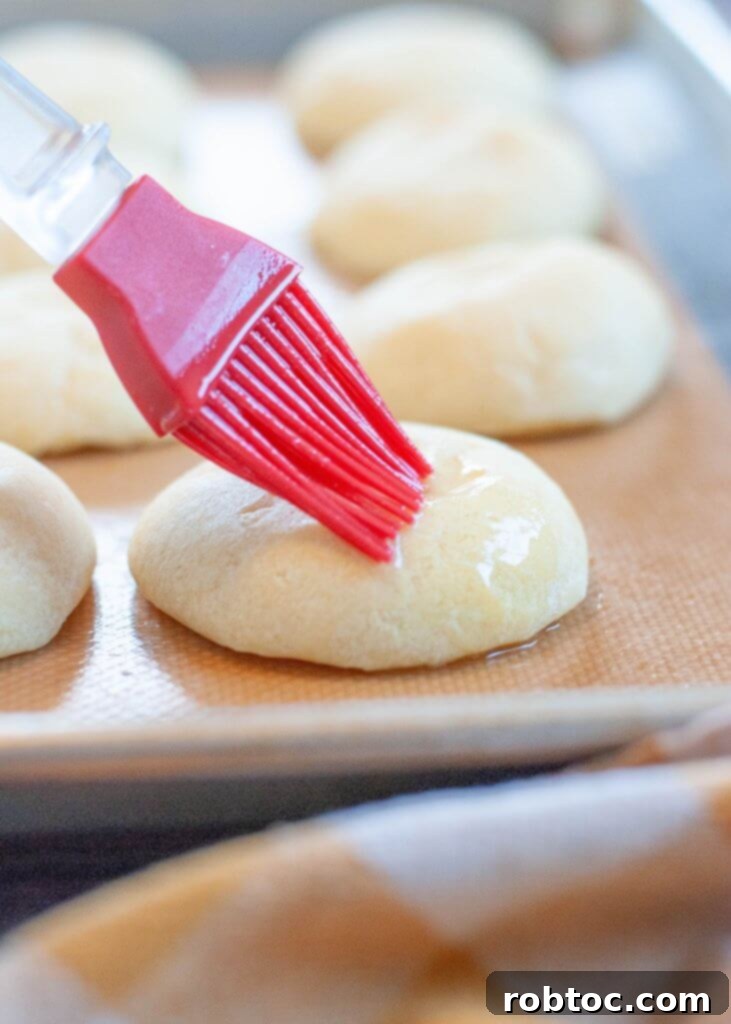
- Pastry brush: Ideal for evenly coating the pan de bono with melted butter halfway through baking, contributing to a beautiful golden-brown crust and rich flavor.
- Baking sheet/cookie sheet: The surface on which your pan de bono will bake to perfection.
- Silicone baking mat or parchment paper: Prevents sticking and ensures easy cleanup.
- *Not strictly required, but highly recommended: a digital food scale. I’ve often found that cheese packages claiming “8 oz” can actually contain a bit more. Using a digital scale guarantees precise measurement of your cheese, which is crucial for the optimal dough consistency and flavor in this recipe.
Simple Ingredients for Delicious Pan de Bono
One of the beauties of Pan de Bono is its remarkably short and simple ingredient list, making it approachable for even novice bakers. With just a handful of items, you can create these delightful cheese breads:
- 1 cup feta (approximately 8 oz): Provides a tangy, salty kick that is essential for balancing the flavors.
- 1 cup queso fresco (approximately 8 oz): Contributes a mild, milky freshness and crumbly texture.
- 1/3 cup masa harina (I prefer the Maseca brand): The distinctive corn flour that gives Pan de Bono its unique flavor and structure.
- 2/3 cup tapioca flour/starch: Adds to the chewy, elastic texture characteristic of these rolls.
- 1 large egg: Acts as a binder, bringing the dough together.
- 2 Tablespoons butter, melted (for brushing): Enhances flavor and promotes a golden, appetizing crust.
Step-by-Step Instructions for Making Pan de Bono
Follow these straightforward steps to bake your perfect batch of Colombian cheese bread:
- Preheat your oven to 375°F (190°C).
- Accurately weigh your cheese. I’ve often found that packages labeled 8 oz can actually contain up to an ounce more. Using a digital kitchen scale is highly recommended for precise measurements, ensuring the best dough consistency.
- Place the measured feta and queso fresco into your food processor. Pulse until the cheese is finely crumbled and well mixed.
- Add your masa harina and tapioca flour to the food processor. Pulse again until all dry ingredients are thoroughly combined with the cheese.
- Crack a large egg into a small bowl and whisk it gently until the yolk and white are fully combined.
- With your food processor running on a low setting, slowly stream in the whisked egg.
- Allow the food processor to continue mixing until the dough forms a large, cohesive ball. This process typically takes about 1-2 minutes. The dough should be soft but not sticky.
- Divide the dough into 12 equal portions. Roll each portion into a smooth, even ball.
- Place the rolled dough balls onto a baking sheet lined with parchment paper or a silicone mat, ensuring they are spaced apart.
- Bake in the preheated oven for 10 minutes.
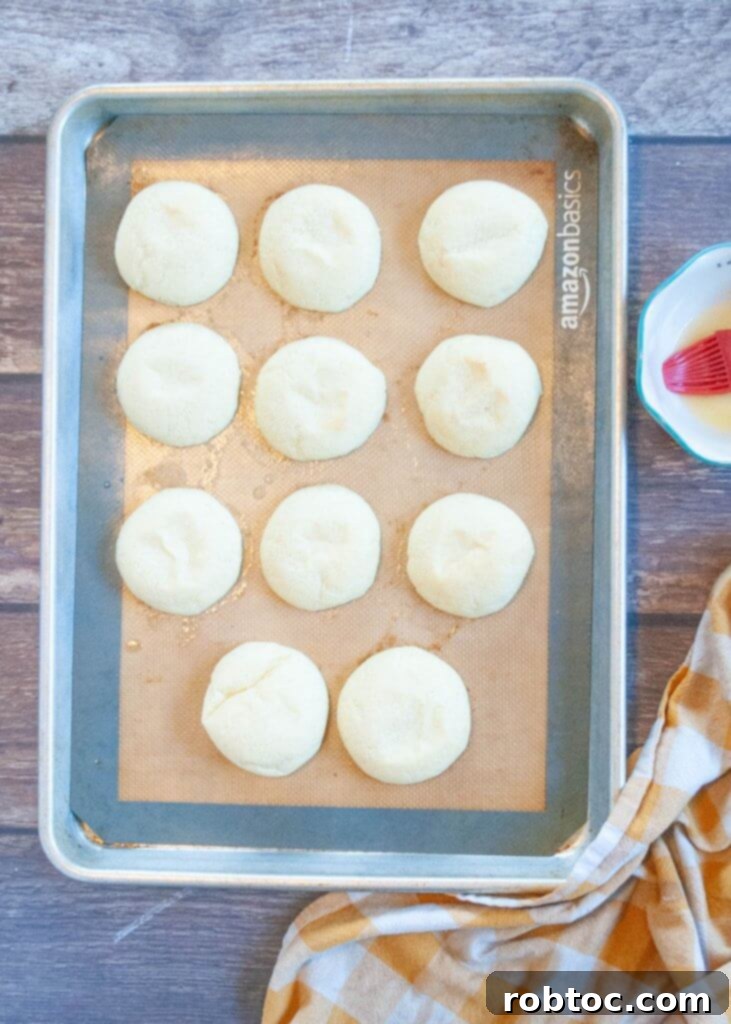
- Carefully remove the baking sheet from the oven. Using a pastry brush, generously brush each pan de bono ball with melted butter.
- Return the pan de bono to the oven and continue baking for approximately 10 minutes more, or until the bottoms are nicely browned and the tops are golden.
- Serve and enjoy immediately. Pan de bono is at its absolute best when fresh and warm, straight from the oven.
How to Store and Reheat Pan de Bono
Hopefully, you won’t need to store your pan de bono for very long! These delightful cheese breads are truly best enjoyed the moment they come out of the oven, while still warm and soft. Because they contain no preservatives, they can lose their signature soft and chewy texture relatively quickly, becoming harder and a bit stale if left out for an extended period.
While ideally consumed on the same day, if you do find yourself needing to reheat them a few hours later, a quick zap in the microwave for a few seconds can help refresh them somewhat. This will restore a bit of their warmth and softness, but they won’t quite match the perfection of a freshly baked roll. Plan to savor these delicious treats within a day of baking for the optimal experience.
Do I Absolutely Need a Food Processor for Pan de Bono?
Yes, a food processor is indeed an essential tool for this pan de bono recipe. While some doughs can be mixed by hand, the unique nature of pan de bono makes a food processor virtually indispensable. Feta, one of the primary cheeses used, is a relatively hard cheese, and the dough itself has very little moisture. Attempting to combine these ingredients by hand would require a significant amount of strenuous kneading and hand strength.
Beyond the physical effort, a food processor ensures a consistently smooth and uniform dough. Without it, you’d likely end up with noticeable chunks of cheese throughout your bread, and the texture wouldn’t be as wonderfully smooth and pillowy. A powerful food processor efficiently grinds down the cheese and thoroughly incorporates all the ingredients, creating the perfect dough foundation. Therefore, to achieve the ideal texture and taste for your pan de bono, I strongly advise against making this recipe without one.
Is Colombian Pan de Bono Similar to Brazilian Pão de Queijo?
Yes, Colombian Pan de Bono and Brazilian Pão de Queijo share many striking similarities, often leading to comparisons between these two beloved South American cheese breads. Both are small, cheesy, naturally gluten-free rolls that hail from the diverse culinary traditions of South America. They are cherished for their delightful chewiness and cheesy flavor, making them popular snacks or accompaniments to meals.
However, there are subtle differences in their traditional recipes. While Pan de Bono typically relies on just a few core ingredients (cheese, masa harina, tapioca flour, egg, butter), Pão de Queijo recipes often incorporate additional elements such as milk and oil, which can subtly alter their texture and richness. Despite these minor distinctions, both breads are incredibly delicious. Pão de Queijo, in particular, has gained significant popularity globally, becoming a staple in Brazilian steak houses (like Rodizio Grill and Tucanos) and even being found pre-packaged in supermarkets under brands like Brazi Bites.
Do You Have Any Other Delicious Gluten-Free Bread Recipes?
Absolutely! I love developing gluten-free recipes that allow everyone to enjoy comforting, carby goodness. If you’re looking for more delicious gluten-free bread options, be sure to check out these favorites:
- Gluten-Free Breadsticks
- Gluten-Free Orange Rolls
- Gluten-Free Banana Bread
- Gluten-Free Pancakes
- Easy Gluten-Free Sandwich Bread
These recipes are designed to help you continue enjoying delicious breads and baked goods, even if you’re avoiding gluten. Happy baking!
Is Tapioca Starch the Same as Tapioca Flour?
Yes, absolutely. The terms “tapioca starch” and “tapioca flour” are interchangeable. You can purchase this ingredient under either name, and they refer to the exact same product. So, whether your local store labels it as starch or flour, you can confidently use it in this pan de bono recipe.
Is Tapioca Starch the Same as Cassava Flour?
While tapioca starch (or flour) and cassava flour both come from the same plant, the cassava root, they are not exactly the same product. Traditional pan de bono recipes often call for cassava flour. The main distinction is in how they are processed: cassava flour is made from the entire dried and ground cassava root, retaining more fiber, while tapioca starch is extracted from just the starch of the cassava root. This makes tapioca starch a purer form of starch.
However, in the context of this recipe, they are similar enough to be used interchangeably. I find tapioca flour/starch to be more widely available and easier to find in most grocery stores. Plus, any leftover tapioca starch can be a versatile addition to your pantry, perfect for use in my homemade gluten-free flour mix recipe, expanding your gluten-free baking possibilities.
Is There a Video Showing How to Make Pan de Bono?
Yes, there certainly is! I’ve created a helpful video tutorial to guide you through the process of making pan de bono. As you’ll see, with the aid of a food processor, this recipe is incredibly easy to execute. The steps are simple: just mix the ingredients in your food processor, shape the dough into balls with your hands, and then bake them to golden perfection!
The video should automatically appear within the content of this page. If for any reason it doesn’t, you’ll find it embedded at the bottom of the recipe card section. And if all else fails, you can always head over to my YouTube Channel to watch it there. Visual guidance makes this already simple recipe even more foolproof, ensuring you achieve perfect pan de bono every time.
Pan De Bono (Colombian cheese bread) + Video
12
10 minutes
20 minutes
20 minutes
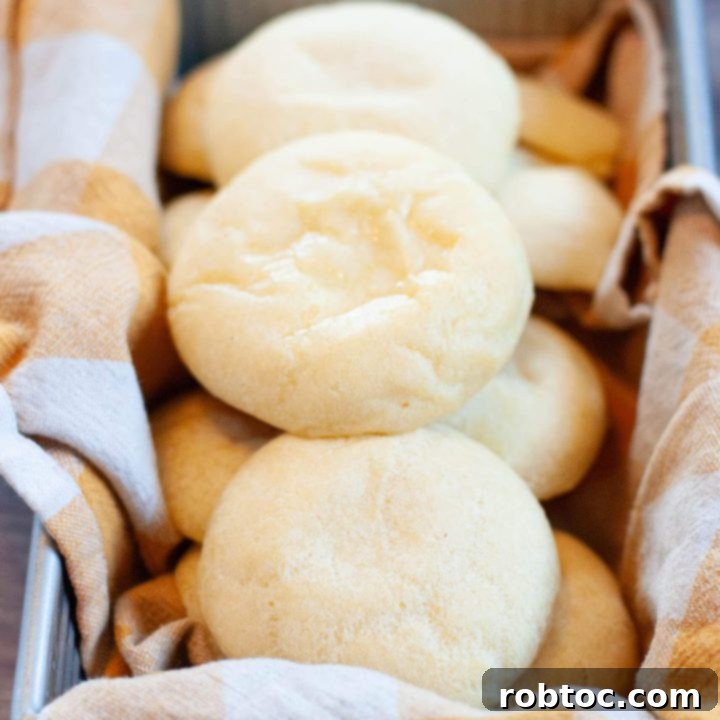
Only 6 ingredients! If you love the taste of quesadillas, but want it in the form of a soft, pillowy, chewy roll–then look no further than Pan De Bono. A Colombian cheese bread that is naturally gluten-free.
Ingredients
INGREDIENTS:
- 1 cup feta (8 oz)
- 1 cup queso fresco (8 oz)
- 1/3 cup masa harina (I use the brand Maseca)
- 2/3 cup tapioca starch (also known as tapioca flour)
- 1 large egg
- 2 Tablespoons butter, melted
TOOLS:
- Food processor
- Digital kitchen scale, not required, but I prefer it
Instructions
- Preheat your oven to 375.
- Weigh out your cheese. I’ve found that even packages that claim 8 oz, can be up to 1 ounce more. I like to use a digital kitchen scale for this.
- Place measured cheese into the food processor. Pulse until the cheese is crumbly and mixed.
- Add your masa harina and tapioca flour. Pulse to combine.
- Crack an egg into a small bowl and whisk to combine.
- With your food processor on low, stream in the whisked egg.
- Let the food processor mix until the dough forms and makes a large ball (may take 1-2 minutes).
- Divine into 12 even balls.
- Place rolled balls on parchment paper or silicone maton a cookie sheet.
- Bake for 10 minutes.
- Remove from oven and brush with melted butter.
- Return to the oven and bake for around 10 minutes more, until bottoms are browned.
- Eat immediately. Best enjoyed fresh and warm.
Notes
See the post above for all ingredient questions and watch the video below.
*Our allergies, while severe and that get re-tested frequently, are such that we can go strictly by what’s on the label. I do not call companies to see what things are derived from, or call manufacturers to see about potential cross contact. If your allergies require you to do so, please do your own homework. I cannot assure you of any ingredient’s safety, only you can do that. I simply share what works for our family.
**If you are going to feed this to someone with food allergies, and you yourself do not have food allergies, I HIGHLY recommend having them check every single brand and ingredient you are using, to ensure they’re OK with each part of the recipe. And, to make sure you’ve talked to them about how to avoid cross contamination in your kitchen.
Inspired and tweaked from: My Colombian Recipes, Gluten Free on a ShoeString, Curious Cuisiniere and Gluten Free Alchemist
DON’T FORGET TO PIN IT, SO YOU DON’T LOSE IT. WHILE YOU’RE THERE, CHECK OUT MY OTHER GLUTEN-FREE PINS.