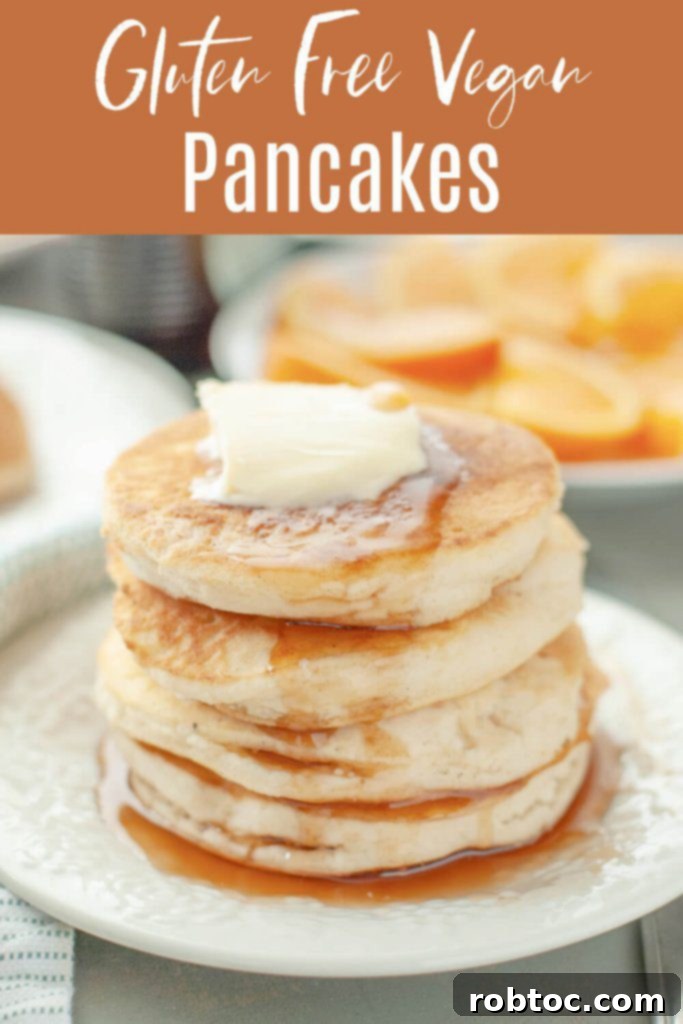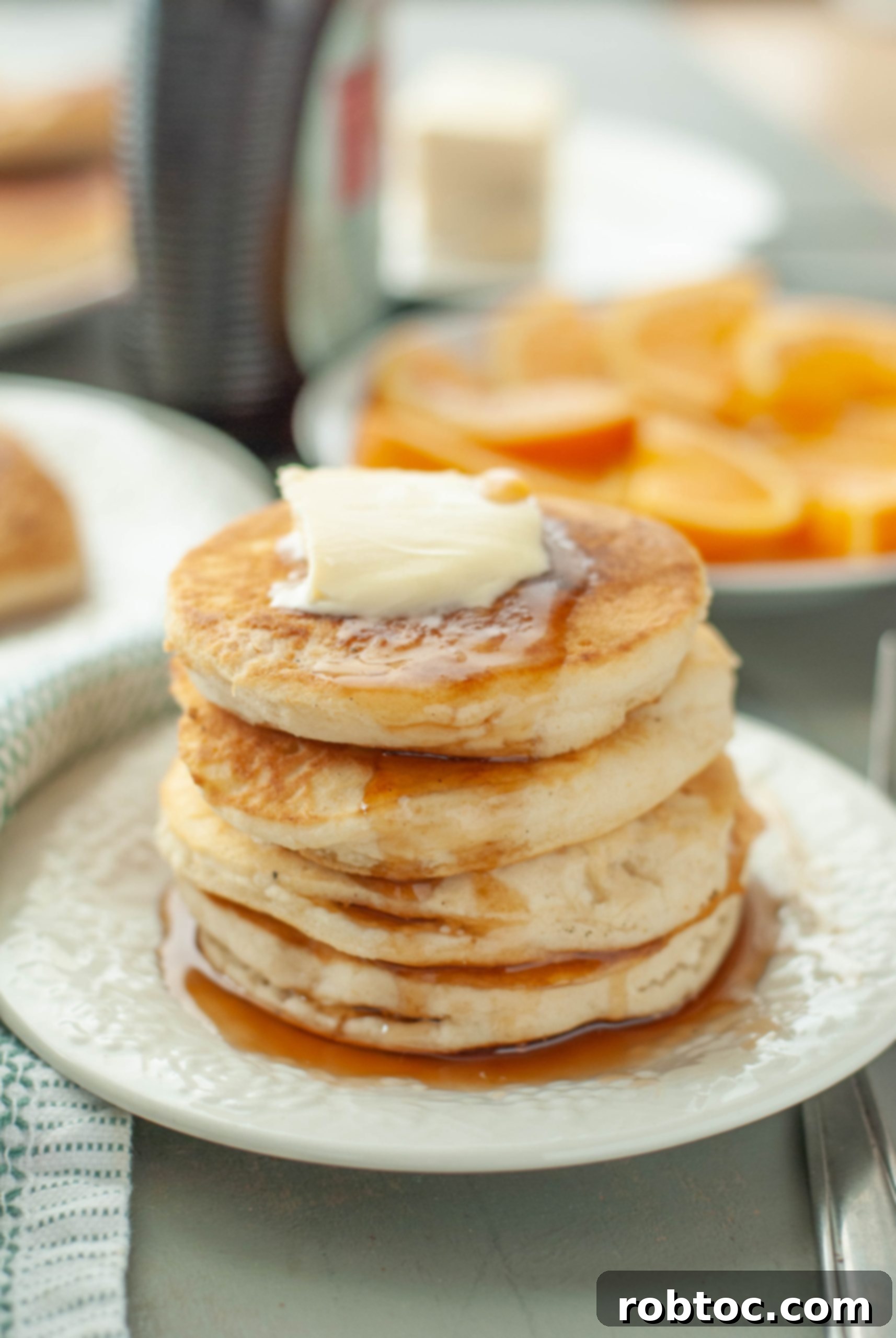
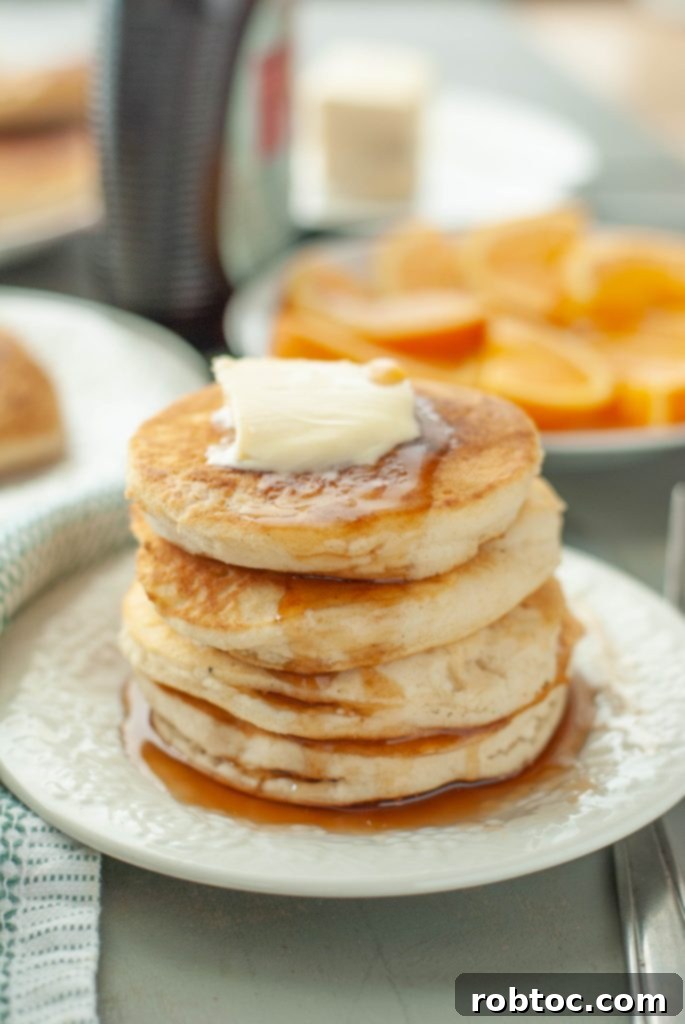
The Ultimate Guide to Fluffy Gluten-Free Vegan Pancakes: Your New Allergy-Friendly Breakfast Favorite
There’s nothing quite like waking up to the aroma of freshly made pancakes. That stack of tender, fluffy goodness, dripping with vegan butter and sweet maple syrup, is a universally beloved breakfast. But what if you’re navigating food allergies or dietary restrictions like gluten, dairy, or eggs? For many, the joy of pancakes seemed like a distant memory. Well, prepare to reclaim your breakfast plate, because this recipe for gluten-free vegan pancakes is so remarkably similar to the classic diner-style pancakes you remember, it will truly fool anyone!
Say goodbye to dense, gummy, or flavorless alternatives. These aren’t just “good for being gluten-free and vegan”; they are simply *delicious pancakes*, period. Years of experimenting have culminated in this perfected recipe, making them my absolute favorite, and I’m confident they’ll become yours too. This recipe is meticulously crafted to be free of common allergens including wheat, gluten, dairy, egg, soy, peanuts, and tree nuts, making it a truly top-8-free and incredibly allergy-friendly option for almost everyone at your table. Get ready to rediscover the simple pleasure of a perfect pancake stack!
This post contains affiliate links, which means I may earn a small commission if you make a purchase through these links, at no extra cost to you.
Watch How to Achieve Pancake Perfection!
Seeing is believing, especially when it comes to whipping up these amazing gluten-free vegan pancakes. You’ll be surprised at just how straightforward the process is – seriously, it’s mostly a matter of measuring, stirring, and cooking! To guide you through each step and demonstrate the simplicity, I’ve prepared a helpful video. Take a few minutes to watch this TikTok video below; it’s an excellent visual aid to get started. You’ll observe just how easily a delicious batch of allergy-friendly pancakes comes together.
A Quick Tip on Butter and Milk: You might notice in the video that I was in a bit of a rush and added the melted vegan butter to cold rice milk, which caused the butter to firm up slightly again. While this didn’t significantly impact the final taste or texture of the pancakes, it can make the batter a little less smooth. To avoid this entirely and achieve the prettiest, most uniform batter, I recommend a slight modification: place both the vegan butter and the non-dairy milk in the microwave together. Heat them until the butter is fully melted and the milk is slightly warmed, allowing them to integrate smoothly without any butter re-solidification. This small adjustment ensures your batter is perfectly silky and ready for the griddle!
@allergyawesomeness Fluffy, tender, GLUTEN FREE VEGAN PANCAKES. Tastes just like the diner pancakes you used to love. #glutenfreevegan #glutenfreedairyfree #glutenfreedairyfreeeggfree #allergyfriendly #veganglutenfree #pancakerecipe ♬ Pancake – AlekSound
Why These Vegan Gluten-Free Pancakes are a Family Favorite
Pancakes have held a special place in my heart since childhood, right alongside comforting rice pudding. They weren’t just for special occasions; they were, and still are, a frequently requested meal, even for dinner! Their kid-friendly appeal makes them a weeknight hero in our household. The beauty of these particular pancakes lies in their ability to cater to specific dietary needs without requiring any complicated, intimidating extra steps or obscure ingredients. With just a few simple, smart swaps, you can recreate that cherished taste and fluffy texture you’ve been longing for.
Our family’s dietary journey is personal and deeply motivates my recipe development. My son has severe allergies to wheat, dairy, and eggs, while my husband navigates a gluten intolerance. This means creating delicious, inclusive meals is not just a passion, but a necessity. Since I don’t personally have food allergies, I’m incredibly discerning when it comes to taste and texture; I still vividly remember what “normal” food tastes like. Therefore, every recipe I share, especially these fluffy gluten-free vegan pancakes, must pass a rigorous taste test to ensure it truly rivals its traditional counterparts. And believe me, I look forward to making – and devouring – these pancakes just as much as my family does. They’re genuinely that good, offering a joyful and satisfying experience that everyone, regardless of dietary needs, can enjoy together.
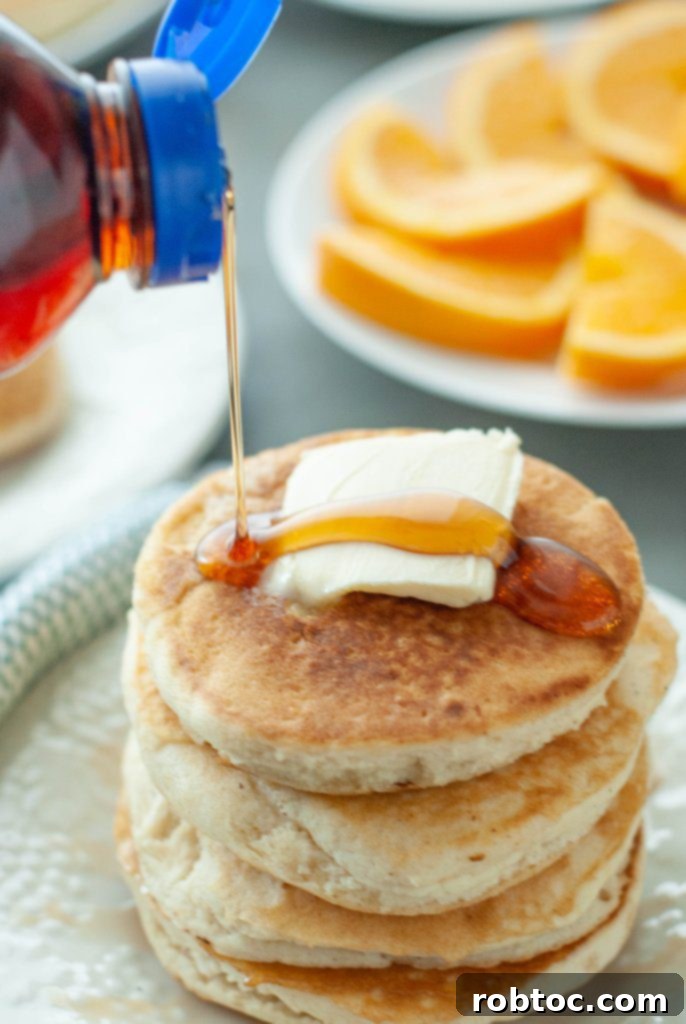
Choosing the Best Egg Replacer for Perfect Vegan Pancakes
Navigating the world of egg replacers can be a culinary adventure in itself, with a myriad of options available. From powdered commercial blends like JUST Egg to natural binders like applesauce, bananas, chia seeds, flax eggs, and aquafaba, each has its own properties and potential impact on a recipe. For these particular fluffy vegan pancakes, careful consideration went into selecting the ideal egg substitute.
Initially, I experimented with aquafaba (the liquid from canned chickpeas), which yielded decent results. However, I received feedback from readers with legume allergies, highlighting the need for a more inclusive option. Fruit-based replacers such as applesauce or mashed banana, while effective binders, tend to impart their own distinct flavor and color, which I wanted to avoid to keep the pancakes tasting as neutral and classic as possible. Similarly, chia and flax eggs, while excellent for nutrition and binding, leave visible speckles throughout the batter, detracting from the visual appeal of a traditional-looking pancake.
After extensive testing, I confidently returned to my long-standing favorite: Ener-G egg replacer. This powdered blend has been a staple in my allergy-friendly baking for over a decade. It’s incredibly versatile and performs exceptionally well in specific applications, and this pancake recipe is one of its shining moments. It provides the necessary lift and binding without altering the flavor or texture in an undesirable way, ensuring your pancakes are tender and fluffy, just like you remember. While other brands exist, like Bob’s Red Mill Egg Replacer, I’ve found Ener-G to be superior for this recipe and highly recommend sticking with it for the best results.
Important Note for those who can consume eggs: If your dietary needs only require these pancakes to be gluten-free and dairy-free, but you can have eggs, you can easily substitute three regular eggs for the Ener-G egg replacer. This will make the pancakes even simpler while retaining their delicious qualities.
The Ideal Gluten-Free Flour Blend for Fluffy Pancakes
The foundation of any great pancake lies in its flour, and for gluten-free vegan pancakes, the right blend is crucial for achieving that desired light and fluffy texture. You have a couple of excellent options for the gluten-free flour in this recipe.
Firstly, you can use my trusty homemade gluten-free flour blend recipe. If you choose this route, remember to add 1 teaspoon of xanthan gum directly to the recipe, as my homemade blend doesn’t pre-include it. Xanthan gum is vital for providing elasticity and structure in gluten-free baking, mimicking the role of gluten.
Alternatively, many store-bought all-purpose gluten-free flour blends work wonderfully. I’ve had great success with the Great Value Gluten Free Flour. When selecting a commercial blend, look for one that primarily contains a combination of brown rice flour (or white rice flour), potato starch, and tapioca starch (or tapioca flour). These starches are key to achieving a tender crumb and light texture. A blend that includes some sorghum flour is also generally acceptable and can add a nice, slightly sweet flavor. However, I strongly advise against straying too far from these core ingredients. Specialty flours like oat flour, almond flour, coconut flour, or cassava flour absorb liquids very differently from rice and starch blends. Using them will significantly alter the batter consistency and likely result in dense, dry, or otherwise unsatisfactory pancakes.
A Critical Measuring Tip: When working with gluten-free flours, proper measurement is paramount. Always spoon your flour into the measuring cup and then level it off with the back of a knife. Never scoop directly from the bag with your measuring cup, as this compacts the flour, leading to too much flour being added and resulting in a thick, dry batter that won’t cook properly in the middle. If you don’t require these pancakes to be gluten-free but simply vegan, you can substitute regular all-purpose wheat flour at a 1:1 ratio, simplifying the flour choice.
Selecting the Perfect Non-Dairy Milk for Your Pancakes
The choice of non-dairy milk plays a subtle yet important role in the flavor and consistency of your gluten-free vegan pancakes. My personal preference, and what I recommend for the most neutral taste, is rice milk. It has a very mild profile, ensuring the classic pancake flavor shines through without any competing aftertastes.
However, if rice milk isn’t an option for you, most other dairy-free milks should work as a suitable substitute. This includes almond milk, soy milk, oat milk, or thinner varieties of coconut milk (avoid the thick, canned coconut milk, as its high fat content and consistency are too different for this recipe). It’s important to note that due to nut allergies within our family, we specifically avoid using nut milks, but if allergies aren’t a concern for you, almond milk can be a good choice. Whichever non-dairy milk you choose, aim for an unsweetened, unflavored variety (unless you prefer a hint of vanilla, which is fine) to maintain control over the overall sweetness and flavor profile of your delicious vegan pancakes.

Choosing the Best Vegan Butter for Rich Flavor
The secret to replicating that beloved diner-style pancake taste and achieving a truly rich, satisfying flavor in these gluten-free vegan pancakes lies heavily in the choice of vegan butter. For years, we have consistently relied on the Earth Balance Buttery Sticks. They even offer a soy-free version, which is a fantastic option if you need to avoid soy as well.
While many new vegan butter brands have emerged recently, I haven’t personally experimented with them extensively simply because Earth Balance has delivered such consistent and excellent results for so long. It’s hard to branch out when you’ve found a winner! However, if you do try this recipe with another brand of vegan butter, please share your experience in the comments below. Your feedback helps our allergy-friendly community immensely!
I know the temptation might be there to skip the vegan butter and opt for a neutral oil instead. However, I cannot stress this enough: the distinctive, rich, buttery flavor is absolutely essential to making these pancakes taste like the comforting classics you grew up loving. Oil will provide moisture and fat, but it simply won’t impart that nostalgic, indulgent taste that truly elevates these pancakes from good to phenomenal. Stick with a good quality vegan butter for the best, most authentic flavor experience.
The Right Oil for Your Griddle: Ensuring Non-Stick Perfection
Even when using a high-quality non-stick pan or a dedicated pancake griddle, I always highly recommend using a little extra non-stick spray or a light coating of oil. This simple step is your insurance policy for effortlessly easy flipping and ensures your gluten-free vegan pancakes achieve that beautiful golden-brown exterior without sticking or tearing. It’s a small detail that makes a big difference in the cooking experience.
For this purpose, a canola oil or vegetable oil spray works perfectly and is what I typically use. Alternatively, you can use a small amount of coconut oil or avocado oil, applying it lightly to your cooking surface with a paper towel. Whichever you choose, remember that this isn’t about adding flavor to the pancakes but purely about creating a reliable, non-stick barrier for perfect cooking and easy handling.
Griddle vs. Pan: What to Use for Your Pancakes
You absolutely do not need a fancy griddle to make these incredible gluten-free vegan pancakes! For many years, before my family grew larger, I happily used a standard large non-stick frying pan, making two pancakes at a time. It worked perfectly well and still does for smaller batches or if you’re just cooking for one or two people.
However, once our family expanded and breakfast became a bigger production, I invested in a griddle to increase efficiency and cook more pancakes simultaneously. I opted for an indoor grill pan that conveniently fits over two burners on my stovetop. This design means I don’t need another electrical appliance cluttering my counter or using an extra outlet, which is a big plus. The key takeaway here is to use whatever cooking surface you have available and are comfortable with. Whether it’s a single non-stick pan or a large griddle, the principles of cooking remain the same, and your delicious pancakes will turn out beautifully!
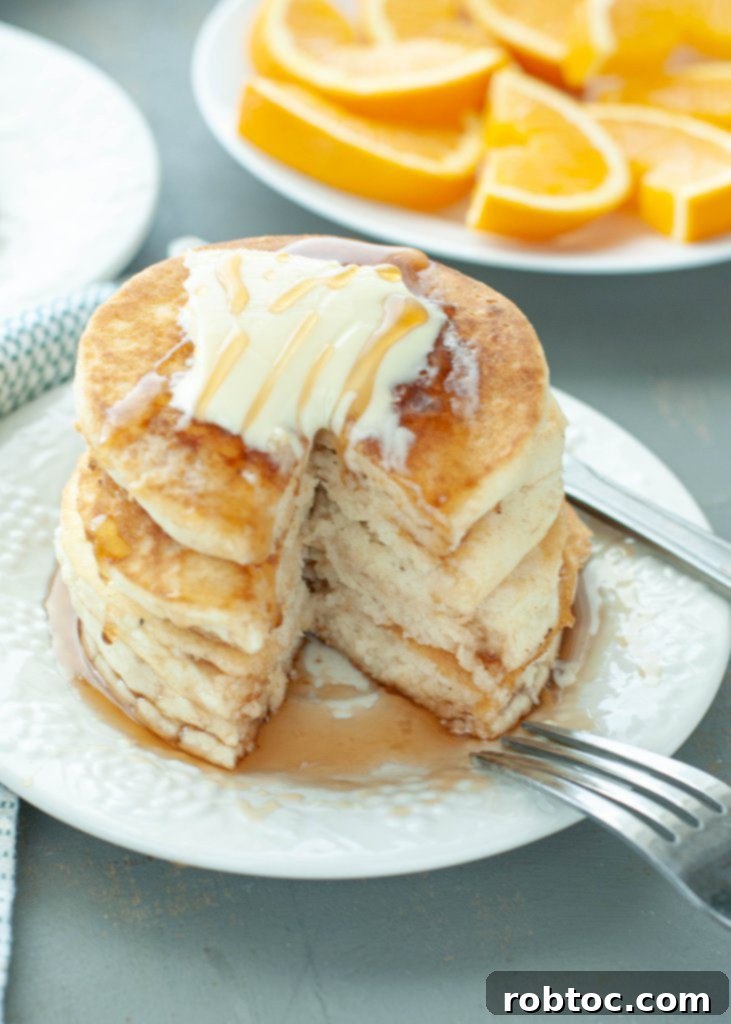
Understanding the Key Ingredients in These Gluten-Free Vegan Pancakes
If you’re already accustomed to gluten-free and vegan baking, chances are you’ll have most of these ingredients on hand. This recipe relies on a thoughtful combination of wet and dry components to achieve its signature fluffy texture and rich flavor. Let’s break down what goes into making these delicious allergy-friendly pancakes:
- WET INGREDIENTS:
- Ener-G Egg Replacer: As discussed, this is my preferred binder for its neutral flavor and excellent performance in achieving light, tender pancakes without eggs.
- Rice Milk: Use original or vanilla unsweetened rice milk for the best, mildest flavor. Other thin non-dairy milks can be substituted, keeping allergy needs in mind.
- Vegan Butter: Melted vegan butter is crucial for the rich, classic pancake flavor profile. Earth Balance buttery sticks are highly recommended.
- Vanilla Extract (Optional): A touch of vanilla can enhance the overall sweetness and aroma, adding another layer of deliciousness to your breakfast.
- DRY INGREDIENTS:
- Salt: A small amount of salt balances the sweetness and enhances all the other flavors in the pancakes.
- Baking Soda: This leavening agent reacts with acidic ingredients (though less so in this recipe, it contributes to rise).
- Baking Powder: The primary leavening agent, baking powder is responsible for creating those airy bubbles that result in fluffy pancakes.
- All-Purpose Gluten-Free Flour Blend: A balanced blend of rice flour and starches is key for structure and texture. Remember to spoon and level for accurate measurement.
- Sugar: Just enough granulated sugar to add a subtle sweetness, making these pancakes a true treat without being overly sweet.
- OPTIONAL FAVORITE TOPPINGS:
- Fresh Fruit: Berries (strawberries, blueberries, raspberries), sliced bananas, or peaches add natural sweetness and vibrant color.
- Powdered Sugar: A light dusting provides an elegant touch and extra sweetness.
- Maple Syrup: The quintessential pancake topping, pure maple syrup is a must for many.
- Vegan Butter: A pat of vegan butter melting on a warm pancake is pure bliss.
- Chocolate Chips: Allergy-friendly chocolate chips can be folded in or sprinkled on top for a decadent twist.
- Whipped Vegan Cream: For an extra special treat, a dollop of coconut or oat-based whipped cream is divine.
Adding Delicious Mix-Ins to Your Pancakes
While these gluten-free vegan pancakes are absolutely perfect on their own, occasionally my kids convince me that chocolate chip pancakes are a non-negotiable part of breakfast. Adding mix-ins is a fantastic way to customize your pancakes, but there’s a technique I highly recommend for the best results.
Instead of stirring mix-ins directly into the entire batch of batter, I prefer to wait until I’ve poured the individual pancake batter portions onto the hot griddle. Once the batter is spread, I then strategically drop a few chocolate chips, fresh blueberries, or banana slices onto the surface of each pancake before flipping. This method offers several advantages: it allows you to control the exact amount and placement of mix-ins in each pancake, preventing them from clumping together in one corner, sinking to the bottom of the mixing bowl, or creating an uneven distribution. While I personally haven’t added fruit like fresh blueberries or bananas to my pancakes (I prefer them on the side!), I would confidently recommend this same approach. If you experiment with other mix-ins, whether it’s chopped nuts (if allergy-safe for your household), sprinkles, or mini marshmallows, please do let me know your experience in the comments below! Sharing your creativity helps all of us explore new delicious variations.
Can I Make These Pancakes Refined Sugar-Free?
This recipe uses a relatively small amount of granulated sugar to achieve that classic pancake sweetness without being overly indulgent. My testing has focused primarily on using granulated sugar. However, if you’re looking to make these pancakes refined sugar-free, a safe and common replacement would be coconut sugar. It has a similar granular texture and a slightly caramel-like flavor that can complement the pancakes beautifully.
I have not personally tried substituting the granulated sugar with liquid sweeteners like maple syrup. While it might be tempting, adding more liquid to the batter can significantly alter its consistency, potentially resulting in thinner pancakes that are harder to flip and might not achieve the same fluffiness. If you decide to experiment with maple syrup or another liquid sweetener, be aware that you might need to adjust the amount of non-dairy milk slightly to maintain the correct batter thickness. Your willingness to experiment is commendable, and if you do try it, please share your findings with the community!
Troubleshooting: Why Are My Pancakes Not Cooking in the Middle?
It can be incredibly frustrating to have beautiful golden-brown pancakes on the outside, only to find them gooey and undercooked in the middle. This common pancake predicament can stem from a few key issues, but thankfully, they’re usually easy to remedy:
- Heat Too High: This is arguably the most frequent culprit. If your griddle or pan is too hot, the outside of the pancake will brown and cook rapidly before the internal temperature has a chance to fully set the middle. Aim for a consistent medium to medium-low heat. This allows for a slower, more even cooking process, ensuring the heat penetrates to the center of each pancake.
- Batter Too Thick: A very thick batter struggles to cook through evenly. The density prevents heat from circulating efficiently. If your batter seems unusually thick, you can easily thin it out by stirring in a little more plant-based milk, a tablespoon at a time, until you reach a consistency that pours smoothly but isn’t watery. It should be thick enough to hold its shape on the griddle but not so thick it barely spreads.
- Too Much Flour: This often goes hand-in-hand with improper flour measurement. If you scoop flour directly from the bag with your measuring cup, you compact it, effectively adding more flour than the recipe calls for. This results in an overly thick batter. Always remember to spoon your gluten-free flour into the measuring cup and then level it off gently. If you suspect this is the case, simply thin out your batter with a bit more non-dairy milk, as described above.
By paying attention to your cooking temperature, batter consistency, and flour measurement, you’ll be well on your way to perfectly cooked, fluffy gluten-free vegan pancakes every time!
Essential Tips for Making the Best Gluten-Free Vegan Pancakes
Achieving perfectly cooked pancakes, especially when dealing with gluten-free and vegan ingredients, can sometimes present unique challenges. Even when following all the steps correctly, I’ve noticed that occasionally my pancakes might appear *just* slightly undercooked in the very center, even after achieving a beautiful golden-brown on both sides. This is often due to the unique properties of gluten-free flours and egg replacers.
To ensure every pancake is thoroughly cooked through and to keep them wonderfully warm until serving time, I employ a simple yet highly effective trick: as soon as a pancake comes off the griddle, I immediately transfer it into a tortilla warmer. This insulated container works wonders! It allows the residual heat from the cooked pancakes to continue a gentle cooking process, ensuring the center sets completely without over-browning the exterior. Furthermore, it keeps the pancakes incredibly soft, moist, and delightfully warm, so your entire family can enjoy a hot stack together. This little tip is a game-changer for consistency and serving convenience.
Additional Tips for Success:
- Don’t Overmix: While it’s important to combine the wet and dry ingredients, avoid overmixing the batter. A few small lumps of flour are perfectly fine and often lead to a more tender pancake. Overmixing develops any gluten present (even in GF flours, some blends have protein that can be toughened) and can make pancakes tough.
- Let the Batter Rest (Optional): If you have time, letting the batter rest for 5-10 minutes can allow the gluten-free flours to fully hydrate, resulting in a slightly smoother batter and potentially fluffier pancakes.
- Test Pancake: Always cook one small test pancake first. This allows you to check the batter consistency, adjust the heat of your griddle, and fine-tune your cooking time before committing to a full batch.
Delicious Sides to Serve with Your Gluten-Free Vegan Pancakes
These fluffy gluten-free vegan pancakes are a star on their own, but they also pair beautifully with a variety of breakfast sides to create a complete and satisfying meal. Here are some of my favorite accompaniments:
- Savory Proteins:
- Sausage or Bacon: For those who can enjoy meat, traditional sausage or bacon provides a savory contrast to the sweet pancakes. (Remember, our family can consume meat, just not milk and eggs.)
- Faux Sausages: There’s a fantastic array of plant-based sausages available on the market these days that are perfect for vegan diets. Look for brands like Beyond Sausage, Impossible Sausage, or other veggie sausage patties.
- Classic Breakfast Staples:
- Hash Browns: Crispy, golden hash browns are a timeless pancake companion.
- Home Fries: Seasoned diced potatoes, pan-fried to perfection.
- Fresh & Fruity Options:
- Fresh Fruit Medley: A colorful assortment of berries (strawberries, blueberries, raspberries), sliced bananas, cantaloupe, honeydew, or orange slices adds vitamins and natural sweetness.
- Smoothies: A vibrant fruit or green smoothie is a refreshing and nutritious addition to any breakfast spread.
- Vegan Dairy Alternatives:
- Vegan Yogurt: Creamy plant-based yogurts like Oui coconut yogurt, Silk, So Delicious, or Kite Hill (ensure they’re allergy-safe for your needs) offer a tangy counterpoint.
- Scrambled “Eggs”: For a truly comprehensive vegan breakfast, scrambled egg alternatives like JUST Egg or Follow Your Heart Vegan Egg are excellent protein-packed choices.
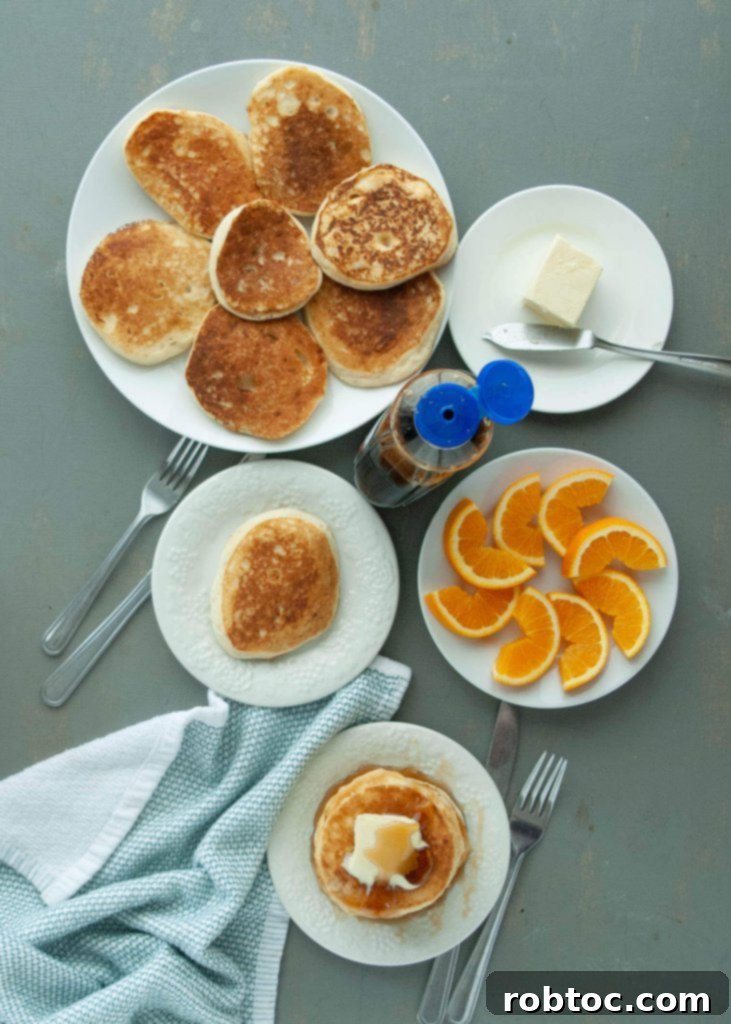
Knowing When to Flip Your Pancakes for Perfect Golden Brownness
The moment of truth for any pancake cook is knowing precisely when to flip. For these gluten-free vegan pancakes, there are a few visual cues to look for to ensure you get that ideal golden-brown finish and perfectly cooked interior.
After you’ve carefully spooned or poured your batter onto the heated griddle, keep a close eye on the surface. You’ll start to observe just a bubble or two forming and then gently popping in the center of the pancake. It’s important to note that gluten-free and vegan batters often produce fewer, less vigorous bubbles compared to traditional pancakes made with wheat flour and eggs. So, don’t wait for a huge eruption of bubbles – just a few subtle pops are your first signal.
If you’re still unsure, or if the bubbles aren’t as pronounced, you can always employ a simple peek-and-check method. Gently lift an edge of the pancake with your spatula to get a quick glimpse of the underside. You’re looking for a beautiful golden-brown color. Once you see that perfect hue, it’s time to confidently flip! Remember, you will primarily see air bubbles on the *first* side while it cooks; the second side will typically brown without much bubbling.
Storing and Reheating Your Gluten-Free Vegan Pancakes
Batch cooking these delicious gluten-free vegan pancakes is a smart move for busy mornings or whenever you crave a quick, satisfying breakfast. Proper storage ensures they remain tender and enjoyable even after reheating.
Cool Completely: The most crucial step before storing is to allow the pancakes to cool down completely to room temperature. If you store them while they’re still warm, any trapped moisture will condense, leading to gummy or soggy pancakes – something we definitely want to avoid! Lay them out in a single layer on a wire rack or clean counter until they are no longer warm to the touch.
Storage Method: Once cooled, I like to store them in a large Ziploc baggie, ensuring as much air is removed as possible, or in any other type of airtight container. This helps to keep them fresh and prevents them from drying out. They will keep well in the refrigerator for up to 3-4 days.
Reheating: Reheating your stored pancakes is quick and easy. You have a couple of excellent options:
- Toaster Oven: For crispy edges and a warm center, pop them into a toaster oven for a few minutes until heated through. This method is great for single servings.
- Microwave: If you’re in a hurry, a quick zap in the microwave will warm them up perfectly. Start with 30 seconds for one or two pancakes and add more time as needed. Be careful not to overcook, which can make them rubbery.
With these storage and reheating tips, you can enjoy these wonderful pancakes throughout the week, making healthy, allergy-friendly breakfasts a breeze!
More Delicious Gluten-Free Vegan Pancake Recipes to Explore
If you’ve fallen in love with these classic gluten-free vegan pancakes, you’ll be thrilled to discover there’s a whole world of other delicious, allergy-friendly pancake variations to explore! Expanding your repertoire of dairy-free and egg-free breakfast options doesn’t mean sacrificing flavor or fun. Here are some more fantastic recipes to inspire your next breakfast or brunch:
- Gluten-Free Vegan Chocolate Chip Banana Oatmeal Pancakes: These delightful pancakes leverage oat flour for a hearty texture, require no egg replacer, and are free of refined sugar, making them a healthier indulgence!
- Gluten-Free Vegan Gingerbread Pancakes: Perfect for the holidays or whenever you crave warm, comforting spices, these gingerbread pancakes are a festive treat.
- Gluten-Free Vegan Spiced Apple Oatmeal Pancakes: Embrace the flavors of autumn with these cozy pancakes featuring spiced apples and the goodness of oatmeal.
- Gluten-Free Vegan Chocolate Pancakes: For the ultimate chocolate lover, these rich chocolate pancakes are completely gluten-free, dairy-free, egg-free, soy-free, peanut-free, and tree nut-free – a truly indulgent and allergy-friendly delight.
- 100+Gluten-Free, Dairy-Free, Egg-Free Breakfast Ideas: Need more inspiration? Dive into this extensive collection of breakfast ideas, featuring both homemade recipes and convenient store-bought options.
- Gluten-Free, Dairy-Free & Egg-Free Breakfast Casserole: For a savory and satisfying make-ahead option, this casserole is a fantastic choice that caters to multiple dietary needs.
These are truly THE best gluten-free vegan pancakes you’ll ever make. I sincerely hope you and your family love them as much as we do! Don’t forget to leave a review below and share this incredible recipe with your friends who are seeking delicious allergy-friendly options.
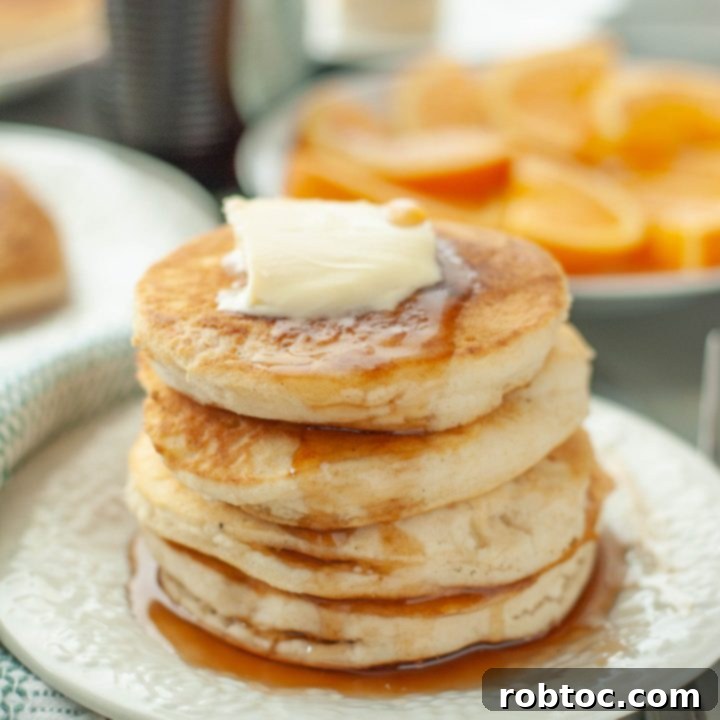
The BEST Gluten Free Vegan Pancakes
16
10 minutes
15 minutes
25 minutes
Just because you can’t have the staples of gluten, dairy or eggs doesn’t mean you can’t have tender, fluffy pancakes just like you used to! This recipe is so like the classic pancake, you’ll fool anyone! Free of: wheat, gluten, dairy, egg, soy, peanut and tree nuts. Top 8 free too!
Ingredients
WET INGREDIENTS:
- 3 Ener-G Eggs (4 and 1/2 tsp Ener-G egg powder plus 6 Tablespoons water)
- 3 Cups rice milk (original or vanilla will work)
- 3 Tablespoons vegan butter, melted (see post for options)
- 1 tsp vanilla extract (optional)
DRY INGREDIENTS:
- 1 and 1/2 teaspoons salt
- 1 and 1/2 teaspoons baking soda
- 2 teaspoons baking powder
- 2 and 3/4 cups all purpose gluten free flour (measured by spooning and leveling) see post for options
- 3 Tablespoons sugar
Instructions
- Watch the video at the top to see how to make these before beginning, if desired.
- Heat griddle or non-stick pan to medium-low heat.
- In a medium mixing bowl, add the butter and milk, and place in microwave. Heat until butter is melted.
- Whisk in the Ener-G eggs (and vanilla if using).
- In a large mixing bowl, whisk together all of the dry ingredients.
- Pour in the wet ingredients into the dry ingredients and stir with a spoon until mostly mixed (fine if there’s a few streaks of flour).
- Grease the griddle or pan.
- Spoon 1/3 cup or so of batter onto the warm griddle.
- Wait for a bubble or two to pop, and then flip. (You can always lift the edge and check to see how brown it is, if the bubbles aren’t behaving). If the middle is not getting done, see post above.
- After both sides are brown and middle is done, immediately remove from the griddle into a tortilla warmer to keep warm while you finish the rest of the batch.
- Serve immediately with desired toppings.
- Enjoy!
Notes
See the post above for all ingredient questions.
Need more ideas? I have 100+ gluten, dairy and egg free breakfast ideas–both homemade and store bought!
*Our allergies, while severe and that get re-tested frequently, are such that we can go strictly by what’s on the label. I do not call companies to see what things are derived from, or call manufacturers to see about potential cross contact. If your allergies require you to do so, please do your own homework. I cannot assure you of any ingredient’s safety, only you can do that. I simply share what works for our family.
**If you are going to feed this to someone with food allergies, and you yourself do not have food allergies, I HIGHLY recommend having them check every single brand and ingredient you are using, to ensure they’re OK with each part of the recipe. And, to make sure you’ve talked to them about how to avoid cross contamination in your kitchen.
Adapted from: Oh Sweet Basil’s Pancakes
Updated 3/7/2024 to lower the amount of flour to help ensure everyone can get the middle of the pancake cooked
Nutrition Information:
Yield: 16
Serving Size: 1
Amount Per Serving:
Calories: 51Total Fat: 3gSaturated Fat: 0gTrans Fat: 0gUnsaturated Fat: 2gCholesterol: 1mgSodium: 184mgCarbohydrates: 7gFiber: 0gSugar: 5gProtein: 0g
DON’T FORGET TO PIN THIS RECIPE, SO YOU DON’T LOSE IT! WHILE YOU’RE THERE, BE SURE TO EXPLORE MY DIET-SPECIFIC PINTEREST BOARDS FOR MORE INCREDIBLE ALLERGY-FRIENDLY IDEAS.