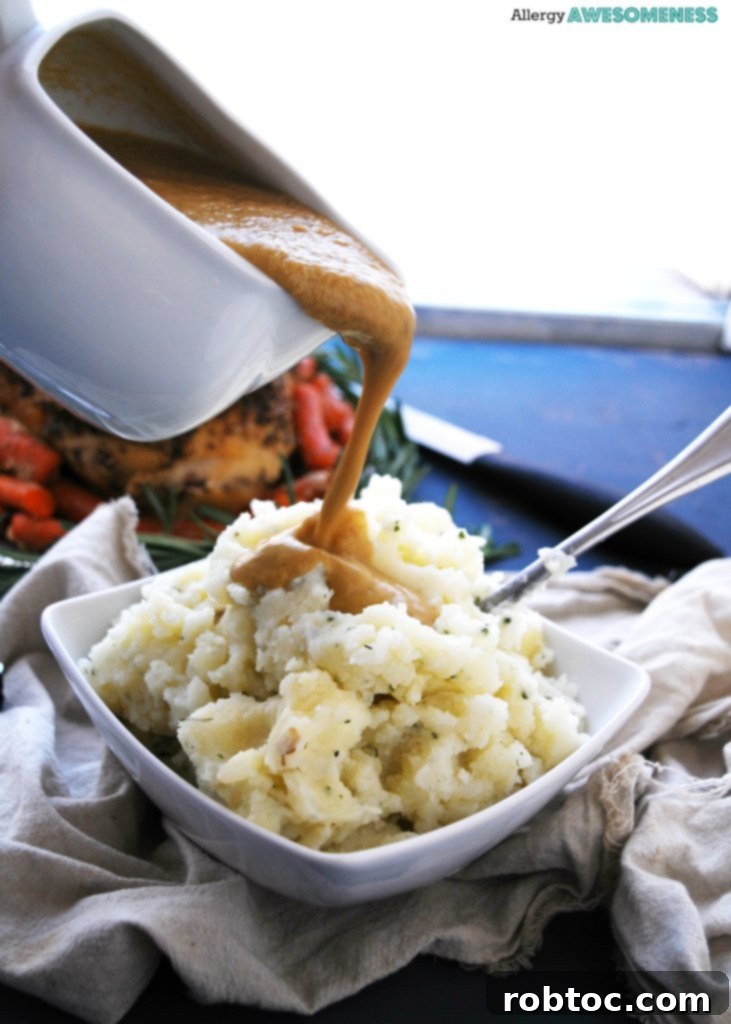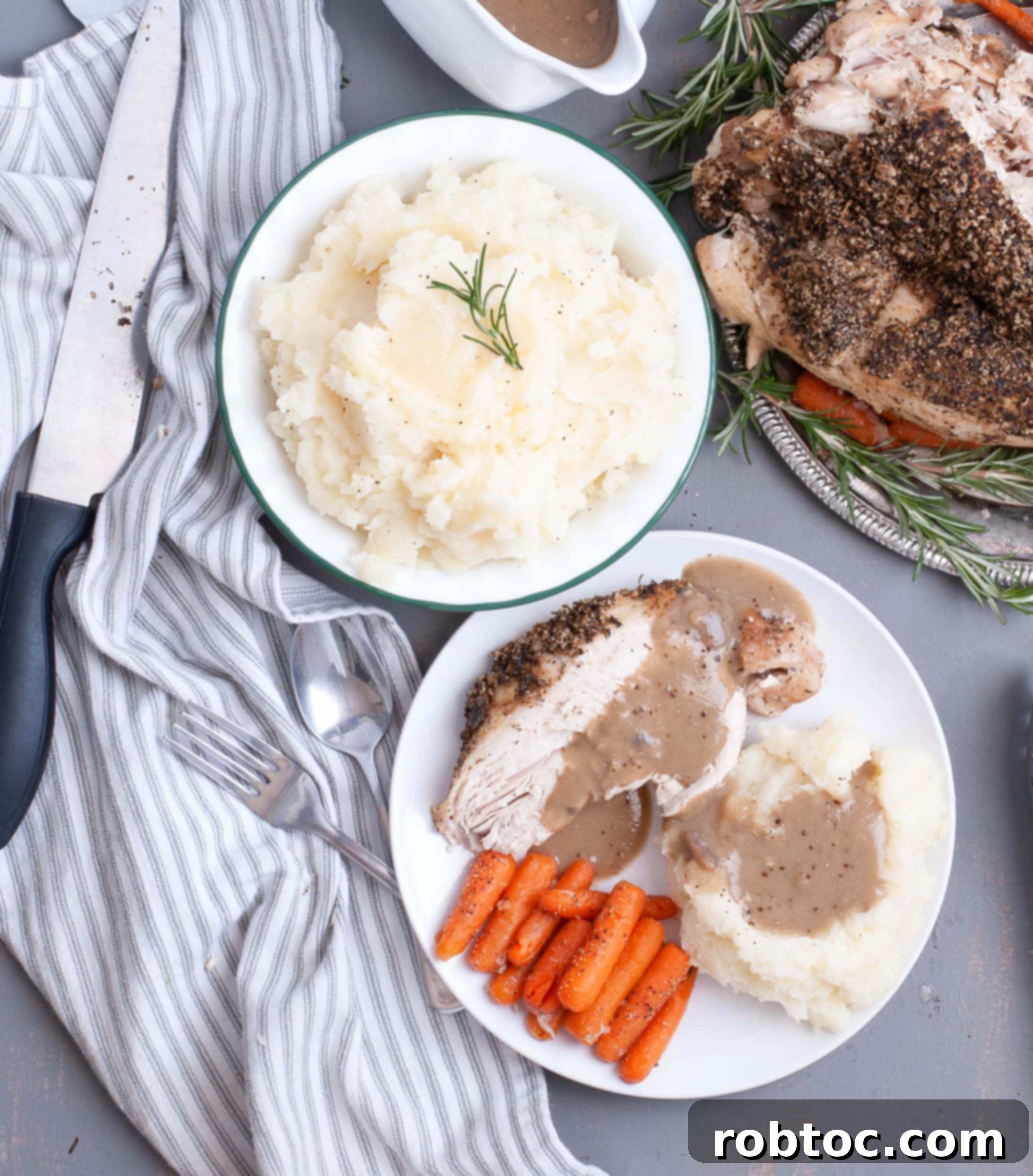
Creamy Dairy-Free Garlic Parsley Mashed Potatoes: Your Ultimate Vegan & Allergy-Friendly Side Dish
When I first discovered my son’s dairy intolerance, the thought of giving up creamy mashed potatoes felt like a significant loss. I genuinely believed our family would never again enjoy this quintessential comfort food. Thankfully, I was completely mistaken! These Dairy-Free Garlic Parsley Mashed Potatoes prove that you don’t need traditional dairy to achieve an incredibly rich, fluffy, and flavorful side dish. With just a few clever substitutions, this recipe delivers all the creaminess and satisfaction you’ve been craving. Plus, it’s not only dairy-free but also gluten-free, making it a perfect choice for anyone managing a dairy allergy, lactose intolerance, or following a vegan diet. Get ready to rediscover your love for mashed potatoes!
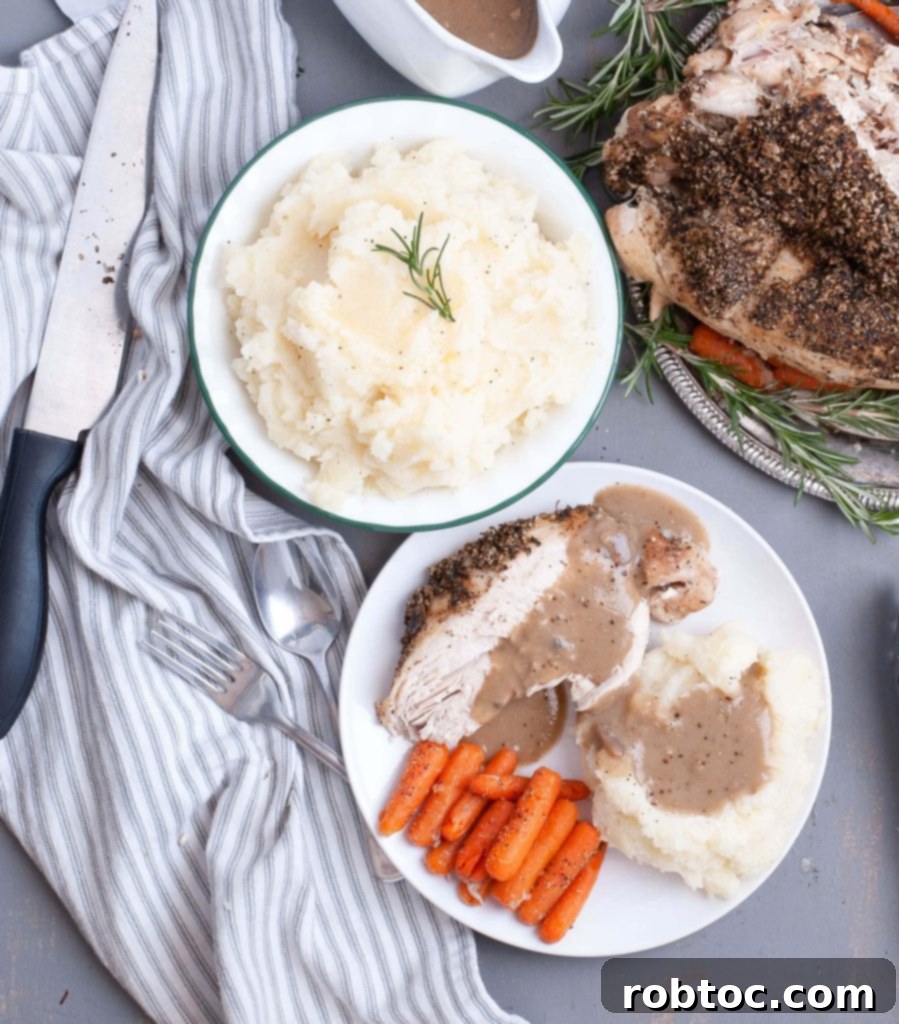
This post contains affiliate links, which means I may earn a small commission if you make a purchase through them, at no extra cost to you.
The Undeniable Comfort of Mashed Potatoes
There are just some meals that feel incomplete without a generous serving of mashed potatoes. They’re more than just a side dish; they’re the creamy canvas that perfectly complements rich gravies, savory pan sauces, and hearty roasts. Their comforting warmth and velvety texture evoke memories of family dinners, holiday feasts, and cozy evenings. For many, mashed potatoes are a culinary hug, a staple that brings joy and satisfaction to the table.
With holidays like Thanksgiving often involving large gatherings and diverse dietary needs, I’m thrilled to share our absolute favorite method for making dairy-free mashed potatoes. It’s a recipe so good that even my sister, who has no allergies and doesn’t follow a dairy-free diet, confessed she prefers my version to her traditional ones! This truly is a delicious and remarkably easy potato side dish that you’ll want to make again and again. It captures the essence of classic mashed potatoes while being entirely plant-based and allergy-friendly.
Beyond their role as a holiday star, dairy-free mashed potatoes transport me back to my childhood, to those cherished Sunday dinners filled with laughter and good food. They embody warmth and comfort, a feeling amplified by the addition of savory chicken bouillon (or vegetable bouillon for a vegan option), aromatic garlic, and fresh parsley. These additions elevate the flavor profile, transforming a simple side into something truly fabulous. You absolutely can achieve the best mashed potatoes without traditional milk or butter – let me show you how to master this delightful dish!
Choosing the Best Dairy-Free Milk Substitute for Creamy Mashed Potatoes
Navigating the world of plant-based milk alternatives can feel overwhelming, especially if you’re new to dairy-free cooking. The supermarket shelves are stocked with an array of options: oat milk, soy milk, almond milk, cashew milk, coconut milk, and rice milk. Within each category, you’ll often find sweetened, unsweetened, and even vanilla-flavored varieties. For mashed potatoes, however, the choice is crucial, as the wrong milk can significantly impact the final taste and texture.
After extensive experimentation, I’ve found that *plain, unsweetened RICE MILK* is the excellent substitute for achieving truly neutral-tasting, creamy mashed potatoes. While it might be perceived as thinner compared to some other plant milks, this characteristic is actually a huge advantage. Most other non-dairy milks, particularly oat, almond, and soy, tend to have a distinct aftertaste or a subtle underlying flavor that can subtly (or not so subtly) alter the pure potato flavor. Mashed potatoes, in my opinion, should taste like potatoes – not like almonds, oats, or coconut. Rice milk provides the necessary liquid without imparting unwanted flavors.
Furthermore, rice milk offers an important allergen advantage. It’s not a top allergen, unlike nuts (almond, cashew) or soy, making it a safer and more inclusive choice for those with multiple food sensitivities or nut allergies. Its neutral profile also makes it ideal for a vegan diet, ensuring your mashed potatoes can be enjoyed by nearly everyone at your table.
The Secret to Buttery Flavor: Best Dairy-Free Butter Substitute
While rice milk provides the ideal liquid base for mashing, a critical component for that classic “dairy” taste and richness in mashed potatoes is a good quality vegan butter. This is where you can truly let your heart (and taste buds) be your guide for how much to add! The market has seen a wonderful explosion of vegan butter brands, and many of them do an outstanding job of imitating that rich, creamy, buttery flavor we all love.
I personally rely on Earth Balance, which has been a consistent performer in my kitchen. However, the beauty of the current market is the variety available. Feel free to use whatever brand you prefer and trust. It’s worth noting that many brands, including Earth Balance, now offer soy-free versions, which is a fantastic option for those managing soy allergies alongside dairy allergies. Look for vegan butter sticks or tubs designed for baking and cooking, as these tend to have a richer fat content that melts beautifully into the potatoes, contributing to both flavor and a luscious texture.
Achieving Ultimate Creaminess: What Replaces Heavy Cream?
Traditional mashed potato recipes often call for extra fats like heavy cream, Greek yogurt, or cream cheese to achieve that coveted rich, creamy texture. When converting to a dairy-free recipe, replicating this richness without compromising flavor or texture is key. My secret weapon? Olive oil.
Incorporating a good quality olive oil into dairy-free mashed potatoes adds a wonderful depth of flavor, provides healthy fats, and effectively compensates for the thinner consistency of rice milk. Olive oil contributes to a silky smooth mouthfeel and a subtle savory note that enhances the overall dish without overpowering the natural potato taste. The combination of plain rice milk, a generous swirl of olive oil, and a touch of vegan butter truly does the trick, creating a luxuriously creamy and satisfying result. If you prefer, or have another oil on hand, avocado oil also works beautifully and offers a similarly neutral flavor profile. (Refer to the recipe below for specific measurements and guidance on how to adjust for your desired creaminess.)
Elevating Flavor: Beyond Basic Mashed Potatoes
While classic mashed potatoes are undeniably delicious, adding a few extra ingredients can transform them into something truly extraordinary. In this recipe, I highlight the vibrant flavors of fresh parsley and aromatic garlic. These can certainly be omitted if you prefer a simpler, more traditional potato taste, or you can experiment with other dried or fresh herbs like chives, rosemary, or thyme, depending on your preference.
However, regardless of your herb choices, I highly recommend incorporating a teaspoon of powdered chicken broth, also known as chicken bouillon or broth base. This ingredient is a game-changer! It significantly amps up the savory depth and umami flavor, making the mashed potatoes incredibly satisfying. For those who need these to be completely vegan mashed potatoes, simply substitute with a powdered vegetable broth. We’ve found the brand Orrington Farms to be excellent for all our bouillon needs, delivering rich flavor without any unwanted dairy or animal products. Don’t underestimate the power of a good bouillon to elevate your dish!
The Perfect Potato: My Top Recommendation for Dairy-Free Mashed Potatoes
When it comes to crafting the perfect batch of mashed potatoes, the choice of potato variety is fundamental. As someone from Idaho, you can trust me on this: I love me some good ol’ russet potatoes! Their high starch content and fluffy texture make them ideal for mashing, absorbing liquids beautifully and breaking down into a wonderfully smooth consistency.
While some people favor Yukon Gold potatoes for their buttery flavor, I find them to be too waxy and low in starch for mashed potatoes. While they’re excellent in other preparations (like roasting or potato salads), their texture tends to be denser and less fluffy when mashed, sometimes even verging on gummy. Russets, on the other hand, produce that light, airy, and creamy mash that everyone craves. When cooked correctly, they become incredibly soft, allowing for easy mashing and a truly delightful final product that holds its shape while remaining wonderfully tender.
Essential Tools for Achieving Your Desired Mashed Potato Texture
The journey to perfectly mashed potatoes involves various tools, each capable of creating a slightly different consistency. I’m certainly not a purist who believes you need to invest in a fancy food mill or a specialized potato ricer. While some professional chefs swear by these for achieving an impeccably smooth, lump-free texture, I’ve been enjoying mashed potatoes my entire life and believe the choice of tool is largely a matter of personal preference. Some people adore an ultra-creamy, perfectly uniform mash, while others appreciate a few delightful chunks left over for added texture and a rustic feel. You do you!
My preferred method involves boiling the potatoes over medium-high heat until they’re fork-tender, then draining off that starchy water. Next, I add my chosen dairy-free ingredients and blend everything together with an electric mixer until it reaches my desired smooth texture. An electric hand mixer is incredibly efficient for this, quickly incorporating all ingredients and aerating the potatoes for a fluffy result. However, you don’t even need electricity! A sturdy hand masher or a fork can also get the job done, offering more control over the chunkiness. Remember, this is your food – make it and enjoy it exactly the way you want. There’s no one in your kitchen judging your mashing technique!
Customizing Your Mash: Adjusting the Recipe to Your Liking
One of the most important lessons in cooking, especially with a recipe like mashed potatoes, is that flexibility is key. Recipes provide a fantastic starting point, but they are not always rigid commandments. For instance, when a recipe calls for “5 potatoes,” the actual size of those potatoes can vary dramatically. Similarly, your ideal mashed potato texture – whether you prefer it stiff and robust or softer and more runny – will influence the amount of liquid you need.
My advice is to begin with about half of the recommended liquid (rice milk and olive oil in this case) and start blending. If the consistency isn’t as creamy or as loose as you’d like, gradually add more liquid, one tablespoon at a time, until you reach your desired result. It’s always easier to add more liquid than to try and salvage overly soupy mashed potatoes. Blend, taste, and keep adding until you achieve your perfect mash. This principle applies not only to my recipe but to any mashed potato recipe you encounter, as the author’s definition of “done” might differ from your own delicious standard.
The Golden Rule of Mashed Potatoes: Taste and Adjust
Potatoes are notorious for needing more seasoning than you might initially anticipate, especially salt. Once you’ve achieved that heavenly consistency for your perfect mash, do not skip this crucial step: taste it *before* you present it at the table. Does it need a touch more salt to truly sing? Perhaps a generous crack of black pepper? Could a bit more garlic or fresh parsley elevate the flavor profile even further? And don’t forget the vegan butter – sometimes just an extra pat melted in can make all the difference in richness and taste.
Every seasoned chef has learned the invaluable art of tasting and adjusting seasonings throughout the cooking process, and you should too! Your palate is your best guide. Don’t be afraid to add a pinch more of this or a dash more of that until the flavors are perfectly balanced and the mashed potatoes truly shine. This final adjustment is what transforms a good dish into a truly memorable one.
Storing and Reheating Leftover Dairy-Free Mashed Potatoes
Leftover mashed potatoes are a delightful bonus, and storing them properly ensures you can enjoy their comforting goodness for days to come. Once your mashed potatoes have cooled completely to room temperature, transfer them to an airtight container and store them in the refrigerator. They will keep beautifully for 3-4 days.
As they chill, you’ll notice they become denser and firmer – this is completely normal. When you’re ready to reheat them, you’ll likely want to restore that lovely soft, creamy texture. To do this, simply add a little extra plain rice milk (or even a splash of water or vegetable broth) while warming them up. Reheat gently on the stovetop over low heat, stirring frequently, or in the microwave, adding liquid as needed until they reach your desired consistency and temperature. This little trick will bring your dairy-free mashed potatoes back to life, making them just as delicious as they were fresh!
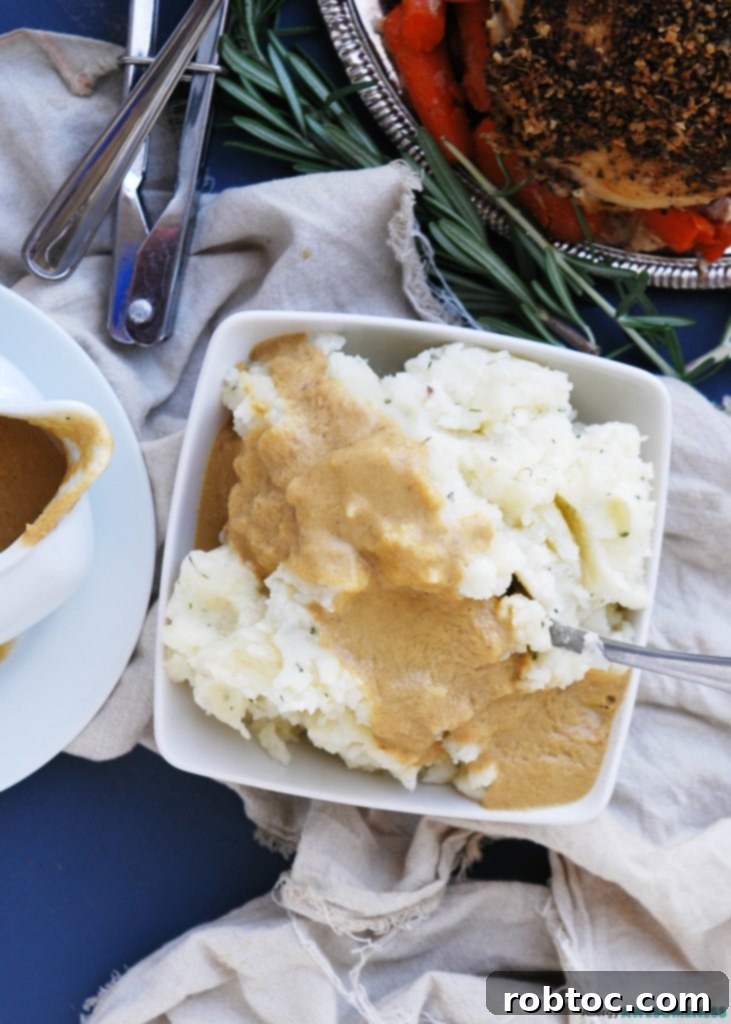
Discover More Delicious Dairy-Free Potato Dishes!
If you’re a potato lover, you’re in luck! Potatoes are incredibly versatile and naturally dairy-free, making them a fantastic base for a myriad of crave-worthy, milk-free carb recipes. (And as a quick hint, everything on my site is milk-free, given my son’s milk allergy!) Here are some of our other favorite potato recipes that are guaranteed to satisfy:
- **Vegan Scalloped Potatoes:** Layers of tender potatoes baked in a rich, creamy dairy-free sauce.
- **Dairy-Free Bacon Breakfast Potatoes:** Crispy, savory potatoes perfect for starting your day.
- **Dairy-Free Ranch Bacon Potato Salad:** A refreshing and flavorful take on a classic side dish, without the dairy.
- **Baked Honey Mustard Chicken and Potatoes:** A complete and easy sheet pan meal, packed with flavor.
- **Dairy-Free German Potato Salad:** Tangy and delicious, a hearty side that’s free from common allergens.
- **Potato and Sausage Soup:** A comforting and filling soup that’s perfect for chilly days.
- **Dairy-Free Loaded Baked Potato Soup:** All the flavors of a loaded baked potato in a creamy, dairy-free soup.
In fact, I have an entire **DAIRY FREE THANKSGIVING MENU** complete with delicious sides, a succulent turkey, and delectable pies – ensuring your holiday feast is both allergy-friendly and incredibly tasty! If you find yourself with a surplus of these amazing mashed potatoes, don’t let them go to waste! You can easily transform them into savory **Leftover Mashed Potato Cakes**, a brilliant idea from A Dash of Megnut.
And, if you’re looking for an even faster way to prepare mashed potatoes, an Instant Pot version is available in my **Allergy-Friendly Cookbook**, alongside many other helpful recipes.
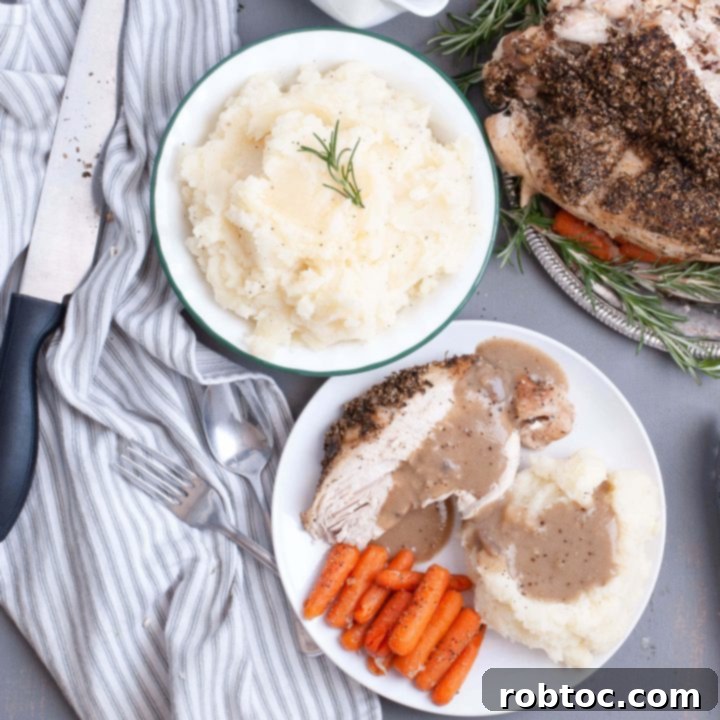
Creamy Dairy-Free Garlic Parsley Mashed Potatoes
5 servings
5 minutes
15 minutes
20 minutes
Experience the ultimate comfort food without dairy! These creamy, garlic-parsley infused mashed potatoes are perfect for dairy-free, vegan, and allergy-friendly diets.
Ingredients
- 5 large russet potatoes (plan for one potato per person for generous servings)
- Water
- 1 Tablespoon salt
- 2 Tablespoons olive oil
- 1-2 Tablespoons plain unsweetened rice milk*
- 1 teaspoon dried parsley
- 1 teaspoon garlic salt
- 1 teaspoon vegetable bouillon (ensure it’s a safe and vegan-friendly brand!)**
Instructions
- Prepare and Boil Potatoes: Wash and peel potatoes. For a more rustic look and ease, you can leave a little skin on. Cube the potatoes into roughly even pieces and place them in a large stock pot. Cover with water, ensuring potatoes are fully submerged, and add the salt. Bring the water to a rolling boil over medium-high heat, then reduce to a simmer and cook until the potatoes are fork-tender, typically around 15-20 minutes depending on potato size.
- Mash and Season: Carefully drain the cooked potatoes, reserving about 1 Tablespoon of the starchy cooking water. Transfer the drained potatoes to a large mixing bowl. Add in the olive oil, the initial 1 Tablespoon of plain rice milk, dried parsley, garlic salt, and vegetable bouillon. Using an electric stand mixer or a hand mixer, blend until smooth and creamy. Gradually add the remaining rice milk, 1 Tablespoon at a time, until you achieve your desired consistency. Taste and adjust seasonings as needed.
- Serve: Serve your creamy Dairy-Free Garlic Parsley Mashed Potatoes warm and enjoy! They make a perfect side dish for any meal.
Notes
*Any plain, unsweetened non-dairy milk should work, but I highly recommend rice milk because it’s nut-free and has the most neutral flavor, allowing the delicious potato taste to truly shine.
**If you need this dish to be completely vegan, make sure to swap out chicken bouillon for a certified vegan vegetable bouillon. Always check ingredient labels to ensure it meets your dietary requirements.
If you’re making this as part of a holiday feast, especially Thanksgiving, be sure to check out my complete Thanksgiving menu for food allergies for a stress-free and delicious spread.
For more gluten-free and dairy-free dinner ideas that pair wonderfully with these mashed potatoes, explore my cookbook: An Allergy Mom’s Lifesaving Instant Pot Cookbook.
Important Allergy Disclaimer: Our family’s allergies are severe and re-tested annually, and we strictly adhere to what’s on the label. I do not contact companies to inquire about ingredient derivations or potential cross-contact. If your allergies require such diligence, please perform your own research. I cannot guarantee the safety of any ingredient; only you can determine what is safe for your household. I simply share what works for our family.
Guidance for Cooking for Others with Allergies: If you are preparing this dish for someone with food allergies and you do not have allergies yourself, I STRONGLY recommend that you have them verify every single brand and ingredient you plan to use to ensure it aligns with their safety requirements. Additionally, please discuss with them best practices for avoiding cross-contamination in your kitchen. Communication and care are paramount when cooking for individuals with allergies.
Nutrition Information:
Yield: 5
Serving Size: 1
Amount Per Serving:
Calories: 332Total Fat: 6gSaturated Fat: 1gTrans Fat: 0gUnsaturated Fat: 5gCholesterol: 1mgSodium: 1717mgCarbohydrates: 64gFiber: 7gSugar: 4gProtein: 8g