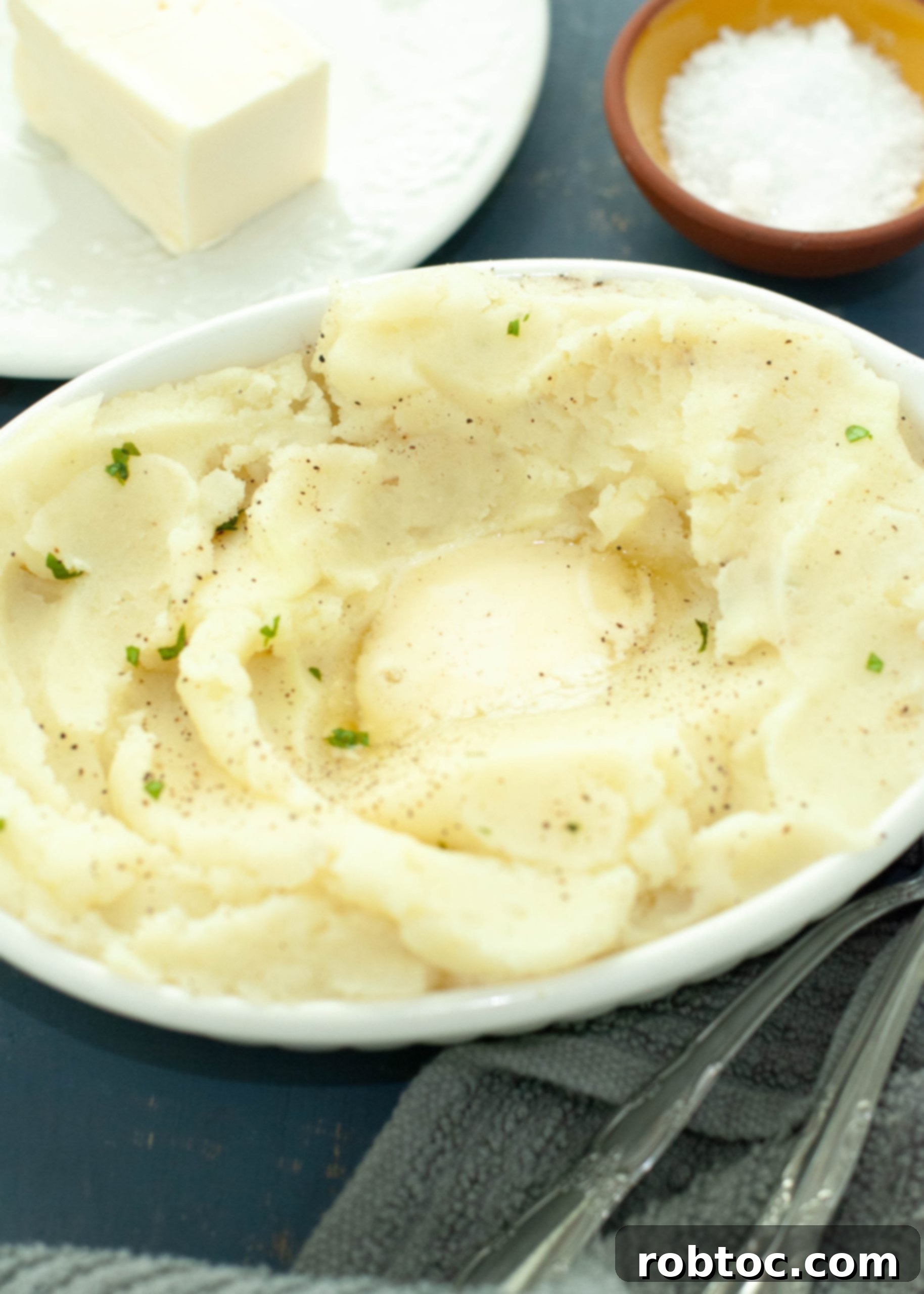
The Ultimate Guide to Creamy & Flavorful Dairy-Free Mashed Potatoes (with a Secret Ingredient!)
Welcome to the definitive guide for crafting the most incredible dairy-free mashed potatoes you’ve ever tasted! The secret to achieving that perfectly smooth, rich, and velvety texture, rivaling any traditional dairy version, lies in a strategic combination of olive oil and plant-based butter, along with rice milk and one special “secret ingredient” we can’t wait to share. For over a decade, these plant-based mashed potatoes have been a staple in our household, delighting even the most discerning palates of “regular” eaters who often find themselves going back for seconds. Get ready to transform your understanding of what dairy-free can truly be.
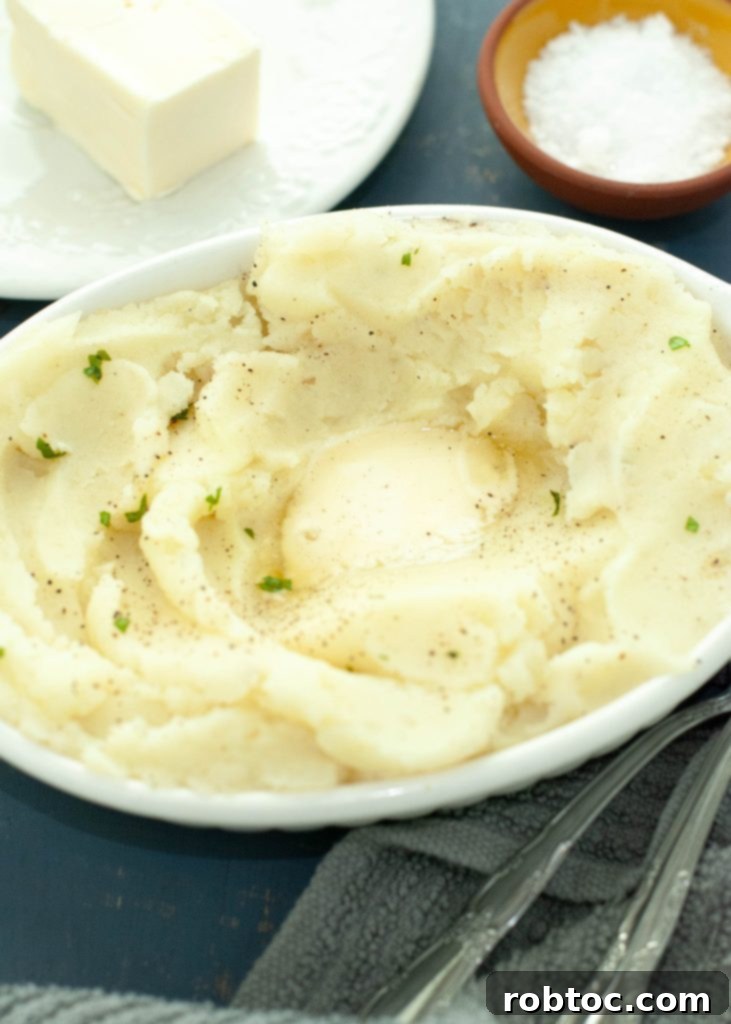
Why These Dairy-Free Mashed Potatoes Will Become Your New Favorite
There’s a reason my sister, who has no food allergies whatsoever, specifically requests that *I* bring the mashed potatoes to Thanksgiving dinner every year. That’s a testament to their irresistible quality! Despite containing zero milk, butter, cheese, sour cream, or any other typical dairy ingredients, these mashed potatoes are bursting with flavor, incredibly creamy, and utterly dreamy. They challenge the notion that dairy is essential for delicious comfort food.
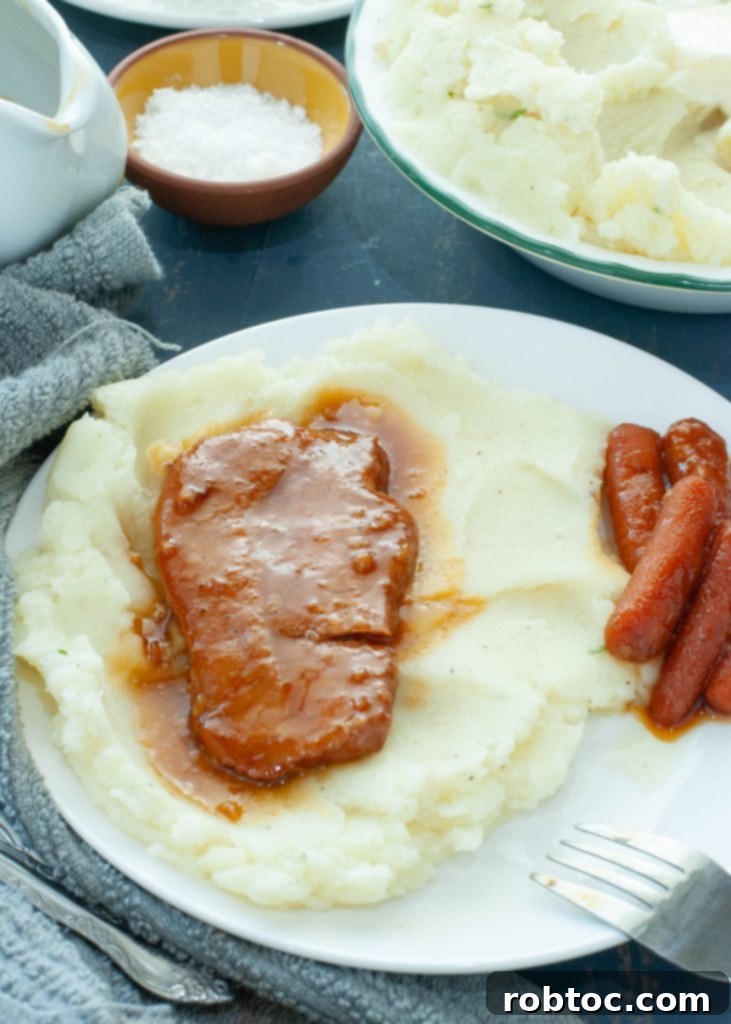
These aren’t just for special occasions; we enjoy these versatile mashed potatoes all year round. They’re a perfect accompaniment to hearty roasts and pair wonderfully with our slow cooker San Francisco pork chops. If you need any more convincing, let me just add a little geographical credibility: I’m from Idaho! Potatoes are practically in my blood, and I take my mashed potato recipes very seriously.
The Benefits of Choosing Dairy-Free Mashed Potatoes
Beyond accommodating allergies, opting for dairy-free mashed potatoes offers numerous advantages. They are inherently lighter, making them a great choice if you’re looking to reduce saturated fat intake without sacrificing flavor. For those with lactose intolerance or a dairy allergy, they open up a world of culinary possibilities that traditional recipes exclude. Moreover, plant-based diets are becoming increasingly popular for health and ethical reasons, and these mashed potatoes fit perfectly into a vegan or plant-forward lifestyle. They are inclusive, ensuring everyone at your table can enjoy a classic comfort dish.
Mastering the Dairy-Free Creaminess: Butter and Oil Substitutes
In my early days of dairy-free cooking, I experimented with using only olive oil for mashed potatoes. While the results were acceptable, they didn’t quite capture that rich, buttery essence. Through extensive testing, I discovered the true secret to achieving the perfect texture and flavor profile: a strategic combination of both olive oil and high-quality dairy-free plant butter.
This dynamic duo works synergistically. The olive oil contributes a silky smoothness and a subtle depth of flavor, while the plant butter provides that familiar, comforting richness and mouthfeel that we associate with classic mashed potatoes. For an outstanding butter substitute, I personally highly recommend Country Crock Plant Sticks. They boast an incredibly authentic butter flavor that truly elevates the dish (and no, this isn’t sponsored – I just genuinely love them!). Other brands like Miyoko’s Kitchen Cultured Vegan Butter or Earth Balance Vegan Butter also perform well, but I find the Country Crock to be particularly effective in mashed potatoes. Experiment to find your favorite, but always choose a brand known for its buttery taste and creamy texture.
The Crucial Choice: What to Use in Place of Milk
When I see recipes calling for almond milk, oat milk, or any other nut milk – or, heaven forbid, soy milk – in mashed potatoes, I honestly cringe a little. While these plant-based milks are fantastic in many applications, they often carry a distinct aftertaste or flavor profile that can overpower the delicate, earthy flavor of the potato. For truly exceptional dairy-free mashed potatoes, you absolutely need a milk substitute that is neutral in flavor and doesn’t compete with the star ingredient. That’s why the only acceptable option, in my humble opinion, is RICE MILK.
Rice milk offers a subtle sweetness and a thin, watery consistency that blends seamlessly into the potatoes without imparting any unwanted flavors. It provides the necessary liquid for creaminess without becoming a dominant note, allowing the potato’s natural deliciousness to shine through. Make sure to use unsweetened, plain rice milk for the best results.
Selecting the Perfect Potato for Your Mash
The foundation of any great mashed potato dish is, of course, the potato itself. After countless experiments, I’ve consistently found that Russet potatoes yield the best results for that classic, comforting, down-home mashed potato texture and flavor. Their high starch content is key; when cooked, Russets break down beautifully, absorbing the added fats and liquids to create a fluffy, creamy, and smooth consistency that’s impossible to achieve with waxier varieties.
While Yukon Gold potatoes are often praised for their buttery flavor, their lower starch content can sometimes lead to a gummier mash when over-processed. Red or new potatoes, with their waxy texture, are best reserved for potato salads or roasting, as they simply won’t achieve the desired fluffiness for mashing. So, for that perfect, pillowy mash, stick with Russets. And again, a completely biased but heartfelt recommendation: buy ones from Idaho! You won’t regret it.
Do You Really Need a Potato Ricer? Let’s Talk Tools.
If you’re a fan of gourmet cooking shows, you might have noticed chefs frequently reaching for a potato ricer. This specialized device forces cooked potatoes through small holes, creating a uniform, rice-like texture that supposedly guarantees lump-free mashed potatoes. However, as someone with a small kitchen and a preference for efficiency, I am decidedly anti-one-trick kitchen gadgets. I simply don’t have the space, time, or patience to store and wash another utensil unless it’s absolutely essential.
The good news? A potato ricer is absolutely *not* necessary for achieving perfectly smooth and creamy mashed potatoes. Nor do you need an expensive stand mixer. All you truly need is a simple, affordable hand-held electric beater, which can be purchased for around $10. This trusty tool will effortlessly whip your cooked potatoes into a cloud of deliciousness without any fuss or extra bulk in your kitchen drawers. It’s quick, effective, and gets the job done beautifully.
Choosing Your Oil Wisely
For this dairy-free mashed potato recipe, I personally love and recommend olive oil. Its mild, slightly fruity flavor complements the potatoes beautifully without being overwhelming. You have the flexibility to choose between virgin or extra virgin olive oil, depending on your preference and what you have on hand. The overall impact on the dish won’t be drastic, as the plant butter and bouillon will also contribute significantly to the flavor.
If you have specific dietary restrictions or simply prefer a different oil, feel free to substitute it with one of your safe or preferred cooking oils. Just be mindful of strong-flavored oils, such as coconut oil (unless you want a subtle coconut note) or unrefined sesame oil, as they could impart an undesirable taste to your mashed potatoes. A neutral-flavored oil like avocado oil or grapeseed oil would also work well if olive oil isn’t your preference.
The Secret Ingredient: Bouillon Powder
Here it is – the secret ingredient that truly sets these dairy-free mashed potatoes apart: bouillon powder. This magical addition provides an incredible depth of flavor that transcends mere salt and pepper. It transforms what could be a bland side dish into something truly extraordinary. While it may lend a slight yellowish tint to your potatoes, I promise you, it is oh-so-worth it. Once you try mashed potatoes with bouillon, you’ll find it incredibly difficult to go back to a version without it.
However, a crucial note for those with allergies: bouillon powders can sometimes contain hidden dairy or wheat ingredients, so careful label reading is absolutely essential. I have personally relied on Orrington Farms for years; they label their product as “broth base,” which is completely interchangeable with bouillon powder. Always double-check ingredient lists to ensure your chosen brand is safe for your dietary needs. You can opt for chicken or vegetable bouillon, depending on whether you prefer a richer, savory note or a lighter, more herbaceous flavor.
Can These Mashed Potatoes Be Vegan?
Yes, absolutely! While all vegan dishes are dairy-free, not all dairy-free dishes are vegan (for instance, some may contain eggs or honey). This particular recipe, as written, is inherently vegan, meaning it contains no animal products whatsoever. We’ve thoughtfully selected plant-based alternatives for every ingredient. If you’re specifically looking for more vegan recipe ideas, you can find my dedicated vegan mashed potato recipe here, which offers additional flavor variations.
Essential Tools for Dairy-Free Mashed Potato Perfection
Gathering your tools before you begin ensures a smooth and enjoyable cooking process. Here’s what you’ll need:
- Cutting board: For safely peeling and dicing your potatoes.
- Chef’s knife: A sharp knife makes quick work of preparing the potatoes.
- Peeler: To efficiently remove the potato skins.
- Large pot: Essential for boiling the potatoes with ample room.
- Colander: For thoroughly draining the cooked potatoes.
- Hand-held electric beaters: Your secret weapon for achieving super creamy, lump-free mashed potatoes without a ricer or stand mixer.
- Measuring cups and spoons: For accurate ingredient measurements, ensuring consistent results every time.
Ingredients Needed for Creamy Dairy-Free Mashed Potatoes
Simplicity is key to letting the natural flavors shine. Here are the essential ingredients for making your best dairy-free mashed potatoes:
- Russet potatoes: The backbone of a fluffy, creamy mash. Approximately 2.5 pounds, typically 5-6 medium potatoes.
- Water: For boiling the potatoes until tender.
- Olive oil: Adds a subtle richness and smooth texture.
- Dairy-free plant butter: For classic buttery flavor and creaminess. I highly recommend Country Crock Plant Butter with Olive Oil.
- Rice milk: The neutral-flavored liquid that ensures perfect creaminess without competing flavors.
- Chicken or vegetable bouillon powder: Our secret ingredient for deep, savory flavor. Ensure it’s a safe, dairy-free, and gluten-free brand.
- Salt: Essential for seasoning the boiling water and adjusting taste.
- Pepper: To taste, for a hint of warmth and spice.
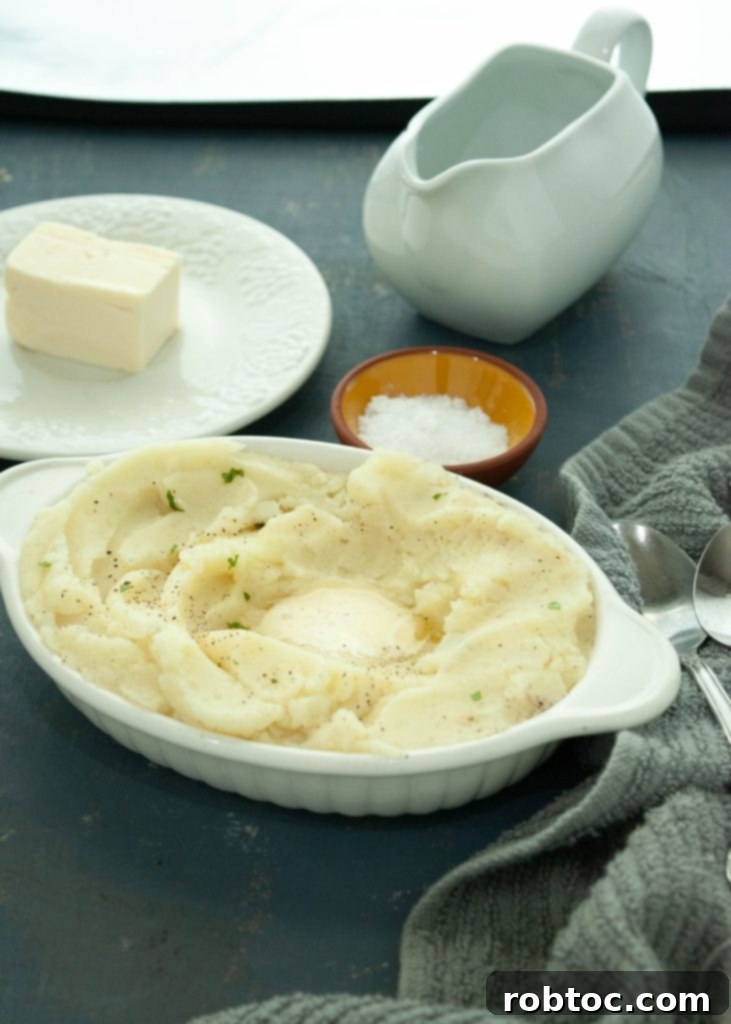
Explore More Dairy-Free Side Dishes
Yes, absolutely! As a family navigating severe food allergies (my son has a milk allergy), 99% of the recipes on my site are naturally dairy-free and gluten-free. While I occasionally venture into recipes that might only be gluten-free, the vast majority are completely free of any milk products or casein, making them safe and delicious for those with similar dietary needs.
If you’re searching for other yummy and satisfying side dishes to complement your meal, you’ll adore my gluten-free and dairy-free cornbread (it’s so moist it tastes like cake!). Don’t miss my gluten-free vegan breadsticks for a perfect dinner roll alternative. And if you’re craving another fantastic dairy-free potato side dish, be sure to try my Bacon Ranch Potato Salad for a refreshing twist.
A helpful note: all my recipes are also gluten-free. If your only dietary restriction is dairy-free, you can easily swap back in regular wheat flour for gluten-free flour in my other recipes, and then simply omit any listed xanthan gum. It’s an easy-peasy adjustment!
What Pairs Perfectly with Milk-Free Mashed Potatoes?
Honestly, the real question should be: what *doesn’t* go well with these amazing milk-free mashed potatoes? Their creamy, savory profile makes them an incredibly versatile side dish that complements a wide array of main courses. I particularly love serving them alongside hearty roasts (you can find two fantastic roast recipes in my printed allergy-friendly cookbook) or with my succulent crock pot pork chops.
But these mashed potatoes truly shine during holiday feasts, especially Thanksgiving. I’ve even created an ENTIRE ALLERGY-FRIENDLY THANKSGIVING MENU just for you! It features everything from a tender crock pot turkey breast to a decadent triple chocolate pie and refreshing homemade apple pear cider. Be sure to bookmark that page for your holiday planning!
Tips for Achieving Perfect Dairy-Free Mashed Potatoes Every Time
- Don’t Overcook: Boil potatoes until just fork-tender. Overcooked potatoes absorb too much water and can become mushy or gummy when mashed.
- Drain Thoroughly: After boiling, drain the potatoes completely. Excess water will dilute the flavor and prevent that rich, creamy texture. You can even return them to the hot pot over low heat for a minute or two to evaporate any remaining moisture.
- Mash While Hot: Potatoes are easiest to mash when they are still warm. Don’t let them cool down too much before adding your other ingredients and beating.
- Adjust Seasoning: Always taste and adjust salt and pepper as needed. The bouillon adds a good base, but your personal preference for saltiness will dictate any additions.
- Don’t Over-mix: While electric beaters are great for creaminess, be careful not to over-mix, especially if you have a powerful mixer. Over-mixing can break down too much starch and lead to gummy potatoes. Beat until smooth and creamy, then stop.
Frequently Asked Questions About Dairy-Free Mashed Potatoes
Can I Make These Mashed Potatoes Ahead of Time?
Absolutely! These dairy-free mashed potatoes are surprisingly resilient and reheat beautifully. I often make a larger batch than needed and store any cooled leftovers in an airtight container in the fridge. When you’re ready to enjoy them again, a quick reheat in the microwave or on the stovetop over low heat with a splash of extra rice milk will bring them back to their creamy glory.
Can I Freeze Leftover Mashed Potatoes?
While I haven’t personally frozen them (who has that much self-control with delicious mashed potatoes?!), many others have successfully done so. I believe they would freeze well. For optimal storage, I recommend freezing extra mashed potatoes in a Ziploc freezer bag. Lay the bag flat to freeze; this makes for easier storage and ensures they thaw more quickly due to the thinner profile. When ready to serve, thaw them in the refrigerator overnight, then reheat gently in the microwave or on the stovetop. You may need to add a little extra rice milk or plant butter during reheating to achieve your desired creamy consistency.
Do I Have a Video That Shows How to Make Mashed Potatoes?
Yes, I do! I understand that having a visual guide can be incredibly helpful when learning a new recipe. So, be sure to watch the accompanying video before you start cooking. The video should auto-populate on this page, but if it doesn’t, you can always find it at the bottom of the recipe card or directly on my YouTube channel, along with many other yummy cooking videos.
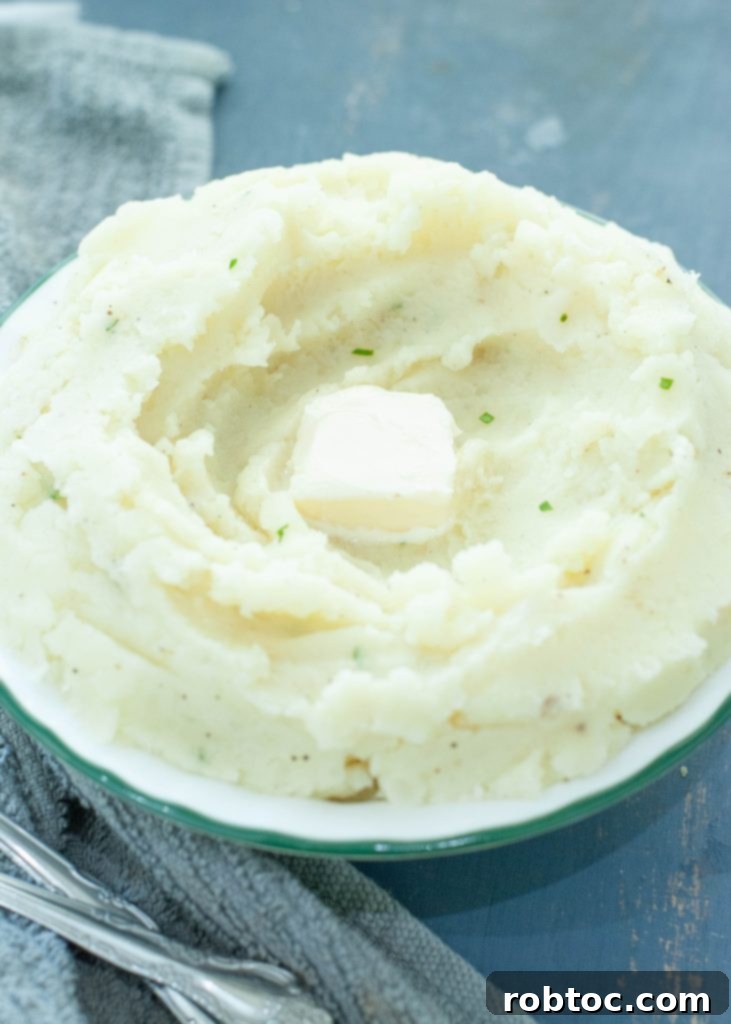
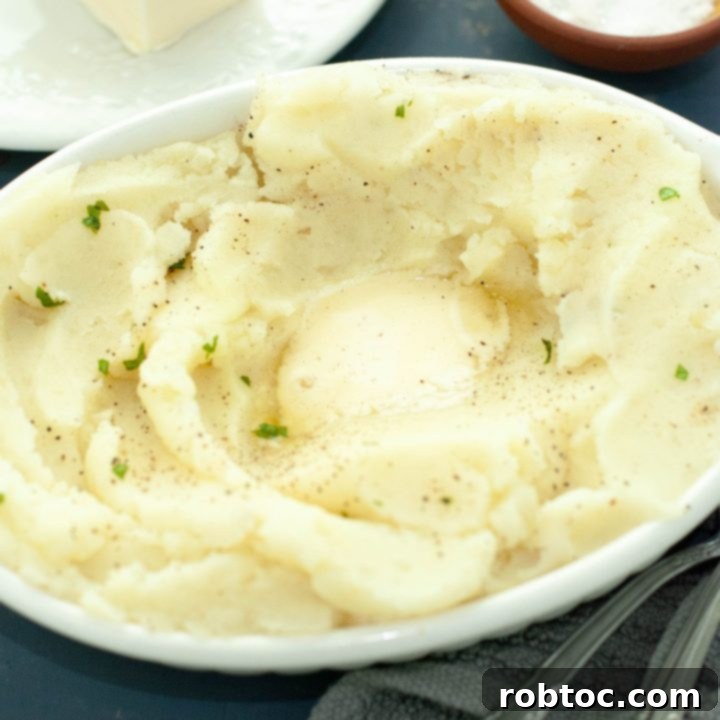
Dairy-Free Mashed Potatoes + Video (Secret Ingredient)
6 servings
5 minutes
10 minutes
10 minutes
25 minutes
The secret to getting amazing tasting and creamy dairy-free mashed potatoes is in using both olive oil and plant butter, as well as rice milk and an additional secret ingredient. Read on to find out how to make velvety mashed potatoes that will rival any made with typical dairy ingredients. We’ve been enjoying these for over a decade, and proudly serve them even with “regular” eaters who gobble them up.
Ingredients
- 2.5 pounds Russet potatoes (5-6 medium potatoes typically)
- Water
- 2 Tablespoons olive oil
- 2 Tablespoons plant butter (I use Country Crock Plant Butter with Olive Oil)
- 2 Tablespoons plain rice milk
- 1 teaspoon vegetable or chicken bouillon powder (make sure it’s a safe brand!)
- 1/2 teaspoon salt (or more to taste)
- Pepper to taste
Instructions
Peel and dice potatoes into even chunks.
Fill a large pot with water, enough to cover the potatoes by at least 1-2 inches and room for it to boil.
Generously salt the water.
Bring water to a boil.
Add the peeled and diced potatoes to the water.
Boil for 8-10 minutes, or until the potatoes are fork tender (the fork can easily pierce the potato). The time will depend on how thick you cut your potatoes.
Drain the water completely.
Add the rest of the ingredients to the softened potatoes: olive oil, plant butter, rice milk, bouillon powder, salt and pepper.
Using hand held beaters, beat until potatoes are smooth and creamy.
If you desire more creamy potatoes, you can always add more rice milk. Taste and adjust salt and pepper as desired.
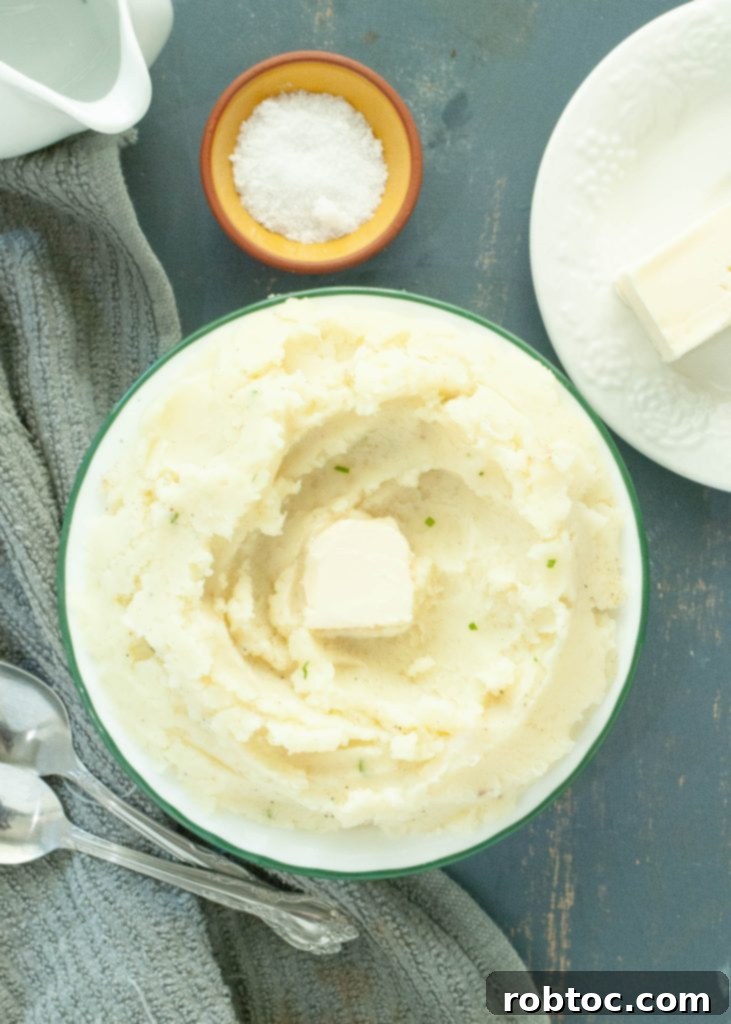
Serve warm, with an additional pat of butter melting in the middle if desired (why not??).
Notes
For substitutions and FAQs read above the recipe.
*Our allergies, while severe and that get re-tested frequently, are such that we can go strictly by what’s on the label. I do not call companies to see what things are derived from, or call manufacturers to see about potential cross contact. If your allergies require you to do so, please do your own homework. I cannot assure you of any ingredient’s safety, only you can do that. I simply share what works for our family.
**If you are going to feed this to someone with food allergies, and you yourself do not have food allergies, I HIGHLY recommend having them check every single brand and ingredient you are using, to ensure they’re OK with each part of the recipe. And, to make sure you’ve talked to them about how to avoid cross contamination in your kitchen.
Nutrition Information:
Yield: 6
Serving Size: 1
Amount Per Serving:
Calories: 262Total Fat: 9gSaturated Fat: 3gTrans Fat: 0gUnsaturated Fat: 5gCholesterol: 10mgSodium: 317mgCarbohydrates: 41gFiber: 5gSugar: 2gProtein: 5g