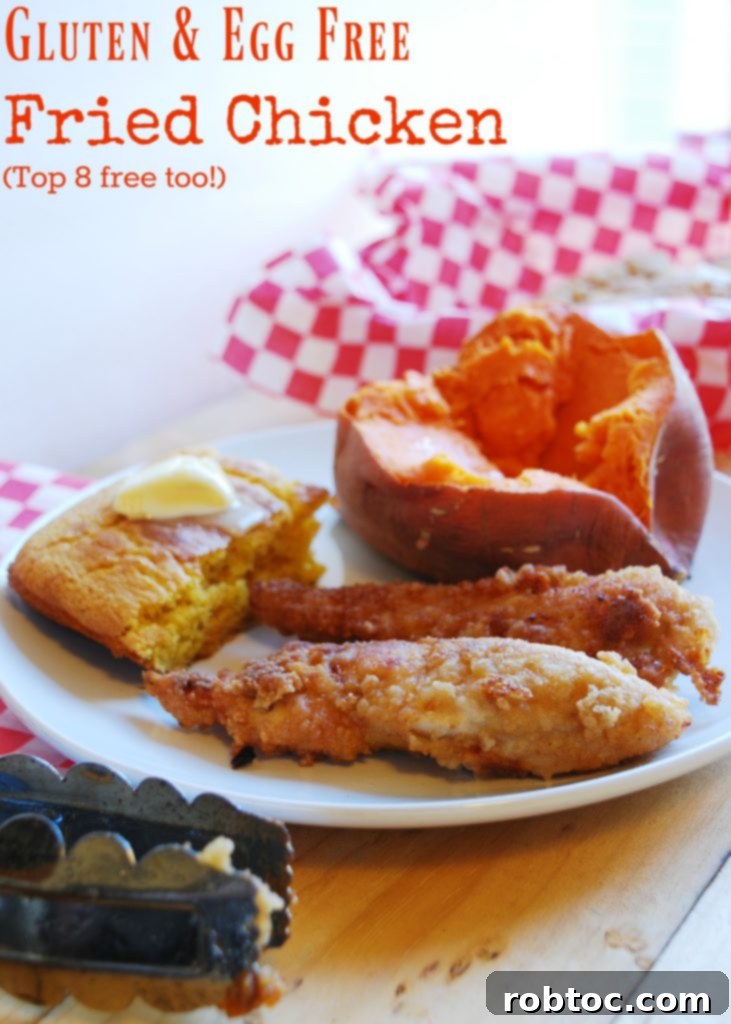
Crispy & Flavorful Gluten-Free Fried Chicken: A Top 8 Allergy-Friendly Recipe
Finally, a truly remarkable gluten-free fried chicken recipe that delivers on both crispiness and incredible flavor. If you’ve been searching for a fried chicken experience free from common allergens like gluten, dairy, egg, soy, peanut, and tree nuts – making it entirely top 8 free – your culinary journey ends here. We’re about to unveil some ingenious secrets, including the unexpected use of a blender and everyday cereal, to achieve that irresistible crunchy coating you’ve been craving.
(Please note: This blog contains affiliate links. While I received a free Blendtec blender, all opinions shared are genuinely my own and based on my personal experience with the product.)
Reimagining a Classic: Fried Chicken for All
As an American, my love for fried chicken runs deep. It’s more than just a meal; it’s a staple of comfort food, a symbol of gathering, and a taste of home. However, for many years, the classic fried chicken recipe remained out of reach due to severe food allergies. Traditional preparations often involve a buttermilk soak (dairy), an egg wash (egg), and a flour dredge (wheat gluten) – a triple threat of top 8 allergens that made this beloved dish impossible for me and my family. The challenge was clear: how to recreate the magic of crispy, juicy fried chicken without these common culprits?
This quest led me down a path of creative experimentation, resulting in a recipe that’s not just allergy-friendly but genuinely delicious. My journey involved embracing some unconventional ingredients and tools, most notably everyday cereal and my trusty Blendtec blender. I understand that using cereal might sound a bit unconventional for a fried chicken coating, but I promise you, the results are nothing short of transformative. This method is a game-changer for anyone managing food allergies without sacrificing flavor or texture.
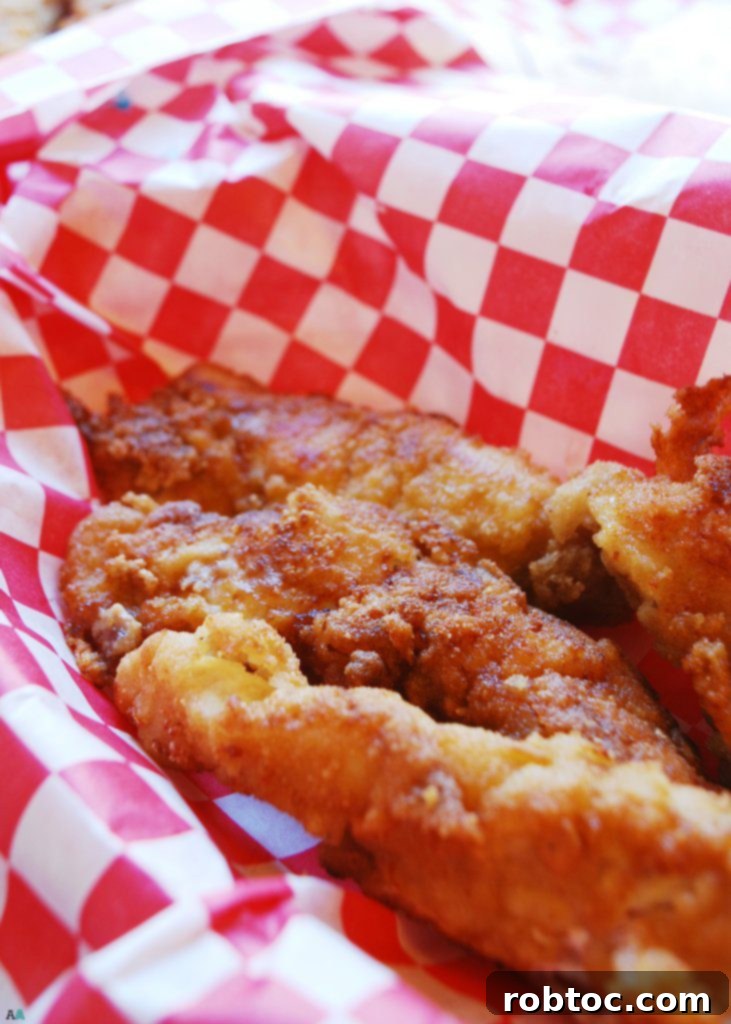
The Secret to Unbeatable Allergy-Friendly Breading: Cereal Power!
Before my family’s allergy diagnoses, panko crumbs were my go-to for achieving extra-crispy coatings. Their light, airy texture created a satisfying crunch that was hard to beat. When faced with the challenge of finding a gluten-free alternative, I began exploring my allergy-friendly pantry. My eyes landed on Rice Chex cereal (generic brands work just as well!). Thanks to my two-year-old, I’d had plenty of experience observing how Rice Chex, even when crushed, retains its delightful crisp texture. This observation sparked an idea: could this humble cereal be the secret to a perfect gluten-free breading?
The answer was a resounding yes! I tossed a few cups of Rice Chex into my blender, pulsed it until finely crumbled, and added a couple of key ingredients. What I discovered was truly groundbreaking: THE BEST allergy-friendly breading I had ever created. The blender efficiently transforms the cereal into a consistency remarkably similar to panko, providing that sought-after crunch without any gluten.
To perfect the coating, I found that adding a bit of cornstarch was crucial. Cornstarch acts as an excellent binding agent, helping the breading adhere firmly to the chicken and contributing to an even crispier finish. Of course, a thoughtful blend of spices is essential for that classic fried chicken flavor. You’ll notice my recipe omits paprika; this is due to my son’s EOE (Eosinophilic Esophagitis) which makes paprika a trigger for him. However, paprika is a traditional ingredient in many fried chicken recipes, so if you and your family can enjoy it, feel free to add it to your breading mixture for an extra layer of warmth and color.
Mastering the Fry: Tips for the Crispiest Chicken
Achieving perfectly fried chicken goes beyond just the breading; the frying technique itself plays a pivotal role. Here are two critical tips to ensure your chicken turns out golden, crispy, and cooked to perfection:
- Embrace the Cast Iron Pan: For the best frying results, I highly recommend using a cast iron pan. Cast iron skillets distribute heat incredibly evenly and retain it beautifully, which is essential for consistent cooking and a uniform crisp on your chicken. If you don’t have one, it’s a worthwhile investment for any home cook, especially for frying.
- Optimal Oil Temperature is Key: Patience is a virtue when it comes to heating your oil. Do not add the chicken until your oil is hot, shiny, and gently rippling. You want the chicken to cook quickly and efficiently, achieving a crisp exterior without absorbing too much oil and becoming greasy. Aim for an oil temperature around 350°F (175°C) for ideal results. A digital instant-read thermometer is your best friend here to ensure accuracy. If the oil isn’t hot enough, the breading will become soggy, and the chicken will take too long to cook, drying out in the process.
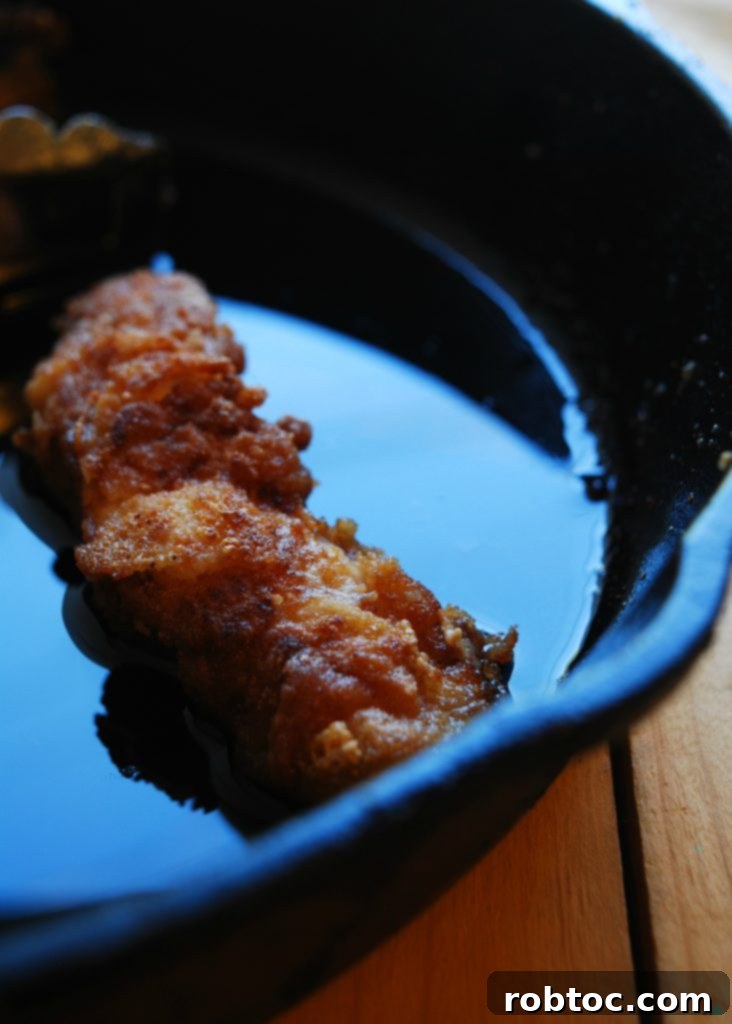
Alright, one more crucial tip for maintaining that flawless breading: Resist the urge to flip! Try to flip the chicken only once during cooking. Excessive handling or flipping can cause the delicate breading to loosen and fall off, ruining that perfectly crisp crust. Once you’ve placed the chicken in the hot oil, put down those tongs and let the oil do its work. Allow one side to brown completely before carefully turning it to cook the other side. This minimal handling technique is vital for breading adhesion and uniform crispness.
Lastly, a personal confession: I prefer skinless chicken breasts. I know this isn’t traditional for fried chicken, as many enjoy the crispy skin. However, I find the texture of crunchy skin a bit unsettling. Please feel free to use other cuts of chicken, such as thighs or drumsticks, and leave the skin on if you prefer. The preparation method will remain the same. If you opt for dark meat or bone-in pieces, I strongly recommend using a meat thermometer to ensure the chicken reaches an internal temperature of 165°F (74°C) for food safety, as thicker cuts might require a longer cooking time.
My husband absolutely adores this recipe, and it’s quickly become one of our family’s most requested meals. I hope this allergy-friendly adaptation allows you to savor the classic taste of fried chicken in a new, delicious way that perfectly fits your dietary needs and restrictions. Prepare to be amazed by this crispy, flavorful creation!
Frequently Asked Questions About Gluten-Free Fried Chicken
Which Flour Do I Need for Gluten-Free Fried Chicken?
One of the beauties of this gluten-free fried chicken recipe is that you don’t need any specialized gluten-free flour blends at all! Instead of wheat flour or gluten-free flour alternatives, we harness the power of finely crushed Rice Chex cereal for that irresistible crunch. A small amount of cornstarch is added not as a primary flour, but as a binding agent and thickener, ensuring the coating adheres beautifully and achieves an extra layer of crispness. This innovative approach makes sourcing ingredients incredibly easy and keeps the recipe reliably gluten-free.
How Can I Avoid The Breading From Falling Off The Chicken?
Preventing the breading from separating from your chicken is crucial for the perfect fried chicken experience. Here are six detailed tips to ensure your breading stays put and gets wonderfully crispy:
- Start with Dry Chicken: This is perhaps the most important first step. Excess moisture on the chicken surface can create a barrier, preventing the breading from adhering. After rinsing your chicken, pat it thoroughly dry with paper towels. The sequence for coating should always be dry (chicken), then wet (faux buttermilk), then dry (breading).
- The Double Dip and Press Method: For optimal adhesion, dip your chicken into the faux buttermilk mixture, letting any excess drip off. Then, dredge it generously into the cereal breading mixture. Don’t just lightly coat it; really press the chicken firmly into the breading to ensure every nook and cranny is covered and the coating is packed on tightly.
- Let It Rest – The “Adhesion Time”: Once breaded, arrange the chicken pieces on a plate or baking sheet and let them sit undisturbed for at least 30 minutes in the refrigerator. This resting period, often overlooked, allows the moisture from the chicken and the faux buttermilk to slightly hydrate the breading and create a stronger bond. This means less breading fall-off during frying. Conveniently, this is also a great time to heat your oil to the correct temperature.
- Maintain Optimal Oil Temperature (350°F): As mentioned earlier, consistent and correct oil temperature is vital. Aim for approximately 350°F (175°C). If the oil is too cool, the breading will become soggy and potentially fall off. If it’s too hot, the exterior will burn before the interior cooks. Use a digital instant-read thermometer for precision.
- Minimize Handling and Flip Only Once: Once the chicken is in the hot oil, resist the temptation to constantly move or flip it. The more you handle the chicken, the higher the chance of disturbing the breading. Allow one side to brown completely and form a crust before carefully flipping it over once to cook the other side. This single-flip technique is a golden rule for crispy, intact breading.
- Use a Wire Rack for Draining: After cooking, immediately transfer the fried chicken to a wire rack placed over a sheet pan lined with paper towels. This setup allows air to circulate around all sides of the chicken, preventing steam from accumulating and making the bottom soggy. Placing chicken directly on a plate can trap moisture, softening the breading and making it more prone to fall off. The wire rack ensures your chicken stays crispy from every angle.
Gluten-Free Fried Chicken Recipe
Ingredients
- 3-4 chicken breasts, cut into thin strips (or your preferred cut)
- 2 cups original rice milk + 2 Tablespoons lemon juice + optional splash of hot sauce to taste
- 4 cups Rice Chex cereal
- 1 ½ Tablespoons cornstarch
- ½ Tablespoon garlic salt
- ½ Tablespoon salt
- Canola oil (for frying)
- Cast iron pan (or a heavy-bottomed pot suitable for frying)
Instructions
- Prepare the Faux Buttermilk: In a shallow bowl, combine the lemon juice and rice milk. This mixture acts as our allergy-friendly “buttermilk,” tenderizing the chicken and helping the breading adhere. If you enjoy a touch of heat, a splash of your favorite hot sauce can be added here.
- Slice the Chicken: Ensure your chicken breasts are cut into thin, even strips or pieces. This promotes quick and even cooking, preventing the exterior from burning before the inside is fully cooked. If your chicken pieces are too thick and not reaching the required 165°F (74°C) internal temperature by the time the outside is golden brown, you may need to transfer them to a preheated oven (around 350°F / 175°C) to finish cooking internally.
- Marinate the Chicken: Place the chicken strips into the faux buttermilk mixture. Make sure all pieces are submerged. Allow them to marinate for at least 30 minutes. This step is crucial for both flavor and moisture.
- Prepare the Breading: While the chicken is marinating, prepare your gluten-free breading. In your blender, combine the Rice Chex cereal, cornstarch, garlic salt, and salt. Pulse the mixture until the cereal is finely crumbled and all ingredients are thoroughly combined. The texture should resemble coarse flour or panko crumbs.
- Set Up for Breading: Pour the breading mixture into a thick brown paper bag. Using a paper bag allows for easy shaking and even coating. For extra durability, especially if breading many pieces, you might want to double-bag it.
- First Breading Layer: Remove the chicken from the faux buttermilk, shaking off any excess liquid very well. For best results, you can even gently pat the chicken dry with paper towels at this stage. Place several chicken pieces (without overcrowding) into the paper bag with the breading mixture. Shake vigorously to evenly coat the chicken. Press the breading onto the chicken to ensure it adheres firmly.
- Second Breading Layer (Optional but Recommended): For an extra crispy crust and enhanced adhesion, dip the breaded chicken pieces back into the faux buttermilk briefly, allowing excess liquid to drip off. Then, return them to the paper bag and shake again to apply a second layer of breading. This double-dredging technique significantly boosts crispiness.
- Rest the Breaded Chicken: Once breaded, arrange the chicken on a clean plate or baking sheet and refrigerate for about 30 minutes. This resting time is key to allowing the breading to adhere properly to the chicken, minimizing fall-off during frying. During this time, you can begin heating your oil.
- Heat the Oil: Pour enough canola oil into your cast iron pan to reach a depth of about 1-2 inches. Heat the oil over medium-high heat until it reaches approximately 350°F (175°C). Use a digital instant-read thermometer to verify the temperature. The oil should appear shiny and show gentle ripples.
- Fry the Chicken: Carefully and gently lay the breaded chicken tenders into the hot oil. I find it helpful to start placing pieces around the outside edge of the pan and work towards the middle, as the center is often the hottest spot. Do not overcrowd the pan, as this will drop the oil temperature and lead to soggy chicken. Fry in batches if necessary.
- Cook and Flip Once: Allow the chicken to cook undisturbed until it’s completely golden brown and crispy on one side, typically 3-5 minutes depending on thickness. Then, using tongs, carefully flip each piece only once to cook the other side until it’s also golden brown and the chicken is cooked through to an internal temperature of 165°F (74°C).
- Drain Excess Oil: Once the chicken is fully cooked, remove it from the pan and place it on a wire rack set over paper towels. This setup allows any excess oil to drain off, keeping the chicken wonderfully crispy.
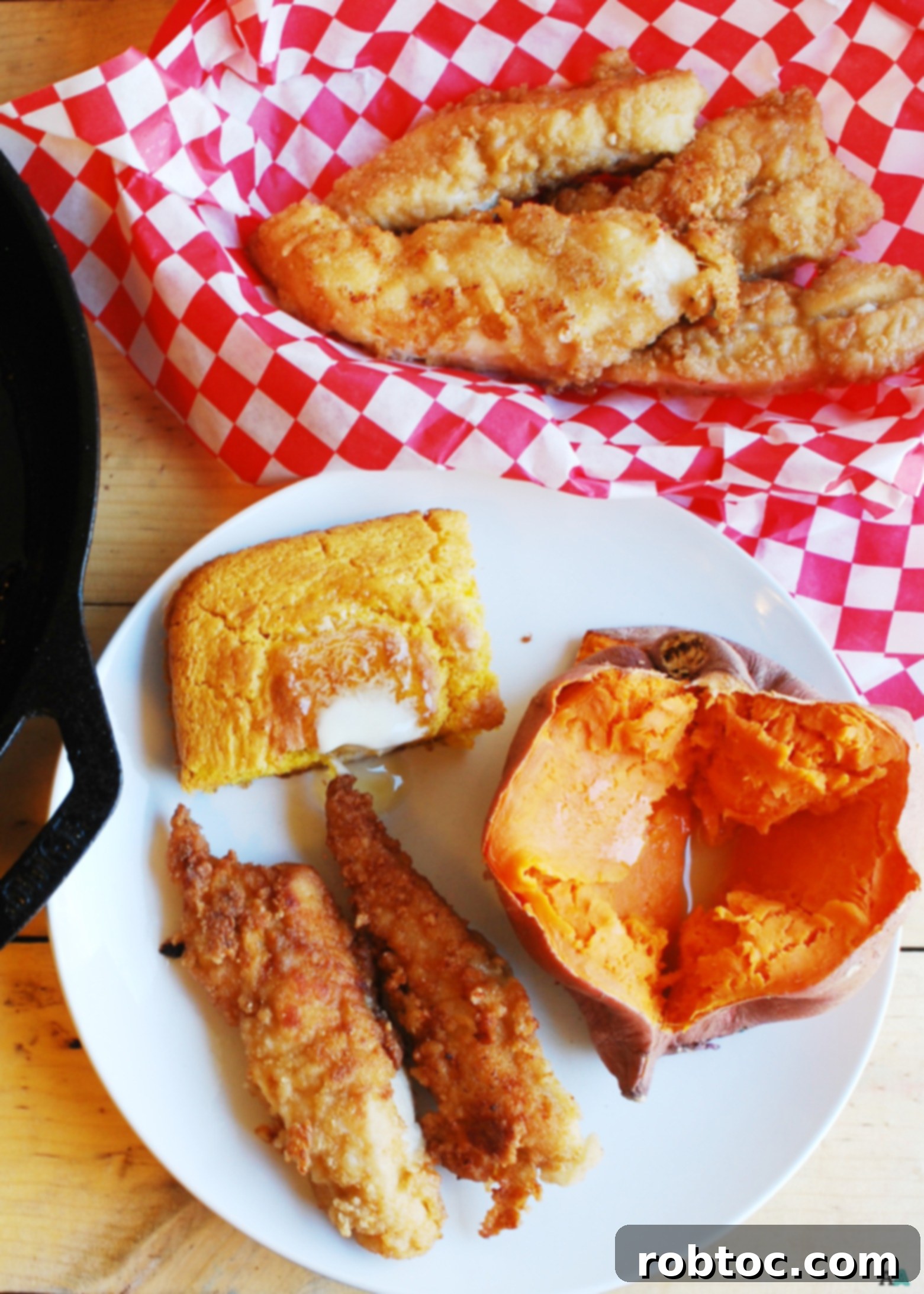
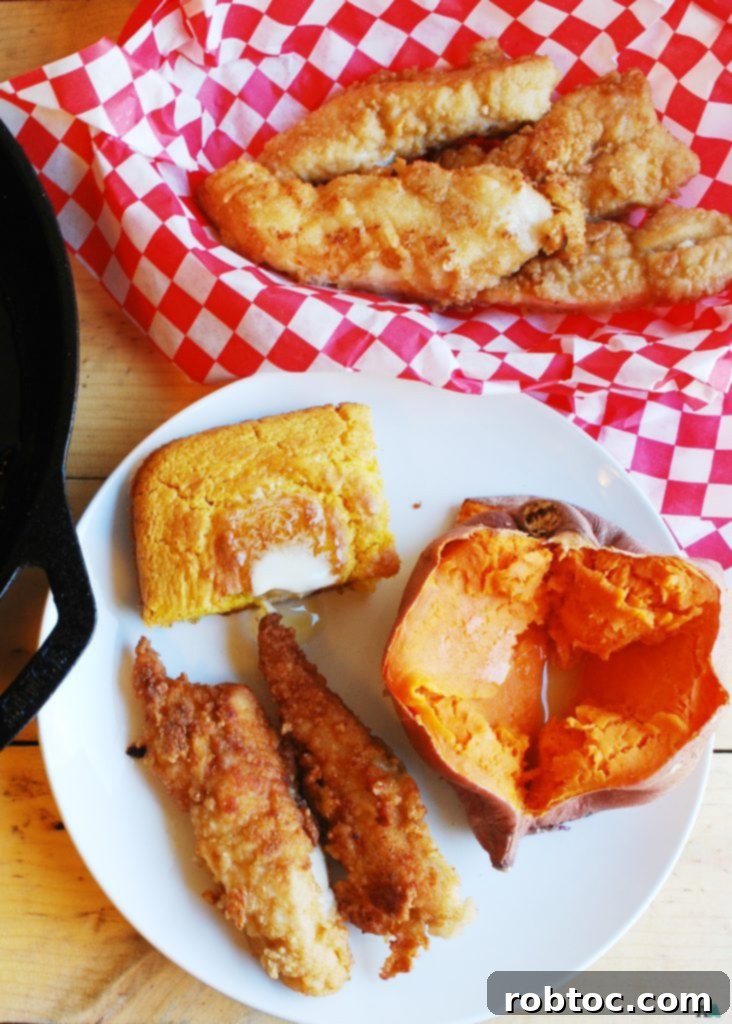
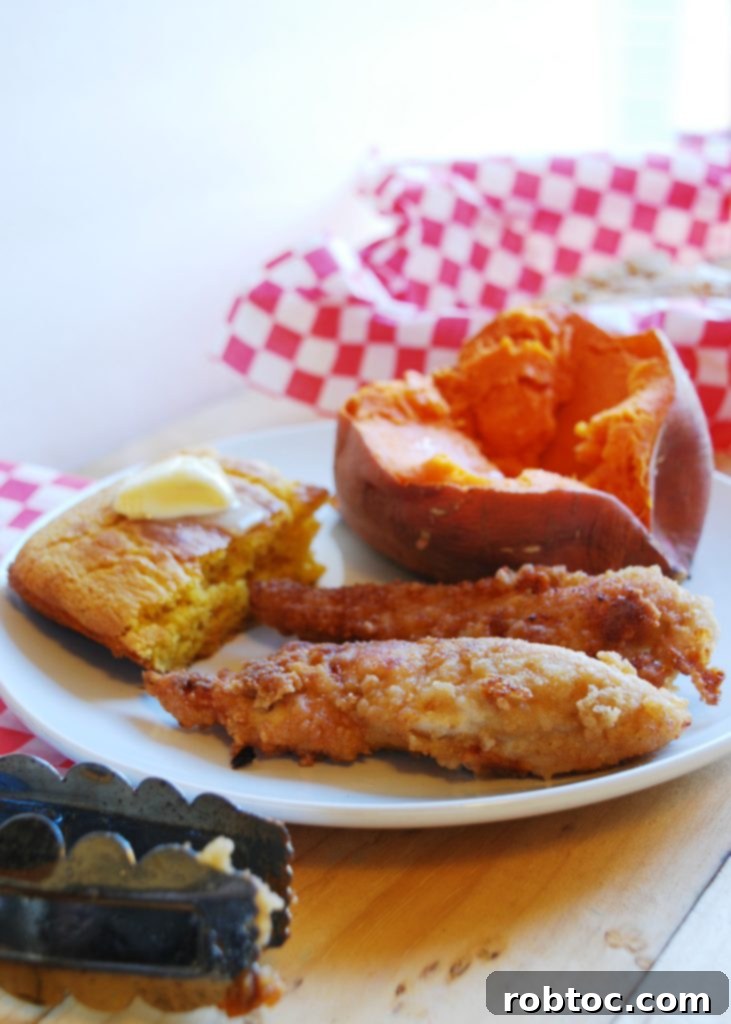
- Serve Warm: Serve your delicious gluten-free fried chicken warm. We love pairing it with savory side dishes like sweet potatoes and my safe cornbread. It’s a comforting and satisfying meal for the whole family!
- Reheating Tip: If you happen to have any leftovers that need reheating, avoid using a microwave. Microwaving will turn the crispy breading mushy. For best results, reheat in a toaster oven or conventional oven to restore its crispiness.
What Kind Of Oil Is Best For Frying Chicken?
For frying chicken, especially in allergy-friendly cooking, I recommend canola oil. It’s an excellent choice for several reasons. Firstly, canola oil is relatively inexpensive and widely available. Secondly, it has a neutral flavor, which means it won’t impart any unwanted taste to your chicken, allowing the delicious breading and chicken flavors to shine through. Most importantly, canola oil has a high smoke point (around 400°F/204°C), making it suitable for high-heat cooking methods like frying without breaking down or producing acrid smoke. While other oils like vegetable oil or sunflower oil could also work, canola offers a great balance of cost, neutral taste, and heat stability. Peanut oil, though popular for frying, should be avoided for anyone with peanut allergies.
How Long Is Fried Chicken Good For?
The delicious crispiness of freshly fried chicken is always at its peak on the first day. The breading is wonderfully crunchy straight out of the pan. While you can certainly enjoy leftovers, I generally recommend consuming this gluten-free fried chicken within three days if stored properly. To maximize its freshness and safety, ensure it’s kept in an airtight container in the refrigerator.
What Is The Best Way To Reheat Fried Chicken?
Reheating fried chicken correctly is crucial to preserve its delightful texture. The golden rule is: absolutely do not microwave it! A microwave will inevitably turn the crispy breading into a soggy mess. The best way to reheat fried chicken and bring back its crunch is to use a toaster oven or a conventional oven. Preheat your oven or toaster oven to about 350-375°F (175-190°C) and reheat the chicken until it’s warmed through and the breading has regained its crispness, typically 10-15 minutes, depending on the size of the pieces. This method ensures that the exterior becomes crispy again while the interior heats evenly.
What To Serve With Gluten-Free Fried Chicken?
Gluten-free fried chicken is incredibly versatile and pairs wonderfully with a wide array of classic comfort food sides. Here are some of our favorite accompaniments to create a complete and satisfying meal:
- Sweet Potatoes: Whether it’s my creamy crock pot sweet potato casserole or simple roasted sweet potato fries, the natural sweetness of potatoes beautifully complements the savory chicken.
- Baked Beans: A hearty serving of homemade baked beans, especially those from my allergy-friendly cookbook, adds a delightful, tangy counterpoint.
- Cornbread: Fluffy, moist cornbread is a southern classic that’s a must-have with fried chicken. Try my gluten-free and dairy-free cornbread for a perfect pairing.
- Biscuits: Soft, tender biscuits are excellent for soaking up any juices or accompanying the chicken. My gluten-free biscuits are a fantastic option.
- Mac and Cheese: Creamy, cheesy macaroni and cheese is the ultimate comfort food side. Our gluten-free mac and cheese recipe is always a hit.
- Fresh Green Salad: For a lighter touch and to add some freshness, a crisp green salad with a simple vinaigrette can cut through the richness of the fried chicken.
- Coleslaw: A tangy, crunchy coleslaw is another traditional favorite that offers a refreshing contrast in texture and flavor.
In fact, almost any side dish from my full recipe index would be a perfect complement, as everything on my site is designed to be gluten-free and allergy-friendly!
Notes
If you prefer a less messy option or are looking for a baked alternative, you might enjoy my Oprah’s Unfried Chicken Made Gluten Free recipe. It offers a similar flavor profile with a different preparation method.
Don’t Forget to Pin This Recipe!
Make sure to save this incredible gluten-free fried chicken recipe so you can easily find it whenever the craving strikes! Pin it to your favorite recipe board and share it with friends and family who are looking for delicious allergy-friendly options.