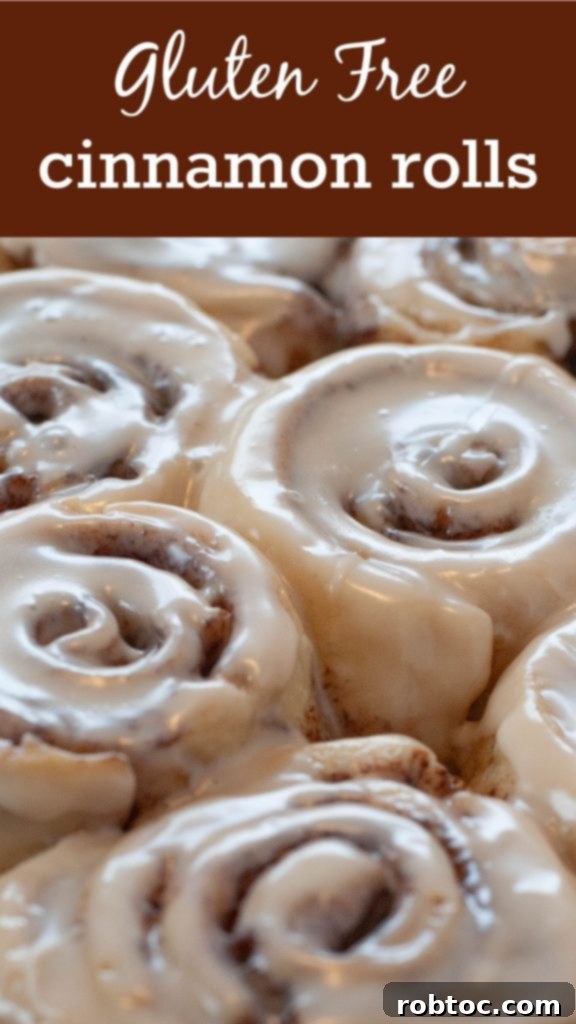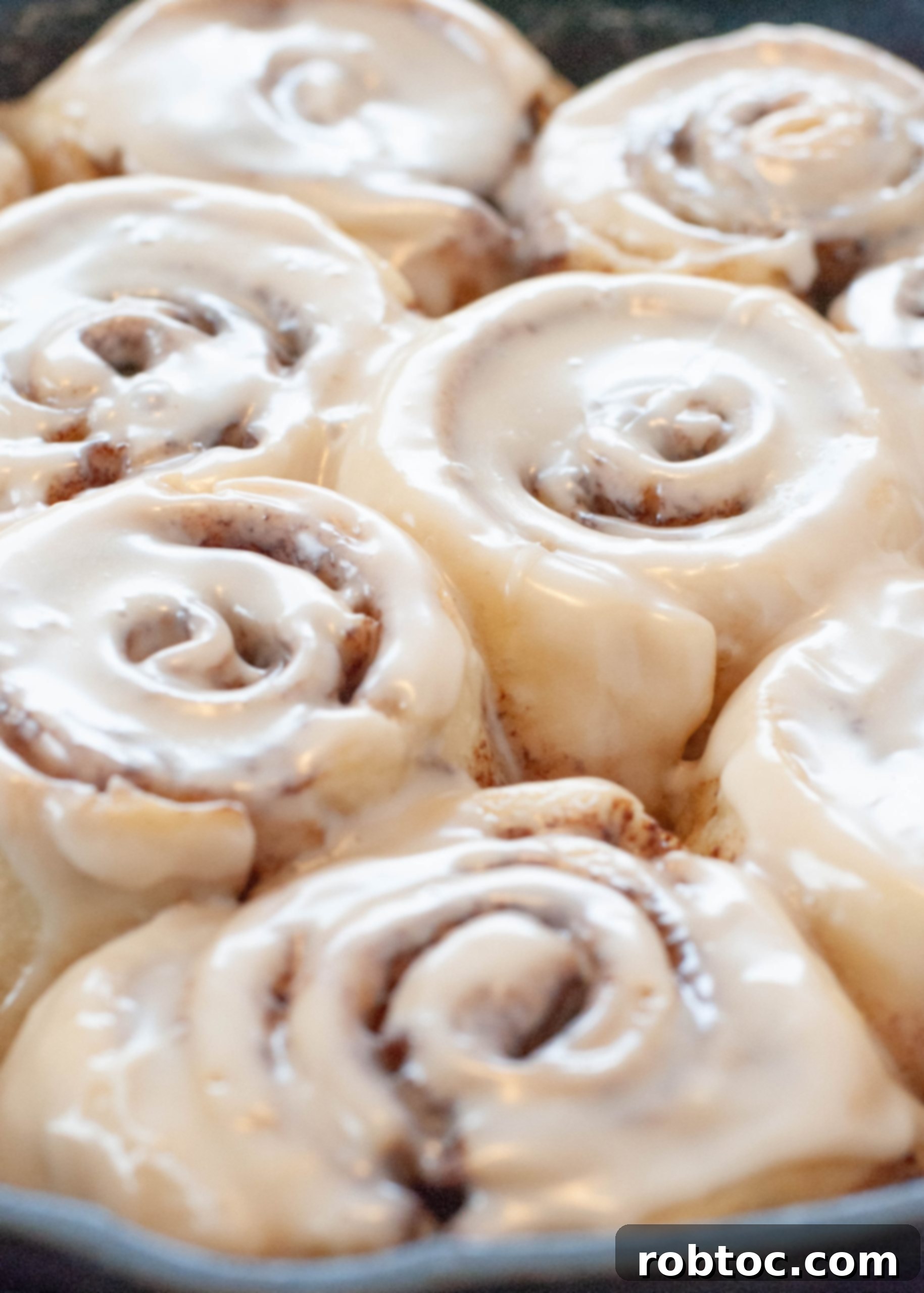
Ultimate Soft & Fluffy Gluten-Free Cinnamon Rolls: Dairy-Free Option & Expert Baking Tips
Experience the magic of truly soft cinnamon rolls, now completely gluten-free! These delightful treats feature a rich brown sugar filling and a luscious sweet icing, making them the perfect indulgence for breakfast, brunch, or a delightful snack. Thanks to a revolutionary specialty flour and unique baking techniques, these tender rolls boast a texture remarkably close to traditional cinnamon rolls. We also offer a fantastic dairy-free option, ensuring everyone can enjoy these sweet, comforting delights. Our recipe is proudly free of gluten, soy, peanuts, and tree nuts, making it a safe and delicious choice for many.
This post contains affiliate links, which means we may earn a small commission if you make a purchase through our links, at no extra cost to you.
The Gluten-Free Difference: What Makes Our Cinnamon Rolls Stand Out
For anyone who loves a warm, gooey cinnamon roll but lives with gluten sensitivities, finding a truly satisfying gluten-free version can be a challenge. Many gluten-free baked goods can be dense, dry, or crumbly. However, our recipe breaks through these barriers, delivering cinnamon rolls that are incredibly soft, moist, and tender, rivaling their traditional counterparts. What’s our secret? It’s a combination of innovative ingredients and precise baking methods designed to maximize moisture and texture in gluten-free dough.
Specialty Gluten-Free Flour for Superior Texture
The cornerstone of these extraordinary cinnamon rolls is a specialty blend of gluten-free flour. This particular blend is relatively new to the market and is specifically formulated for gluten-free bread applications. Unlike many all-purpose gluten-free flours, this blend produces a remarkably soft and tender dough that mimics the elasticity and structure often lost in gluten-free baking. Its unique composition helps achieve that coveted pillowy texture, making all the difference in the final product. While you might need to purchase this flour online, as I do here in Idaho, the results are undeniably worth the effort.
Innovative Baking Techniques for Unmatched Moisture
Beyond the flour, we incorporate several “extra” steps to ensure unparalleled tenderness and moisture. These techniques are crucial for combating the natural tendency of gluten-free dough to dry out during baking:
- Oven Humidity: I always add a small amount of water to my oven during the baking process. This creates a moist environment, preventing the dough from drying out prematurely. A dry dough can inhibit rising and lead to a tough, undesirable texture. Nobody wants a hard cinnamon roll!
- Covered Baking: While many recipes call for baking cinnamon rolls uncovered, we cover ours for approximately three-quarters of the baking time. This simple yet effective method traps essential moisture within the baking dish, ensuring the rolls remain wonderfully tender throughout the baking cycle.
- The Viral Heavy Cream Trick: Just before baking, we pour a generous amount of heavy cream over the cinnamon rolls. This not only infuses the dough with incredible richness but also provides extra liquid, preventing dryness and contributing to a beautiful caramelization on the bottom of the rolls. This technique has gained viral popularity for a good reason, creating a sticky, decadent base that is truly addictive.
These combined methods elevate these gluten-free cinnamon rolls from good to truly exceptional. I’ve even had my children, who have no food allergies, declare them “just as good as Grandma’s,” which, in my book, is the highest compliment possible!
Choosing Your Gluten-Free Flour: A Deep Dive
King Arthur Gluten-Free Bread Flour: The Secret Ingredient
For the best possible results, you’ll want to use King Arthur’s Gluten Free Bread Flour. This specific flour is a game-changer in the world of gluten-free baking, especially for bread applications. Its unique formulation allows it to mimic the structure and elasticity of traditional wheat flour in a way that many other gluten-free blends simply cannot achieve. This is primarily due to its innovative use of gluten-free wheat starch.
Understanding Wheat Starch: Gluten-Free vs. Wheat-Free
It’s crucial to understand a very important distinction regarding King Arthur Gluten-Free Bread Flour: while it is certified gluten-free, it is **not wheat-free**. The key ingredient, gluten-free wheat starch, has been processed to remove the gluten-containing protein, making it safe for individuals with celiac disease or gluten sensitivity. This allows the flour to provide superior texture and browning capabilities, closely resembling regular wheat flour.
European gluten-free brands have utilized this technology for years, and King Arthur is among the first U.S. brands to offer it. The ingredient list clearly states: “Gluten-free wheat starch*, corn starch, cellulose and psyllium fiber blend, sorghum flour, pea protein, xanthan gum, enzymes.” The asterisk denotes: “*The wheat starch has been processed to allow this food to meet the Food and Drug Administration (FDA) requirements for gluten-free foods.”
Despite being gluten-free, the packaging does carry a bolded allergen warning: “CONTAINS: Wheat.” This is because individuals with a wheat allergy react to the wheat protein, not just the gluten. Therefore, if you have a **wheat allergy**, this flour is not suitable for you.
Wheat-Free Alternative: King Arthur Measure for Measure Flour
If you cannot tolerate wheat starch due to a wheat allergy, I recommend swapping in King Arthur’s Gluten Free Measure for Measure flour. While the texture of your cinnamon rolls may not be *exactly* the same as with the bread flour (as the wheat starch contributes significantly to the superior texture), it is an excellent wheat-free alternative that many individuals with celiac disease and wheat allergies have found great success with. It’s understandable if you prefer to avoid any wheat-derived ingredients; your comfort and safety are paramount.
Customizing Your Cinnamon Rolls: Dairy-Free, Egg-Free & More
Dairy-Free Adaptations for Everyone
Yes, these delicious cinnamon rolls can absolutely be made dairy-free without sacrificing taste or texture! I’ve successfully experimented with several plant-based alternatives:
- Dairy-Free Butter: For the butter in both the dough and the filling, I recommend using Country Crock Plant Butter with Olive Oil or Earth Balance Buttery Sticks. Earth Balance also offers a soy-free version for those with additional allergies.
- Dairy-Free Milk and Cream: For both the warm milk in the dough and the heavy cream poured over the rolls before baking, Country Crock Plant Cream is an excellent substitute. It provides the necessary richness and moisture to achieve that perfect caramelized bottom.
Milk Fat Content Considerations
While whole milk undoubtedly contributes to a richer, more tender dough, I have successfully used 1% milk in a pinch. The rolls still turned out wonderfully, though perhaps with a slightly less decadent mouthfeel. For optimal results, however, whole milk or a full-fat dairy-free alternative is preferred.
Egg Substitutions: A Word of Caution
I would **not recommend making these cinnamon rolls egg-free** using direct egg substitutes for this specific recipe. Eggs play a critical role in the structure, richness, and binding of gluten-free dough, and removing them often leads to significant textural differences. If you are specifically looking for a gluten-free *and vegan* (egg-free and dairy-free) sweet roll, I highly recommend checking out these vegan gluten-free orange rolls. They come from a mix, making them relatively easy to prepare, and you can easily adapt the filling to a classic brown sugar and cinnamon combination to make them cinnamon rolls.
Essential Tools for Baking Success
Having the right tools can make your gluten-free cinnamon roll baking experience much smoother and more enjoyable. Here’s what you’ll need:
- KitchenAid Stand Mixer with Dough Hook: Essential for effectively mixing and developing gluten-free dough, which can be stickier and less elastic than traditional dough.
- Measuring Cups and Spoons: For accurate ingredient measurements, crucial in gluten-free baking.
- Pizza Cutter or Sharp Knife: For precise and clean cuts when dividing your dough into strips, ensuring even baking.
- Spatula: Useful for scraping down the mixer bowl and spreading the filling.
- Small Mixing Bowl: For preparing your delicious brown sugar and cinnamon filling.
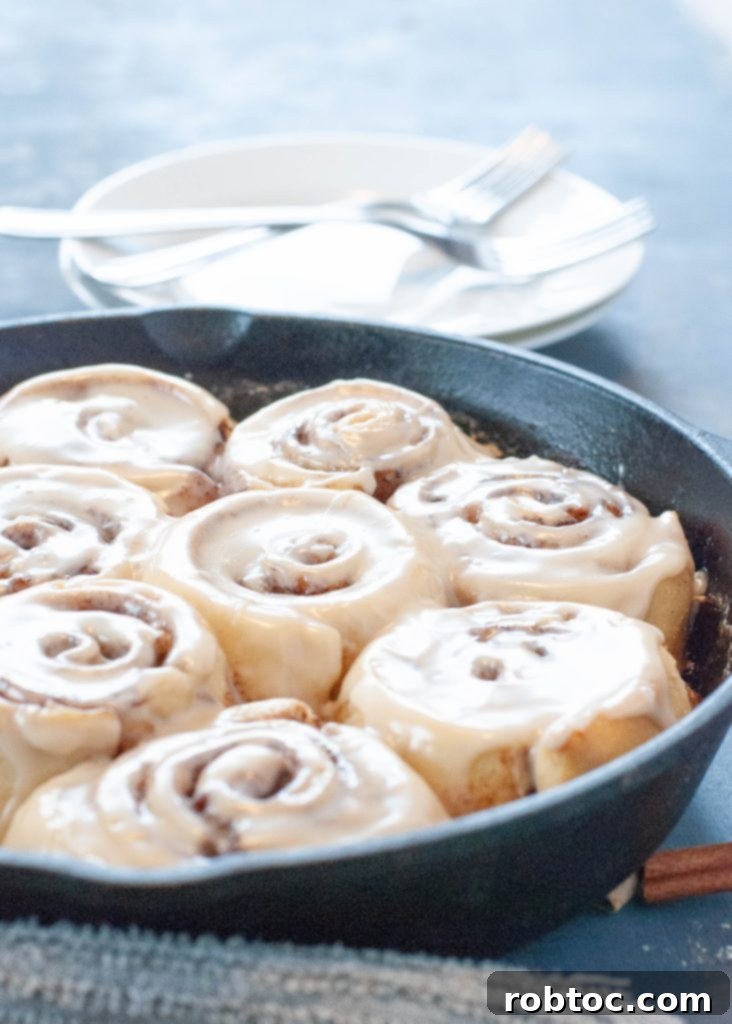
- 10-inch Cast Iron or Ceramic Skillet: The ideal size for baking this recipe, helping to create those perfectly soft and caramelized edges. While I prefer a round skillet for a cozier fit, you could likely use a 9×11 or even a 13×9 glass baking dish, though you might have some empty space.
- Optional: Measuring Tape or Measurable Pastry Mat: Great for ensuring your dough rectangle is consistently sized, which helps with uniform rolling and baking.
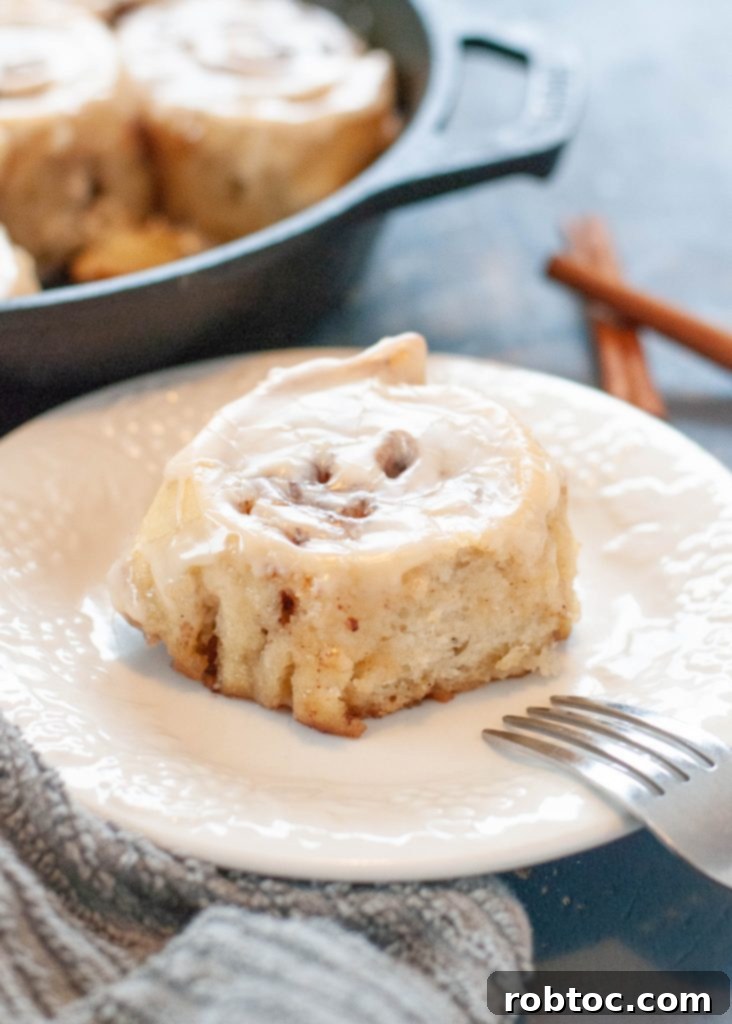
Ingredients Needed for Gluten-Free Cinnamon Rolls
Gathering all your ingredients before you begin is a great way to ensure a smooth baking process. Here’s what you’ll need for each component of these incredible cinnamon rolls:
- DOUGH:
- King Arthur Gluten Free Bread Flour: The star of our recipe for a tender crumb.
- Sugar: For sweetness and to activate the yeast.
- Instant Yeast: Essential for a good rise.
- Salt: Balances flavors and strengthens the dough.
- Baking Powder: Adds extra lift to the gluten-free dough.
- Warm Water: To activate the yeast.
- Warm Whole Milk: For richness and moisture.
- Egg, room temperature: For structure and binding.
- FILLING:
- Butter: Softened for a spreadable consistency.
- Light Brown Sugar: Provides that classic, deep caramel sweetness.
- Cinnamon: The quintessential spice for cinnamon rolls.
- Heavy Cream: A viral trick for an extra rich, caramelized bottom.
- Salt: To enhance the filling’s flavors.
- ICING:
- Powdered Sugar: For a smooth, sweet glaze.
- Milk: To achieve the desired icing consistency.
- Vanilla Extract: Adds a lovely aromatic depth to the icing.
- Salt: A tiny pinch brightens the sweetness.
Proofing and Rising: Patience is Key for Gluten-Free Dough
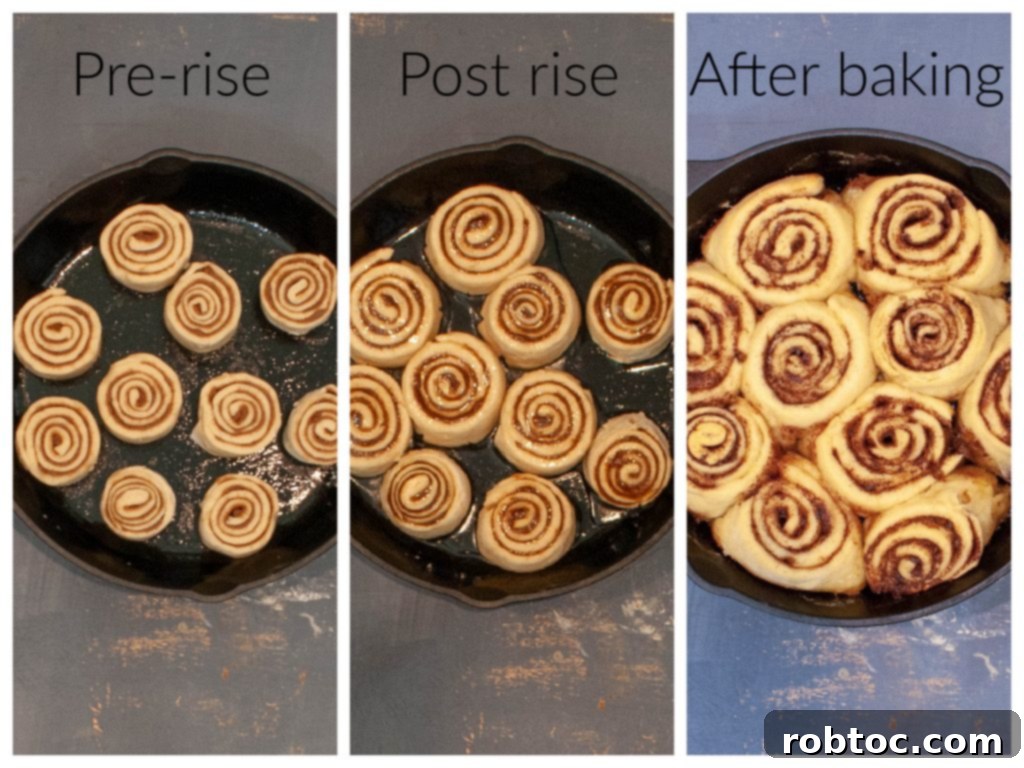
One common concern with gluten-free baking is that the dough doesn’t always “double in size” like its wheat-based counterparts during proofing. This is perfectly normal! While our gluten-free cinnamon rolls won’t achieve that dramatic doubling, they will definitely show a noticeable rise in height and expand slightly. If you’re looking for ways to encourage a better rise, especially in cooler environments, here are my tried-and-true tips:
- Pre-Warm Your Oven: While I’m preparing the dough, I often hit the “warm” button on my oven for a few minutes. This slightly warms the oven cavity, creating a more conducive environment for rising, especially helpful during colder months. (Remember to turn it OFF before placing the rolls inside to rise!)
- Create a Humid Environment: Place a large, oven-safe pot or bowl filled with steaming hot water in the oven alongside your covered rolls. This creates a humid atmosphere, which is vital for preventing the dough from drying out and encourages a better rise.
- Utilize the Oven Light: Even the smallest amount of heat can make a difference. Leaving your oven light on during proofing can provide just enough gentle warmth to aid the rising process.
- Practice Patience: Gluten-free dough often takes a bit longer to rise. I typically allow mine to proof anywhere from 1 hour to 1 hour and a half. Don’t rush it; let the yeast do its work.
- Manage Expectations: Remember, even if your rolls don’t visually double in volume like regular wheat dough, they will still bake up wonderfully. They continue to rise and expand in the oven, filling out completely as they bake, resulting in a cohesive, tender treat.
Icing Your Rolls: Glaze or Cream Cheese?
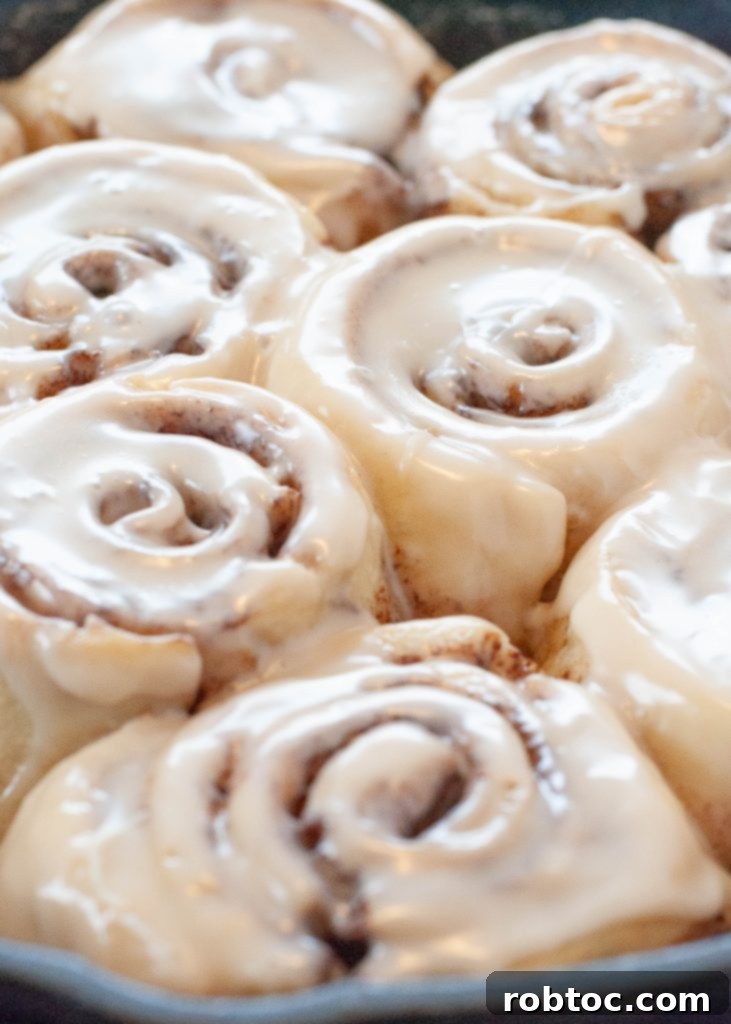
When it comes to topping your warm, fragrant cinnamon rolls, you have a couple of delicious options: a classic simple sugar glaze or a rich cream cheese frosting. The recipe card provides instructions for a delightful simple glaze, which is what I opted for in the photos, offering a delicate sweetness that melts beautifully into the rolls. However, feel free to use whichever you prefer! If you’re craving a luscious vegan cream cheese frosting, you can find an excellent recipe in my allergy-friendly carrot sheet cake post – it’s incredibly good and perfect for these rolls.
Make-Ahead Options for Convenience
While I’m usually eager to enjoy warm cinnamon rolls immediately, I understand that planning ahead can be a lifesaver. These tried-and-true methods allow you to prepare your gluten-free cinnamon rolls in advance:
- Option 1: Prepare Dough Only. Make the dough according to the recipe, then transfer it to a bowl, cover it tightly with plastic wrap, and refrigerate overnight. The next day, let the dough come to room temperature for about 30 minutes, then roll it out, fill, shape, pour the heavy cream, and bake as directed.
- Option 2: Shape and Refrigerate. Prepare the dough, roll it out, add the filling, shape the rolls, and place them in your greased skillet. Cover the skillet tightly with plastic wrap and refrigerate overnight. On baking day, remove the skillet from the fridge and let the rolls come to room temperature for at least an hour. If they haven’t risen sufficiently, you can proof them in a warm oven (following the tips above) for a bit until they look appropriately puffed. Then, pour the heavy cream, bake, and frost.
The Viral Heavy Cream Trick: For Irresistible Caramelized Bottoms
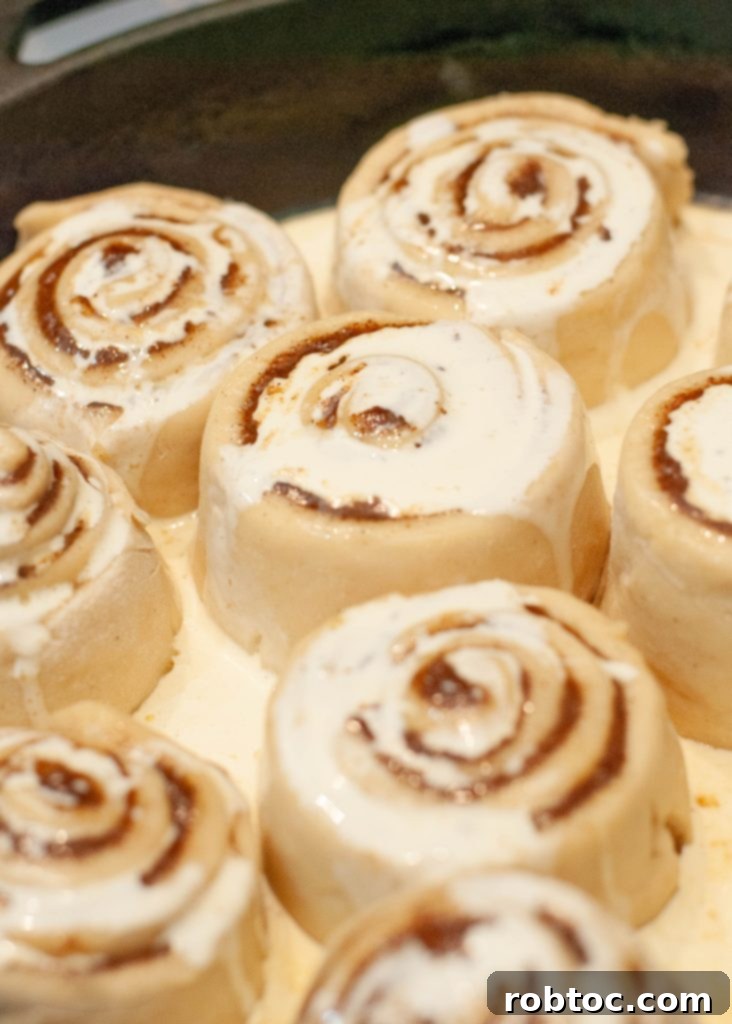
If you’ve spent any time on TikTok or Instagram, you’ve likely encountered the trending technique of pouring heavy whipping cream over cinnamon rolls before baking. This isn’t just a fad; it’s a game-changer! The cream creates a magically sticky, wonderfully rich, and caramelized base that is absolutely divine – think scraping-the-pan-for-every-last-bit delicious! Here are a few key pointers for maximizing this trick:
- Room Temperature Cream is Best: Avoid using cold cream straight from the fridge. Cold liquid can shock the dough and retard its final rise. Always allow your heavy cream to come to room temperature alongside your other ingredients before pouring it over the rolls.
- Cover During Initial Bake: To truly trap the moisture and achieve that signature sticky, moist texture, loosely cover your cinnamon rolls with aluminum foil for at least half, or even three-quarters, of the baking time. This prevents the cream from evaporating too quickly and allows it to penetrate the rolls more effectively.
- Adjust for Climate: I live in a very dry climate, which makes this covering step even more critical. If you live in a more humid location, you might find you need to adjust the duration of covering slightly, but it’s still highly recommended for that perfect caramelization.
- Dairy-Free Alternative: For those needing a dairy-free option, I’ve had fantastic success using Country Crock Plant Cream in the same amount. It performs beautifully, delivering that rich, gooey bottom without the dairy.
Top Tips for Flawless Gluten-Free Cinnamon Rolls
Mastering gluten-free cinnamon rolls involves a few key details. By paying attention to these tips, you’ll ensure a successful and delicious outcome every time:
- Accurate Flour Measurement: Always spoon your flour into the measuring cup and then level it off. Scooping directly from the bag can compact the flour, leading to too much flour in your recipe. Excess flour results in dry, tough cinnamon rolls.
- Consistent Roll Size: When cutting and rolling your dough, aim for consistent height and width for each cinnamon roll. Uniform sizes ensure even baking. I typically aim for strips that are 1 ¼ to 1 ½ inches wide. While you don’t have to be perfectly precise, strive for as symmetrical rolls as possible. You can see me measure in the video for perfect rectangle.
- Warm Heavy Cream Application: Pour room temperature or slightly warmed heavy cream over the cinnamon rolls just before baking. This helps create that irresistible golden, caramel deliciousness on the bottom without shocking the dough.
- Perfect Filling Consistency: When preparing the filling, ensure the butter is soft, but not completely melted. It should be pliable enough to form a smooth paste with the brown sugar and cinnamon. If the butter is too melted, it tends to seep out of the rolls during the rising process, making them messy.
- Oven Humidity for Proofing and Baking: As mentioned, place an oven-safe pot of steaming hot water in the oven during both proofing and baking. This humid environment helps prevent the gluten-free dough from drying out and becoming too tight, allowing for a better rise and a more tender final product.
- Cover for Moisture Retention: Bake your cinnamon rolls loosely covered with aluminum foil for the first 3/4 of the baking time. This critical step traps moisture, ensuring the rolls remain tender and don’t dry out.
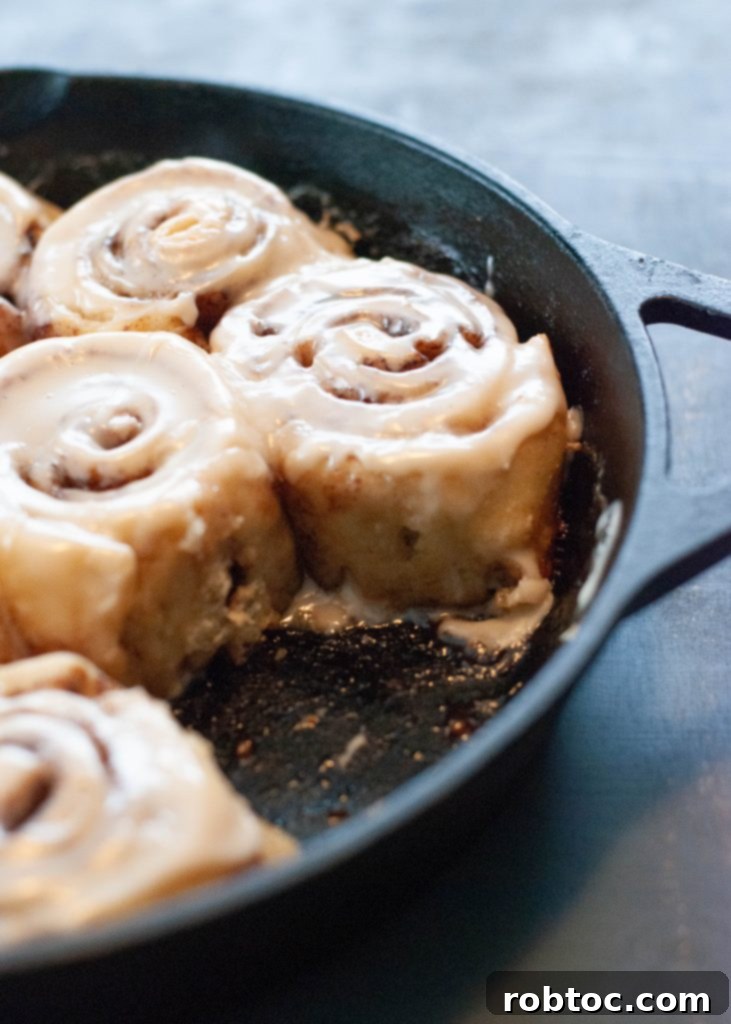
- Frost Generously While Warm: Apply your chosen icing or glaze while the cinnamon rolls are still warm. The warmth helps the frosting melt slightly and nestle down into all the nooks and crannies, ensuring every bite is perfectly sweet and moist.
- Enjoy Fresh: For the absolute best results, enjoy these cinnamon rolls the day they are baked. I dare you to have any leftovers past 24 hours – they’re usually gone before then!
Storage and Reheating Best Practices
While these gluten-free cinnamon rolls are undoubtedly best enjoyed fresh, you might find yourself with a few leftovers (though it’s rare!). Here’s how to store and refresh them:
- Room Temperature Storage: Keep leftover cinnamon rolls tightly covered with cling film or saran wrap at room temperature for 1-2 days. This helps maintain their moisture.
- Reheating: To bring them back to life and refresh their tender texture, microwave a roll for just a few seconds (10-20 seconds usually does the trick). This gently warms the roll and softens the dough, making it feel almost freshly baked again.
- Freezing (Optional): For longer storage, you can freeze unfrosted cinnamon rolls. Once baked and cooled, wrap individual rolls tightly in plastic wrap, then place them in an airtight freezer bag for up to 1 month. Thaw at room temperature, then warm gently in the microwave or a low oven before frosting.
When Are Cinnamon Rolls Good? Serving Suggestions and Occasions
For me, cinnamon rolls are synonymous with celebrations, cozy mornings, and sweet indulgences. They are the perfect treat for:
- Holiday Brunches: Think Easter, Christmas, or any special family gathering.
- Weekend Mornings: Elevate a lazy Sunday with these warm, comforting delights.
- Special Occasions: Birthdays, anniversaries, or simply when you want to make someone feel extra special.
- Anytime Snack: Don’t limit them to breakfast; a warm cinnamon roll is a fantastic pick-me-up any time of day!
Because these cinnamon rolls are wonderfully sweet, I often like to pair them with something savory and protein-rich to create a balanced meal. Consider serving them alongside:
- Crispy Bacon
- Hearty Breakfast Sausage
- A delicious Quiche
- A fresh, vibrant Fruit Bowl
- Creamy Yogurt
Looking for more ideas? I also have a comprehensive list of 150+ allergy-friendly breakfast ideas that can complement your cinnamon rolls beautifully.
Recipe Video Tutorial
To guide you through every step of making these incredible gluten-free cinnamon rolls, I’ve created a detailed video tutorial! Watching the process can be incredibly helpful, especially for visual learners. Please note my apologies: I inadvertently forgot to film the step where I pour the cream over the rolls – human error happens! However, the rest of the video should provide clear instructions and visuals to assist you. The video should auto-populate here; if not, you’ll find it embedded at the bottom of the recipe card. And if all else fails, you can always view the full tutorial directly on my YouTube Channel.
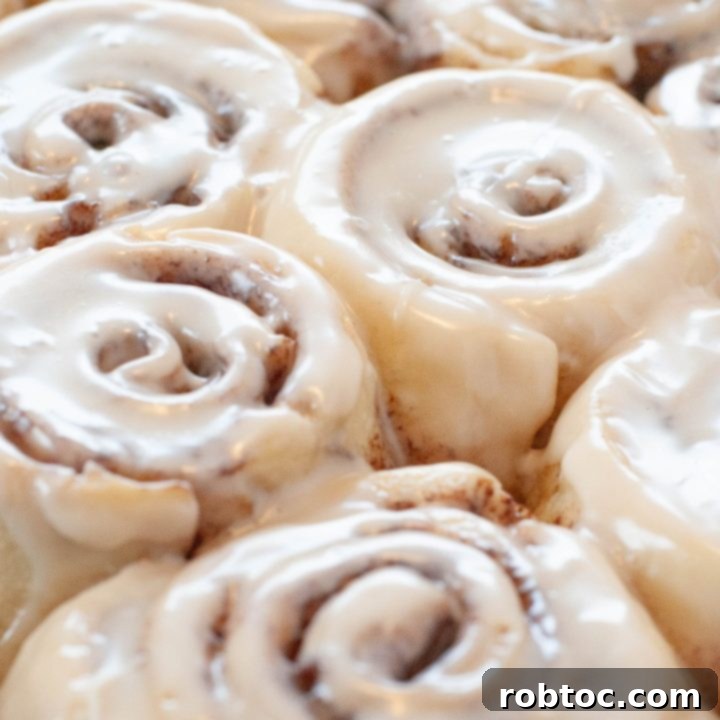
Gluten Free Cinnamon Rolls + VIDEO
10
30 minutes
35 minutes
1 hour 15 minutes
2 hours 20 minutes
Soft cinnamon rolls with a rich brown sugar filling & sweet icing make the most delicious breakfast, brunch or even snack! (DF option too!)
Ingredients
DOUGH:
- 2 and 1/2 cups King Arthur Gluten Free Bread Flour, plus more for rolling dough
- 1/4 cup sugar
- 2 tsp instant yeast
- 1 tsp salt
- 1 tsp baking powder
- 1/4 cup warm water
- 1/2 cup warm whole milk
- 1 egg, room temperature
- 3 TBSP softened, unsalted butter
FILLING:
- 1/2 cup light brown sugar
- 1 TBSP ground cinnamon
- 5 TBSP butter, softened, not melted
- pinch of salt
ADDITIONAL:
- ½ TBSP unsalted butter, softened, for buttering skillet
- 1/3 cup heavy cream, warm
ICING:
- 2 cups powdered sugar
- 1/4 -1/3 cup milk
- 2 teaspoons vanilla extract
- pinch of salt
Instructions
- Get out your cream, butter and egg first so they can start coming to room temperature while you gather your tools and ingredients.
- Grease your skillet.
- In a kitchen aid stand mixer, with the dough hook attachment on, pour the dry ingredients: flour, sugar, yeast, salt and baking powder and stir.
- Add the wet ingredients: water, milk (making sure they’re warm so they don’t inhibit the yeast growth), egg and softened butter. (I nuke my milk in the microwave for a few seconds. And you can set your egg in some hot water for a few minutes if it still feels cold by the time you need to use it.)
- Stir by turning on your kitchenaid mixer for 2.5 minutes. Stop, and scrape down the sides and the bottom, making sure everything is incorporating. Turn it back on and stir for another 2.5 minutes (5 minutes total).
- While you start working with the dough, I like to turn my oven on to “warm” to get it ready for proofing.
- Turn the dough out onto a clean, floured surface. Sprinkle additional flour on top of the dough and on your rolling pin. Roll the dough out to approximately 11×15 inches rectangle.
- In a small mixing bowl, combine your filling ingredients and stir until it’s totally incorporated.
- Spread the filling mixture until it’s almost touching the edges, evenly.
- Measure 1 and 1/4 inch strips and individually roll up each cinnamon roll (see the video for this). If you don’t want to measure, do your best to eyeball it. I’ve done anywhere from 7-10 cinnamon rolls out of this dough, depending on the size and thickness of strips you want. You’ll just have to watch the bake time if you vary in size and thickness.
- Set the rolled up strips in the greased skillet. Cover with saran wrap.
- Turn off your oven from “warm”, and turn the light on. Take 4 cups of steaming hot water (I put mine in an oven safe pot) and set it in the oven, along with the covered cinnamon rolls. This will help make it more humid for rising.
- Allow to rise 1 hour to 1 hour and 15 minutes. They will not double, but should look taller and thicker (see photos above).
- Take the cinnamon rolls out of the oven and preheat it to 350.
- While it’s preheating, pour your room temperature cream on top of each individual cinnamon roll.
- Cover with aluminum foil.
- Place in your preheated oven and bake for 25 minutes.
- After 25 minutes, take the aluminum foil off and bake another 8-10 minutes. You don’t’ want to overbake them so that they’re tough. I touch them with my finger and if they feel done I take them out.
- While they sit on the counter, make your icing by stirring all of the ingredients together. Icing is forgiving, so if it’s too thick, add more milk. If it’s too thin, add more powdered sugar to your liking. Ice/frost right away. If you ice while they’re warm, the icing will nestle into all the nooks and crannies.
- Best enjoyed warm and the first day. Can keep room temperature, covered for another day. To freshen them up, you can microwave them for just a few seconds.
- *If you need make ahead directions, those are written above the post.
Notes
*If you need these to be WHEAT free, swap in King Arthur’s Measure for Measure gluten free flour. It won’t be the same texture, but as close as it can get.
For dairy free options, see above the recipe card.
Be sure to read the FAQs above and watch the video .
*Our allergies, while severe and that get re-tested frequently, are such that we can go strictly by what’s on the label. I do not call companies to see what things are derived from, or call manufacturers to see about potential cross contact. If your allergies require you to do so, please do your own homework. I cannot assure you of any ingredient’s safety, only you can do that. I simply share what works for our family.
**If you are going to feed this to someone with food allergies, and you yourself do not have food allergies, I HIGHLY recommend having them check every single brand and ingredient you are using, to ensure they’re OK with each part of the recipe. And, to make sure you’ve talked to them about how to avoid cross contamination in your kitchen.
Inspired by Meaningful Eats, The Loopy Whisk, Life After Wheat, and This Vivacious Life
Nutrition Information:
Yield: 10
Serving Size: 1
Amount Per Serving:
Calories: 279Total Fat: 14gSaturated Fat: 8gTrans Fat: 0gUnsaturated Fat: 4gCholesterol: 55mgSodium: 383mgCarbohydrates: 39gFiber: 1gSugar: 37gProtein: 2g
DON’T FORGET TO PIN IT, SO YOU DON’T LOSE IT! BE SURE WHILE YOU’RE THERE TO CHECK OUT MY OTHER GLUTEN-FREE PINS.