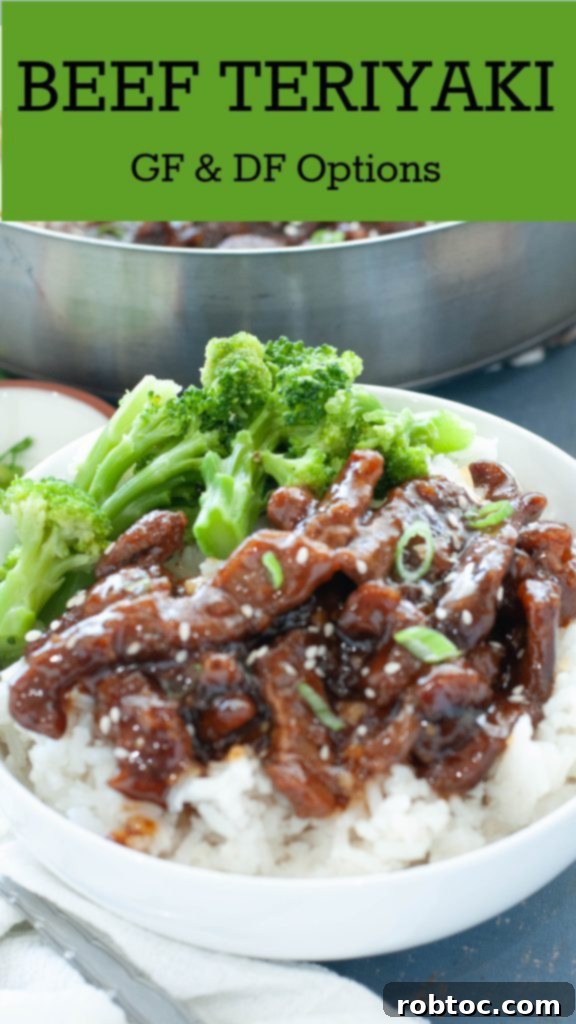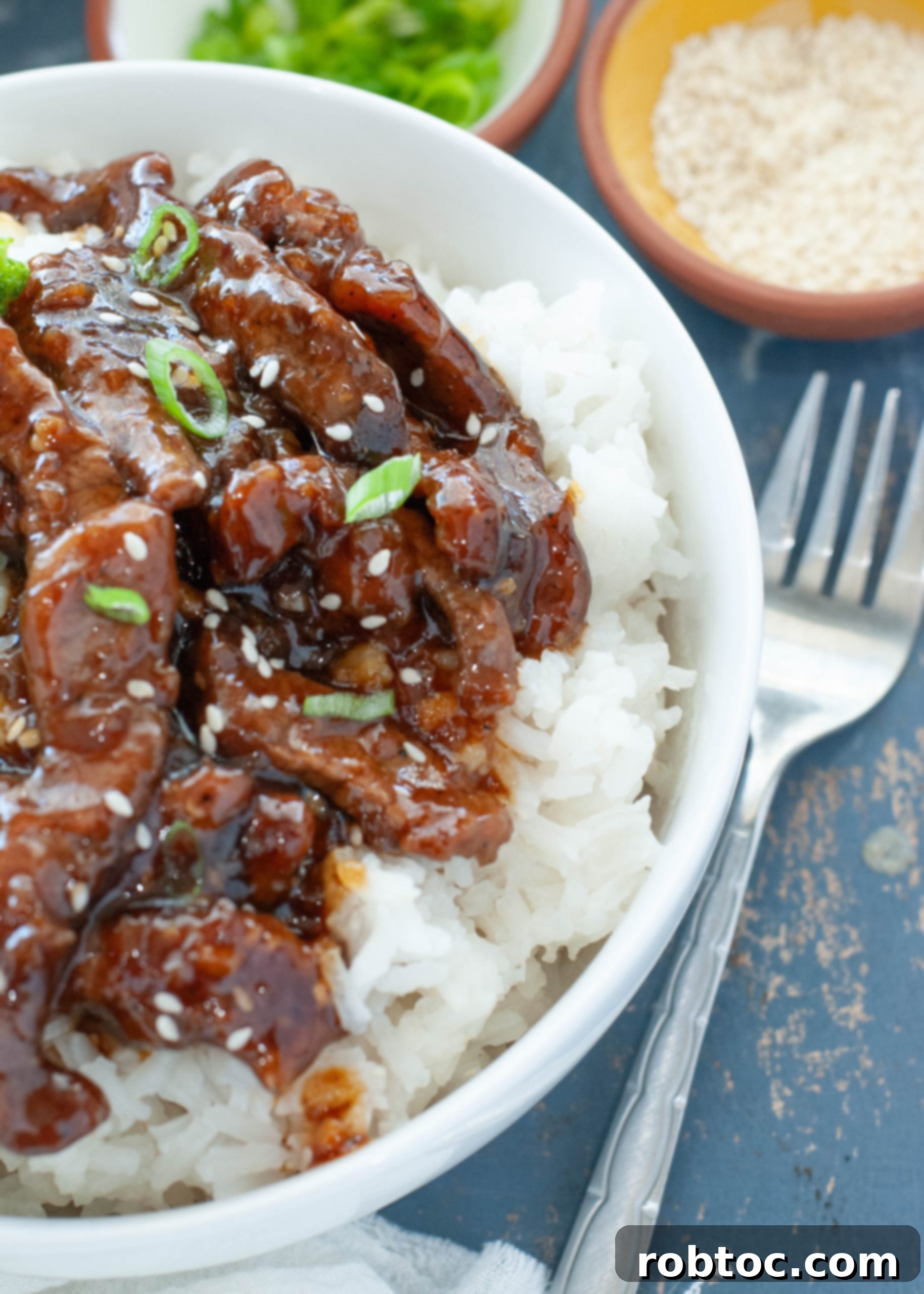
Homemade Beef Teriyaki: Your Easy, Allergy-Friendly Takeout Alternative
Discover the secret to making incredibly flavorful beef teriyaki at home with simple ingredients. This recipe delivers a BIG taste that rivals your favorite Chinese or Japanese takeout, all while being incredibly easy to prepare. Say goodbye to concerns about cross-contamination and tipping, and hello to a delicious, restaurant-worthy meal made in the comfort of your own kitchen. Once you experience how straightforward it is to create this dish, you’ll likely find yourself skipping the takeout menu altogether. What’s even better? This recipe is designed to be naturally dairy-free, egg-free, fish-free, shellfish-free, peanut-free, and tree nut-free, with readily available options for making it gluten-free, soy-free, and sesame-free. In short, it’s exceptionally allergy-friendly, ensuring everyone at your table can enjoy a fantastic meal without worry.
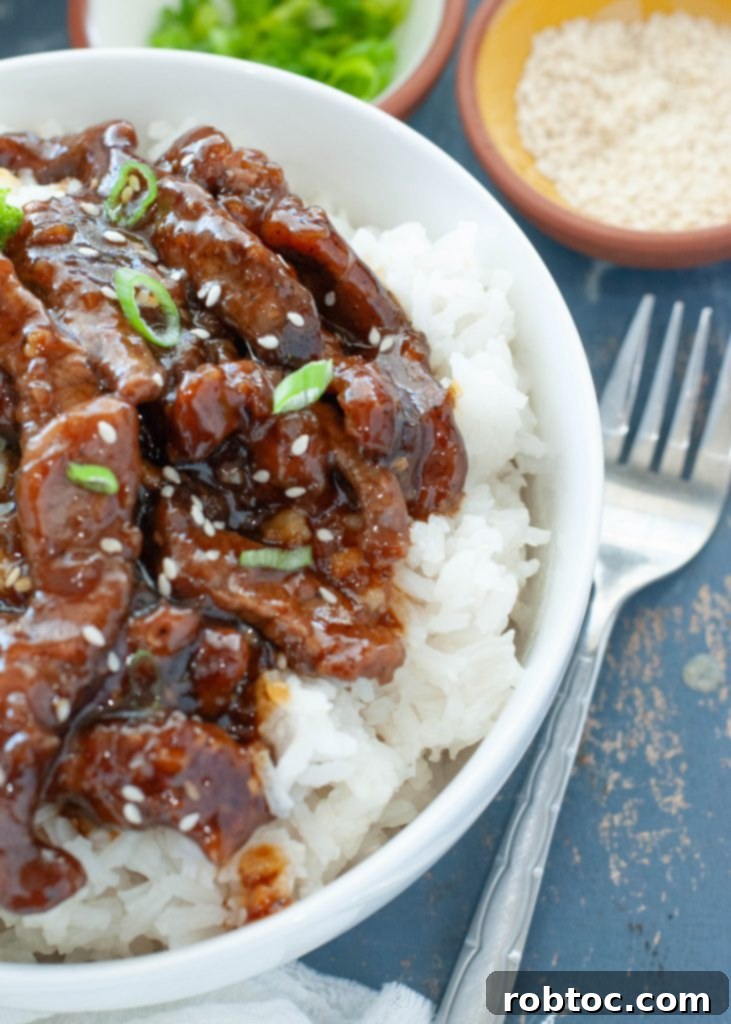
This post contains affiliate links.
Why This Homemade Beef Teriyaki Recipe Is a Game-Changer
Many teriyaki dishes, especially those from restaurants or pre-made sauces, tend to be overloaded with sugar. This often results in a flavor profile that tastes more like candied meat than a balanced, savory entrée. Our beef teriyaki recipe is meticulously crafted to strike a perfect harmony between sweetness and rich, aromatic savory notes. We achieve this with key ingredients like fresh ginger, fragrant garlic, and a hint of toasted sesame, which collectively elevate the dish far beyond typical sugary versions. While many recipes opt for a generic neutral oil, we specifically use sesame oil for sautéing the sauce ingredients. This choice is deliberate, as it infuses the dish with an authentic, deep, nutty flavor that truly distinguishes it and enhances its overall complexity.
Beyond its superior taste, this recipe is remarkably easy to follow, yet the finished product looks and tastes like something you’d order from a high-end Asian restaurant. Imagine serving this to your guests – they’ll be convinced you spent hours slaving away in the kitchen or picked it up from the best local spot! The simplicity of the preparation, combined with its impressive presentation and flavor, means you can enjoy gourmet-quality food without the hassle. This dish isn’t just a meal; it’s an experience that proves delicious, authentic Asian cuisine is well within your reach to create at home.
For individuals managing food allergies or intolerances, this beef teriyaki recipe offers unparalleled peace of mind. Asian restaurants, while delicious, frequently use common allergens like cashews, peanuts, and other nuts in a wide array of their dishes, often leading to concerns about cross-contamination. By preparing this dish at home, you maintain complete control over the ingredients, ensuring it aligns perfectly with your dietary needs. Our recipe is naturally free of major allergens such as dairy, egg, fish, shellfish, peanuts, and tree nuts. The only potential allergens present are soy and sesame, both of which have simple and effective substitutions available. This makes our homemade beef teriyaki an incredibly accessible and safe option, allowing you, your family, or your guests to savor a beloved meal item without any dietary stress.
Choosing the Right Soy Sauce for Your Teriyaki
When crafting this delicious beef teriyaki, we prioritize making it accessible for everyone, which includes a focus on gluten-free options. The primary ingredient in traditional teriyaki sauce that contains gluten is standard soy sauce. To address this, we consistently use high-quality gluten-free alternatives such as Kikkoman Gluten-Free Soy Sauce or San-J Tamari Soy Sauce. Both brands deliver an authentic flavor profile, and we find them to be interchangeable in this recipe. Many people worry that switching to a gluten-free soy sauce might alter the taste, but in our experience, it’s virtually impossible to distinguish it from wheat-containing soy sauce. They truly taste identical, so you can confidently make the swap without compromising on flavor.
For those with a soy allergy or intolerance, an excellent and equally delicious alternative is coconut aminos. This savory liquid seasoning offers a similar umami depth to soy sauce but is completely soy-free and naturally gluten-free. It’s a fantastic option for ensuring this dish can be enjoyed by even more individuals with specific dietary needs.
If gluten isn’t a concern for you, feel free to use your preferred brand of traditional soy sauce. The versatility of this recipe ensures that, regardless of your dietary requirements, you can achieve a wonderfully flavorful teriyaki every time. Always remember to check labels to ensure ingredients meet your specific needs, especially when dealing with severe allergies.
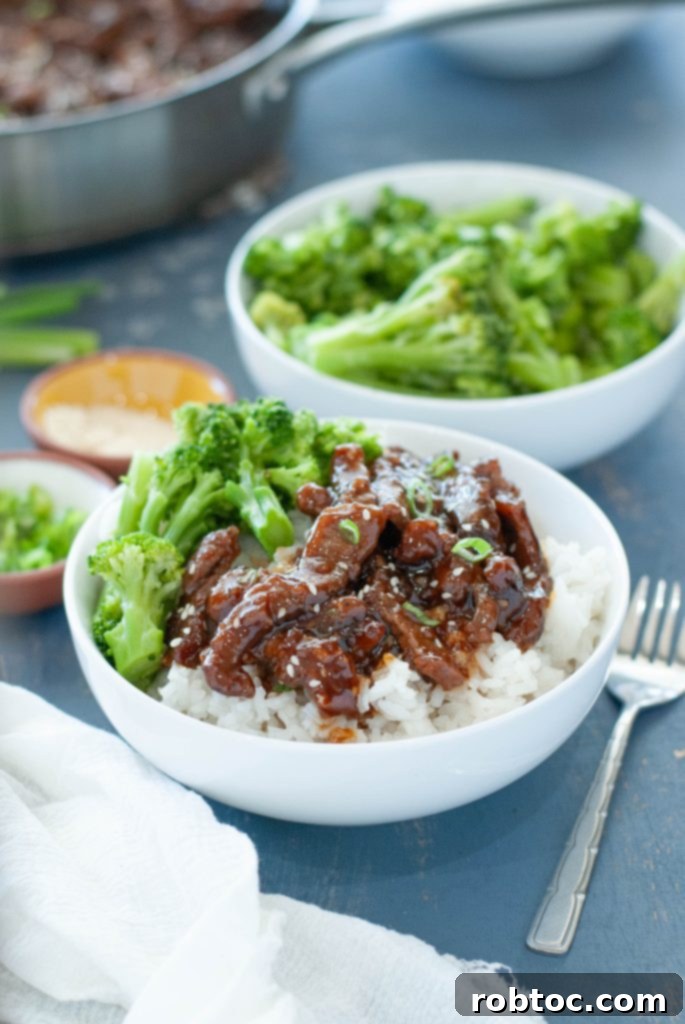
Navigating Sesame Allergies: Easy Swaps for Sesame-Free Teriyaki
With sesame now recognized as the 9th major food allergen, it’s crucial to offer adaptable options for those who need to avoid it. In this beef teriyaki recipe, sesame appears in two forms: toasted sesame oil, which adds a distinct nutty flavor to the sauce, and sesame seeds, often used as an optional garnish. The good news is that making this dish sesame-free is incredibly simple without sacrificing its deliciousness.
While toasted sesame oil contributes a unique depth, it is not an absolute make-or-break ingredient for the overall success of the recipe. If you need to avoid sesame, you can easily substitute it with another neutral-flavored oil. Excellent choices include avocado oil, grapeseed oil, or canola oil. These alternatives will still perform the essential function of cooking the garlic and ginger without adding an unwanted flavor profile, allowing the other savory and sweet notes of the teriyaki sauce to shine through.
As for sesame seeds, their primary role is visual appeal and a slight textural crunch. They contribute minimal flavor to the dish itself. Therefore, simply omitting them as a garnish will not diminish the fantastic taste of your beef teriyaki. The rich, savory beef and aromatic sauce are so wonderfully flavorful on their own that you won’t miss the sesame seeds at all. This simple adjustment ensures that our beef teriyaki remains a delightful and safe meal for everyone, regardless of sesame allergies.
The Role of Cornstarch: Why It’s Essential and Alternatives
Cornstarch plays a crucial dual role in this beef teriyaki recipe, contributing significantly to both the texture of the beef and the consistency of the sauce. Understanding its purpose can help you appreciate its importance and explore potential alternatives if needed.
First, cornstarch is used to lightly coat the beef strips before cooking. This technique serves several important functions. The thin layer of cornstarch helps to create a delicate crust on the meat as it sears, locking in moisture and ensuring the beef remains incredibly tender and juicy. It also contributes to a slightly crispy exterior, enhancing the overall textural experience of the dish. It’s important to shake off any excess cornstarch before adding the beef to the pan to prevent clumping and ensure even cooking.
Secondly, cornstarch is a key thickening agent for the teriyaki sauce. When heated, the cornstarch forms a slurry-like mixture with the other sauce ingredients, transforming a watery liquid into a glossy, rich, and perfectly coating sauce. This thick consistency allows the sauce to cling beautifully to the beef, ensuring every bite is infused with its savory and sweet flavors. Unlike traditional methods where cornstarch slurry is added at the end, our method incorporates it directly into the sauce mixture from the start, simplifying the process without compromising on the desired thick texture.
While cornstarch is our preferred thickener due to its reliability and common availability, we understand that some individuals may have corn allergies or prefer other starches. Although we haven’t personally tested alternative starches in this specific recipe, tapioca starch is a common substitute in similar applications and would likely work effectively. If you decide to experiment with tapioca or another starch, we encourage you to share your results in the comments section below. Your feedback can be invaluable to other readers facing similar dietary considerations, helping our community adapt and enjoy this recipe even more broadly.
Choosing and Cutting the Best Beef for Teriyaki
The success of a great beef teriyaki often hinges on the cut of beef used and how it’s prepared. Traditionally, flank steak or skirt steak are the cuts of choice for this recipe, prized for their rich flavor and ability to become wonderfully tender when sliced correctly. These cuts absorb marinades well and cook quickly, making them ideal for stir-fries and similar dishes.
However, don’t let the specific cut limit you. If flank or skirt steak aren’t available, or if they’re outside your budget, a thin sirloin steak can be an excellent substitute. The key is to select the thinnest steak you can find, as thinness greatly aids in both quick cooking and tenderness. What truly makes the difference, more than the exact cut, is how you slice the meat: it must be cut against the grain. To do this, identify the long, visible muscle fibers or fat lines running through the meat. You want to position your knife to cut perpendicularly to these lines. Lay the steak so the grain runs horizontally, then cut downwards (vertically) into thin strips. This technique shortens the muscle fibers, resulting in a much more tender chew, preventing the beef from becoming tough or rubbery. Aim for very thin strips, as this also contributes to tenderness and dramatically reduces cooking time.
For those looking for an even simpler or more budget-friendly approach, ground beef (or ground hamburger) can be used as an alternative. While the texture will differ from sliced steak, it still allows you to enjoy the delicious teriyaki flavors. Recipe Tin Eats, for example, advocates for using ground beef for its ease and convenience. If you opt for ground beef, ensure it’s cooked thoroughly and crumbled finely, then incorporate it into the sauce as directed for the sliced beef. Ultimately, the choice is yours – adapt the recipe to suit your preferences and what works best for your kitchen!
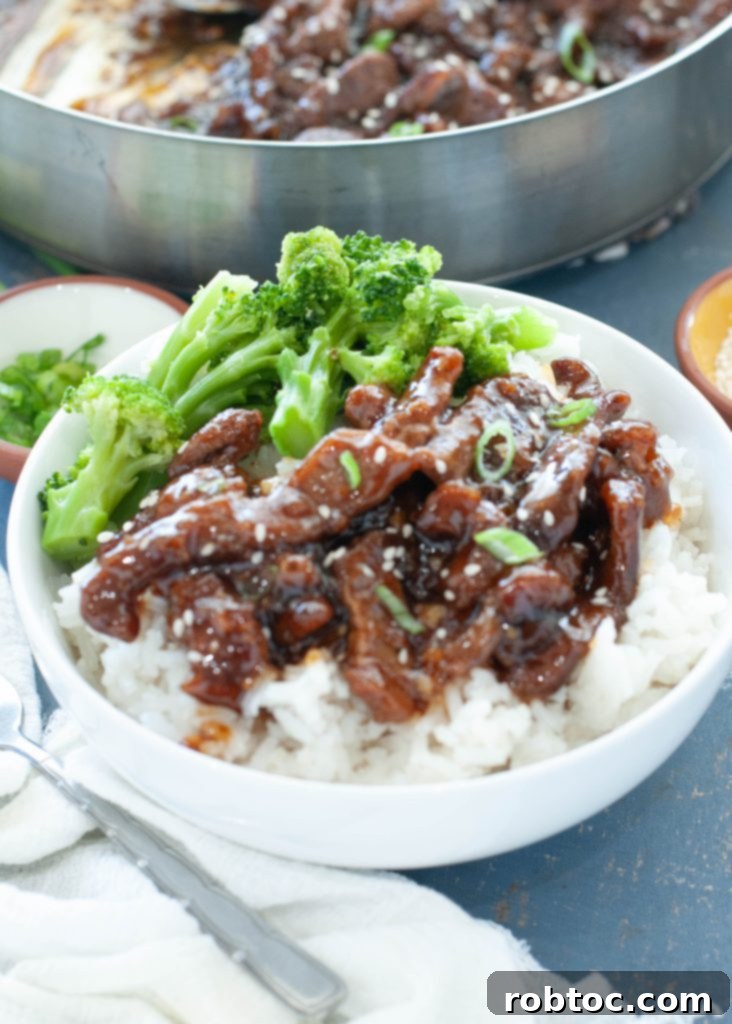
The Great Ginger Debate: Fresh vs. Paste
Ginger is an indispensable ingredient in teriyaki, lending its distinctive pungent and warming notes to the sauce. While fresh ginger is often heralded as superior, I’ve found that it comes with its own set of challenges. Peeling fresh ginger can be tedious, and its fibrous texture often makes it difficult to chop finely enough. The result can sometimes be potent, stringy chunks of ginger that overpower a bite rather than blending harmoniously into the dish.
This is precisely why I wholeheartedly recommend ginger paste, a culinary discovery that has transformed my approach to Asian cooking. Found readily in the produce section of most grocery stores, ginger paste offers all the vibrant, zesty punch of fresh ginger without any of the hassle. It’s pre-processed into a smooth, silky consistency, ensuring uniform flavor distribution throughout your sauce. There are no fibrous bits to contend with, and it dissolves seamlessly, delivering a consistent and powerful ginger essence in every mouthful.
Beyond its convenience, ginger paste boasts a longer shelf life compared to fresh ginger, making it a more economical and practical choice for home cooks. You can keep a jar on hand and use it whenever a recipe calls for ginger, ensuring you always have this key aromatic ingredient ready. It’s not just for teriyaki, either; I often use it in other ginger-forward dishes like my Dairy-Free Crock Pot Chicken Tikka Masala, where its consistent flavor is equally beneficial. Embrace ginger paste for an effortless way to infuse your dishes with authentic and bold ginger flavor.
Essential Ingredients for Your Easy Beef Teriyaki
Crafting this savory and sweet beef teriyaki requires a thoughtful selection of ingredients, ensuring both authentic flavor and allergy-friendly adaptability. Here’s a breakdown of what you’ll need:
For the Teriyaki Sauce:
- 1/2 cup soy sauce (gluten-free or coconut aminos if needed for soy-free)
- 1/3 cup brown sugar (for that perfect balance of sweetness)
- 1/4 cup water (to create the ideal sauce consistency)
- 1 TBSP cornstarch (our secret weapon for a thick, glossy sauce)
- 1/2 tsp pepper (a touch of warmth and spice)
For the Beef:
- 1 pound flank or skirt steak, expertly cut across the grain into thin strips (the key to tender beef)
- 1/4 cup cornstarch (to coat the beef, locking in moisture and aiding browning)
- 2-3 TBSP neutral oil of choice (such as avocado, grapeseed, or canola, for searing the beef)
Additional Flavor Boosters:
- 1 TBSP toasted sesame seed oil (for authentic aroma and flavor; omit or swap if sesame-free)
- 4 garlic cloves, minced, or 2 tsp jarred, minced garlic (the backbone of savory depth)
- 1/2 TBSP ginger paste (for vibrant, fuss-free ginger flavor)
Optional Additions for a Complete Meal:
- 12 oz frozen bag of broccoli florets, steamed (adds vibrant color and healthy greens)
- Rice for serving (white, brown, or cauliflower rice for a low-carb option)
- Sesame seeds for garnish (for visual appeal and a slight crunch, if desired and not allergic)
- Sliced green onions for garnish (adds freshness and a mild oniony bite)
Having these ingredients ready will ensure a smooth and enjoyable cooking process, leading to a truly remarkable homemade beef teriyaki meal.
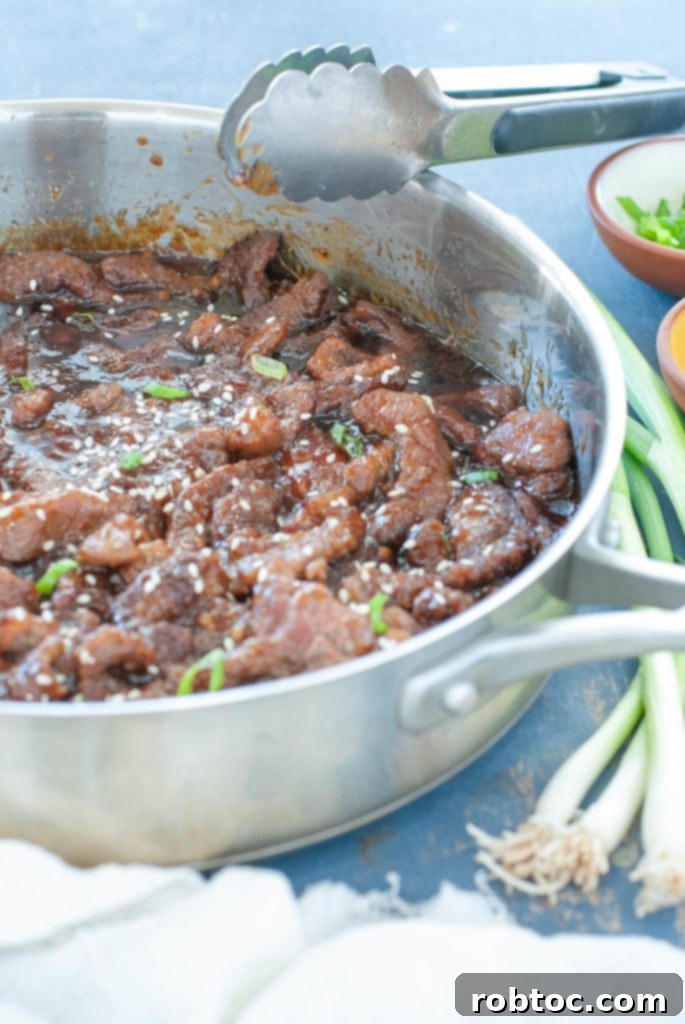
The Two Oils Strategy: Maximizing Flavor and Efficiency
You might notice that this recipe calls for two different types of oil, and this is a deliberate choice designed to maximize both flavor and cooking efficiency. Each oil serves a distinct purpose, contributing to the overall success of the dish.
First, we use a basic, neutral oil for cooking the beef strips. For this step, I typically opt for an economical, large-bottle oil such as avocado, grapeseed, or canola oil. The primary goal here is to sear the beef quickly and evenly, achieving a beautiful brown crust without the meat sticking to the pan. Using a neutral oil at this stage ensures that the beef cooks perfectly without imparting any overpowering flavors that might clash with the delicate teriyaki sauce. It’s a practical choice that saves your more specialty oils for where they can truly shine.
The second oil, toasted sesame oil, is reserved specifically for preparing the sauce. To me, sesame oil is more of a specialty or finishing oil, packed with a distinctive, nutty aroma and flavor. Adding it when sautéing the garlic and ginger at the beginning of the sauce-making process allows these aromatics to bloom beautifully, infusing the entire sauce with their fragrant essence. The sesame oil not only prevents the garlic and ginger from sticking but also adds that crucial layer of authentic Asian flavor that elevates the teriyaki from good to exceptional. By using a neutral oil for searing and a flavorful oil for the aromatics, we ensure both the beef and the sauce achieve their optimal taste and texture. Feel free to use your preferred brand of both neutral and sesame oils.
Essential Tools for Crafting Your Beef Teriyaki
Having the right kitchen tools on hand makes the preparation of this beef teriyaki recipe a breeze. While you don’t need highly specialized equipment, these basic items will ensure a smooth and efficient cooking process:
- Measuring Cups and Spoons: Essential for precise ingredient measurements, guaranteeing consistent flavor every time.
- Plastic Zip-Top Bag: Perfect for coating the beef strips evenly with cornstarch, allowing for easy mixing and minimal mess.
- Cutting Board and Chef’s Knife: Necessary for safely and efficiently cutting the flank or skirt steak into thin strips and preparing any optional garnishes like green onions.
- Large Non-Stick Skillet or Wok: A crucial piece of equipment for searing the beef and simmering the sauce. A non-stick surface prevents sticking, while a wok (though not mandatory) can provide excellent heat distribution and a large surface area for stir-frying.
- Heat-Proof Spatula or Tongs: For stirring and flipping the beef as it cooks, and for combining the beef with the sauce. Tongs are particularly useful for handling individual strips of meat.
- Small Bowl and Whisk or Fork: For thoroughly whisking together the teriyaki sauce ingredients, ensuring the cornstarch is fully dissolved and the sauce is smooth.
With these tools at your disposal, you’ll be well-equipped to create a delicious and restaurant-quality beef teriyaki in your own kitchen.
Visual Learner? Watch the Video Tutorial!
For those who prefer to see the cooking process in action, I’ve prepared a comprehensive video tutorial. It’s incredibly helpful to watch a recipe come to life from start to finish, observing techniques like how to cut the beef against the grain or how the sauce thickens. This visual guide ensures you can follow along with confidence and achieve the best possible results.
The video should automatically load and begin playing within the page. If for any reason it doesn’t appear or function as expected, you can easily find it embedded at the very bottom of the recipe card below. As a last resort, or if you simply prefer to browse, the full video is also available on my YouTube Channel. Don’t hesitate to check it out for extra tips and a clear demonstration of every step!

Easy Beef Teriyaki Recipe
4 servings
15 minutes
15 minutes
10 minutes
40 minutes
Easy beef teriyaki with simple ingredients but BIG flavor. One of your favorite Chinese take-outs made in the comfort of home. Once you see how easy it is to make, you’ll never want to order carry out again. Naturally dairy, egg, fish, shellfish, peanut and tree nut free, with easy sesame and soy switches too. In other words–very allergy friendly!
Ingredients
FOR THE TERIYAKI SAUCE:
- 1/2 cup soy sauce (gluten-free if needed)
- 1/3 cup brown sugar
- 1/4 cup water
- 1 TBSP cornstarch
- 1/2 tsp pepper
FOR THE BEEF:
- 1 pound flank or skirt steak, cut across the grain, into strips
- 1/4 cup cornstarch
- 2-3 TBSP neutral oil of choice
ADDITIONAL:
- 1 TBSP sesame oil
- 4 garlic cloves/2 tsp jarred, minced garlic
- 1/2 TBSP ginger paste
OPTIONAL:
- 12 oz frozen bag of broccoli florets, cooked
- Rice for serving
- Sesame seeds for garnish
- Green onions for garnish
Instructions
- Lay the steak with the grain (fat strips) running horizontally. Take your knife and cut vertically (called cutting across the grain). This will make your meat more tender. Cut the steak into thin strips.
- Place the thin strips into a large zip topped baggie along with the 1/4 cup cornstarch. Massage the bag to ensure the meat gets evenly coated. Place in the fridge for 10 minutes while you prep the rest of the meal.
- In a small bowl, whisk together the sauce ingredients: soy sauce, brown sugar, water, cornstarch and pepper. Set aside.
- In a large non-stick skillet (or wok) place your neutral oil and heat over medium high heat. Add your meat, being sure to shake off the excess cornstarch before adding it to the pan.
- Cook on each side until both sides are browned (it should only take a few minutes with the high heat, how thin it is and the fact that it’s fine if the middle isn’t completely done. You don’t want overdone beef, plus it will cook a little more when added to the hot sauce later on.)
- Place the meat on a plate and set aside.
- Wipe out the pan to remove any bits leftover and excess oil.
- Add in the sesame oil. Heat over medium heat.
- Add in your garlic and ginger and stir constantly for 1-2 minutes until they are fragrant, being careful not to burn.
- Pour in your bowl of teriyaki sauce. Allow the mixture to come to a boil, it will start to thicken (thanks to the cornstarch).
- Once it’s thickened to your liking (1-2 minutes) add in your beef. Stir to coat.
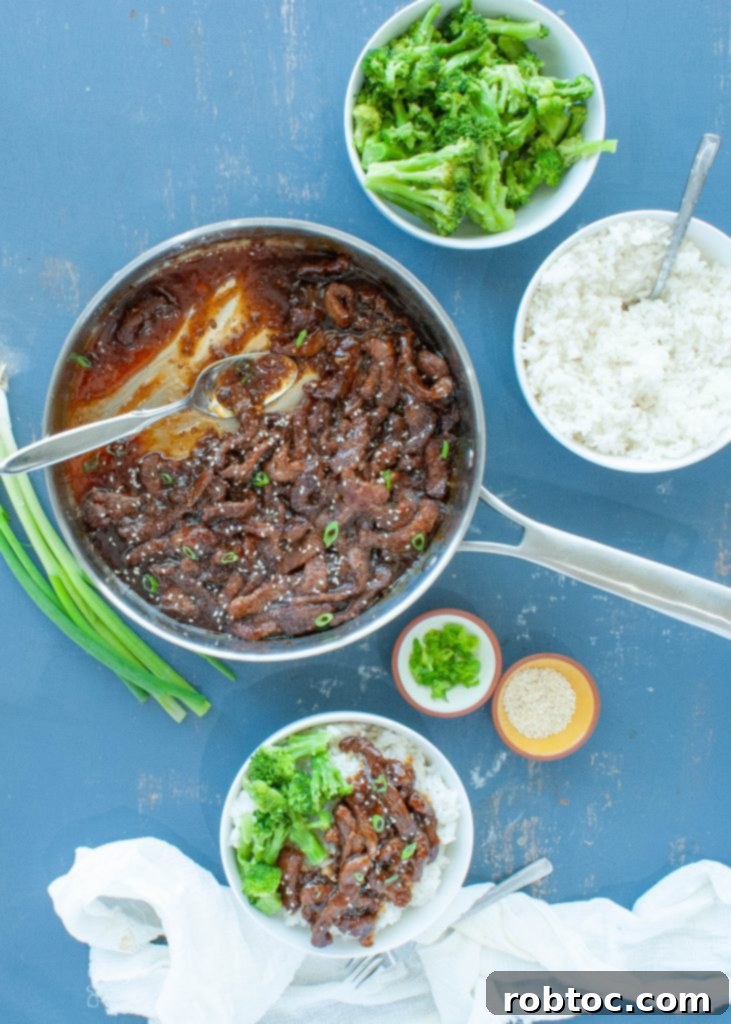
- Remove from the heat and serve. You can either serve with a side of broccoli, or directly stir the broccoli into the sauce as well. We like to serve this over white rice, with sesame seeds and green onions on top.
- Leftovers store well in the fridge 2-3 days in an airtight container.
Notes
For a soy-free version, use coconut aminos as a direct substitute for soy sauce. If you need to make this recipe sesame-free, simply omit the sesame seeds used for garnish and swap the toasted sesame oil for a neutral oil like avocado, grapeseed, or canola oil. The dish will remain incredibly flavorful.
All frequently asked questions (FAQs) and detailed explanations regarding ingredients and techniques are provided above the recipe card. For the best culinary results, we highly recommend watching the instructional video linked above, which visually demonstrates each step of the cooking process.
*Important Note on Allergies: Our family manages severe allergies that are frequently re-tested, and we strictly adhere to product labels. We do not contact companies to inquire about ingredient derivations or potential cross-contact. If your allergies necessitate this level of diligence, please conduct your own research. We cannot guarantee the safety of any ingredient beyond what is stated on its label; only you can determine what is safe for your specific needs. We simply share what works for our family’s dietary requirements.
**If you are preparing this meal for guests with food allergies, and you do not personally have allergies, it is HIGHLY recommended that you ask them to review every single brand and ingredient you plan to use. This ensures all components are safe for their specific allergies. Additionally, please discuss with them proper cross-contamination prevention measures in your kitchen to ensure their safety and peace of mind.
This recipe was inspired by and adapted from methods found on Recipe Critic, Simple Joy, and Meaningful Eats, with our unique allergy-friendly modifications.
Nutrition Information:
Yield: 4
Serving Size: 1
Amount Per Serving:
Calories: 732Total Fat: 45gSaturated Fat: 9gTrans Fat: 0gUnsaturated Fat: 34gCholesterol: 67mgSodium: 1889mgCarbohydrates: 47gFiber: 5gSugar: 16gProtein: 35g
Don’t forget to PIN this recipe so you can easily find it later! While you’re there, explore my other allergy-friendly Asian recipes on Pinterest for more culinary inspiration.