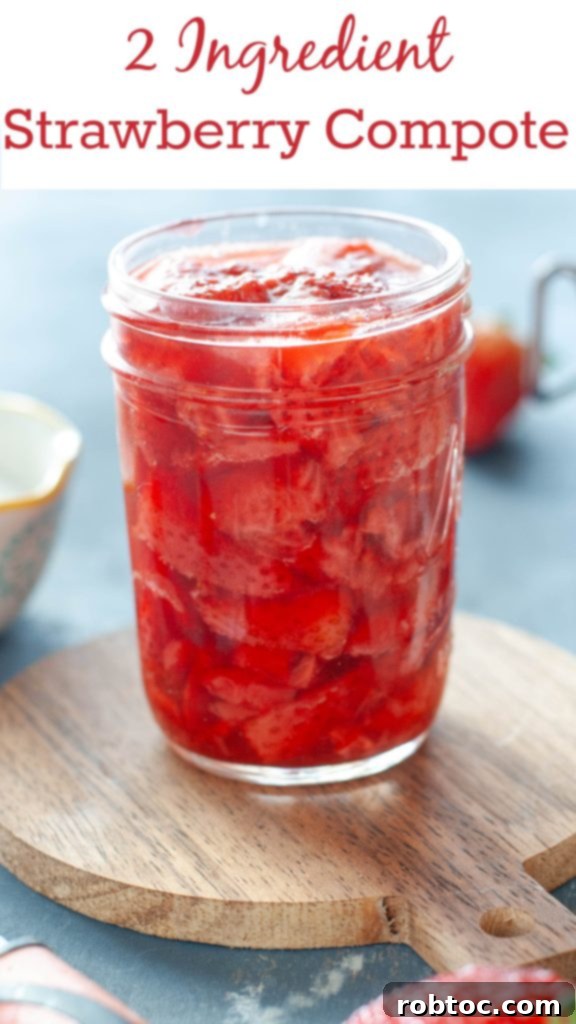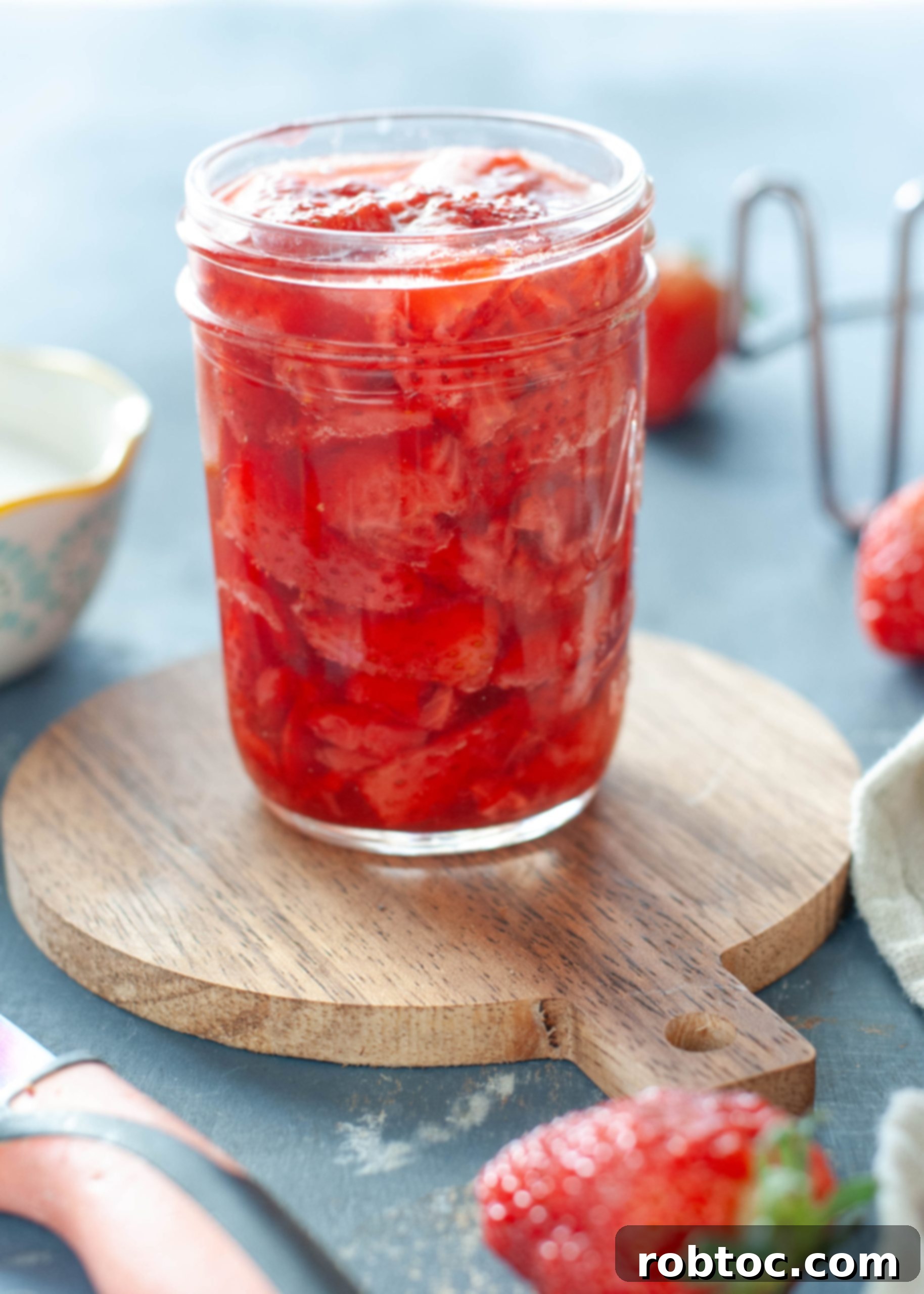
Easy Homemade Strawberry Compote: A Simple 2-Ingredient Recipe for Versatile Fruit Topping
Discover the delightful simplicity of making this two-ingredient Strawberry Compote at home. It’s an incredibly easy recipe that adds a burst of juicy freshness and natural sweetness to countless dishes. With minimal sugar, this vibrant, fruity topping quickly becomes a kitchen staple. Naturally free from the top 8 allergens, it’s wonderfully allergy-friendly, containing no gluten, wheat, dairy, egg, soy, fish, shellfish, peanuts, or tree nuts.
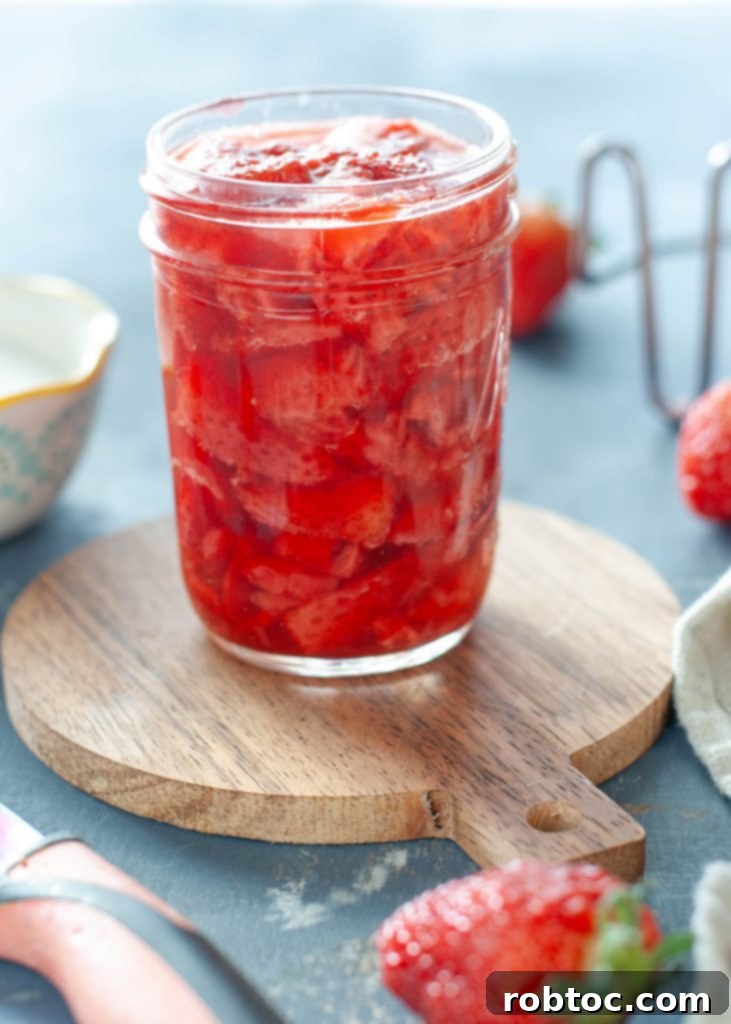
This post contains affiliate links.
What is Strawberry Compote and Why You’ll Love It
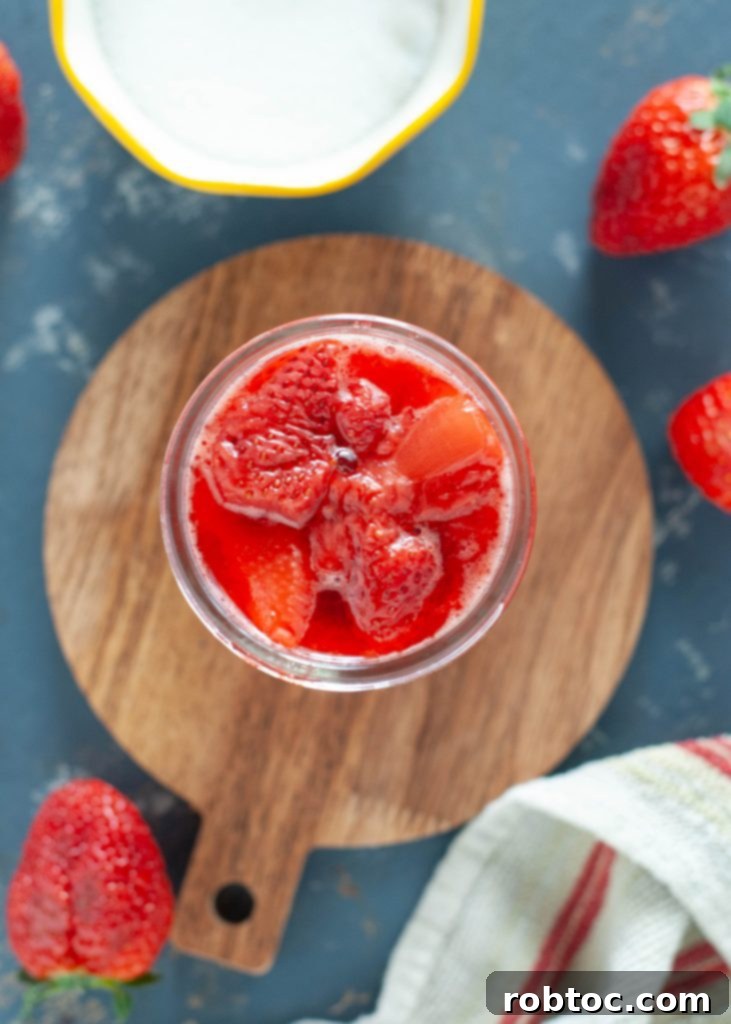
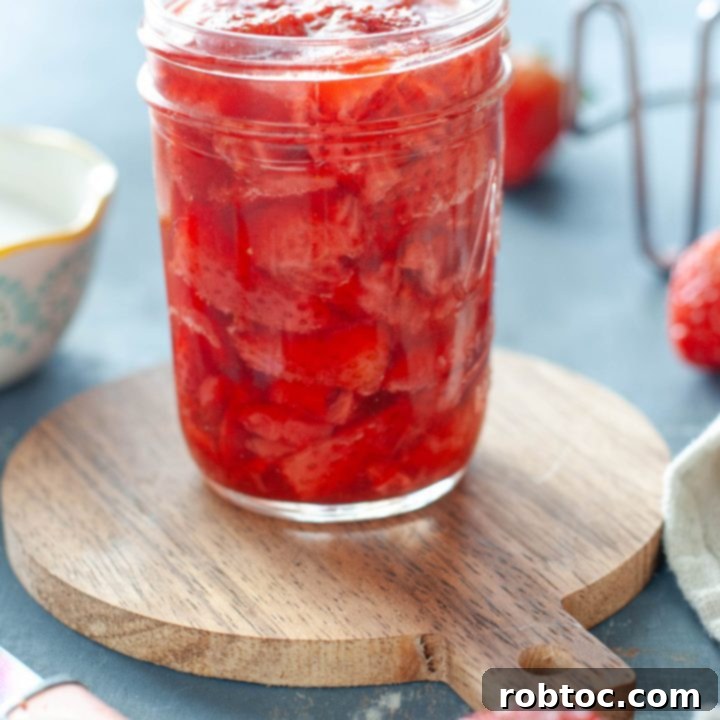
Strawberry compote is a delightful fruit preparation created by gently simmering fresh or frozen strawberries with a touch of sugar. This process coaxes out the fruit’s natural juices and sweet flavors, resulting in a luscious, somewhat runny topping. Unlike thicker preserves, compote typically features distinct, soft pieces of fruit, often halved strawberries, which add incredible texture and a vibrant taste to a wide array of foods. Its simplicity and fresh flavor profile make it a beloved addition to both sweet and savory applications.
The beauty of homemade strawberry compote lies in its versatility and the ability to control its sweetness and texture. It offers a brighter, less structured alternative to jams and jellies, highlighting the pure taste of strawberries. Plus, it’s incredibly quick to prepare, making it an ideal last-minute enhancement for breakfast, dessert, or even a fancy brunch spread. Its naturally low-sugar content and allergy-friendly ingredients ensure it’s a wholesome choice for almost everyone.
How Does Strawberry Compote Differ from Jam and Jelly?
While compote, jam, and jelly are all wonderful fruit spreads and toppings, they have distinct characteristics and preparation methods that set them apart. Understanding these differences helps you choose the best option for your culinary needs.
- Consistency and Fruit Content: Compote is generally looser and more fluid than jam or jelly, featuring larger, more intact pieces of fruit. You’ll often find whole or halved berries swimming in a light, syrupy sauce. Jams, on the other hand, have a thicker, spreadable consistency with finely crushed or mashed fruit pulp. Jellies are the clearest and firmest, made from fruit juice only, completely free of fruit pulp or seeds.
- Sugar Content: Compotes typically use less sugar compared to jams and jellies. The goal of compote is often to highlight the natural sweetness and tartness of the fruit, requiring just enough sugar to enhance flavor and create a light syrup. Jams and jellies, particularly those made for long-term storage, often contain higher sugar levels, which act as a preservative.
- Thickening Agents: Most jams and jellies rely on pectin, a natural gelling agent found in fruit (or added commercially), to achieve their characteristic firm set. Compote, however, rarely calls for added pectin. Its slight thickness comes naturally from the reduction of fruit juices during simmering.
- Cooking Time and Preservation: Compotes are cooked for a shorter period, just long enough to soften the fruit and release its juices. They are meant for relatively immediate consumption, typically lasting about one to two weeks in the refrigerator. Jams and jellies involve longer cooking times and often employ canning or freezer jam techniques for extended shelf life, allowing them to be stored for months or even years.
In essence, compote offers a fresh, bright, and fruit-forward experience, ideal for immediate enjoyment, whereas jams and jellies are typically designed for longer preservation and a more structured texture.
Do I Need Cornstarch for Thickening?
When exploring fruit compote recipes, you’ll find varying opinions on the use of cornstarch. Some recipes suggest it for added thickness, while others prefer to omit it. In this recipe, we prioritize simplicity and allergen-friendliness, so cornstarch is not included.
The natural process of simmering the strawberries helps to thicken the compote as the fruit releases its natural pectin and the water content evaporates. This gradual reduction results in a beautifully syrupy consistency without the need for additional agents. Moreover, avoiding cornstarch makes this recipe suitable for individuals with corn allergies, broadening its appeal. Compote is traditionally meant to be somewhat runny, with soft fruit pieces, allowing it to elegantly drizzle over desserts like cheesecake or soak into pancakes. It’s not intended to have the firm, gel-like consistency of a jam or jelly.
However, if you do desire a noticeably thicker, more set compote, you can easily incorporate cornstarch. To do so, mix 1 tablespoon of cornstarch with 1.5 tablespoons of cold water to create a smooth slurry. Once your compote is simmering, slowly whisk this mixture into the hot fruit, allowing it to cook for another minute or two until it reaches your preferred thickness. This step is entirely optional and based on personal preference for texture; the compote is wonderfully delicious either way.
Do I Need Lemon Juice for Flavor or Preservation?
Many fruit compote recipes call for a splash of lemon juice, typically to brighten the flavor or aid in preservation. However, for this strawberry compote, I believe it’s an optional addition. Strawberries, especially ripe ones, often possess enough natural tartness to balance the sweetness, particularly when the sugar content is kept low, as it is in this recipe.
Lemon juice introduces an acidic element that can enhance the fruit’s natural flavors, making them pop even more. If you find your strawberries are exceptionally sweet or you simply prefer a more pronounced tangy note, feel free to add about 1 tablespoon of fresh lemon juice during the simmering process. It can also slightly help in activating any natural pectin present in the berries, contributing a touch more body to the compote. For those looking to experiment, a different citrus fruit like orange juice or even lime juice could introduce a unique secondary flavor, adding another layer of complexity to your compote. Ultimately, the decision to add lemon juice comes down to your personal taste preference and the natural sweetness of your chosen berries.
What is Strawberry Compote Good On? Endless Delicious Pairings!
The beauty of strawberry compote lies in its incredible versatility. It can elevate almost any dish that calls for a touch of fruit or sweetness. Think of it as a vibrant, fresh alternative to jam or jelly, ready to brighten your meals from breakfast to dessert. Here are just a few ideas to inspire you:
- Gluten-Free Biscuits: Slather a warm biscuit with a generous spoonful of compote for a comforting treat.
- Pancakes & Waffles: Ditch the plain syrup and top your stacks of pancakes (gluten-free pancakes and gluten-free vegan pancakes) or waffles with this fruity goodness for a delightful breakfast.
- Cupcakes and Cake Fillings: Use it as a luscious filling between cake layers or as a vibrant topping for cupcakes, adding both flavor and moisture.
- Cheese Boards and Charcuterie Boards: Its sweet and tangy profile makes it an excellent accompaniment to various cheeses, especially soft cheeses like brie or goat cheese, and cured meats.
- Ice Cream: A warm or cool dollop over vanilla or chocolate ice cream creates an instant, elevated dessert.
- Oatmeal and Overnight Oats: Stir it into your morning bowl of oatmeal or overnight oats for natural sweetness and fruit.
- Gluten-Free Vegan French Toast: Transform your French toast into a gourmet experience with this vibrant topping.
- Scones: Serve it alongside clotted cream or whipped cream with freshly baked scones for a classic British tea-time treat.
- Vegan Chocolate Cheesecake: The bright tartness of the compote beautifully complements the richness of a chocolate cheesecake.
- Homemade Gluten-Free Bread & Toast: Spread it on warm toast or fresh bread for a simple, yet satisfying snack.
- Crackers: A quick and easy appetizer when paired with cream cheese or a neutral cracker.
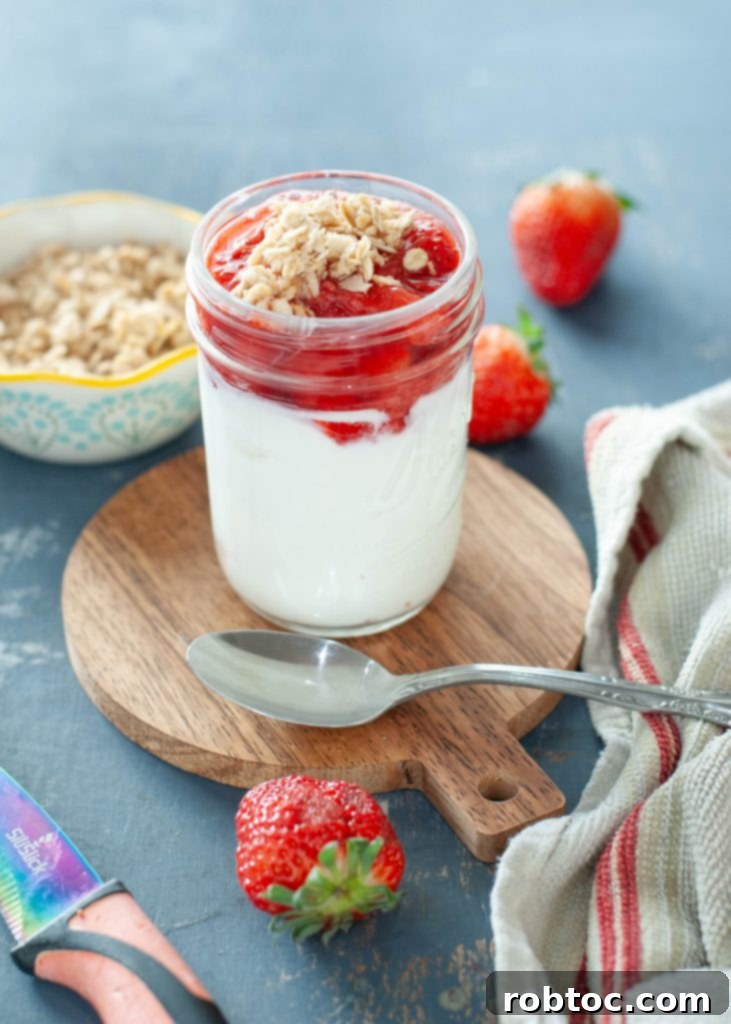
- Yogurt Parfaits: Layer it with yogurt and granola for a healthy and delicious parfait (as shown in the picture).
- Savory Dishes: Don’t limit yourself to sweets! A hint of strawberry compote can be surprisingly delicious with roasted pork, duck, or chicken, offering a sweet-tart counterpoint.
- Beverages: Swirl a spoonful into sparkling water, iced tea, or even cocktails for a fruity twist.
Honestly, the possibilities are nearly endless. When in doubt, just grab a spoon and enjoy it straight from the jar – it’s that good!
Essential Tools Needed for Compote Making
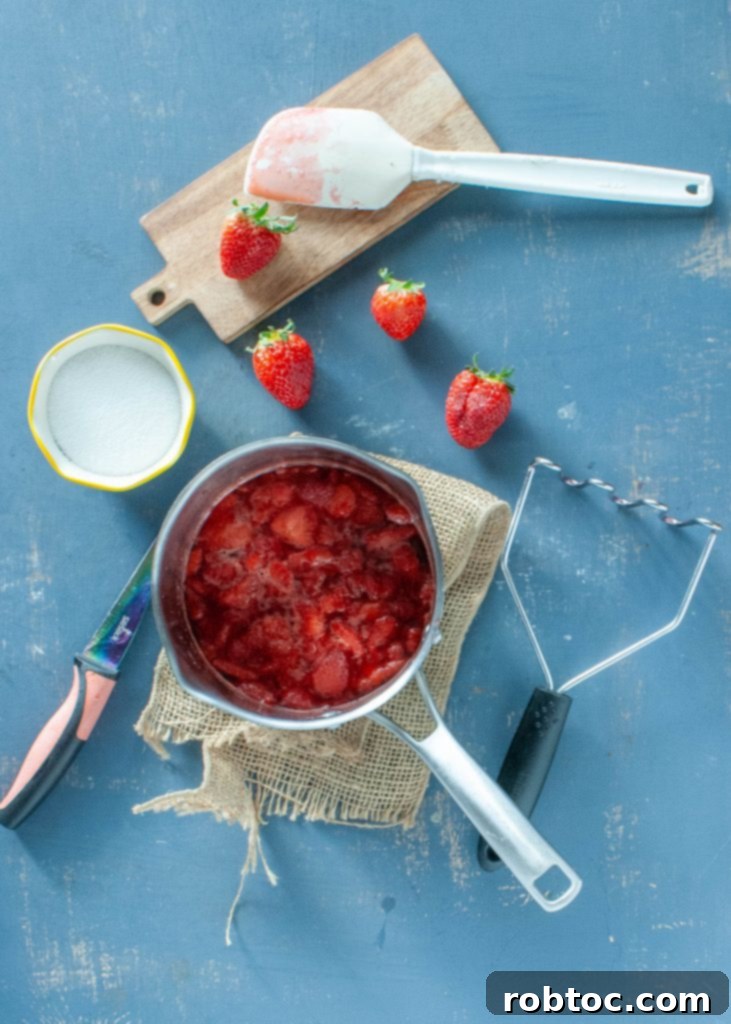
Making strawberry compote is incredibly straightforward and requires only a few basic kitchen tools. You likely already have most of these on hand, making this recipe even more accessible:
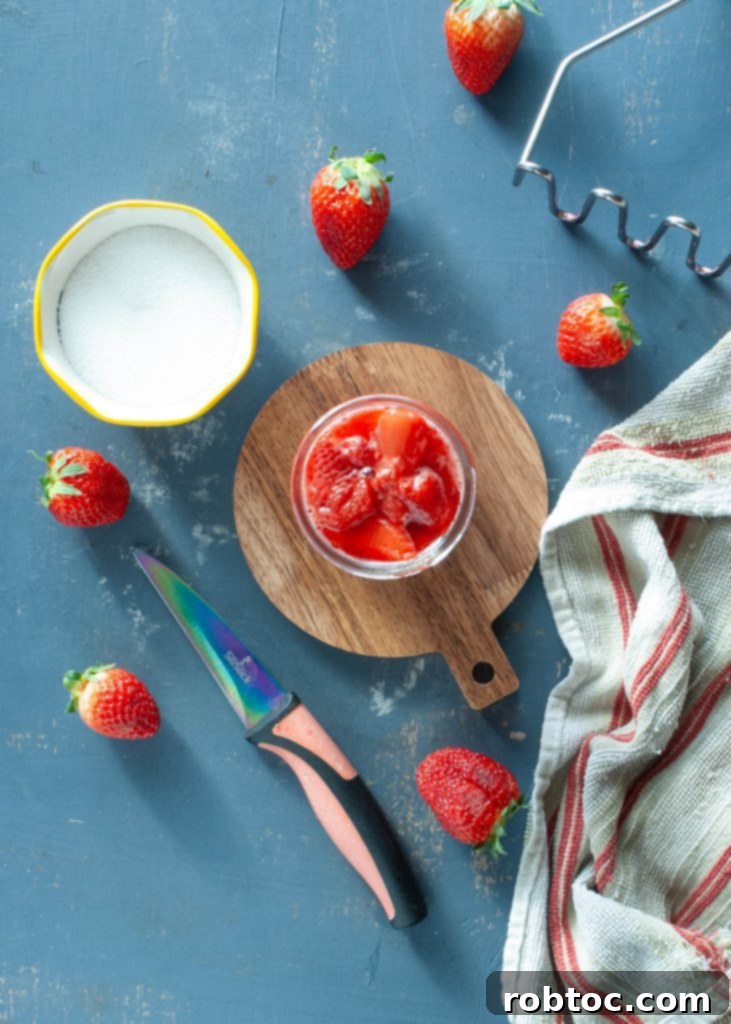
- Cutting Board and Knife: Essential for preparing your fresh strawberries, from hulling to halving.
- 1/2 Cup Measuring Cup: For accurately measuring the small amount of sugar needed.
- Medium Saucepan: A sturdy saucepan is perfect for simmering the berries evenly and allowing their juices to reduce.
- Heat-Proof Spatula or Wooden Spoon: For stirring the compote frequently to prevent sticking and ensure even cooking.
- Potato Masher (Optional): While not strictly required, a potato masher can be a handy tool if you prefer a smoother compote or want to break down larger berry pieces more quickly.
- Clean Glass Jar or Airtight Container: Crucial for properly storing your finished compote in the refrigerator.
Simple Ingredients for a Flavorful Compote
The beauty of this strawberry compote recipe lies in its minimalist approach, using just two core ingredients to achieve maximum flavor:
- 1 pound (16 ounces) Strawberries, Washed and Hulled: Fresh, ripe strawberries are key for the best flavor. Look for berries that are firm, bright red, and fragrant. If fresh are not in season, frozen strawberries work perfectly well too!
- 2 TBSP Sugar: This recipe uses a low amount of sugar to let the natural sweetness of the strawberries shine through. You can adjust this amount to your preference and the sweetness of your berries.
Can I Use Frozen Strawberries for Compote?
Absolutely! Using frozen strawberries is not only possible but often a very practical choice, especially when fresh strawberries are out of season or not at their peak quality. Farmers pick frozen berries at their ripest, locking in their flavor, which means they can be just as delicious, if not more so, than out-of-season fresh varieties.
When using frozen strawberries, you might notice they release a bit more liquid during the thawing and cooking process compared to fresh berries. This extra water content is due to the freezing and thawing cycle that breaks down cell walls. As a result, you may need to simmer your compote for a slightly longer duration to achieve the desired consistency. Just keep an eye on it and continue to cook until the liquid has reduced and thickened to your liking. There’s no need to thaw them before cooking; simply add them directly to the saucepan with the sugar and begin simmering. This makes preparing strawberry compote a delightful possibility all year round!
Can I Use Different Fruits to Make Compote?
Yes, absolutely! The basic method for making compote is incredibly versatile and can be adapted to almost any fruit. Don’t limit yourself to just strawberries; feel free to experiment with a wide array of seasonal fruits to create unique and delicious compotes. Here are some ideas:
- Stone Fruits: Peaches, plums, apricots, and cherries all make excellent compotes. Just remember to pit them before cooking.
- Other Berries: Blueberries, raspberries, blackberries, or a mix of various berries will produce equally delightful results.
- Apples and Pears: Dice them into small pieces and simmer until tender. Adding a pinch of cinnamon or nutmeg can enhance their flavor.
- Tropical Fruits: Mango or pineapple can create a vibrant, exotic compote perfect for topping tropical desserts or savory dishes.
- Rhubarb: Often paired with strawberries, rhubarb offers a wonderful tartness that balances sweetness beautifully.
When switching fruits, consider their natural sweetness and moisture content. You may need to adjust the amount of sugar or simmering time accordingly. For harder fruits like apples, a splash of water or fruit juice might be needed to get the cooking process started without burning. Don’t be afraid to mix and match fruits to create your own signature compote blends!
How Do I Store Homemade Compote?
Proper storage is key to enjoying your delicious homemade strawberry compote for as long as possible. Since compote is not designed for long-term canning, its shelf life is shorter than traditional jams or jellies.
To store leftover strawberry compote, transfer it to a clean, airtight container – a glass jar works perfectly – and place it in the refrigerator. It will typically remain fresh and delicious for 7 to 14 days. Always use a clean spoon each time you scoop out compote to prevent contamination and extend its freshness.
For longer storage, you can absolutely freeze compote! Allow it to cool completely, then transfer it to freezer-safe containers or even ice cube trays for smaller, portioned servings. Once frozen, you can transfer the cubes to a freezer bag. Frozen compote can last for up to three months. To thaw, simply move it from the freezer to the refrigerator overnight. If you wish to serve it warm, you can gently reheat it on the stovetop over low heat or briefly in the microwave. Freezing is an excellent way to preserve seasonal fruit flavors to enjoy later in the year.
Expert Tips for the Best Strawberry Compote
Achieving the perfect strawberry compote is simple, but a few key tips can elevate your results:
- Choose the Best Berries: The quality of your strawberries directly impacts the flavor of your compote. Opt for berries that are firm, deeply red, and smell fragrant. Riper, sweeter berries will naturally yield a sweeter compote, requiring less added sugar. As the saying goes, “The darker the berry, the sweeter the juice!”
- Taste and Adjust Sugar: Never go strictly by a recipe’s sugar recommendation without tasting. Berries vary greatly in sweetness depending on their ripeness and variety. Start with the suggested amount of sugar, but taste the compote as it simmers. If your berries are tart, or you prefer a sweeter topping, feel free to add another tablespoon or two of sugar at a time until it’s perfectly balanced for your palate. This recipe calls for a lower sugar content, so don’t hesitate to increase it if you desire something ultra-sweet.
- Gentle Mashing: If you prefer a compote with fewer large chunks, a potato masher is your friend. Gently mash the berries a few times during the simmering process to break them down. Avoid over-mashing, unless you prefer a jam-like consistency. The charm of compote is often its rustic, chunky texture.
- Low and Slow Simmering: Once the compote comes to a boil, reduce the heat to a low simmer. This gentle cooking prevents the fruit from breaking down too quickly and allows the flavors to meld beautifully. Frequent stirring will also prevent sticking and ensure even cooking.
- Thickening on Cooling: Remember that compote will naturally thicken further as it cools. Don’t expect it to be super thick straight off the stove. If it looks a little runny while hot, be patient; it will set up more as it reaches room temperature or chills in the refrigerator.
- Spice It Up: For an extra layer of flavor, consider adding a tiny pinch of cinnamon, a splash of vanilla extract, a grind of black pepper, or a few cardamom pods during the simmering process. These spices can beautifully complement the strawberries.
Do I Have a Video Showing How to Make It?
Yes, I do! Seeing the process in action can make all the difference, assuring you just how incredibly easy this recipe is to make. The video demonstrating each step should auto-populate on this page. If for any reason it doesn’t appear, you’ll find it embedded at the bottom of the recipe card. And if all else fails, you can always view it directly on YouTube. Happy cooking!
Quick Strawberry Compote (2 Ingredients)
8 servings
5 minutes
10 minutes
15 minutes
Simple, two ingredient Strawberry Compote is easy to make and is a delicious addition to so many types of recipes. It adds a burst of juicy freshness that sweetens everything up. With little sugar, this bright, fruity topping is a keeper. This is naturally top-8-free and very allergy friendly as it has no: gluten, wheat, dairy, egg, fish, shellfish, peanuts or tree nuts.
Ingredients
- 1 pound (16 ounces) strawberry, hulled and cut in half
- 2 TBSP sugar*
Instructions
- Wash and hull strawberries. Keep small ones whole, and cut bigger ones in halves.
- Pour into a medium saucepan.
- Pour the sugar over top.
- Mash the berries slightly (not too much) to release some juice so you can stir the sugar well.
- Bring to a boil.
- Reduce heat to keep it a low simmer, and stir frequently.
- The berries will continue to release their liquid.
- *Taste and adjust sugar as needed. Most recipes will go anywhere from my 2 TBSP all of the way up to 1/2 cup (which is 8 TBSP). Depending on the ripeness of your berries, and preference you may need more. I think it’s good to start low and work your way up.
- Cook 8-10 minutes, or until desired berry tenderness is achieved and sugar is dissolved.
- Take off the heat. It will thicken more as it cools. Serve warm, cold or room temperature.
- For ideas on what to serve it on, see above the recipe.
- If you’d like it even thicker, see the notes above about using cornstarch.
- Store leftover compote in an airtight container in the fridge maximum 2 weeks. Or, freeze up to three months.
Notes
If you want to thicken it even more so, see my note above regarding cornstarch
Read all FAQs and watch the video at the bottom of the recipe card to ensure best success.
*Our allergies, while severe and that get re-tested frequently, are such that we can go strictly by what’s on the label. I do not call companies to see what things are derived from, or call manufacturers to see about potential cross contact. If your allergies require you to do so, please do your own homework. I cannot assure you of any ingredient’s safety, only you can do that. I simply share what works for our family.
**If you are going to feed this to someone with food allergies, and you yourself do not have food allergies, I HIGHLY recommend having them check every single brand and ingredient you are using, to ensure they’re OK with each part of the recipe. And, to make sure you’ve talked to them about how to avoid cross contamination in your kitchen.
Inspired by: Spruce Eats, Love and Lemon, Chocolate with Grace and Meaningful Eats
Nutrition Information:
Yield: 8
Serving Size: 1
Amount Per Serving:
Calories: 12Total Fat: 0gSaturated Fat: 0gTrans Fat: 0gUnsaturated Fat: 0gCholesterol: 0mgSodium: 0mgCarbohydrates: 3gFiber: 0gSugar: 3gProtein: 0g
DON’T FORGET TO PIN IT, SO YOU DON’T LOSE IT. BE SURE WHILE YOU’RE THERE TO CHECK OUT MY OTHER PINTEREST PINS.