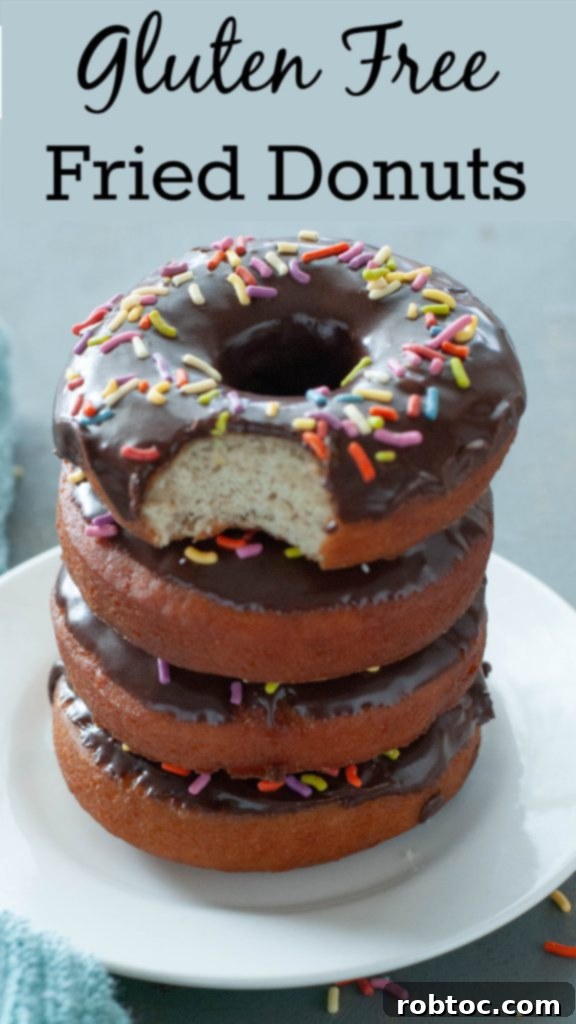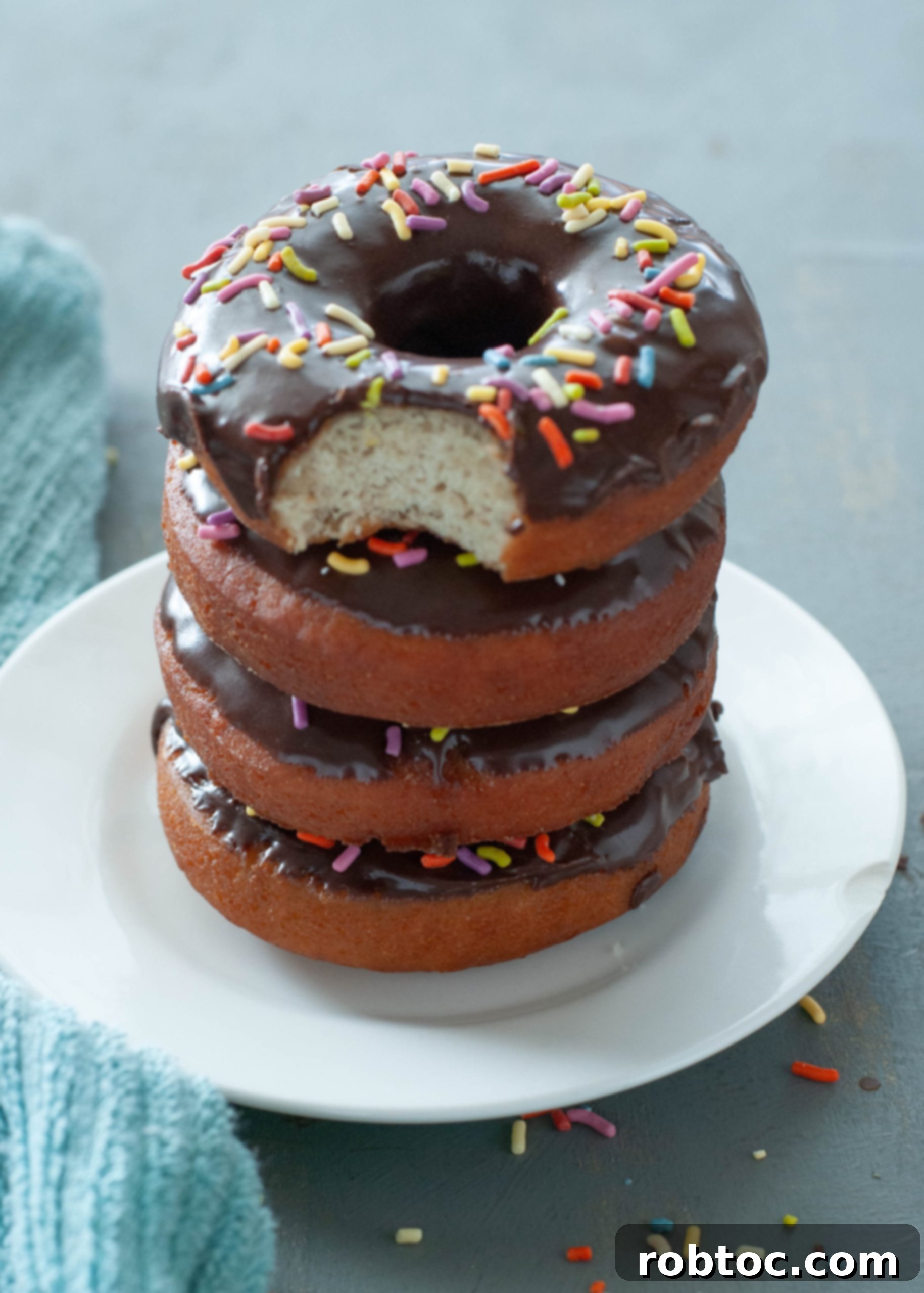
Homemade Gluten-Free Donuts: The Ultimate Guide to Delicious, Allergy-Friendly Fried Treats
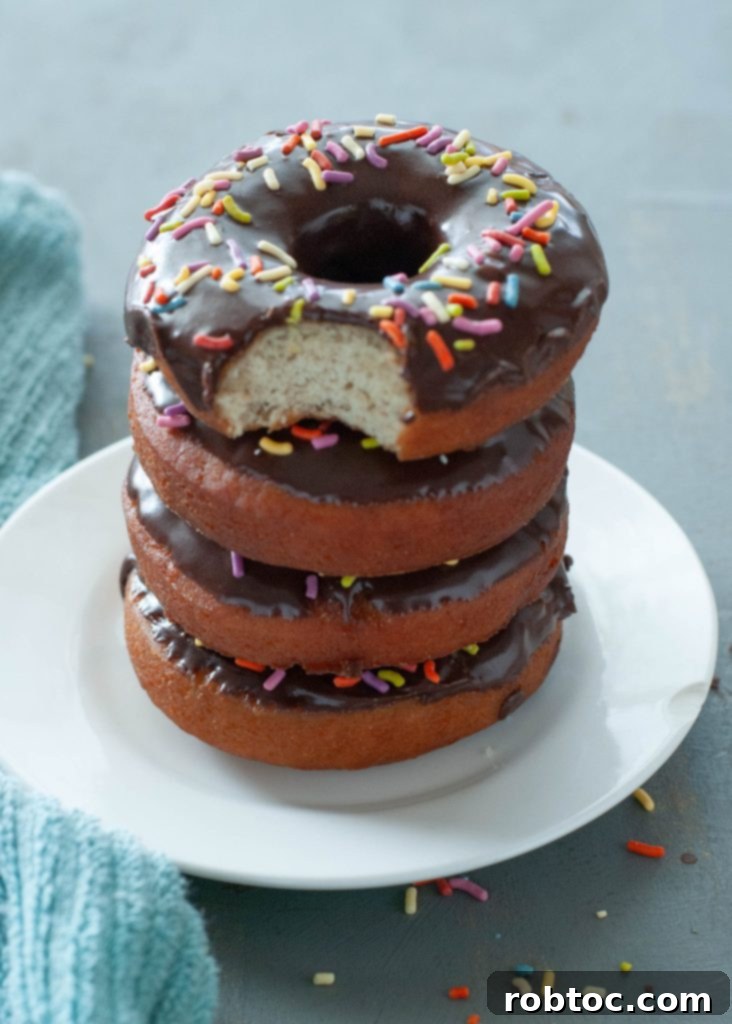
Imagine biting into a perfectly golden, fluffy donut, warm from the fryer, dusted with sugar or coated in a rich glaze. Now, imagine doing all of that from the comfort of your own kitchen, knowing it’s completely gluten-free. This isn’t just a dream – it’s a reality with this incredible recipe for homemade gluten-free donuts. Get ready to rediscover the joy of bakery-style treats, made safely and deliciously at home. Plus, we’ve included a dairy-free option and ensured these delightful donuts are free from soy, peanuts, tree nuts, and sesame, making them a truly inclusive indulgence for almost any dietary need!
This post contains affiliate links, which means I may earn a small commission if you make a purchase through my links at no extra cost to you.
Why You’ll Love These Gluten-Free Raised Donuts
My passion for donuts (or doughnuts, however you prefer to spell them!) runs incredibly deep. If given the choice, I would pick a freshly made donut over most other sweets or candies any day of the week. The challenge, however, comes when you transition to a gluten-free lifestyle. Finding truly delicious, fluffy gluten-free donuts in stores or bakeries can feel like an impossible quest. Life without them felt… well, a little bland. That’s why I embarked on a mission to create my own, and I’m thrilled to share that it’s far easier than you might think! While there’s a little patience required for the dough to rest and rise, if you can handle a rolling pin and a cutter, you are absolutely capable of making these incredible treats at home.
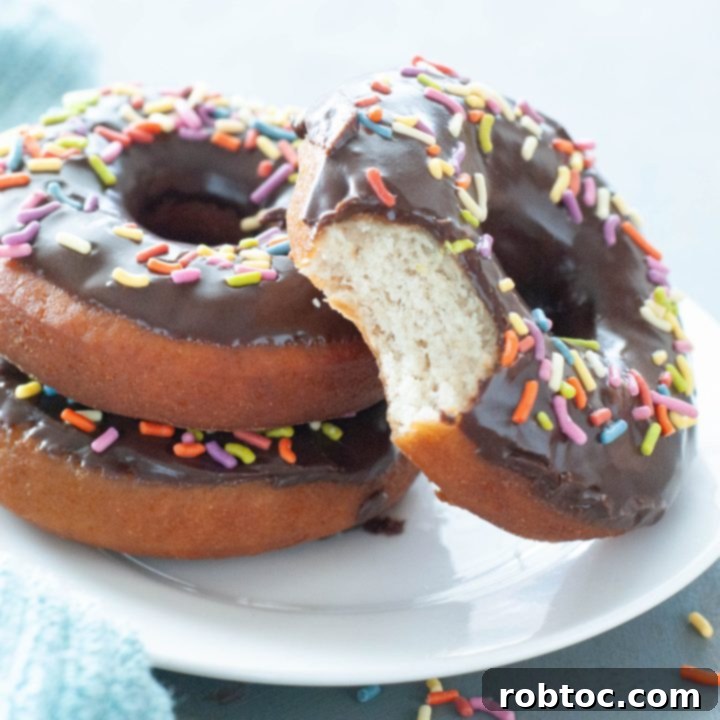
What sets this recipe apart is the dough itself. It’s incredibly pliable and easy to work with, a stark contrast to many gluten-free doughs that can be sticky or crumbly. This “beautiful dough” rolls out smoothly and holds its shape wonderfully. It’s also intentionally not overly sweet, creating the perfect blank canvas. This allows you the freedom to customize your donuts exactly how you like them – whether that’s a simple dusting of powdered sugar, a generous coating of your favorite frosting, or a shower of colorful sprinkles. It’s a versatile base that invites endless creativity.
I understand that the idea of deep-frying might seem intimidating. Honestly, I’m not a huge fan of frying either! But I promise you, these gluten-free donuts are surprisingly simple to fry, cooking up quickly to a beautiful golden perfection. I’ve included all my best tips and tricks to ensure your success, even if you’re a frying novice. You’ll soon be enjoying warm, light, and perfectly golden homemade donuts that taste just like they came from a professional bakery!
Making These Gluten-Free Raised Donuts Dairy-Free
Adapting this recipe to be completely dairy-free, in addition to gluten-free, is remarkably straightforward. With just three simple substitutions, you can ensure everyone can enjoy these delightful donuts without worry. Instead of traditional milk, opt for a high-quality, unsweetened plain coconut milk yogurt alternative (like So Delicious) for both moisture and a subtle richness. For butter, Country Crock’s Plant Butter with Olive Oil is an excellent plant-based swap that provides the necessary fat and flavor. Finally, to compensate for the slight changes in texture from removing dairy, simply add an extra egg to the dough. These adjustments are easy-peasy and result in equally delicious dairy-free donuts!
If your dietary needs extend to a top-8-free donut (meaning egg-free as well), you might be interested in my gluten-free vegan baked double chocolate donuts. While not fried, they offer another fantastic allergy-friendly option.
Choosing the Right Yeast for Your Donuts
For this recipe, I highly recommend using instant yeast. The beauty of instant yeast is that it eliminates the need for proofing it in a liquid beforehand, saving you an extra step and valuable time. You can simply add it directly to your dry ingredients, and it will activate wonderfully within the dough. While reputable brands like Red Star are excellent choices, I often find that even a quality store brand, like Walmart’s Great Value, works perfectly well. The most crucial factor when using any yeast is to ensure it’s fresh and not expired. Old or inactive yeast will significantly impact your dough’s ability to rise, resulting in dense rather than fluffy donuts. Always double-check the expiration date to guarantee a successful rise!
The Indispensable Role of Psyllium Husk Powder
You might be wondering, “Do I have to use psyllium husk powder?” The answer is a resounding yes! Psyllium husk powder is an absolute game-changer in gluten-free baking, especially for yeast-leavened doughs like these donuts. When mixed with water, psyllium husk forms a gel-like consistency. This gel, when incorporated into the dough, acts as a phenomenal binder and provides the much-needed elasticity and structure that gluten-free flours inherently lack. It helps create a dough that is not only easier to handle but also yields a wonderfully chewy texture and a satisfying bounce, mimicking the characteristics of traditional wheat-based donuts. Skipping it would result in a crumbly, less appealing donut, so please do not omit this crucial ingredient.
I personally source my psyllium husk powder in bulk from stores like Winco, which can be more cost-effective. If buying online, be aware that different brands can produce varying hues in the final product. While the taste won’t be affected, some brands may impart a slightly purple-ish or blue-ish tint to your donuts. If you’re aiming for that classic amber color, I recommend contacting the brand before purchasing to inquire if they offer a “blonde” psyllium husk powder, which will help maintain the desired golden appearance.
Choosing the Best Gluten-Free Flour Blend
The type of gluten-free flour you use is incredibly important for the success of these donuts. This recipe was specifically developed and tested with King Arthur’s Measure for Measure Gluten Free Flour, which is a carefully balanced all-purpose blend. Different gluten-free flour blends can vary significantly in their composition of rice flours, starches, and binders, leading to vastly different results. Therefore, I highly recommend sticking to the specified King Arthur blend for optimal results. If you choose to experiment with another brand, please do so at your own risk, as adjustments may be necessary.
It’s also crucial to understand that you CANNOT simply swap in a single-grain gluten-free flour (like almond flour, oat flour, or plain rice flour) for an all-purpose gluten-free blend. “Regular” wheat flour is a complex structure, and it takes a combination of several different gluten-free flours and starches to mimic its properties effectively. An all-purpose gluten-free blend is designed to provide the right balance of texture, structure, and rise, which single-grain flours simply cannot achieve on their own for a recipe like this.
Donut Shaping: Crafting Perfect Circles
Achieving those classic donut shapes is part of the fun! I personally use a biscuit cutter set that offers multiple sizes. For the main donut, I use the largest size, and then I use the smallest cutter to punch out the center hole, creating perfect rings. Alternatively, you can invest in a dedicated donut cutter, which simplifies the process by cutting both the outer ring and the center hole in one swift motion. Whichever tool you choose, ensure your dough is evenly rolled to the specified thickness for consistent frying and a beautiful final product. Don’t forget those delightful donut holes – they fry up even faster and are perfect for a quick taste test!
Preparing Donuts Ahead of Time
Life can get busy, but that doesn’t mean you have to miss out on fresh, homemade donuts! This recipe offers a fantastic make-ahead option. You can prepare the donut dough, cover it tightly with plastic wrap, and place it in your refrigerator to proof overnight. This slow, cold proofing can even enhance the flavor and texture of the dough. In the morning, simply take the dough out, roll it, shape your donuts, and let them rise for one hour at room temperature before frying and glazing. This method is perfect for preparing breakfast pastries for a weekend brunch or a special morning treat without all the early-morning fuss.
Choosing and Managing Frying Oil
When it comes to deep-frying, selecting the right oil is crucial. You’ll want to use a neutral-flavored oil with a high smoke point to prevent burning and impart off-flavors to your donuts. Canola oil is my preferred choice due to its mild taste and high smoke point, making it ideal for this recipe. You’ll need a significant amount – typically a whole 48 oz bottle – to ensure your donuts can float freely and cook evenly without touching the bottom of your frying vessel.
The Critical Role of Oil Temperature
The temperature of your frying oil is perhaps the most critical factor for perfect donuts. If the oil is too cool, your donuts will absorb excess oil, becoming greasy and heavy. Conversely, if the oil is too hot, the outsides will burn quickly before the inside has a chance to cook through, resulting in a raw interior and a crisp, dark exterior. The sweet spot for frying these gluten-free donuts is between 320-330 degrees Fahrenheit (160-165 degrees Celsius). It is absolutely essential to have a reliable way to measure and monitor this temperature. I highly recommend an instant-read digital thermometer for accuracy and ease, but a clip-on candy thermometer can also work effectively. Consistently checking the temperature will ensure your donuts fry up perfectly golden and cooked all the way through.
Expert Frying Tips for Perfect Gluten-Free Donuts
Deep frying can seem daunting, but with these tips, you’ll be frying like a pro in no time, ensuring your gluten-free donuts are light, fluffy, and never greasy:
- **Don’t Crowd the Pan:** It’s vital not to overcrowd your frying vessel. Donuts need ample space to bob around and cook evenly without overlapping. I use a 10″ Lodge porcelain dutch oven and typically fry only 3-4 donuts at a time, depending on their size. This ensures consistent oil temperature and even browning.
- **Use a Deep Pot:** A deep pot is essential for safe and effective deep frying. I strongly advise against using a shallow skillet, as it can lead to more splattering and makes it harder to submerge the donuts properly. A Dutch oven is perfect because its tall sides help contain splatters, keeping your stovetop cleaner. Its depth also allows you to pour in plenty of oil, ensuring the donuts float and cook without sticking to the bottom.
- **Ample Oil for Submersion:** As mentioned, use an entire 48 oz bottle of canola oil. This generous amount ensures the donuts have enough depth to “swim” in, promoting even cooking and a consistent temperature. After frying, allow the oil to cool completely, then use a funnel to pour it back into its original bottle for easy and responsible disposal.
- **The Right Tool for Retrieval:** To gently remove your perfectly fried donuts and delicate donut holes from the hot oil without squishing them, a spider strainer is your best friend. Its wide, mesh basket allows excess oil to drip away, leaving you with perfectly crisp donuts.
- **Monitor Oil Temperature Continuously:** Even if your stovetop is generally reliable, oil temperature can fluctuate, especially between batches. It’s always a good practice to check the oil temperature with your thermometer before adding each new batch. This ensures it hasn’t become too hot (which can burn the outsides) or too cold (leading to greasy donuts). Adjust your heat settings as needed; every stovetop is different.
- **Flip for Even Cooking:** Since the oil will typically only come up about halfway on the donut, you’ll need to flip each donut once to ensure both sides cook to a beautiful golden brown. I often set a timer for 60-90 seconds per side as a guide, but always rely on visual cues – the color will tell you when it’s ready to flip and when it’s done. Lighter brown donuts indicate shorter frying times, which I prefer for a softer texture, while darker brown ones have been fried longer.
If deep frying still makes you too nervous, don’t worry! I have a fantastic cake donut recipe that bakes in the oven instead, offering a delicious alternative.
Creative Ways to Fill These Gluten-Free Donuts
Absolutely! If you dream of filled donuts, this recipe can easily accommodate. Instead of cutting out the typical center hole, simply use a round cutter to create solid donut circles before frying. Once fried and cooled, these round donuts become the perfect vessels for your favorite fillings. Using a piping bag fitted with a Bismark Filling Tip, you can easily inject delicious fillings like fruit jams, jellies, pastry cream, or chocolate ganache into the center. The Bismark tip is specifically designed for this purpose, making it simple to create beautifully filled treats.
Delicious Gluten-Free Donut Toppings and Glazes
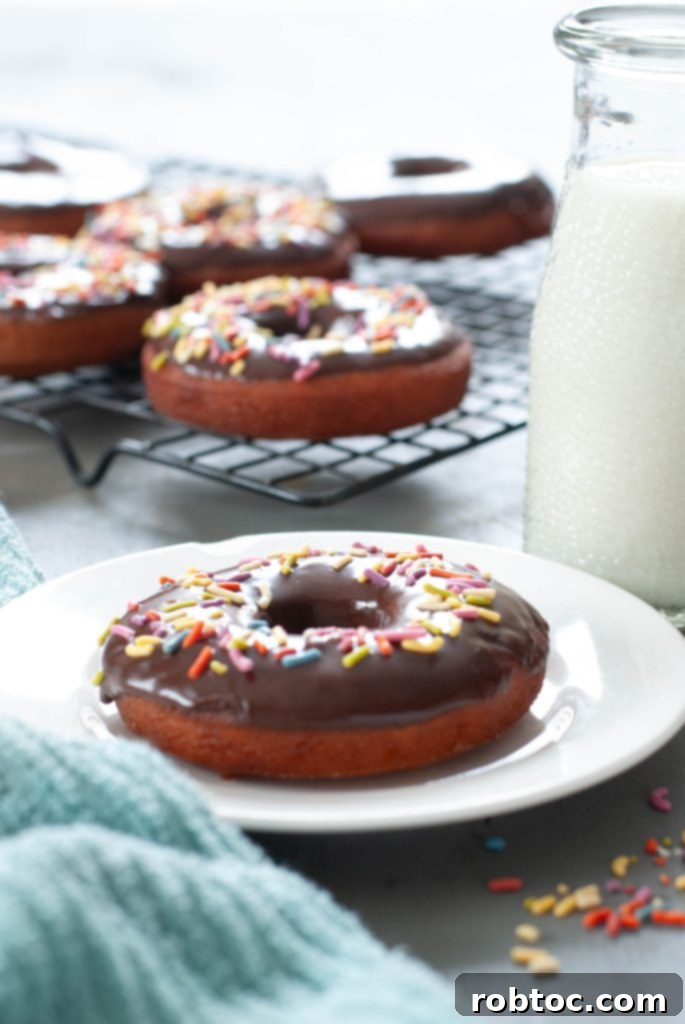
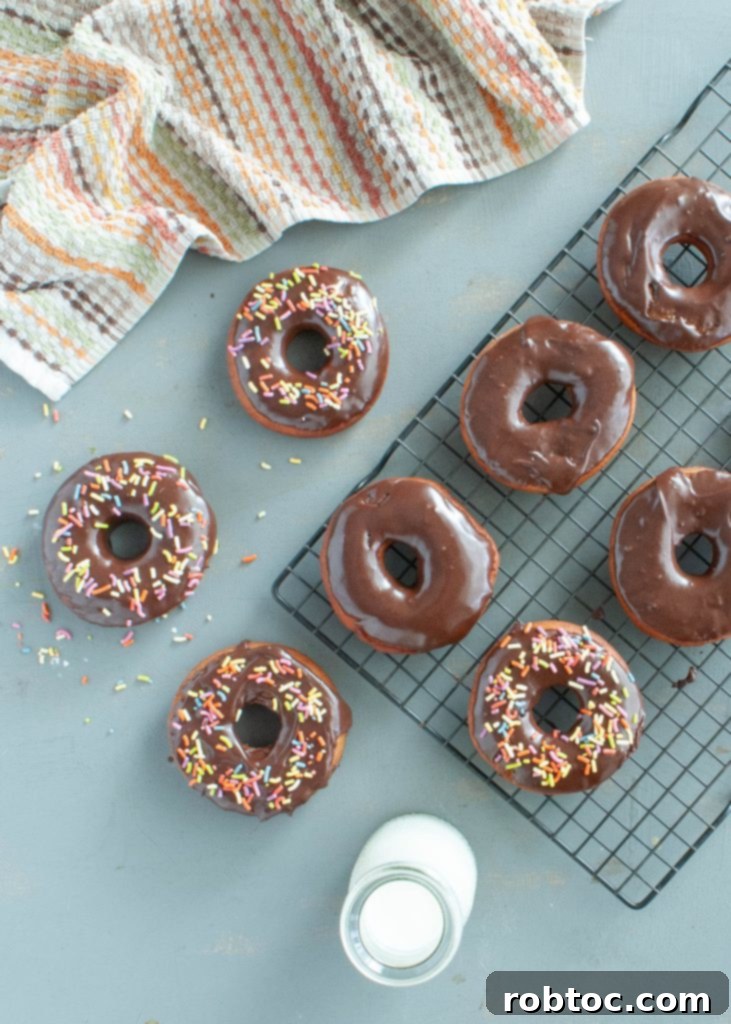
Once your gluten-free donuts are perfectly fried, it’s time for the fun part: toppings! My favorite method for glazing is to prepare the icing in a wide, shallow bowl. This allows me to easily hold the donut by its edges and simply dip the top surface directly into the glaze, creating a smooth, even, and professional-looking finish without any spreading. This technique yields the prettiest and most consistent appearance.
Beyond traditional glazes, the possibilities are endless! While your donuts are still warm, you can roll them in a delightful mixture of cinnamon and sugar for a classic taste, or simply dust them generously with powdered sugar (also known as icing sugar) for a simple yet elegant finish.
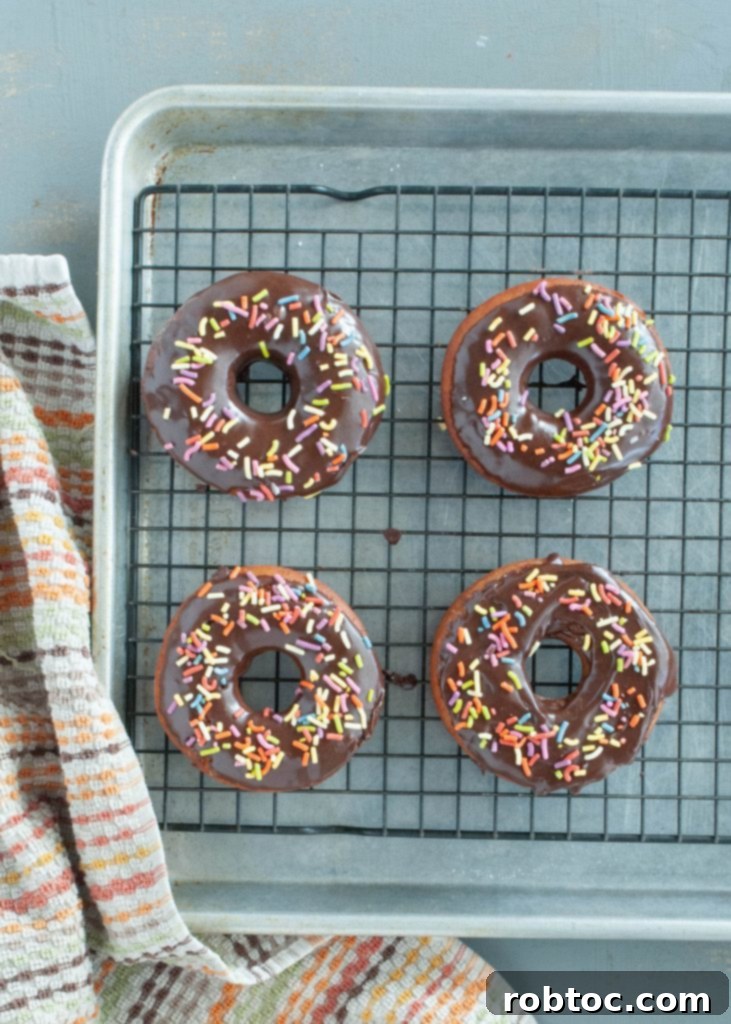
For more elaborate options, create a classic vanilla glaze, or add a pop of color with food dye to match specific themes or holidays. Sprinkles are always a hit, adding both visual appeal and a delightful crunch. If your allergies allow, finely chopped nuts can add another layer of flavor and texture. I adore chocolate, so I’ve included a rich chocolate glaze recipe in the recipe card below. A crucial tip for any glaze: always aim for it to be thicker than you initially think necessary. A thicker glaze adheres better to the donut and prevents it from running off, ensuring a beautifully coated treat every time. Don’t be afraid to go wild and experiment with different flavor combinations and decorative elements!
Essential Tools for Making Yeasted Donuts
Having the right tools on hand will make your gluten-free donut-making process smooth and enjoyable:
- Deep pan for frying: A sturdy, deep pot is crucial for safe and even frying. I highly recommend a 10″ Porcelain Lodge Dutch Oven for its heat retention and high sides.
- Spider strainer: Essential for safely retrieving donuts from hot oil and allowing excess oil to drain.
- Paper towels: For draining excess oil from freshly fried donuts.
- Stand mixer with a dough hook: Simplifies the kneading process for smooth, well-developed dough.
- Spatula: For scraping down the bowl and handling dough.
- Measuring cups and spoons: For accurate ingredient measurements.
- Saran wrap (plastic film): For tightly covering dough during resting and rising.
- Rolling pin: For rolling out the dough evenly.
- Donut cutter/biscuit cutters: For shaping your donuts.
- Small mixing bowl and whisk: For preparing glazes and toppings.
- Instant-read digital thermometer or candy thermometer: Absolutely critical for monitoring oil temperature for perfect frying.
Key Ingredients for Your Gluten-Free Donuts
Gather these essential ingredients to create your delectable homemade gluten-free donuts:
- Instant yeast: Ensure it’s fresh and not expired for proper rising.
- Sugar: Provides sweetness and helps activate the yeast.
- Milk: Adds moisture and richness (use dairy-free alternative for dairy-free option).
- Psyllium husk powder: The vital ingredient for elasticity and structure in gluten-free dough.
- Water: To create the psyllium gel and in the glaze.
- King Arthur Gluten-Free Measure for Measure Flour: The recommended blend for best results.
- Salt: Enhances flavor and controls yeast activity.
- Baking powder: Provides an additional leavening boost; make sure it’s fresh!
- Eggs: For binding and structure (add an extra for dairy-free option).
- Salted butter, melted: Adds richness and flavor (use plant butter for dairy-free option).
- Canola oil: Or another neutral, high smoke point oil for frying.
- Powdered sugar, cocoa powder, light corn syrup, vanilla: For the delicious chocolate glaze.
Expand Your Gluten-Free Baking Skills with More Recipes
If you can master these incredible gluten-free donuts, you’ve unlocked a whole new level of gluten-free baking! The techniques and understanding gained from working with this dough will empower you to tackle a variety of other delicious gluten-free items. Why stop at donuts? Explore my other fantastic recipes and transform your kitchen into a gluten-free bakery in no time:
- Easy Gluten-Free Bread: Perfect for sandwiches or toast.
- Gluten-Free Banana Bread: A moist and flavorful classic.
- Gluten-Free Tortillas: Soft and pliable for all your wraps and tacos.
- Gluten-Free Graham Crackers: Ideal for s’mores or pie crusts.
- Gluten-Free Breadsticks: A great addition to any meal.
- Of course, explore my extensive collections of cookies and muffins for more sweet treats!
In a Pinch? Store-Bought Gluten-Free Donut Options
We all have those days when time is short, but the craving for a donut (or a “donuts with Dad” day) is undeniable. When you simply don’t have the time to bake from scratch, there are some decent store-bought gluten-free options available. The brand Katz offers multiple gluten-free donut varieties that can be a lifesaver. You can often find them in the freezer section of most health food stores or conveniently order them online via Amazon. While they are typically smaller and require thawing or warming for the best texture, they are a perfectly acceptable alternative when you’re short on time and need a quick gluten-free fix. It’s always good to have a backup plan!
Watch the Gluten-Free Donut Making Process!
Ready to see these amazing donuts come to life? Let me be your donut sherpa and guide you through every step. I’ve created a comprehensive video that shows you exactly how to make these gluten-free donuts from start to finish. Watching the process can significantly boost your confidence before you embark on your own frying adventure. The video should auto-populate on this page. If it doesn’t appear, you’ll find it embedded at the bottom of the recipe card below. And if all else fails, you can always watch it directly on my YouTube Channel. Happy baking!
Gluten Free Donuts Recipe
9
30 minutes
20 minutes
2 hours 15 minutes
3 hours 5 minutes
Gluten-free donuts fried to golden perfection all from the comfort of home. Enjoy this breakfast favorite to remind you of bakery days gone by! Dairy-free option too! (Also soy, peanut, tree nut and sesame free too.)
Ingredients
DOUGH:
- 8 g psyllium husk powder
- 1/2 cup cold water
- 1 packet instant yeast, 7g
- 1/3 cup sugar
- 1/3 cup milk, warm
- 1 tsp salt
- 2 tsp baking powder
- 2 and 1/2 cup King Arthur Measure for Measure Gluten Free Flour
- 1 egg
- 3 TBSP salted butter, melted
FOR FRYING:
- 48 oz bottle of Canola oil, or other neutral oil with a high smoke point
GLAZE:
- 1 and 1/2 cups powdered sugar
- 1/4 cup cocoa powder
- 1 Tablespoon light corn syrup
- 1 tsp. vanilla
- 3-4 Tablespoons water
- Optional: Sprinkles (see note)
Instructions
- Using a kitchen scale, precisely measure out your psyllium husk powder for accuracy. In a small bowl, thoroughly mix the psyllium powder with 1/2 cup of cold water. Set this mixture aside for a few minutes; it will begin to form a thick, gel-like consistency, which is vital for the dough’s structure.
- Into the bowl of your stand mixer, add the instant yeast, sugar, warm milk, salt, baking powder, King Arthur Measure for Measure Gluten Free Flour, the egg, melted butter, and the prepared psyllium gel. Ensure all ingredients are at or near room temperature for optimal yeast activity.
- Attach the dough hook to your stand mixer. Mix the dough on medium speed for a full 5 minutes, pausing occasionally to scrape down the sides of the bowl with a spatula. This ensures all ingredients are fully incorporated and the dough develops its necessary elasticity.
- Once mixed, cover the dough tightly with plastic wrap to prevent it from drying out. Place the covered bowl in the refrigerator for at least one hour. This resting period helps firm up the dough, making it easier to handle and contributing to the donut’s final texture.
- After the hour of chilling, lightly dust a clean, flat work surface, your rolling pin, and the top of the dough with additional gluten-free flour. Roll the dough evenly until it is between 1/4 and 1/2 inch thick. Aim for consistent thickness across the entire sheet of dough for even cooking.
- Using your chosen donut cutter or biscuit cutters, carefully cut out your donut shapes. Place these cut-out donuts onto a baking tray lined with parchment paper, leaving a little space between each one.
- Cover the baking tray with the donuts tightly with plastic wrap again. For the rising process, place them in a warm environment. If your kitchen is cool, a helpful trick is to warm your oven to “warm” for just a few minutes, then turn it OFF before placing the donuts inside. The ideal temperature for rising is around 79 degrees F (26 degrees C). To create a humid environment, place a small pot containing 3-4 cups of steaming hot water on the other oven rack. Keeping the oven light on also helps emit a small amount of heat, maintaining a consistently warmer temperature.
- Allow the dough to rise in this warm, humid environment for 1 hour. During this time, the donuts will visibly increase in size and become puffy.
- While your donuts are rising (around the 40-50 minute mark), prepare your glaze. In a small bowl, combine all the glaze ingredients. Gradually add water, 1 tablespoon at a time, until the mixture comes together into a smooth, thick consistency that will cling to the donuts without running off. I typically find 3-4 tablespoons of water to be sufficient.
- When your donuts have approximately 10 minutes left of their rise time (around 50 minutes into the hour), begin heating your frying oil. Pour the entire 48 oz bottle of canola oil into your large dutch oven. Heat the oil until it reaches the critical temperature of 320-330 degrees F (160-165 degrees C). Use a reliable candy thermometer or digital instant-read thermometer to continuously monitor this temperature. Precise temperature control is crucial for preventing greasy or burnt donuts.
- Once the hour rising time is complete and the oil has reached the correct temperature, carefully place 3-4 donuts into the hot oil. Avoid overcrowding the pan, as this will drop the oil temperature and lead to uneven cooking. Gently lower them in to prevent splashing hot oil.
- Fry the donuts for 60-90 seconds on one side, then carefully flip them using your spider strainer. Continue frying until both sides are a beautiful golden brown. While the time serves as a guide, prioritize the visual cue of color. Once golden, use your spider strainer to gently lift each donut from the hot oil, allowing excess oil to drip away, and transfer them to a paper towel-lined cooling rack.
- Continue frying the remaining donuts in batches. It’s a good idea to check the oil temperature between each batch to ensure it’s maintaining the desired 320-330 degrees F. Adjust your heat settings as needed, as every stovetop can behave differently. Pay attention to how quickly or slowly the donuts are browning – this will indicate if your oil is too hot or too cool.
- Once the donuts have cooled sufficiently, dip them into your prepared glaze. If desired, immediately add sprinkles or other toppings while the glaze is still wet. Serve immediately for the best experience. (Alternatively, if you prefer not to use a glaze, you can dust them with powdered sugar, or, while still warm, roll them in a mixture of cinnamon and sugar.)
- These gluten-free donuts are undeniably best enjoyed fresh on the day they are made. If by some miracle there are any left over by the next day, a quick 10-second zap in the microwave will help to re-soften them and bring back some of their fresh-baked appeal.
Notes
For the absolute best results, I highly recommend reading through all the FAQs above and watching the instructional video before you begin. These resources provide valuable context and tips to ensure your success.
A note on psyllium husk powder: some brands may cause a bluish or purplish tint in your dough. If you are aiming for the classic amber-colored donuts, it’s wise to contact the manufacturer before purchasing to ensure you select a “blonde” variety that won’t alter the color of your finished product.
*Regarding allergies: Our family’s allergies are severe and are re-tested annually, allowing us to strictly rely on what is listed on product labels. I do not routinely call companies to inquire about ingredient derivations or potential cross-contact in manufacturing facilities. If your specific allergies require such rigorous investigation, please perform your own due diligence. I cannot guarantee the safety of any ingredient beyond what is explicitly stated on its label; only you can make that determination for your needs. My intention is simply to share what works safely for my family.
**If you are preparing these donuts for someone with food allergies, and you yourself do not have allergies, I HIGHLY recommend consulting with them. Ask them to verify every single brand and ingredient you plan to use to ensure they are comfortable with each component of the recipe. Furthermore, have a discussion with them about best practices for avoiding cross-contamination in your kitchen. Their guidance is invaluable in ensuring a safe and enjoyable treat.
This recipe was inspired by the incredible work of The Loopy Whisk, Gluten Free on a Shoestring, and Let Them Eat Gluten Free Cake.
Nutrition Information:
Yield: 9
Serving Size: 1
Amount Per Serving:
Calories: 1524Total Fat: 158gSaturated Fat: 14gTrans Fat: 1gUnsaturated Fat: 141gCholesterol: 32mgSodium: 412mgCarbohydrates: 29gFiber: 1gSugar: 16gProtein: 3g
PIN IT SO YOU DON’T LOSE IT! While you’re there, explore my other fantastic gluten-free pins for endless inspiration.