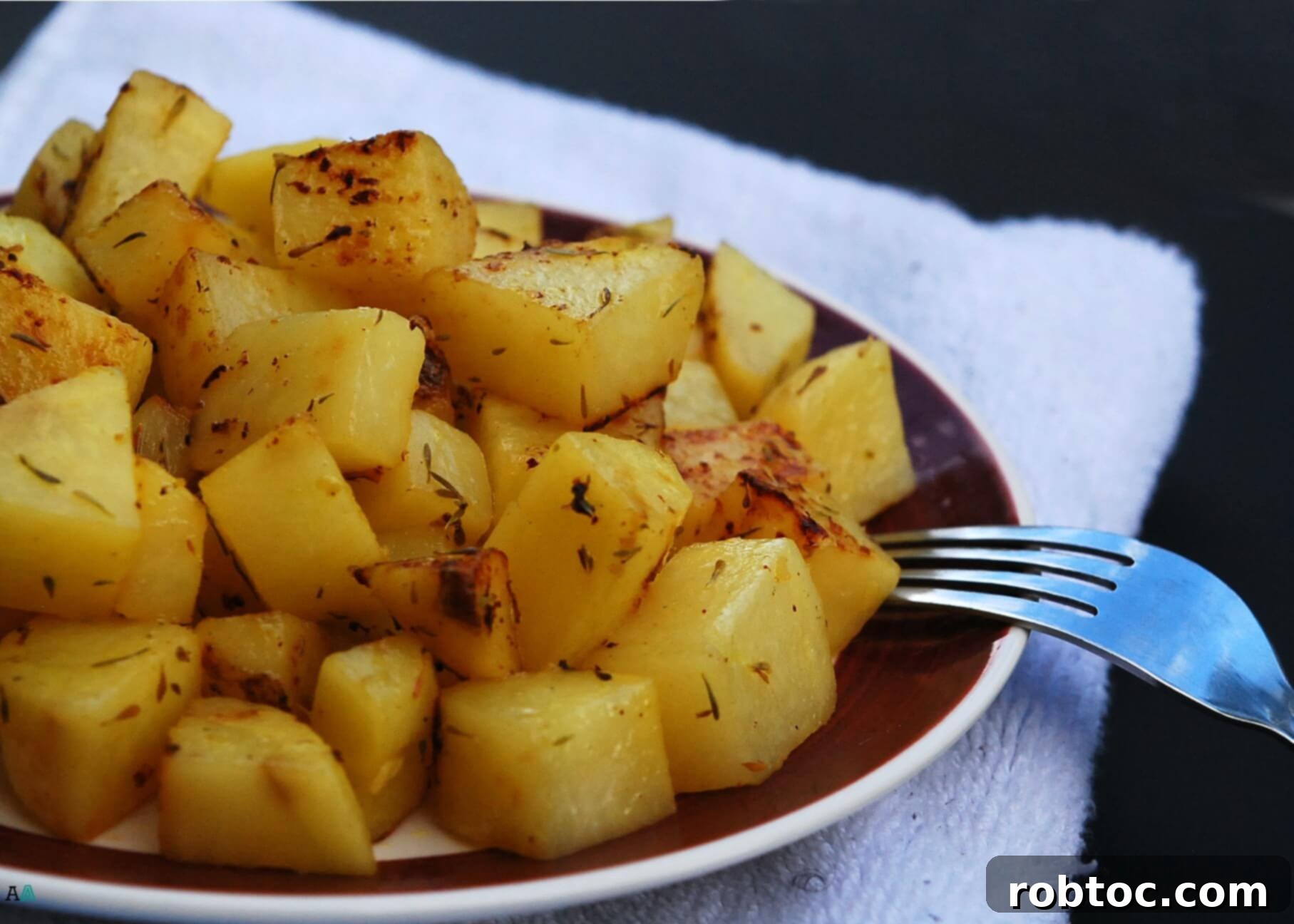
Crispy Greek Roasted Potatoes: An Allergy-Friendly & Vegan-Option Recipe
Can I confess something to you? I’m from Idaho and I don’t really care for potatoes…except for these. Crispy roasted potatoes seasoned with delicious Greek herbs like lemon juice, garlic, thyme, and rosemary. Allergy friendly with a vegan option!
Phew, that feels so much better to have that in the open. As someone hailing from Idaho, the land synonymous with potatoes, you’d expect me to be a connoisseur. Yet, for years, the humble potato and I have had a rather complicated relationship. I simply can’t stand baked potatoes, no matter how many delicious toppings you pile on. Fries are typically a last resort at fast-food joints, and even then, I might only nibble at a few. And potato chips? A complete waste of precious calories, in my opinion – if I’m indulging in junk food, it absolutely *must* involve chocolate! (Though, if you’re curious about which chips are actually safe for gluten-free diets, I’ve put together a guide that explains whether tortilla chips are gluten-free.)
So, for me to genuinely enjoy a potato side dish, it has to be truly extraordinary – either that, or hell has truly frozen over. These Greek roasted potatoes, my friends, are the exception that proves the rule. They are something truly special.
Why These Greek Roasted Potatoes Are a Game Changer
My aversion to potatoes always presented a challenge because both my boys absolutely adore them. I knew I needed to find a potato side dish that I could wholeheartedly get behind, one that would make everyone at the dinner table happy. Thankfully, my search led me to this incredible recipe, and we’ve all lived happily ever after since. This isn’t just another potato dish; it’s a culinary revelation that transformed my potato perspective. The combination of crispy textures and vibrant Mediterranean flavors makes these Greek potatoes an irresistible addition to any meal.
The Magic of Greek Flavors: Lemon, Garlic, Thyme, and Rosemary
What makes these Greek roasted potatoes so uniquely delicious? It’s all in the exquisite blend of fresh, aromatic Greek-inspired flavors. Lemon juice provides a bright, tangy counterpoint to the richness of the potatoes, creating a zesty burst that awakens the palate. Minced garlic infuses every bite with a warm, pungent depth. And then there are the herbs: fragrant thyme, with its subtle floral notes, and robust rosemary, offering an earthy, piney aroma. Together, these ingredients create a symphony of flavors that is both comforting and exhilarating.
Unlike bland baked potatoes or greasy fries, these potatoes are perfectly seasoned, achieving a crispy exterior while remaining tender and fluffy on the inside. The generous amount of herbs and citrus ensures that every piece is packed with flavor, making them far from boring.
Truly Allergy-Friendly: Gluten-Free, Top 8 Free, and Vegan Adaptable
One of the best aspects of this recipe is its incredible versatility and allergy-friendliness. As someone navigating food allergies, finding delicious recipes that cater to various dietary needs can be a challenge. This recipe for Greek roasted potatoes is naturally:
- Gluten-Free: Potatoes are naturally gluten-free, and all the other ingredients typically are too, making this a safe choice for those with celiac disease or gluten sensitivities.
- Top 8 Allergen-Free: With careful ingredient selection, this recipe can easily be made free of the top 8 allergens (milk, eggs, peanuts, tree nuts, soy, wheat, fish, shellfish). The primary ingredient to watch is the bouillon, which we’ll discuss in detail below.
- Vegan Option: By simply swapping chicken broth and chicken bouillon for vegetable broth and vegan vegetable bouillon, this dish transforms into a hearty and flavorful vegan side that doesn’t compromise on taste or texture. This makes it an inclusive option for potlucks, family dinners, or any occasion where diverse dietary needs are present.
This recipe truly embodies the spirit of allergy-awesomeness, proving that delightful food can be enjoyed by everyone, regardless of dietary restrictions.
What You’ll Need: Key Ingredients for Authentic Greek Flavor
Crafting these delectable Greek roasted potatoes requires a handful of simple, high-quality ingredients. Each component plays a crucial role in building the layered flavors and achieving that signature crispy texture.
Choosing the Right Potatoes
The foundation of this dish is, of course, the potatoes. For optimal results, I recommend using 4-5 large russet potatoes. Russets are fantastic for roasting because of their high starch content, which helps them get wonderfully crispy on the outside while remaining light and fluffy on the inside. You can choose to peel them or leave the skin on for extra fiber and rustic appeal – it’s entirely up to your preference.
Essential Flavor Boosters
- ¼ cup chicken broth (or vegetable broth for vegan): This liquid is essential for tenderizing the potatoes and infusing them with savory flavor. For a vegan version, a good quality vegetable broth works perfectly.
- ¼ cup lemon juice: Freshly squeezed lemon juice is non-negotiable! It’s the star of the Greek flavor profile, adding brightness, tang, and helping to tenderize the potato surface for better crisping.
- 2½ tablespoons olive oil (or more if it starts to stick): Olive oil is key for achieving that golden-brown crispness and carrying the herbaceous flavors. Use a good quality extra virgin olive oil for the best taste. Don’t be shy about adding a little more if your potatoes seem dry or prone to sticking.
- 2 cloves garlic, minced: Garlic is fundamental to Greek cuisine. While I suggest adding it towards the end to prevent it from burning, its pungent aroma and flavor are absolutely vital.
The Herbaceous Heart of the Dish
- 2 teaspoons dried thyme (or 2 Tablespoons fresh): Thyme brings a subtle, earthy, and slightly minty note that pairs beautifully with lemon and potato. If using fresh, remember to use a larger quantity as dried herbs are more concentrated.
- 2 teaspoons dried rosemary (or 2 Tablespoons fresh): Rosemary adds a distinctive, piney, and slightly peppery flavor that is characteristic of Mediterranean cooking. Again, adjust quantity if using fresh.
- ½ teaspoon salt: Salt is crucial for seasoning and enhancing all the other flavors. Adjust to taste at the end if necessary.
Bouillon Options for Allergy Needs
The original recipe calls for bouillon, which adds a depth of umami and savory richness. However, finding an allergy-friendly bouillon can be a challenge. I’ve personally found a few options that work well:
- L.B. Jamison’s Soup Base Chicken Flavored: This option (which contains soy) has been a reliable choice for adding that rich chicken flavor.
- Orrington Farm’s: Another excellent bouillon brand that often offers allergy-friendly varieties. Always double-check their labels for your specific needs.
Important Note for Allergies: If you cannot find a bouillon that is safe for your specific allergies, don’t despair! I’ve experimented and found that you can successfully omit the bouillon entirely. In this case, simply increase the chicken broth (or vegetable broth for vegan) to ½ cup. While the flavor might be slightly less intense, it will still be incredibly delicious and as close as you can get to the original without compromising safety. This #unsponsoredlove tip ensures everyone can enjoy these fantastic potatoes!
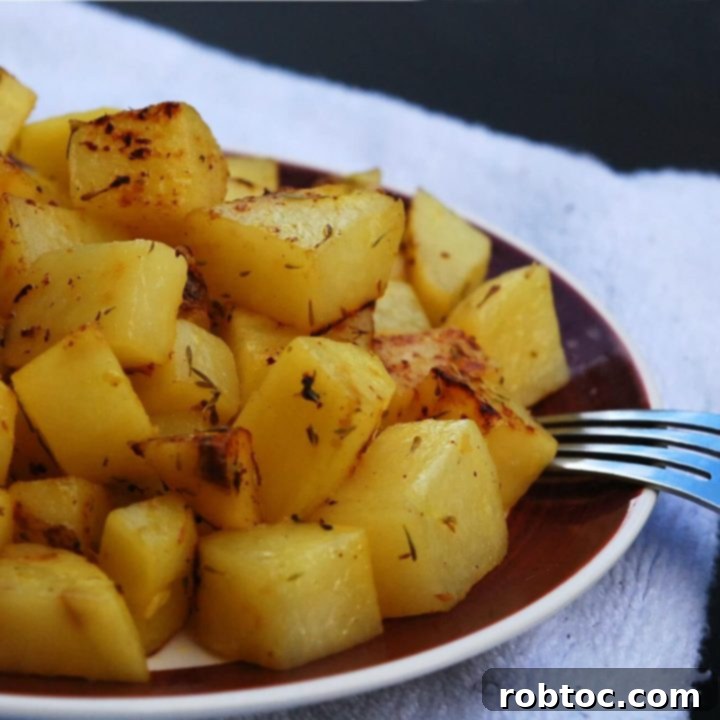
Greek Roasted Potatoes (GF, Top 8 Free, Vegan Option)
4
5 minutes
40 minutes
45 minutes
Crispy roasted potatoes seasoned with delicious Greek herbs like lemon juice, garlic, thyme, and rosemary. Allergy friendly with a vegan option!
Ingredients
- 4-5 large russet potatoes
- ¼ cup chicken broth (or vegetable broth for vegan)
- ¼ cup lemon juice
- 2½ tablespoons olive oil (or more if it starts to stick)
- 2 teaspoons chicken bouillon (for a vegan version, use vegan vegetable bouillon)
- ½ teaspoons salt
- 2 cloves garlic, minced
- 2 teaspoons dried thyme (or 2 Tablespoons fresh)
- 2 teaspoons dried rosemary (or 2 Tablespoons fresh)
Instructions
- Preparation: Preheat your oven to 400 °F (200 °C). Prepare a rimmed non-stick baking sheet. If you don’t have a non-stick pan, line a regular rimmed baking sheet with heavy-duty foil and spray it generously with non-stick spray. This is crucial because these flavorful potatoes have a tendency to stick as they get gloriously crispy towards the end of the roasting process.
- Potato Prep: Wash your russet potatoes thoroughly. You can peel them if you prefer a smoother texture, or leave the skins on for a more rustic look and added fiber. Cut the potatoes into uniform chunks, approximately 1″x3/4″. Consistency in size ensures even cooking.
- Mix the Flavors: In the prepared pan, combine the chicken broth (or vegetable broth for vegan), fresh lemon juice, olive oil, chicken bouillon (or vegan vegetable bouillon, or extra broth if omitting), dried thyme, dried rosemary, and salt. Stir these ingredients together until well combined.
- Coat the Potatoes: Add the potato chunks to the pan with the liquid mixture. Toss them thoroughly to ensure every piece is evenly coated in the delicious Greek seasoning.
- First Bake: Cover the pan tightly with foil. This steams the potatoes initially, helping them become tender before crisping. Bake for 40 minutes.
- Uncover and Add Garlic: Carefully remove the pan from the oven and take off the foil. Give the potatoes a good flip with a spatula to ensure even browning. Now, add the minced garlic. Adding it at this stage prevents it from burning during the initial long bake, ensuring its flavor is fresh and aromatic. Stir again to distribute the garlic evenly amongst the potatoes.
- Second Bake & Crisp: Return the uncovered pan to the oven and bake for another 30-35 minutes. Make sure to stir the potatoes every 10 minutes during this phase. This promotes browning on all sides and prevents sticking. Keep a close eye on them towards the end, as cooking times can vary depending on the exact size of your potato chunks. You’re looking for a beautiful golden-brown color and a crispy texture.
- Rest and Serve: Once the potatoes are crisp to your liking, remove them from the oven and let them sit for about 5 minutes. This brief resting period allows them to firm up slightly. Taste and add additional salt if needed.
- Combine Ingredients: Dump all the prepared potato chunks and all the seasoning ingredients (broth, lemon juice, olive oil, bouillon, thyme, rosemary, salt, and minced garlic) into a large, sturdy skillet.
- Cook and Brown: Turn the heat to medium. Cook the potatoes, stirring frequently, until they are beautifully browned on all sides and fork-tender. The exact cooking time will depend significantly on how thick you cut your potatoes. I tend to cut mine into smaller pieces, as I feel like I get a grey hair every time I have to wait for potatoes to cook! Smaller chunks cook faster and crisp up more readily.
There are two fantastic ways to prepare these Greek roasted potatoes, offering flexibility for your cooking style and schedule. Don’t you just love having options?
Option 1: The Oven Method (Set it and Forget it, mostly!)
This method is perfect when you need to free up your stovetop or prefer a more hands-off approach to cooking.
Note for Oven Method: While this method is fantastic for “setting and forgetting,” especially when other burners are in use, I’ve found that potatoes can be more prone to sticking this way. Using a truly non-stick pan or generously oiled heavy-duty foil helps mitigate this.
Option 2: The Skillet Method (Hands-On for Maximum Crispness!)
This is my personal preferred method for these Greek roasted potatoes. It allows for more control over browning and minimizes sticking, resulting in consistently crispy potatoes.
Why I Prefer Option Two: I find that the skillet method prevents sticking far better than the oven method. The continuous stirring and direct heat ensure that all sides of the potato chunks make contact with the hot surface, leading to an even, irresistible crispness. However, if your large burners are occupied with other components of dinner, the oven option is a perfectly viable and delicious alternative.
Notes
This fantastic recipe was adapted from Texanerin, a wonderful source for delicious and often allergy-friendly recipes.
I initially found this recipe a long time ago and thought we couldn’t enjoy it because I struggled to find a chicken bouillon that was safe for my son’s specific allergies. After much searching, I finally discovered L.B. Jamison’s Soup Base Chicken Flavored (please note, this product contains soy) and Orrington Farm’s, which offered suitable options for our needs. However, if you’re in a similar situation and can’t find a bouillon that works for your specific dietary requirements, I’ve found a great workaround:
You can successfully omit the bouillon and simply increase the chicken broth (or vegetable broth for a vegan version) to 1/2 cup. While this yields a slightly less intense flavor, it’s remarkably close and still absolutely delicious, ensuring that these wonderful Greek roasted potatoes remain allergy-friendly for everyone. #unsponsoredlove for sharing these helpful tips!
Nutrition Information:
Yield: 4
Serving Size: 1
Amount Per Serving:
Calories: 449Total Fat: 9gSaturated Fat: 1gTrans Fat: 0gUnsaturated Fat: 7gCholesterol: 0mgSodium: 618mgCarbohydrates: 82gFiber: 9gSugar: 5gProtein: 10g
Tips for Perfectly Crispy Greek Potatoes Every Time
Achieving that coveted golden-brown, crispy exterior with a tender interior is the goal. Here are a few extra tips to ensure your Greek roasted potatoes are absolute perfection, no matter which cooking method you choose:
- Don’t Overcrowd the Pan: Whether in the oven or skillet, give your potatoes space. If they are too packed, they will steam instead of roast or fry, preventing them from getting crispy. Use two pans if necessary for the oven method, or cook in batches in the skillet.
- Consistent Potato Size: Cut your potato chunks as uniformly as possible. This ensures they all cook at the same rate, preventing some from being undercooked while others are perfectly crisp.
- Preheat Thoroughly: Always ensure your oven is fully preheated to 400°F (200°C) before adding the potatoes. A hot oven is essential for immediate crisping. For the skillet, ensure the oil is shimmering before adding potatoes.
- Flip and Stir: Regular flipping and stirring are vital, especially in the oven. This exposes all sides of the potatoes to the direct heat, encouraging even browning and crisping.
- Adjust to Your Oven/Stovetop: Every oven and stovetop is different. Keep a close eye on your potatoes, especially towards the end of the cooking time. They might need a few more minutes or less depending on your equipment.
- Don’t Skimp on Olive Oil: Olive oil is not just for flavor; it’s key for browning and crisping. If your potatoes look dry, add a little more.
- Fresh Herbs vs. Dried: While the recipe provides measurements for both, fresh herbs will always offer a more vibrant and intense flavor. If you have fresh thyme and rosemary available, I highly recommend using them.
Serving Suggestions for Your Delicious Greek Potatoes
These crispy Greek roasted potatoes are incredibly versatile and can accompany a wide array of main dishes. Their bright, savory, and herbaceous flavors make them a perfect complement to many cuisines.
- Mediterranean Mains: Pair them with grilled chicken, lamb skewers (souvlaki), baked fish, or even a simple lemon-herb salmon. They are a natural fit for any Greek or Mediterranean-inspired meal.
- Everyday Dinners: They elevate a weeknight roast chicken, pork tenderloin, or even a hearty vegetarian lentil loaf.
- Breakfast or Brunch: Yes, seriously! Leftover Greek potatoes are fantastic reheated and served alongside scrambled eggs, a frittata, or a tofu scramble for a flavorful breakfast.
- Salad Topping: Add cooled leftover potatoes to a large Greek salad for a satisfying and substantial meal.
- Simple Vegetarian Meal: Serve them with a side of steamed green beans or a fresh cucumber-tomato salad with a light vinaigrette for a delicious and complete vegetarian lunch or dinner.
Make-Ahead and Storage Tips
While these Greek roasted potatoes are best enjoyed fresh out of the oven or skillet when they’re at their crispiest, you can certainly prepare them ahead or store leftovers.
- Make-Ahead Prep: You can wash, peel, and cut the potatoes ahead of time. Store them in an airtight container submerged in cold water in the refrigerator for up to 24 hours. Drain and pat them thoroughly dry before cooking. You can also pre-mix the herb and liquid ingredients (excluding garlic if using the oven method) and store separately.
- Storing Leftovers: Any leftover roasted potatoes can be stored in an airtight container in the refrigerator for up to 3-4 days.
- Reheating: To bring back some of their crispness, reheat the potatoes in a hot oven (around 375°F / 190°C) for 10-15 minutes, or in a skillet over medium-high heat until warmed through and re-crisped. Microwaving is an option for quick reheating, but it will make them soft rather than crispy.
Frequently Asked Questions (FAQ)
- Can I use other types of potatoes?
- While russets are ideal for crisping, you can use other starchy potatoes like Yukon Golds or even red potatoes. Keep in mind that waxy potatoes might not achieve the same level of crispness.
- Is fresh lemon juice essential, or can I use bottled?
- Fresh lemon juice is highly recommended for the best flavor. Bottled lemon juice can work in a pinch, but fresh provides a brighter, more authentic Greek taste.
- Can I add other herbs?
- Absolutely! Oregano is another classic Greek herb that would be a fantastic addition. You could also experiment with a pinch of dill or parsley, though thyme and rosemary are the traditional stars here.
- My potatoes aren’t getting crispy, what am I doing wrong?
- Common culprits for soggy potatoes include overcrowding the pan, not using enough oil, or not cooking them at a high enough temperature. Ensure even spacing, generous oil, and consistent heat, stirring as directed.
- Can I make a larger batch for a crowd?
- Yes! Just ensure you don’t overcrowd your baking sheets or skillet. It’s better to use multiple pans in the oven or cook in batches on the stovetop to allow the potatoes enough space to crisp up.
I genuinely hope these crispy Greek roasted potatoes become a staple in your home, just as they have in ours. They’re a testament to how simple ingredients, when combined thoughtfully, can create truly unforgettable flavors – and even convert a potato skeptic like me! Enjoy every zesty, herbaceous bite!