How to Donate Allergy-Friendly Foods to Food Banks This Holiday Season: A Comprehensive Guide
With food allergies now affecting an estimated 1 in 13 children, this prevalent health concern transcends all boundaries – showing no respect for ethnic background, social status, or geographic location. Food allergies impact families from every walk of life, from the affluent to those struggling to make ends meet. Unfortunately, for individuals and families managing these dietary restrictions, the simple act of finding safe, allergy-friendly food at a local food bank can be an incredibly daunting and often disheartening challenge. This holiday season, as we embrace the spirit of giving, I want to share an expanded list of essential allergy-friendly staples you can thoughtfully donate to your local food bank, helping to nourish and support hungry families with specific dietary needs.
*This post contains affiliate links*
When we consider donating food, our minds often turn to clearing out our own pantries, perhaps contributing items we no longer need, or purchasing common staples like milk, eggs, and flour. However, a significant challenge arises from the fact that many processed and packaged foods – precisely the types that boast long shelf lives and are most frequently requested by food banks – often contain one or more of the “Top 8” allergens. These eight foods are responsible for approximately 90% of all food allergic reactions, hence their critical classification. The notorious “Top 8” include: wheat, dairy, eggs, soy, fish, shellfish, peanuts, and tree nuts.
Imagine being a family already grappling with financial hardship, relying on a food bank to put meals on the table. Now, compound that struggle with the constant anxiety of a child’s severe food allergy. The task of sifting through donations, meticulously checking labels for hidden allergens, and often coming up empty-handed, adds an immense layer of stress and difficulty. This makes finding truly safe food options for an allergic family incredibly tough, transforming what should be a source of relief into another source of concern.
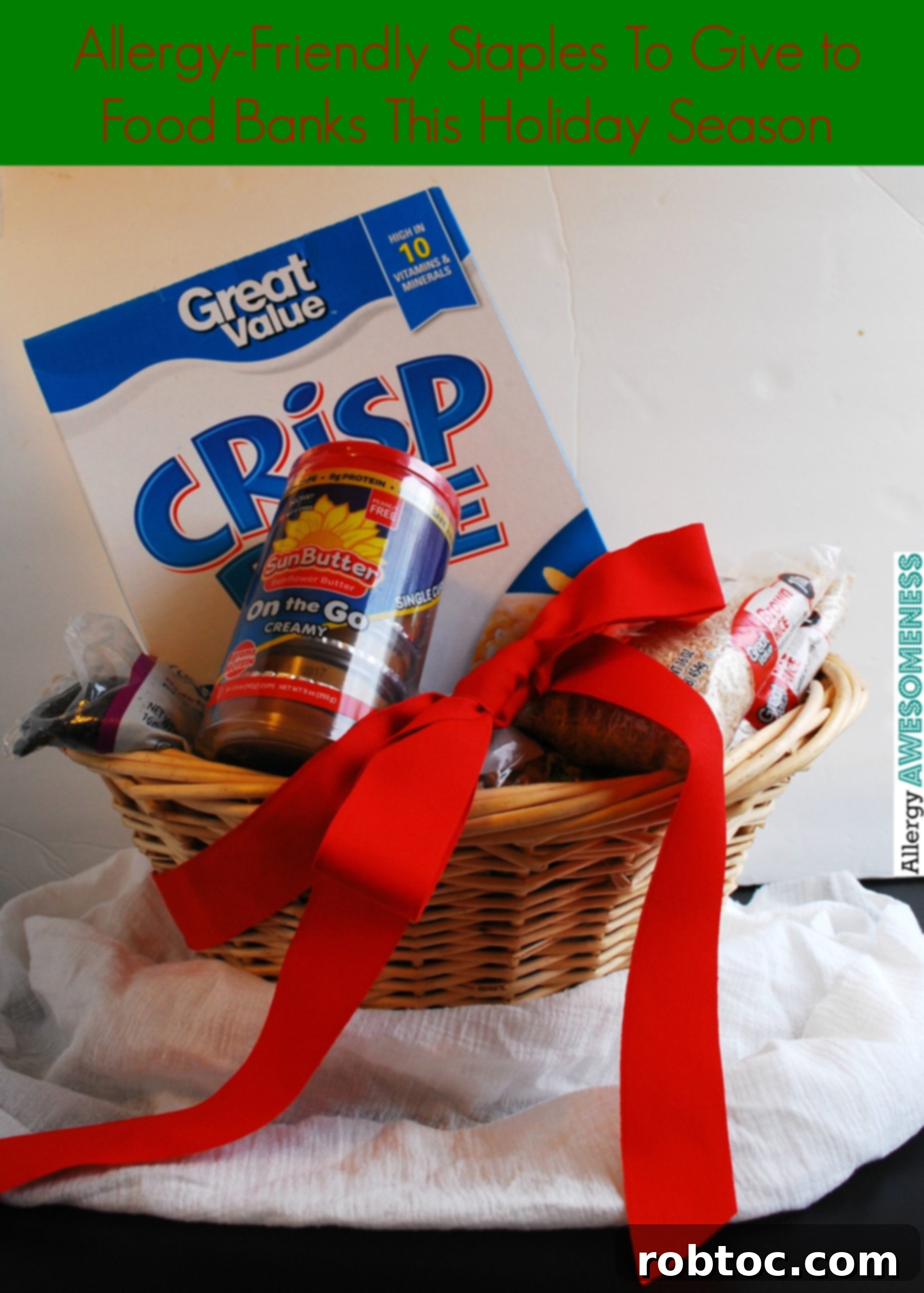
The holiday season, for me, is always defined by the spirit of Christmas, which is most beautifully expressed through acts of service and giving to others. Sometimes, we might feel compelled to undertake a grand, large-scale charitable endeavor, thinking that only immense contributions can make a real difference. But I firmly believe in the power of small, thoughtful gestures. I wanted to demonstrate just how easy and affordable it can be to make a meaningful impact. The basket of allergy-friendly goods I assembled for donation probably cost around $15. Of course, I wished I could have donated crates full of food, and you bet I would if I could! However, do I believe every little bit helps? That’s a resounding YES. Each conscious choice to provide safe food options sends a message of care and inclusivity.
To gather my donations, I went through my pantry and food storage, selecting items I knew would be genuinely helpful to a family managing food allergies. I understand that not everyone’s pantry is stocked exactly like mine, so I’m going to provide you with a comprehensive list of ideas, along with some critical tips to ensure your donations are truly safe and beneficial.
Understanding Food Labels: Your Most Important Tool for Allergy-Friendly Giving
OVERALL TIP: This cannot be stressed enough: Be absolutely sure to read labels meticulously! The ingredient list is only the first step. You must also look for any precautionary statements that may appear immediately after the ingredients list, or sometimes a few spaces below it. Phrases like: “May contain XXXX,” “Processed in a facility that also processes XXX,” “Manufactured on shared equipment with XXX,” or “Produced in a factory that handles XXX” are critical warnings. If you see any such statement for a common allergen (like peanuts, tree nuts, dairy, wheat, soy, eggs, fish, or shellfish), then that product is a definite “no-go” for most food allergy families. These warnings indicate a risk of cross-contamination, which can be just as dangerous as direct ingredient exposure for someone with a severe allergy. For instance, consider canned black beans, which seem like a perfect food pantry staple. However, due to the sheer volume and variety of products processed in large facilities, a brand like Wal-Mart’s generic canned goods might carry a warning about processing on shared lines with common allergens. In such cases, despite the simple ingredients, we must steer clear. This is why I personally prefer dried beans, which are naturally free from these cross-contamination risks, or I opt for trusted brands that specifically state they do not have such warnings, or are produced in dedicated allergen-free facilities, such as S&W or Bush’s beans.
Essential Allergy-Friendly Foods You Can Donate to Food Banks
Choosing safe and appropriate items for donation requires a bit more thought, but it makes a world of difference. Here’s a comprehensive list of typically safe foods you could consider donating, keeping the “read labels” rule firmly in mind:
Naturally Allergen-Free Grains and Legumes:
- Rice: An incredibly versatile and naturally gluten-free staple. White, brown, instant, or regular rice are all excellent choices. Brown rice offers more fiber and nutrients. Rice can be used as a side dish, a base for stir-fries, or in casseroles, making it a valuable addition for any family.
- Beans & Lentils: These are powerhouses of protein and fiber, naturally free of common allergens. Black, pinto, kidney, chickpeas (garbanzo beans), northern beans, split peas, and various lentils are all fantastic varieties. Dried beans are the safest option regarding cross-contamination. If choosing canned beans, remember to double-check labels for any “may contain” warnings, as discussed above. They are incredibly versatile for stews, soups, chili, and salads.
- Quinoa: A complete protein and naturally gluten-free grain. While often more expensive, it’s a highly nutritious option if you find it on sale.
- Gluten-Free Pasta: Look for pasta made from rice, corn, or quinoa. This is a fantastic alternative for families with wheat or gluten allergies, allowing them to enjoy familiar meals. Always verify the “gluten-free” certification and check for other allergen statements.
Safe Protein Sources:
- Canned Chicken or Tuna: Excellent sources of lean protein that are shelf-stable. They can be added to salads, casseroles, or made into sandwiches (if safe bread is available). Be sure to check labels for any added ingredients that might contain allergens, such as broths or flavorings.
- SunButter (Sunflower Seed Butter): This is an outstanding alternative to traditional peanut butter for those with severe nut allergies. It offers a similar texture and nutritional profile and can be used in sandwiches, with fruit, or in recipes. Ensure it’s clearly labeled as peanut and tree nut-free.
- Seeds (Pumpkin, Sunflower): Small packages of roasted seeds (unsalted or lightly salted) can provide healthy fats and protein, and are generally safe for those avoiding nuts.
Fruits & Vegetables:
- Fresh Fruits and Vegetables: These are naturally allergy-free and provide essential vitamins and nutrients! Think sturdy items like potatoes, onions, carrots, apples, and oranges, which store well for a short period. If your food bank accepts fresh produce, this is an incredibly valuable donation.
- Canned Fruits and Vegetables: These are excellent shelf-stable options. Choose fruits canned in water or light syrup, and vegetables with no added cream sauces or cheese. Always refer to the “Overall Tip” above regarding label reading, as some brands might have cross-contamination warnings. Varieties like canned corn, green beans, peas, diced tomatoes, and peaches are typically good choices.
- Applesauce: Individual cups or larger jars of unsweetened or lightly sweetened applesauce are a great snack or side dish, naturally free of common allergens.
- Potatoes: Both fresh potatoes (white, russet, sweet) and instant mashed potato flakes are generally safe and versatile staples.
Allergy-Friendly Snacks and Meal Components:
- Rice Chex or Rice Krispies: These cereals, and their generic counterparts, are often safe alternatives. While Rice Krispies traditionally contain malt flavoring which includes gluten, many brands now offer gluten-free versions. For simplicity, if focusing strictly on the Top 8 (excluding gluten as a separate concern from wheat allergy), these can be good options. However, for those with celiac disease or severe gluten intolerance, always opt for certified gluten-free varieties.
- Thai Kitchen Noodle Soup: This is a fantastic example of a more complete, allergy-friendly meal option, similar to ramen noodles but specifically formulated to be free of many common allergens. It provides a warm, comforting, and quick meal solution.
- Oils: Vegetable oil, olive oil, or canola oil are essential cooking staples and are naturally allergen-free.
- Spices and Herbs: Often overlooked, but basic spices like salt, pepper, garlic powder, onion powder, and chili powder can transform simple ingredients into flavorful meals, greatly enhancing the palatability of donated foods.
- Shelf-Stable Milk Alternatives: Options like rice milk, oat milk, or soy milk (if soy is not an allergen) in aseptic cartons can be valuable for families who avoid dairy. Again, vigilant label reading is a must.
I sincerely hope this comprehensive list sparks your creative juices and empowers you to make impactful, informed donations!
Making Charitable Giving a Family Affair
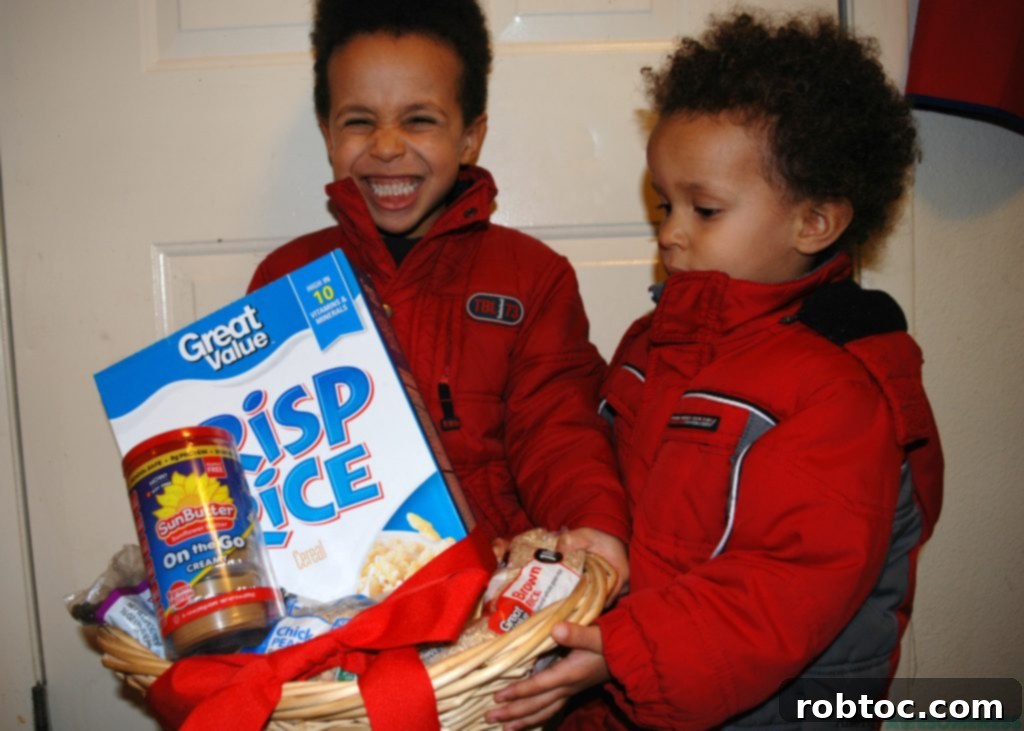
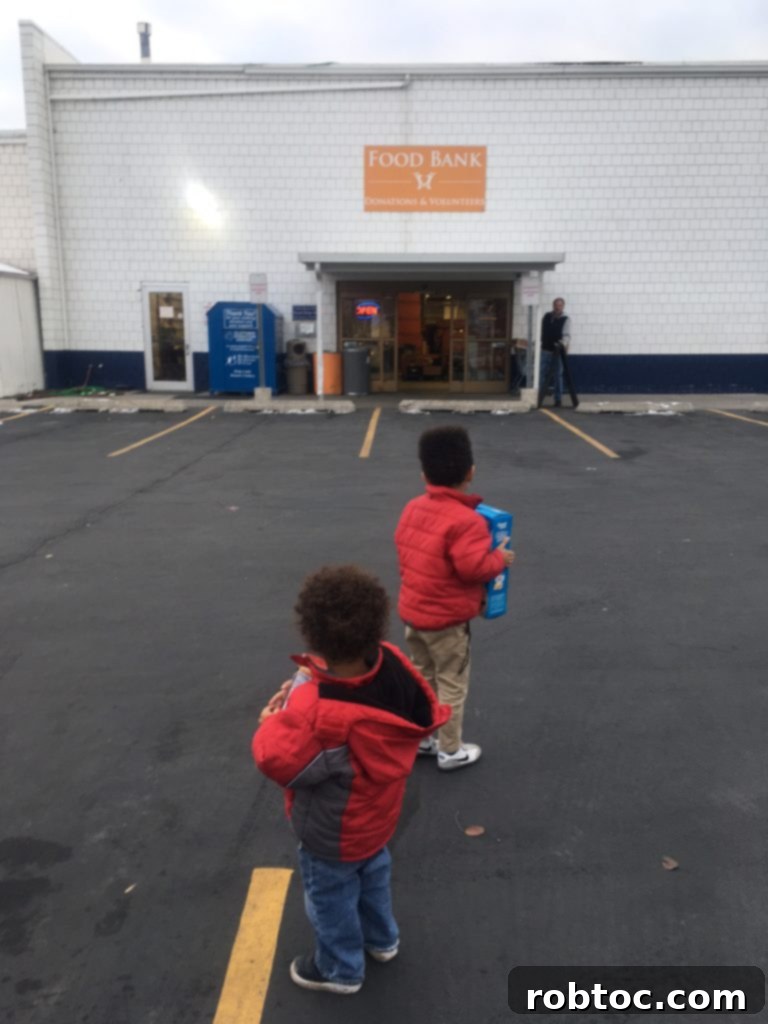
Beyond the tangible items, consider making your donation a family affair. This can transform a simple errand into a powerful learning experience. My boys and I had a meaningful discussion beforehand about why we were choosing these particular items and who they were intended to help. They then eagerly helped carry the food inside the food bank and placed it into the designated bins. A wonderful worker at the food bank took the time to explain to them just how incredibly helpful their thoughtful donation would be to families in need. On the way home, we reflected on how we felt, and I modeled how it brought me a profound sense of goodness and joy knowing we were making a real difference in other people’s lives. This shared experience instilled in them the true meaning of compassion and community support.
It was more than just an errand; it was a truly enriching family outing, one where I could genuinely feel the profound spirit of Christmas. While my “ideal” Christmas list would certainly include a new car (ours is quite literally about to give up the ghost!) and, of course, a cure for food allergies and on… and on… I also realize, with deep gratitude, that I never have to go to bed hungry. I am incredibly fortunate to be able to feed my children three nutritious meals a day (plus a million snacks, it seems!), and for that immense blessing, I feel a strong responsibility to give back and express my gratitude through service.

Inspired to Serve: The #LightTheWorld Initiative
What truly ignited my inspiration for this particular act of giving was the remarkable #LightTheWorld initiative. Have you had the chance to experience it? It is, simply put, a profound tear-jerker! I was incredibly fortunate to preview it a few months ago alongside other bloggers, and I was deeply touched by its authentic portrayal of Christian values and selfless service.
I absolutely love how this initiative provides us with tangible, actionable ways to emulate Christ’s compassion and service in our modern world. Presented in a beautiful advent calendar format, it features 25 days, with each day suggesting a specific act of service you can perform. This concept resonates deeply with me. As I was looking ahead in the calendar, I noticed that in just TWO DAYS (we’re currently on Day 5), the suggested service is “Jesus Fed the Hungry, and so Can You.” This particular theme perfectly aligns with the importance of nourishing others, especially those facing unique challenges like food allergies. Click here to see the entire calendar, filled with fabulously charitable and inspiring ideas.

A Call to Compassionate Action This Season
This Christmas season, I challenge us all to look beyond ourselves, to extend our gaze and our hearts outwards. Let’s give a little more generously, both of our resources and our time. Let’s make a conscious effort to think of others who are different from us – those who navigate the world with unique challenges, such as severe food allergies or other medical conditions that necessitate a different approach to eating. Let us embrace them with understanding, empathy, and love. Your thoughtful, allergy-friendly donation is more than just food; it’s a message that they are seen, cared for, and included.
I sincerely pray that we can all experience a truly wonderful, safe, and meaningful Christmas season, filled with peace and the joy of giving. From my family to yours, Merry Christmas! And stay tuned – I’ve got some fun, new allergy-friendly Christmas recipes coming up soon that you won’t want to miss!