The Ultimate Guide to Dairy-Free Marshmallows: Brands, Ingredients, & Allergy-Friendly Choices
Navigating dietary restrictions, especially food allergies, can feel like a constant quest for accurate information. When it comes to sweet treats, marshmallows are often a go-to, but for those avoiding dairy or other common allergens, questions quickly arise about their ingredients. This comprehensive guide is your one-stop resource, gathering all the essential information about the biggest marshmallow brands in one convenient place. No more switching from site to site; discover what’s in all the popular brands, identify potential allergens like dairy, and make confident, informed decisions for your dietary needs.
This post contains affiliate links.
What Are Marshmallows?
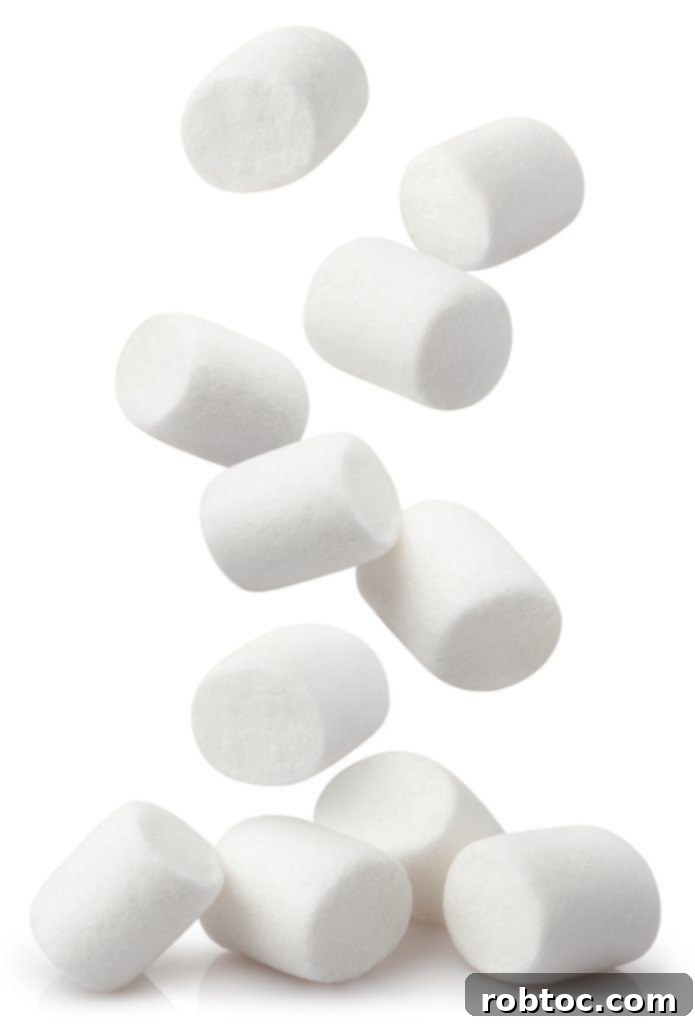
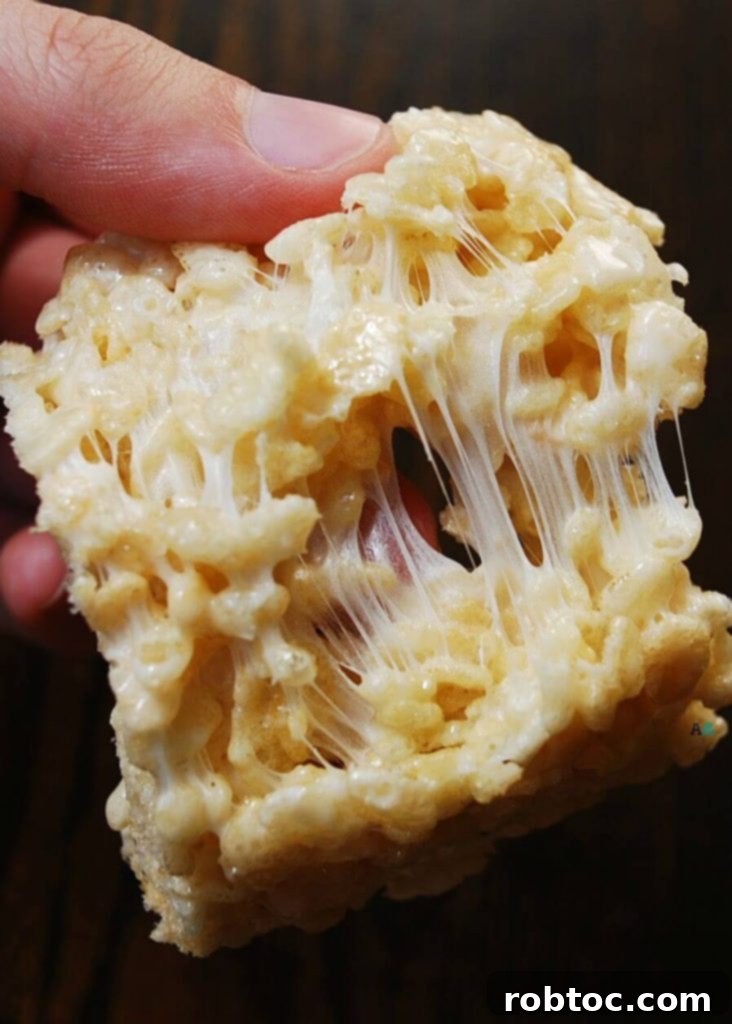
Marshmallows are those delightful, pillowy confections that resemble little white clouds, bringing joy to countless desserts and snacks. Their texture is famously soft yet chewy, a quality largely attributed to gelatin, which gives them their unique bounce. Primarily composed of sugar, corn syrup, and gelatin, they offer a sweet and satisfying experience. These versatile treats aren’t just for eating straight out of the bag; they’re indispensable for classic American desserts like s’mores and crispy rice treats. When melted, marshmallows transform into a gooey, sticky wonder, perfect for binding ingredients or adding a sweet, caramelized topping. Whether enjoyed by a campfire, floating in a mug of hot cocoa, or baked into your favorite desserts, marshmallows are a beloved candy, much like other sweet snacks you might find on a list of gluten-free candy. Their timeless appeal ensures they’ll be a cherished indulgence for many.
Why This Dairy-Free Marshmallow List Was Created
As a dedicated food blogger for individuals managing food allergies and dietary restrictions, one question consistently arises in my community: “Are marshmallows dairy-free?” And, thankfully, for most brands, the answer is a resounding yes! Marshmallows hold a special place in many hearts, often considered “America’s Sweetheart” of confections. They’re a much-loved sweet treat enjoyed on their own, paired with ice cream, mixed into crispy rice cereals, or incorporated into a myriad of other desserts.
To provide a definitive answer and alleviate the need for endless online searches, I undertook extensive research, meticulously examining the ingredient lists of the biggest and most popular marshmallow brands. My goal was to create a single, reliable hub where you can quickly compare brand against brand, side-by-side, without the frustrating process of navigating multiple websites. This guide covers regular marshmallows, some specialty varieties, and offers a wealth of additional information designed to transform you into a true marshmallow connoisseur.
Finally, to help you make the most of your newfound dairy-free marshmallow knowledge, I’ve included a selection of delicious dairy-free recipes where these fluffy delights can shine! (Though, let’s be honest, eating them plain out of the bag is a perfectly acceptable and enjoyable activity too!)
**As with all food allergy matters: Always read the actual product label once you have it in hand. Ingredient formulations can change without notice, and while I strive for accuracy at the time of publishing, only you can ensure your safety. This guide is a helpful resource, but your personal vigilance and adherence to your specific dietary requirements are paramount.**
How the Marshmallow Ingredient Comparison Chart Was Assembled
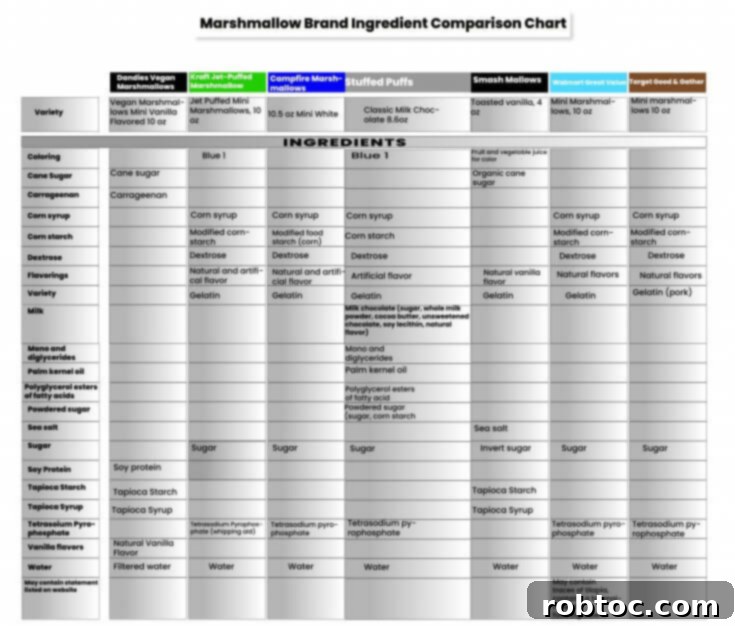
To ensure maximum readability and ease of comparison, I’ve meticulously compiled all possible ingredients and listed them alphabetically on the left side of our comparison chart. This method allows for quick scanning and direct comparison between different brands. It’s important to note that on actual product labels, ingredients are typically listed in descending order of predominance (from most used to least used). However, for the purpose of cross-referencing and identifying specific components like potential allergens, an alphabetical arrangement proves far more user-friendly. This methodical approach ensures clarity and simplifies the complex task of comparing various brands’ offerings, empowering you to make informed decisions effortlessly.
What Marshmallow Brands Were Compared?
In our comprehensive marshmallow comparison (you can view the detailed chart below, or access it directly in a spreadsheet here), I focused on the most popular and widely available brands that you can easily find in major grocery stores, big box retailers, or online marketplaces like Amazon. These brands represent the most common choices for consumers across the country:
- Dandies: Known for their vegan and allergy-friendly profile, Dandies are a popular choice for those avoiding animal products.
- Kraft: A classic and ubiquitous brand, Kraft marshmallows are a staple in many households, often found in traditional recipes.
- Campfire: Another long-standing and well-recognized brand, Campfire marshmallows are frequently used for s’mores and other campfire treats.
- Stuffed Puffs: A newer, innovative brand that offers marshmallows pre-filled with chocolate, simplifying the s’mores experience.
- Smash Mallows: Positioned as a gourmet marshmallow option, Smash Mallows often feature unique flavors and a focus on natural ingredients.
- Great Value (Walmart): Walmart’s private label brand, offering an affordable option for everyday needs.
- Good and Gather (Target): Target’s private label brand, emphasizing quality ingredients and often featuring natural claims.
It’s important to note that I did not include marshmallows from Aldi or Trader Joe’s in this comparison. This decision was primarily due to the difficulty in verifying ingredient information on their official websites, as these retailers often do not list individual product ingredients online in the same comprehensive manner as Target and Walmart. Additionally, as I reside in an area without direct access to these stores, personal verification of labels was not feasible. If you happen to purchase marshmallows from either of these stores, please consider sharing the product date and ingredient list in the comments section below to assist other readers, especially if there are new brands or changes since the publication of this guide. For this article, I also focused exclusively on original, unflavored marshmallows, as they represent the most common and sought-after varieties for general use.
What Are the Common Ingredients in Marshmallows?
While each manufacturer boasts its unique recipe and ingredient blend, certain core components consistently appear in traditional marshmallows, contributing to their signature taste and texture. Understanding these common ingredients can help you better scrutinize labels:
- Corn syrup/Sugar/Cane Sugar or Other Sweeteners: These are the primary sources of sweetness and play a crucial role in the marshmallow’s structure and chewy consistency. Different brands may use variations like high-fructose corn syrup, organic cane sugar, or tapioca syrup.
- Corn Starch: Often used as a dusting agent to prevent marshmallows from sticking together, corn starch can also contribute to the interior texture and stability of the product.
- Natural Flavors or Artificial Flavors: These are added to enhance the overall taste profile, typically providing that classic vanilla or “marshmallow” flavor.
- Gelatin: This animal-derived protein is arguably the most critical ingredient for traditional marshmallows. It’s responsible for their distinctive elastic, bouncy, and chewy texture, and it’s also the reason why most marshmallows are not vegan.
- Tapioca Starch: An alternative to corn starch, tapioca starch can be used for dusting or as a texturizer, particularly in brands that aim for a corn-free product.
- Tapioca Syrup: A popular alternative sweetener to corn syrup, often found in “cleaner label” or specialty marshmallows.
- Vanilla Extract: A common flavoring agent that contributes to the sweet and comforting aroma of marshmallows.
- Whipping Aids (e.g., Tetrasodium Pyrophosphate): These ingredients help create and stabilize the foamy, airy structure of marshmallows during production, giving them their light and fluffy consistency.
- Water: Essential for dissolving sugars and creating the initial syrup mixture before whipping.
Brand-Specific Marketing Claims
Understanding marketing claims can be both helpful and, at times, misleading. While these call-outs can draw attention to certain features, it’s always crucial to verify against the actual ingredient list. Here’s a summary of what some of the major marshmallow brands highlight about their products:
- Dandies: Their website proudly claims “no artificial flavors, artificial color, no corn syrup, no gelatin, no gluten, no dairy and are vegan.” This makes them a standout choice for those with multiple dietary restrictions.
- Kraft Marshmallows: I did not observe any specific specialty diet claims or prominent marketing call-outs on their site, indicating they market their product as a traditional marshmallow.
- Campfire Marshmallows: They market their marshmallows as “top 8 free” (meaning free from the eight most common allergens: milk, eggs, peanuts, tree nuts, soy, wheat, fish, and shellfish), “no artificial colors,” and “gluten-free.” This is a significant advantage for many allergy sufferers.
- Stuffed Puffs Marshmallows: While their site didn’t feature general specialty diet claims, their unique selling point is marshmallows “stuffed with chocolate inside.” This is important to note, as the chocolate filling typically contains dairy, making Stuffed Puffs the only brand I encountered that was NOT dairy-free.
- Smash Mallows: Smash Mallow’s website emphasizes a premium profile, stating their products are “gluten-free, non-GMO, use organic cane sugar, no corn syrup, no artificial color or flavoring, no preservatives, and kosher certified.”
- Great Value’s Marshmallows (Walmart): I did not find any specific marketing call-outs related to dietary restrictions on their site, similar to Kraft.
- Good and Gather Marshmallows (Target): The packaging for these marshmallows indicates “no artificial flavors, color, and is gluten-free,” appealing to consumers seeking simpler ingredients and gluten-free options.
What If Marshmallow Packages Don’t Specifically Call Out “Gluten-Free” or “Dairy-Free”?
For those navigating food allergies, understanding food labeling regulations is crucial. If you’re familiar with FALCPA (the Food Allergen Labeling and Consumer Protection Act of 2004), you’ll know that companies are *not* legally required to prominently display “gluten-free” or “dairy-free” claims on the front of packages. These types of call-outs are primarily for marketing purposes, designed to capture consumer attention and highlight specific product attributes.
Every individual has a different comfort level when it comes to purchasing food for allergies. Some people prefer to only buy products that bear a certified “gluten-free” or “dairy-free” logo, or those that explicitly state their dietary compatibility on the packaging. This is a perfectly valid and understandable approach. However, many, including myself, prefer to rely on the actual ingredient list, as this is the part of the label that is legally regulated for allergen declarations. This distinction is especially important with the increasing use of terms like “vegan,” which can sometimes refer to food-engineered products that might still contain other allergens. Therefore, if the ingredient list does not contain any dairy ingredients (or its many derivatives), I personally feel safe to consume it.
Another important consideration is cross-contamination, where allergens might be present due to shared manufacturing equipment. While FALCPA covers *ingredients*, “may contain” statements for cross-contamination are voluntary. If I’m ever in doubt about the presence of an allergen, including potential cross-contamination risks, my safest course of action is to call the 1-800 customer service number provided on the product label. Company operators are accustomed to these types of inquiries and should be able to provide accurate and specific information regarding their manufacturing processes and allergen protocols.
It’s possible some individuals might disagree with my approach, arguing that if a product doesn’t explicitly state “dairy-free,” it should be avoided. This is ultimately a personal choice, and respecting individual comfort levels is paramount. My aim is to provide comprehensive information so you can make the decision that feels safest for *your* specific circumstances.
If you have verifiable updated information about any of the products listed, please share it in the comments. I only allow comments that can be substantiated with a link to a reliable source, such as a company website or an official product statement. It’s crucial to avoid spreading unsubstantiated rumors, as finding safe products for allergies is challenging enough without options shrinking due to misinformation.
Do Marshmallows Contain Egg Whites?
For those seeking store-bought dairy-free marshmallows who also need to avoid eggs, you can generally put your worries aside. The good news is that, based on my research, I did not find egg listed as an ingredient in any of the commercially available, store-bought marshmallow varieties included in the comparison chart. Egg whites are typically found in specific marshmallow products such as marshmallow cream (also known as marshmallow creme), which has a softer, spreadable consistency, as well as in homemade marshmallows and homemade marshmallow frostings, where they contribute to aeration and stability. So, for your standard bag of fluffy marshmallows, you are very likely in the clear regarding eggs.
Are Marshmallows Vegan?
For individuals following a vegan diet, traditional marshmallows present a significant hurdle due to a key ingredient: gelatin. Unfortunately, most commercially produced marshmallows are not vegan because they contain gelatin, which is an animal-derived product. According to Brittanica.com, “Gelatin is made from decaying animal hides, boiled crushed bones, and the connective tissues of cattle and pigs. Animal bones, skins, and tissues are obtained from slaughterhouses.” Understanding its origin can certainly make one rethink their marshmallow consumption. This animal-derived protein is what gives marshmallows their signature bouncy, chewy texture, making it difficult to replace in conventional recipes.
Currently, the most prominent and widely available vegan marshmallow brand I’ve identified is Dandies. Dandies ingeniously substitutes gelatin with soy protein, offering a cruelty-free alternative that still delivers on texture. However, this substitution introduces a new challenge: some vegans also have a soy allergy. It seems, for now, that this is the primary trade-off for store-bought vegan marshmallows. For those who need both vegan and soy-free options, homemade vegan marshmallow recipes are often the best route. Many online recipes utilize an aquafaba mixture (the viscous liquid found in canned chickpeas or garbanzo beans) as a fantastic plant-based alternative. Aquafaba can be whipped much like egg whites and effectively replaces both gelatin and egg whites, allowing for delicious homemade vegan marshmallows that cater to various dietary needs.
Delicious Dairy-Free Recipes That Use Marshmallows
Now that you’re well-versed in which marshmallow brands are dairy-free, it’s time to put that knowledge to good use! Elevate your dessert game with these fantastic dairy-free recipes designed to satisfy any sweet tooth. A bonus: all of my recipes are also gluten-free, a necessary adaptation due to my son’s dairy and wheat allergies. If your dietary needs only require dairy-free options, feel free to substitute regular cereal or all-purpose flour in a 1:1 ratio. Get ready to enjoy some truly amazing treats!
- Dairy Free Rice Krispies (A timeless, crispy-chewy treat that’s a crowd favorite for any occasion!)
- No Bake Dairy Free S’mores Parfait (All the classic s’mores flavor without the campfire, layered into a delightful dessert!)
- Dairy-Free Fudge (Rich, creamy, and decadent fudge that’s surprisingly easy to make and completely dairy-free.)
- Dairy-Free Snickerdoodle Rice Krispies (A fun twist on the classic treat, infused with cinnamon-sugar goodness!)
- Dairy-Free S’mores Popcorn (The perfect sweet and salty snack, combining fluffy popcorn with marshmallow and chocolatey goodness.)
- Vegan Marshmallow Ganache (A luxurious, plant-based ganache that’s perfect for topping cakes, cupcakes, or enjoying by the spoonful.)
- Dairy-Free Reindeer Rice Krispies (Adorable and delicious holiday-themed treats that kids and adults will love!)
- Dairy-Free Salted Caramel Rice Krispies (A sophisticated upgrade to the classic, featuring a irresistible sweet and salty caramel flavor.)
- Dairy-Free S’mores Cookies (Soft, chewy cookies packed with all the delicious components of a s’mores.)
- Dairy-Free Slow Cooker Sweet Potatoes (A comforting side dish or dessert, topped with melted marshmallows, perfect for holidays or any meal.)
- Dairy-Free Rice Krispie Christmas Trees (Festive and fun, these edible Christmas trees are a joy to make and eat.)
- Dairy-Free Mississippi Mud Brownies (Rich, fudgy brownies topped with a layer of melted marshmallows and chocolate.)
- Homemade Corn-Free Marshmallows (For those who prefer to make their own or need a corn-free option, this recipe is a game-changer.)
- Homemade Vegan Hot Cocoa Mix (Perfect for pairing with dairy-free marshmallows for a warm and comforting beverage.)
Armed with this comprehensive guide, you are now well-equipped to navigate the world of marshmallows with confidence, especially when seeking dairy-free options. Remember, while most marshmallows are naturally dairy-free, always double-check the ingredient labels for specific brands and new products. Enjoy your sweet, fluffy treats without worry!