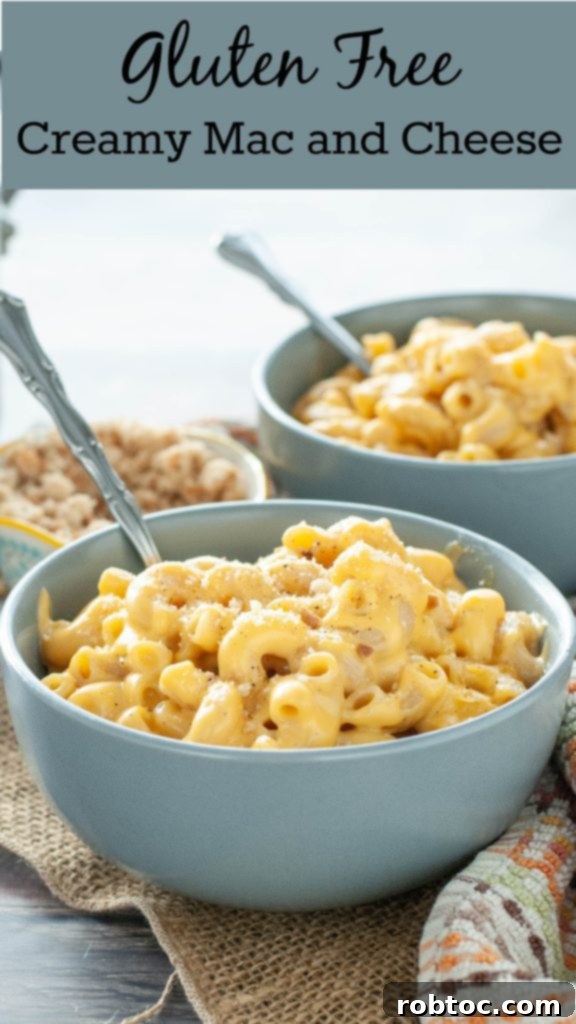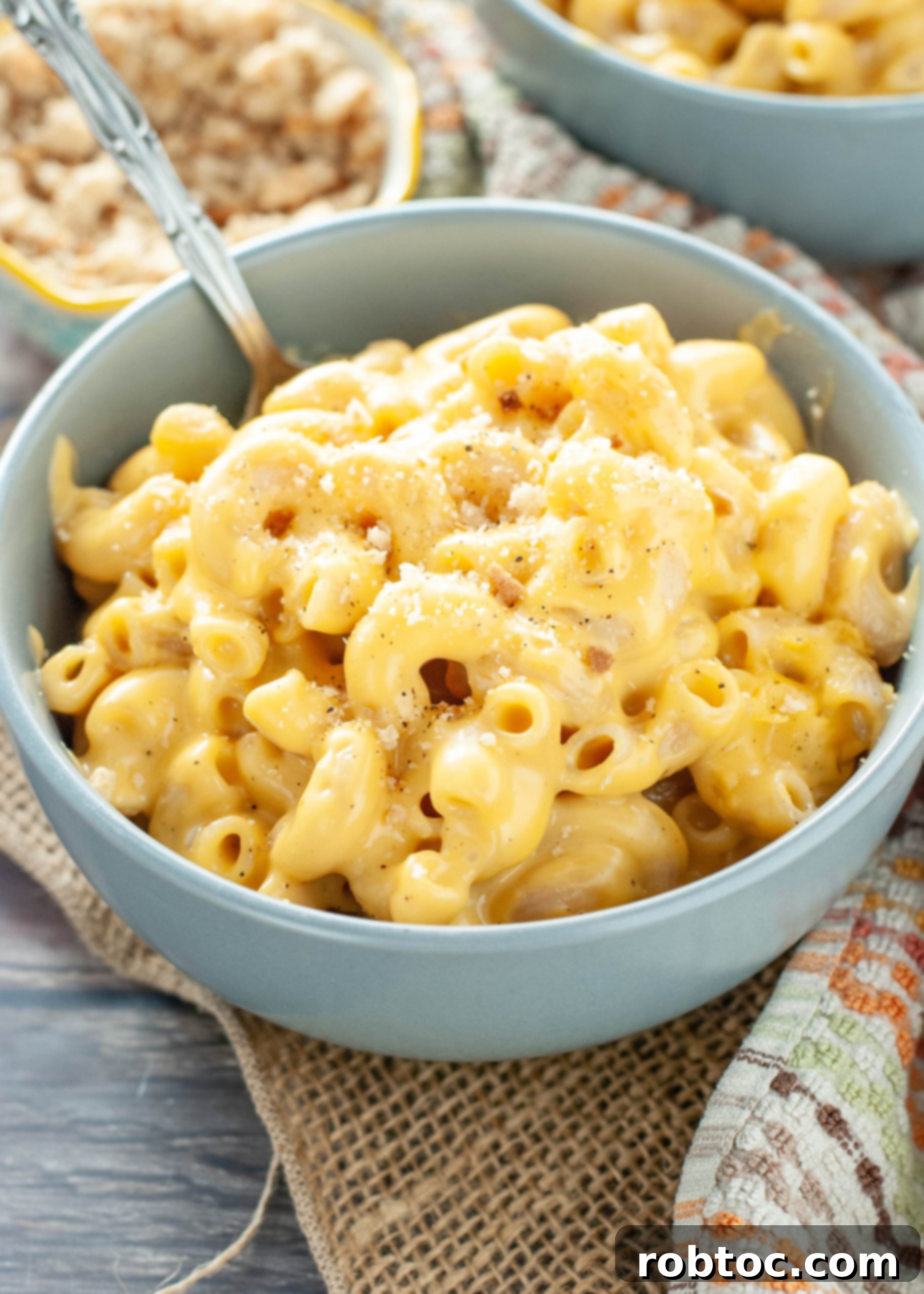
The Ultimate Stovetop Gluten-Free Mac and Cheese: Creamy, Gooey & Flour-Free!
Discover the secret to exceptionally creamy, thick, and perfectly gooey mac and cheese that’s entirely gluten-free and prepared right on your stovetop. This revolutionary recipe completely bypasses flour as a thickener, relying instead on a carefully selected blend of cheeses, strategic spices, and a hint of hot sauce to deliver a flavor profile that is anything but bland. Learn essential tips for cooking gluten-free pasta to achieve a wonderfully firm, non-gummy texture every time. This isn’t just another recipe; it’s the only one you’ll ever need for truly spectacular gluten-free macaroni and cheese. Plus, it’s conscientiously crafted to be free of common allergens including soy, fish, shellfish, peanuts, tree nuts, and sesame.
This post contains affiliate links.
Why This Stovetop Gluten-Free Mac and Cheese Reigns Supreme
For too long, gluten-free mac and cheese has carried a reputation for being dry, gritty, or simply lacking the luscious texture of its traditional counterpart. Many recipes attempt to adapt the classic béchamel sauce, which typically starts with a roux made from flour and butter, as its thickening base. However, for those of us navigating the world of gluten-free cooking, wasting precious gluten-free flour on a béchamel that often doesn’t achieve the desired silky consistency can be frustrating and costly. More importantly, it can impart an unwelcome “floury” taste to the final dish.
This recipe offers a superior, flour-free approach, utilizing a secret ingredient that’s not only more effective but also incredibly accessible: cornstarch. Cornstarch is a far more efficient thickener, readily available, budget-friendly, and it won’t deplete your gluten-free flour stash. This is a huge advantage, especially for those who don’t typically cook gluten-free and might not have specialty flours on hand but want to prepare an allergen-friendly dish for friends or family.
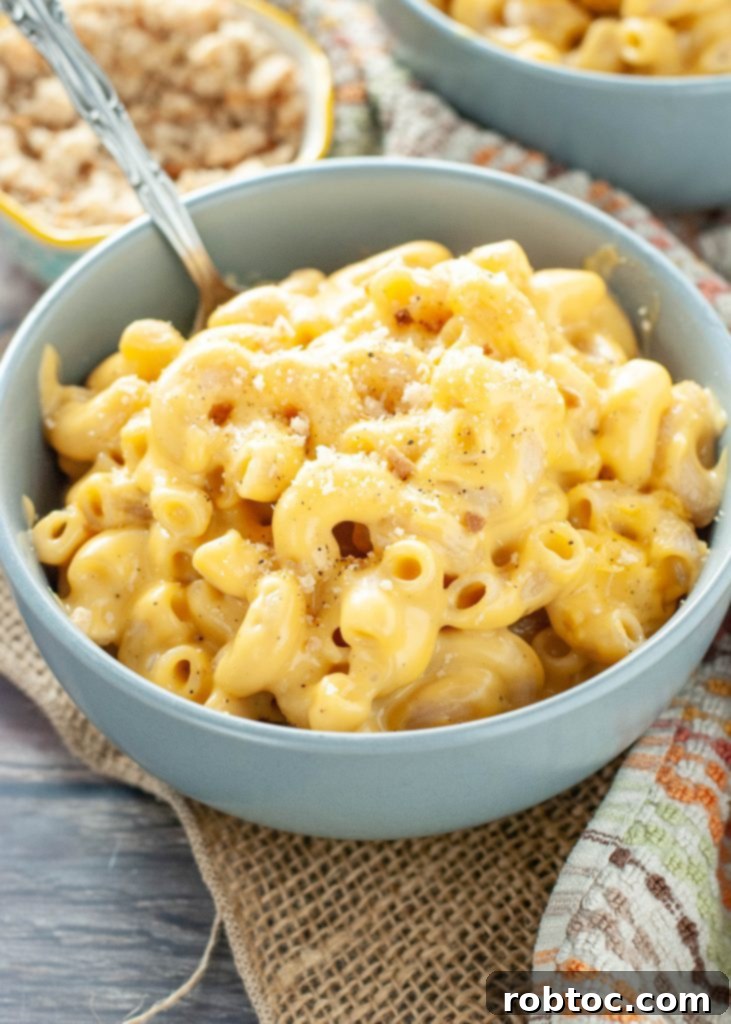
My husband, a true connoisseur of macaroni and cheese, enthusiastically declared this recipe “bomb.” He raves about its undeniable thickness, luxurious creaminess, and the delightfully gooey texture that conjures memories of classic Velveeta mac and cheese – without any of the artificial ingredients. It boasts a beautiful, glossy sheen, a smooth consistency, and a richness that defines what truly exceptional macaroni and cheese should be. Every forkful is a testament to its perfectly balanced texture and flavor.
The ingenious inclusion of eggs in this recipe plays a dual role: they contribute to the sauce’s robust thickness and lend a subtle, savory depth reminiscent of baked macaroni and cheese, all without the extra effort of oven baking. Furthermore, evaporated milk is chosen over regular milk for its concentrated richness, which yields an even creamier and more decadent sauce. To elevate the flavor beyond mere liquid cheese, a carefully selected blend of spices and a dash of hot sauce (like Frank’s RedHot) add a sophisticated “je ne sais quoi,” creating layers of flavor that will leave you craving more. This subtle kick ensures the mac and cheese is anything but bland, adding a delightful warmth and complexity.
Crucially, the success of this masterpiece also hinges on the texture of the noodles. By intentionally *undercooking* the gluten-free pasta slightly, we prevent it from becoming mushy and ensure it retains a pleasant chewiness, even after being enveloped in the hot, creamy cheese sauce. This thoughtful detail ensures a final product that is truly a culinary delight – the ultimate comfort food you’ll find yourself reaching for again and again.
Choosing the Best Gluten-Free Pasta for Mac and Cheese
Selecting the right gluten-free pasta is paramount to the success of this recipe. While I generally recommend brands like Barilla or Jovial for many gluten-free pasta dishes, for macaroni and cheese, Jovial gluten-free elbows emerge as the undisputed champion. My experiences with Barilla in this specific application have shown it to be prone to becoming too thin and breaking apart easily, resulting in a shapeless, unappealing mess. Jovial, on the other hand, consistently maintains its structural integrity, offering a satisfying bite that holds up beautifully in the rich cheese sauce.
Jovial pasta is crafted from rice, which contributes to its superior texture and ability to withstand the cooking process without turning gummy. You can typically find Jovial gluten-free pasta at most well-stocked health food stores, specialty grocery stores, or conveniently order it online from Amazon. If you venture to try another gluten-free elbow macaroni brand and achieve excellent results, please do share your recommendations in the comments section below to help out fellow gluten-free home cooks!
Mastering the Art of Cooking Gluten-Free Pasta
Achieving perfectly cooked gluten-free pasta is key to a non-gummy, enjoyable mac and cheese. Here’s a step-by-step guide to ensure flawless results:
- **Generously Salt the Water:** This step cannot be overstated. As the old adage goes, your pasta water should be “as salty as the sea.” Salting the water generously infuses the pasta with flavor from the inside out, providing a crucial base layer of taste that will elevate your entire dish. Without adequate salt, your pasta will taste bland, regardless of how flavorful your cheese sauce is.
- **Boil, Then Add Pasta:** Always wait until your water reaches a rolling boil before adding the pasta. This ensures that the pasta begins cooking immediately and evenly, preventing it from clumping together.
- **Use a Large Pot with Ample Water:** For best results, use a large stockpot filled with enough water to allow at least two, preferably three or four, inches of water above the pasta once it’s added. This generous amount of water prevents the starch released from the pasta from making the cooking water too thick and sticky, which can lead to gummy noodles. A large pot also helps prevent boil-overs, saving you from a messy cleanup.
- **Reduce Heat to a Medium Boil:** Once you’ve added the pasta, the water temperature will drop. Wait for it to return to a boil, then reduce the heat to medium. The water should still be actively boiling, but not at a vigorous, roaring boil that could break apart delicate gluten-free noodles. This gentler boil helps to cook the pasta evenly without over-agitating it.
- **The “Two-Minute Rule” for Al Dente Perfection:** This is perhaps the most critical tip for gluten-free mac and cheese. Read the cooking directions on your pasta box, then *subtract exactly two minutes* from the recommended cooking time. For example, if your Jovial box suggests 10 minutes, you will cook your pasta for precisely 8 minutes. This intentional undercooking is vital because the pasta will continue to cook slightly when it’s added to the hot cheese sauce. If you cook it fully initially, you’ll end up with a soft, mushy, shapeless mess that detracts from the overall texture of the dish.
- **Reserve Pasta Water and Drain Immediately:** As soon as your timer dings, immediately drain the pasta, making sure to *reserve at least a cup of the starchy pasta water*. This starchy water will be your secret weapon for adjusting the consistency of your cheese sauce later. Remove the pasta from the hot water immediately to halt the cooking process.
- **No Rinsing (or Very Brief):** There is absolutely no need to rinse your pasta. Rinsing removes the beneficial surface starches that help the cheese sauce cling to the noodles, and it also cools the pasta, which you don’t want. If you feel compelled to rinse, do so very briefly – no more than five seconds – just to remove any excess starch without stripping the pasta of its integrity.
The Essential Cheese Blend for Unforgettable Flavor and Texture
The heart of any truly great mac and cheese lies in its cheese blend. For that quintessential, comforting macaroni and cheese flavor we all know and love, cheddar is non-negotiable. I exclusively use a block of high-quality sharp cheddar for its robust, tangy notes that form the foundation of our sauce.
**A Golden Rule: Shred Your Own Cheese!** This is a critical step where many go wrong. **DO NOT use pre-shredded cheese.** Pre-packaged shredded cheeses often contain anti-caking agents like cellulose or potato starch. While these chemicals prevent the cheese from clumping in the bag, they wreak havoc on your cheese sauce, causing it to become grainy, greasy, and fail to melt smoothly. Invest a few extra minutes to shred your cheese yourself using either a box grater or a food processor. The difference in the final texture and melt of your sauce will be profound. Choose whatever brand of sharp cheddar you prefer for its flavor profile.
Now, for the controversial but crucial addition: American cheese. I understand that mentioning American cheese might raise some eyebrows among cheese purists. It’s certainly not a fancy gourmet cheese. However, if you’re aiming for that nostalgic, incredibly smooth, and glossy texture reminiscent of classic Kraft or Velveeta mac and cheese – that comforting taste of days gone by – then American cheese is your secret weapon. Its unique emulsifying properties ensure an unbelievably silky, shiny sauce that just begs to be eaten. It gives the mac and cheese that alluring “come-eat-me” look. I typically purchase mine from the deli counter at my local grocery store, asking for about 4 ounces of yellow American cheese. Land O Lakes is a reliable brand often available. Let me be clear: I never claimed this was a highbrow mac and cheese, just a ridiculously delicious one!
That’s it! You truly don’t need to splurge on a myriad of crazy expensive, artisanal cheeses. These two workhorse cheeses perform all the heavy lifting, delivering maximum flavor, unparalleled creaminess, and that irresistible gooeyness without unnecessary complexity or cost.
The Flour-Free Philosophy: Why Cornstarch is Superior
For years, like many home cooks, I relied on flour to create a béchamel base for my mac and cheese. However, an enlightening article from The Food Lab fundamentally changed my approach. Kenji López-Alt’s compelling explanation, backed by visual evidence, convinced me that cornstarch was the superior thickener for mac and cheese, and I wholeheartedly agree. The results speak for themselves: a smoother, glossier, and more stable sauce free from any floury aftertaste.
Beyond the culinary benefits, my decision to omit flour also stems from a practical and empathetic perspective. Mac and cheese is a beloved dish often served at group gatherings, potlucks, BBQs, and holiday feasts. Many individuals might stumble upon this recipe because they wish to prepare a safe, delicious side dish for a gluten-free friend, family member, or guest. These occasional gluten-free cooks likely don’t have a pantry stocked with an array of specialty gluten-free flours, which can be expensive and hard to find. By eliminating flour from this recipe, I ensure that the only gluten-free specific ingredient they need to purchase is the pasta itself. This minimizes their investment in unfamiliar ingredients, making it a much more accessible and stress-free option for everyone.
Essential Tools for Your Gluten-Free Mac and Cheese Adventure
To successfully craft this mouthwatering gluten-free macaroni and cheese, you’ll need a few common kitchen tools:
- **Cutting board and knife:** For prepping your block cheese and any optional add-ins.
- **Large mixing bowl:** To combine your shredded cheeses and cornstarch.
- **Medium mixing bowl:** For whisking together the evaporated milk, egg, and spices.
- **Whisk:** Indispensable for creating a smooth, lump-free cheese sauce.
- **Box grater or food processor:** Absolutely essential for freshly shredding your cheddar cheese.
- **Measuring cups and spoons:** For precise ingredient measurements, ensuring consistent results.
- **Large stock pot:** Critical for boiling the pasta with ample water, preventing sticking and mushiness.
- **Medium sauce pan:** Your vessel for creating the rich and creamy cheese sauce.
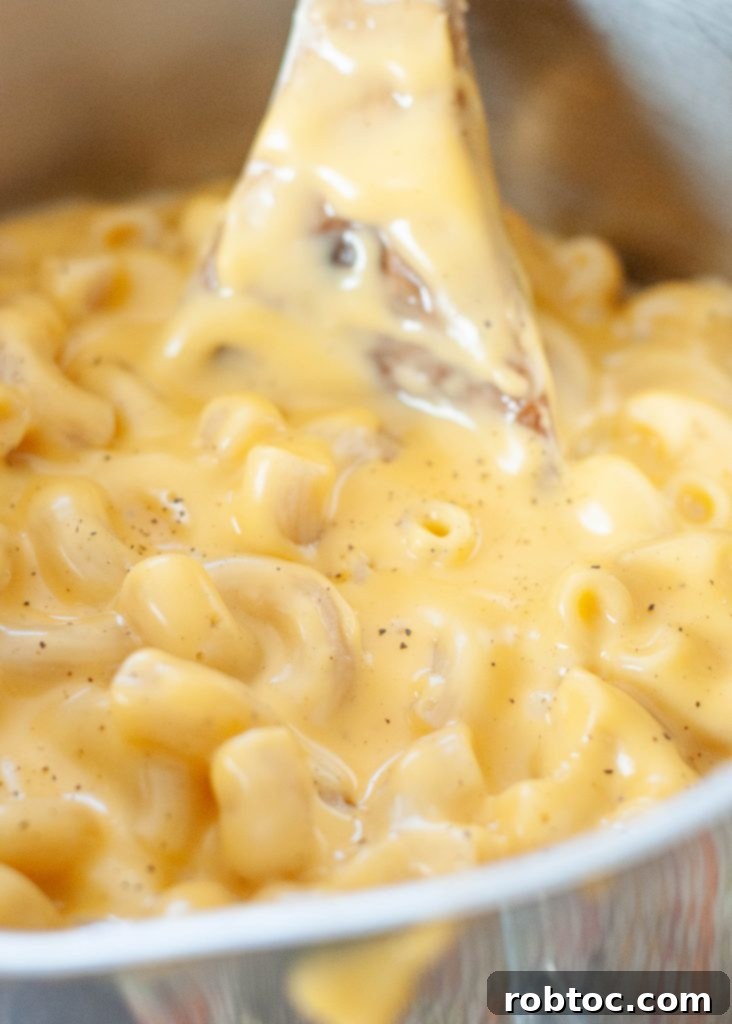
Key Ingredients You’ll Need
Gather these ingredients to create your ultimate gluten-free mac and cheese:
- Water and salt for cooking pasta
- Jovial gluten-free elbows (1 box, 12 oz)
- Extra-sharp cheddar (1/2 pound, freshly grated)
- American cheese (4 ounces, cut into small cubes)
- Cornstarch (1/2 TBSP)
- Evaporated milk (12 oz)
- 1 large egg
- Frank’s RedHot or other hot sauce (1/2 teaspoon)
- Onion powder (1/2 tsp)
- Ground mustard powder (1/2 teaspoon)
- Table salt (1/2 teaspoon, plus more to taste if desired)
- Garlic salt (1/2 teaspoon)
- Black pepper (1/4 teaspoon)
- Salted butter (4 Tablespoons, or 1/2 stick)
- Saved pasta water for thinning the sauce
- Optional for topping: gluten-free breadcrumbs
Storing and Reheating Your Gluten-Free Mac and Cheese
While this mac and cheese is truly best enjoyed fresh off the stovetop, leftovers are certainly possible with the right approach. As with most dishes made with gluten-free pasta, **you are absolutely NOT going to want to freeze this.** Freezing and thawing gluten-free pasta tends to alter its delicate texture, often resulting in a mushy or crumbly consistency that simply isn’t enjoyable.
Thanks to our method of slightly undercooking the pasta, leftovers can still be deliciously salvaged. Store any cooled leftovers in an airtight container in the refrigerator for 1-3 days. You’ll observe that the sauce thickens considerably once it cools. This natural phenomenon is due to the starches in the pasta setting up. To restore its creamy, pourable consistency when reheating, you’ll want to either stir in some additional milk or a splash of water. Begin with a tablespoon or two and add more as needed. The sauce will thin out further as it heats, but starting with a bit of extra liquid ensures it doesn’t dry out. Reheat gently in the microwave or on the stovetop over low heat, stirring frequently, until warmed through and reach your desired consistency.
Perfect Pairings: What to Serve with Your Mac and Cheese
The beauty of macaroni and cheese lies in its incredible versatility; it can effortlessly transition between being a hearty main dish or a beloved side. You’ll frequently spot it alongside classic comfort foods like smoky pulled pork, tender brisket, or tangy barbeque chicken at Southern-style restaurants and BBQ joints. It’s also a welcome addition to picnics, casual get-togethers, and any occasion where a satisfying pasta dish is desired. Its universal appeal even extends to the most elegant of holiday spreads, gracing the table at Thanksgiving dinner. There truly isn’t a wrong time or place to serve this iconic American staple.
Here are some delicious serving suggestions to complement your gluten-free mac and cheese:
- For an extra layer of crunch and texture, I adore serving it with some crispy gluten-free bread crumbs sprinkled generously on top.
- Elevate it to a main meal by topping it with some savory pulled BBQ chicken for an added boost of protein and flavor.
- For those who love a little extra kick, a drizzle of additional hot sauce on top can perfectly intensify the experience.
- Stirring in some diced, pan-fried ham creates a wonderfully satisfying and flavorful addition.
- For a kid-friendly option, sliced hot dogs stirred into the mac and cheese are always a hit.
No matter how, when, or where you choose to serve this irresistible dish, be prepared for it to disappear quickly. In fact, you’ll even notice in the accompanying video that I’m doubling the cheese sauce recipe to ensure there’s enough to go around! When served as a main dish, this recipe comfortably serves four people. However, if offered as a side dish alongside other culinary delights, it can easily serve 8-10 guests, depending on appetites and the number of other dishes available.
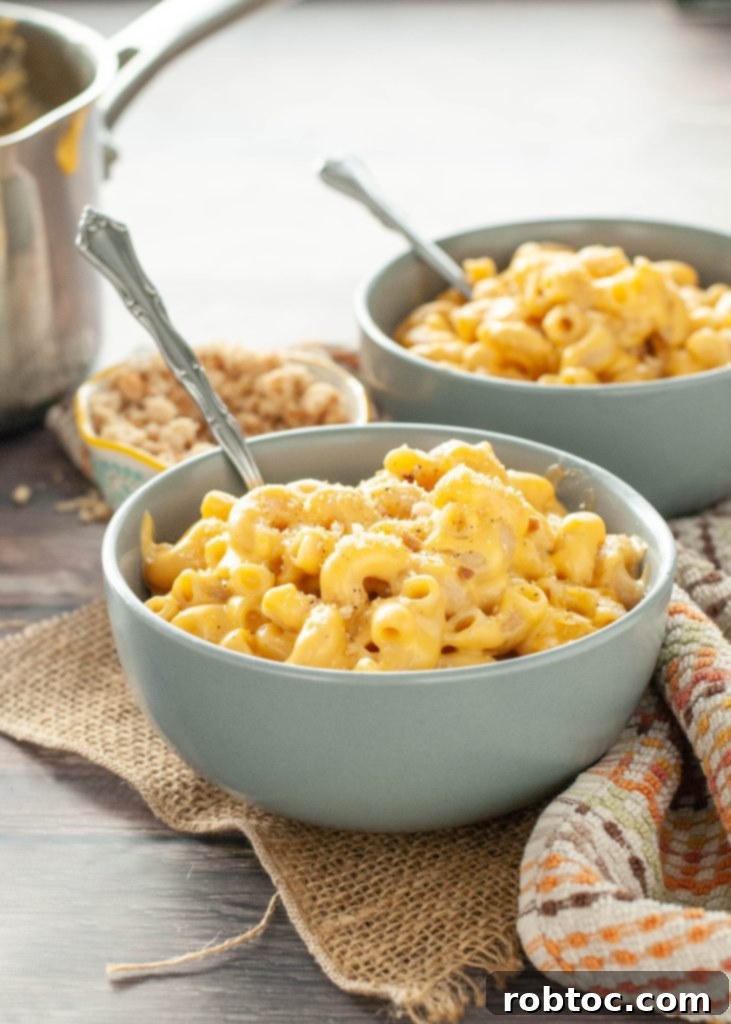
Expert Tips for a Perfect Cheese Sauce
Crafting the ideal cheese sauce for your mac and cheese requires a little patience and attention, but the creamy reward is well worth it.
1. **Patience is Key:** The cheese sauce will take some time and consistent whisking to transform from separate ingredients into a smooth, homogenous, and perfectly melted concoction. Don’t rush the process; keep the heat at medium-low and stir frequently to ensure the cheese melts evenly without scorching. Continuous whisking also helps to emulsify the sauce, preventing any separation and creating that desired silky texture.
2. **The Magic of Reserved Pasta Water:** Everyone has a personal preference for the thickness of their cheese sauce. This is precisely why it is crucial to **never pour the pasta water down the drain** immediately after removing your cooked pasta. This starchy, flavorful water is the perfect liquid to have on hand. Should you find your cheese sauce a bit too thick, this reserved pasta water is your ideal thinning agent. Its starches help maintain the sauce’s body and cling to the noodles beautifully, far better than plain water. If, by some oversight, you accidentally discard it, plain milk can serve as a suitable substitute, though it won’t offer the same starchy binding benefits.
3. **Customize Your Consistency:** Prepare your cheese sauce exactly as directed in the recipe. Once it’s fully melted and smooth, combine it with your drained pasta. At this point, assess the consistency. If you desire a slightly thinner, more pourable sauce, begin adding the reserved pasta water, one tablespoon at a time. Stir thoroughly after each addition and observe the texture. Continue this process until you achieve the sauce level and consistency that is absolutely perfect for your preference. Some might prefer a very thick sauce with no added liquid, while others might like a significantly thinner, coats-every-noodle type of sauce. Remember, you are the chef – customize it to your heart’s content!
Can This Stovetop Mac and Cheese Be Baked?
While I personally don’t quite grasp the fervent appeal of baked mac and cheese – it often tastes similar to the stovetop version but requires an extra dish and more cooking time – my husband is a staunch advocate. He argues that the allure lies in the potential for an additional layer of shredded cheese topping that, when baked, develops a wonderfully crusty, golden-brown finish. While I haven’t personally experimented with baking this specific recipe due to my preference for the stovetop method, I can offer my best guess for adapting it:
To prepare a baked version, you would want to undercook your gluten-free pasta even more than for the stovetop method – aim for about 4 minutes less than the package directions suggest. This accounts for the additional cooking it will undergo in the oven. Once your pasta is cooked and drained, combine it thoroughly with the finished, creamy cheese sauce in a large bowl. Pour this mixture into a 13×9 inch glass baking dish. For that coveted “crusty” topping, sprinkle generously with additional shredded cheddar (or a blend of cheeses) and, optionally, some gluten-free breadcrumbs for extra texture. Bake in a preheated oven at 350 degrees F (175 degrees C) for approximately 20-25 minutes, or until the cheese topping is beautifully melted, bubbly, and lightly golden brown. Enjoy that extra crunch!
Visual Guidance: A Step-by-Step Video Tutorial
For those who prefer visual learning, an in-depth video tutorial is available, guiding you through every step of this gluten-free mac and cheese recipe from start to finish. The video should automatically populate on this page for your convenience. However, if it doesn’t appear, you can always find it embedded at the bottom of the recipe card below. As a last resort, the full tutorial is also accessible on my YouTube Channel, ensuring you have all the resources you need to create this amazing dish.
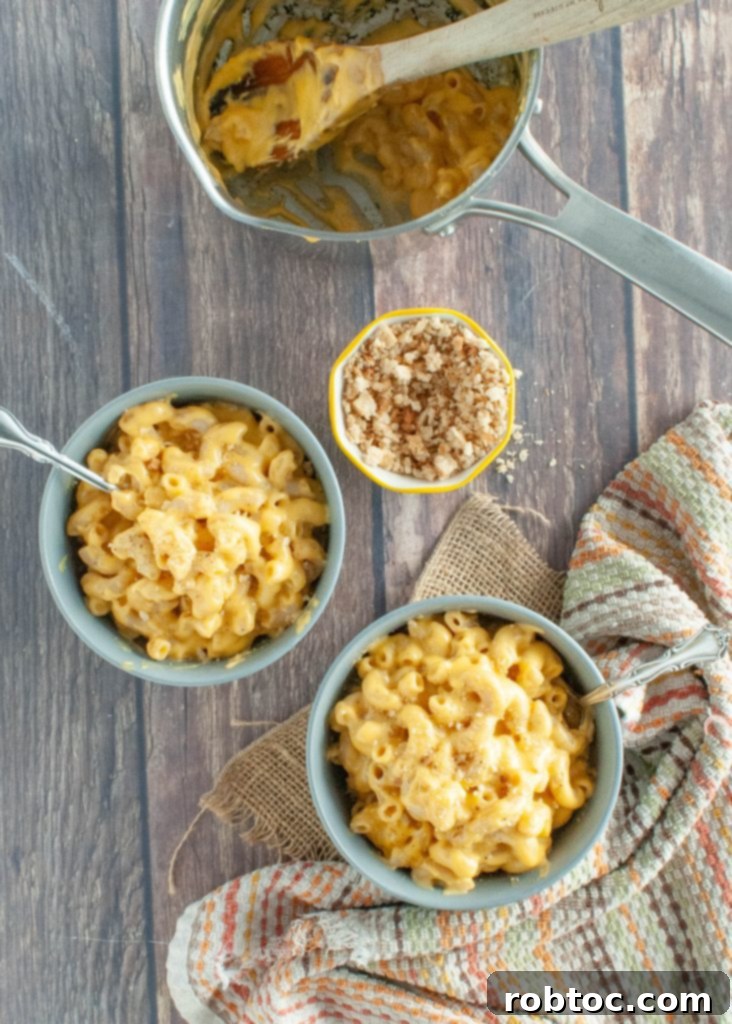
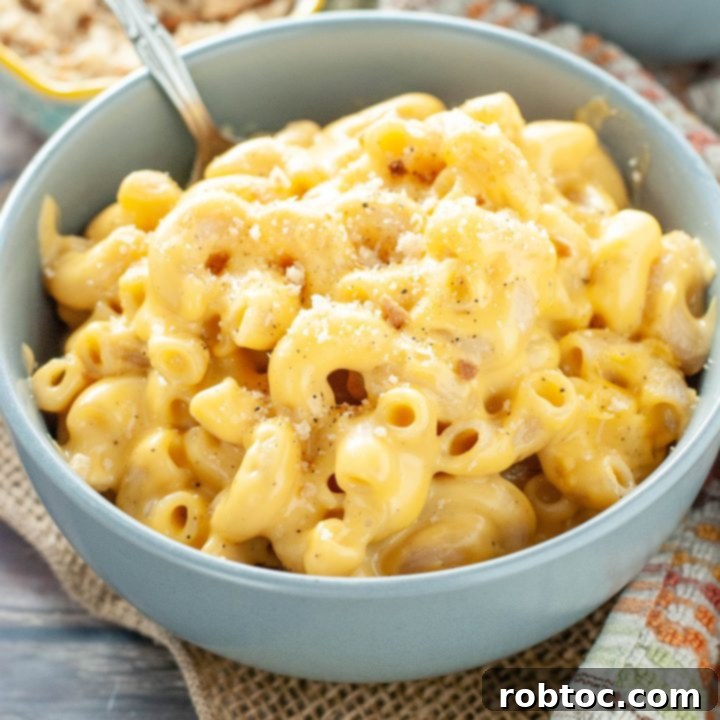
Easy Gluten-free Mac and Cheese
4
15 minutes
15 minutes
30 minutes
Creamy, thick and gooey mac and cheese that’s gluten-free and made entirely on the stove top. This recipe uses NO flour as a thickener. so no need to have that on hand. Just lots of cheese and spices and a little hot sauce to make it anything but bland. Tips on cooking the gluten-free pasta for a non-gummy final result. This is it! No other recipe needed. This recipe is also free of: soy, fish, shellfish, peanuts, tree nuts and sesame.
Ingredients
- Water and salt for cooking pasta
- 1 box, 12 oz, Jovial gluten-free elbows
- 1/2 pound extra-sharp cheddar, freshly grated
- 4 ounces American cheese, cut into small cubes
- 1/2 TBSP cornstarch
- 12 oz, evaporated milk
- 1 large egg
- 1/2 teaspoon Frank’s RedHot or other hot sauce
- 1/2 tsp onion powder
- 1/2 teaspoon ground mustard powder
- 1/2 teaspoon salt (plus more to taste if desired)
- 1/2 teaspoon garlic salt
- 1/4 teaspoon black pepper
- 4 Tablespoons (1/2 stick) salted butter
- Saved pasta water for thinning
- Optional: breadcrumbs
Instructions
- Fill a large stock pot 3/4 full of water. Generously salt. Bring to a boil over high heat.
- Using a box grater or food processor, shred your sharp Cheddar. Add to a large mixing bowl.
- Cut into small cubes your American cheese. Add it to the large mixing bowl.
- Add your cornstarch to the cheeses, toss to combine.
- In a medium sized bowl add your: evaporated milk, egg, hot sauce, onion powder, mustard powder, salt, garlic salt and black pepper. Whisk to combine.
- Once water is boiling, move the heat to medium (so still boiling, just not a roaring boil) and add your pasta. Set a timer for 8 minutes.
- In a medium sauce pan, add your butter. Melt.
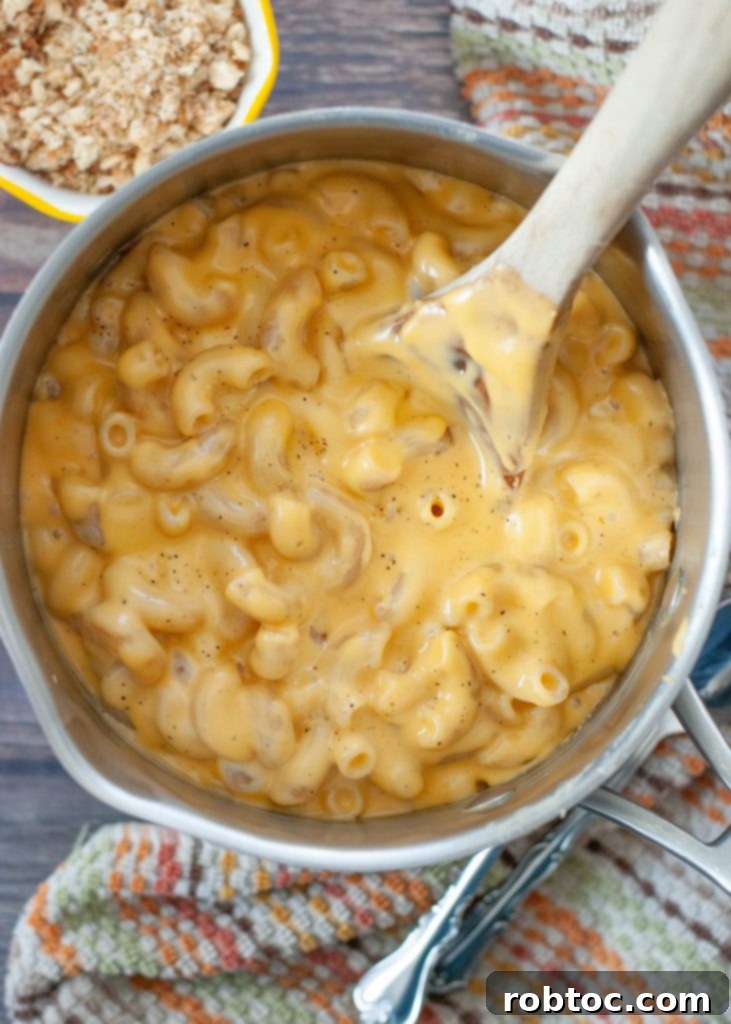
- Add in your milk and egg mixture, as well as the cheese\/cornstarch mixture. Stir frequently until everything is melted and combined.
- Once your pasta is done, drain your pasta, reserving the pasta water.
- Once your cheese mixture is done, pour it over your cooked and drained pasta and stir to coat.
- Thin as much as you would like with additional pasta water until you reach the consistency you prefer.
- Taste and adjust salt as needed.
- Serve immediately, with gluten-free breadcrumbs on top for extra crunch and texture if you so desire.
- Best eaten fresh. Cooled leftovers can be stored in the fridge 1-3 days, in an airtight container. Sauce will thicken considerably, and will need to be thinned with some water or milk when reheating.
Notes
Be sure to watch the video for visual directions before proceeding.
All of the frequently asked questions, tips and substitution questions are spelled out in detail above.
*Our allergies, while severe and that get re-tested frequently, are such that we can go strictly by what’s on the label. I do not call companies to see what things are derived from, or call manufacturers to see about potential cross contact. If your allergies require you to do so, please do your own homework. I cannot assure you of any ingredient’s safety, only you can do that. I simply share what works for our family
Inspired by: The Food Lab, Texanerin and The Cozy Cook.
Nutrition Information:
Yield: 4
Serving Size: 1
Amount Per Serving:
Calories: 869Total Fat: 55gSaturated Fat: 32gTrans Fat: 2gUnsaturated Fat: 18gCholesterol: 199mgSodium: 1476mgCarbohydrates: 61gFiber: 3gSugar: 8gProtein: 32g
DON’T FORGET TO PIN IT, SO YOU DON’T LOSE IT. BE SURE WHILE YOU’RE THERE TO CHECK OUT MY OTHER GLUTEN-FREE PINS.