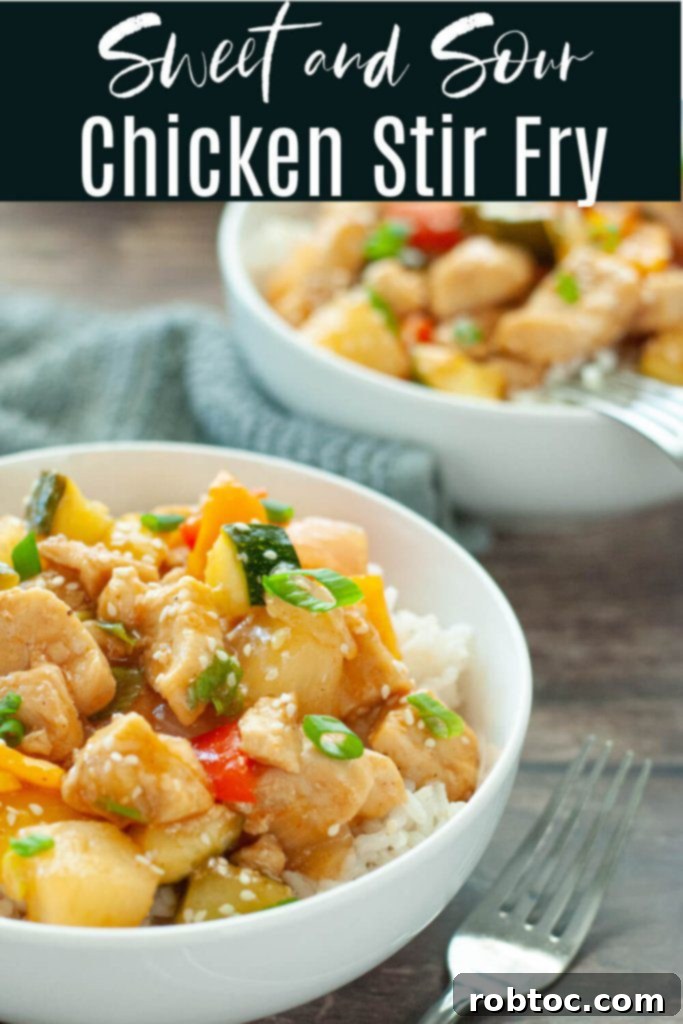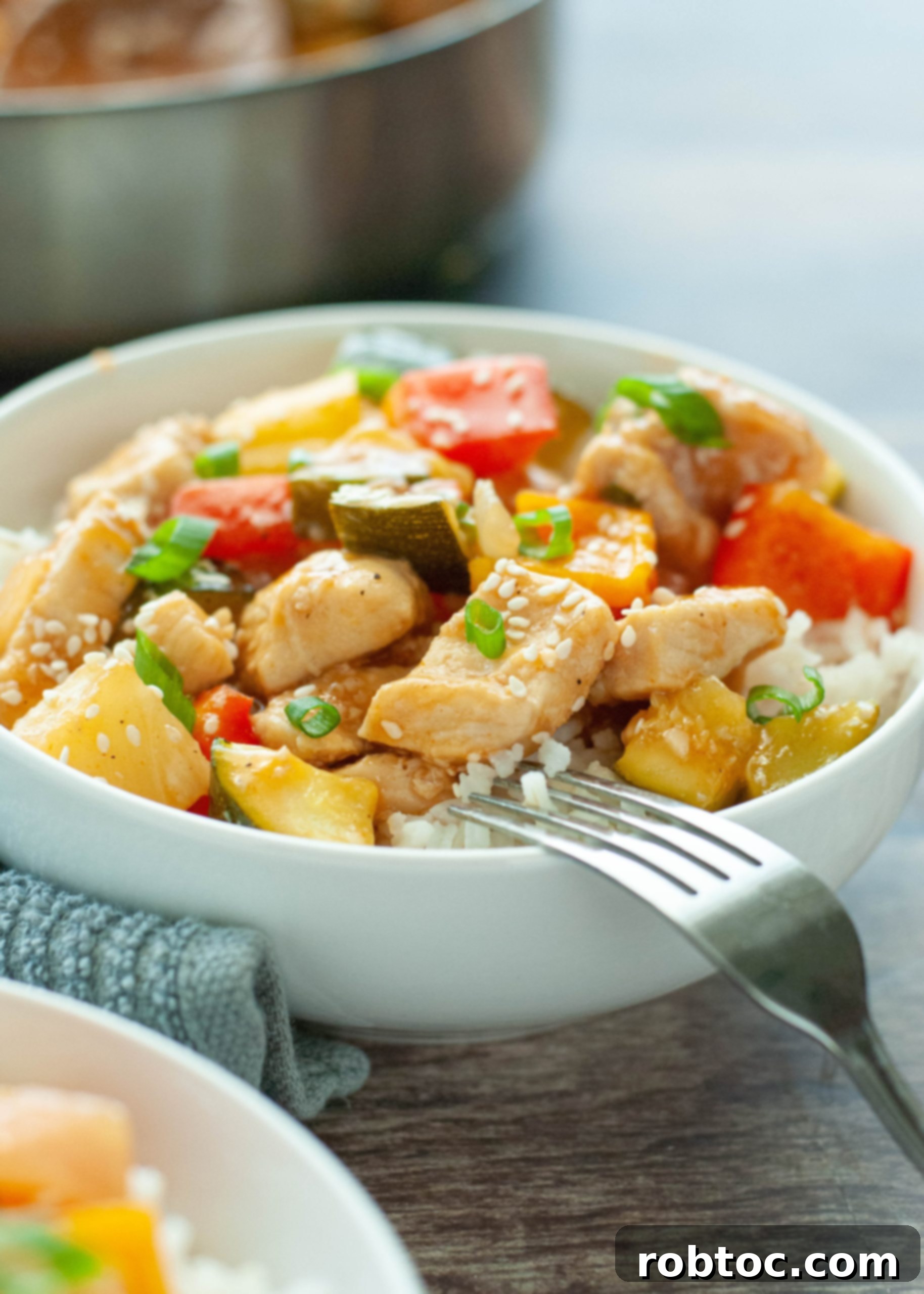
Easy & Healthy Sweet and Sour Chicken Stir Fry: A Quick Homemade Takeout Favorite
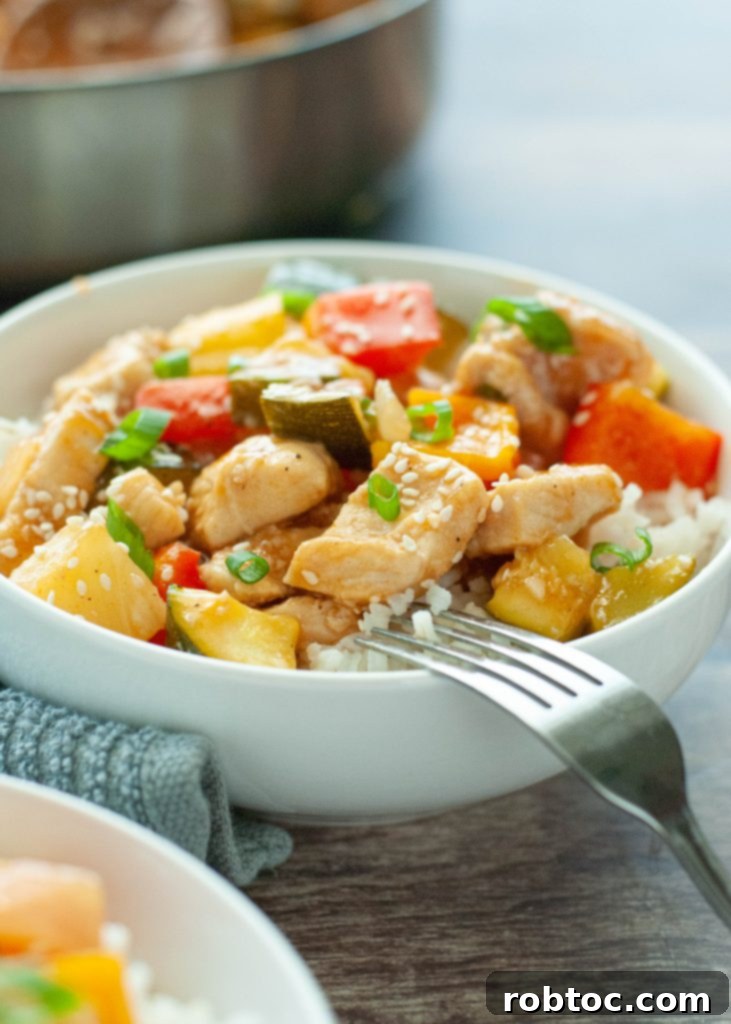
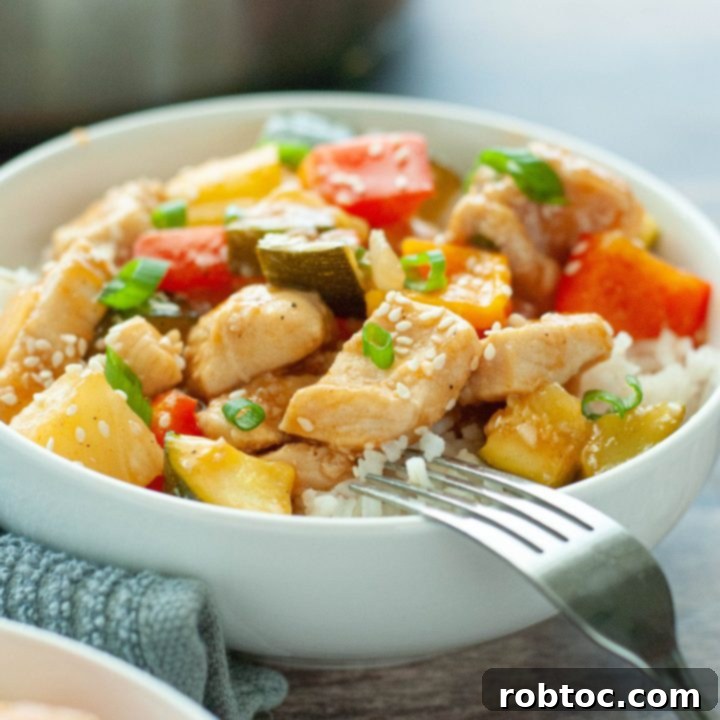
Imagine enjoying a restaurant-quality Sweet and Sour Chicken Stir Fry in under 30 minutes, right in your own kitchen! This beloved Chinese-American classic is surprisingly simple to make from scratch. Forget the hassle of battering and deep-frying; our recipe focuses on a healthier approach that doesn’t compromise on flavor. Thanks to an incredibly delicious, lip-smacking sauce, you won’t miss the extra mess or calories. Load it up with your favorite colorful vegetables and serve it over a bed of fluffy rice for a truly satisfying and complete dinner. What’s more, this recipe is naturally gluten-free, dairy-free, egg-free, fish-free, peanut-free, and tree nut-free, making it an excellent, allergy-friendly option for almost everyone. (Even a soy-free variation is included!)
 This post contains affiliate links.
Why You’ll Love This Homemade Sweet and Sour Chicken Stir Fry Recipe
Growing up, homemade meals were a staple, expertly prepared by my mom who often stretched our budget creatively. Chinese takeout was a rare and treasured treat, a special brown bag filled with aromatic delights brought home by my dad from our local Hong Kong restaurant. Those nights were pure magic, igniting a lifelong love for Chinese-American cuisine. However, the joy of dishes like sweet and sour chicken seemed a distant memory when my son developed severe wheat and nut allergies, making most Chinese restaurants off-limits due to cross-contamination risks.
I am incredibly grateful to have perfected this copycat sweet and sour sauce recipe, allowing my family to safely enjoy this popular dish once again. You might wonder, as I did, if skipping the deep-frying process would diminish the experience. But honestly, I don’t miss it one bit! Frying chicken creates a huge mess, adds unnecessary steps, and lengthens cooking time. While it’s not crispy chicken, the result is wonderfully tender, juicy chicken that’s bursting with flavor from our sensational sauce. This recipe is not only easy to prepare – you don’t even need a wok – but it’s also a fantastic way to clear out your fridge by incorporating a medley of your favorite vegetables. This vibrant dinner is packed with color, texture, and an explosion of sweet and tangy flavors. It’s truly the best way to satisfy your takeout cravings without the wait or the worry.
Essential Ingredients for Homemade Sweet and Sour Sauce
Creating this irresistible sweet and sour sauce is surprisingly simple, primarily requiring staple ingredients you likely already have in your pantry. For this perfect balance of tangy and sweet, you’ll need:
- **Sugar:** Provides the foundational sweetness.
- **Brown Sugar:** Adds depth and a hint of molasses flavor, complementing the white sugar.
- **Vinegar:** White vinegar or rice vinegar works perfectly, delivering the essential sour tang.
- **Ketchup:** Contributes to the vibrant red color and a savory-sweet base.
- **Soy Sauce:** A crucial umami element. Be sure to use a gluten-free variety if you need this dish to be celiac-friendly.
- **Minced Garlic:** Infuses the sauce with aromatic flavor.
- **Black Pepper:** For a touch of subtle warmth and spice.
- **Corn Starch:** The secret to achieving that perfectly thick, glossy, and clingy sauce consistency.
- **Optional: Red Pepper Flakes:** Add these for a delightful hint of heat if you enjoy a spicier kick.
Don’t be shy with the sauce – this recipe makes a generous amount! You can choose to have a very saucy dish, or save some extra for drizzling later or for another meal. I recommend adding a portion first and gradually incorporating more until you achieve your desired sauciness. This flexibility ensures the sauce perfectly coats your chosen amount of chicken and vegetables, whether you prefer a lighter touch or a deeply drenched stir fry.
What Vegetables Pair Best with Sweet and Sour Chicken Stir Fry?
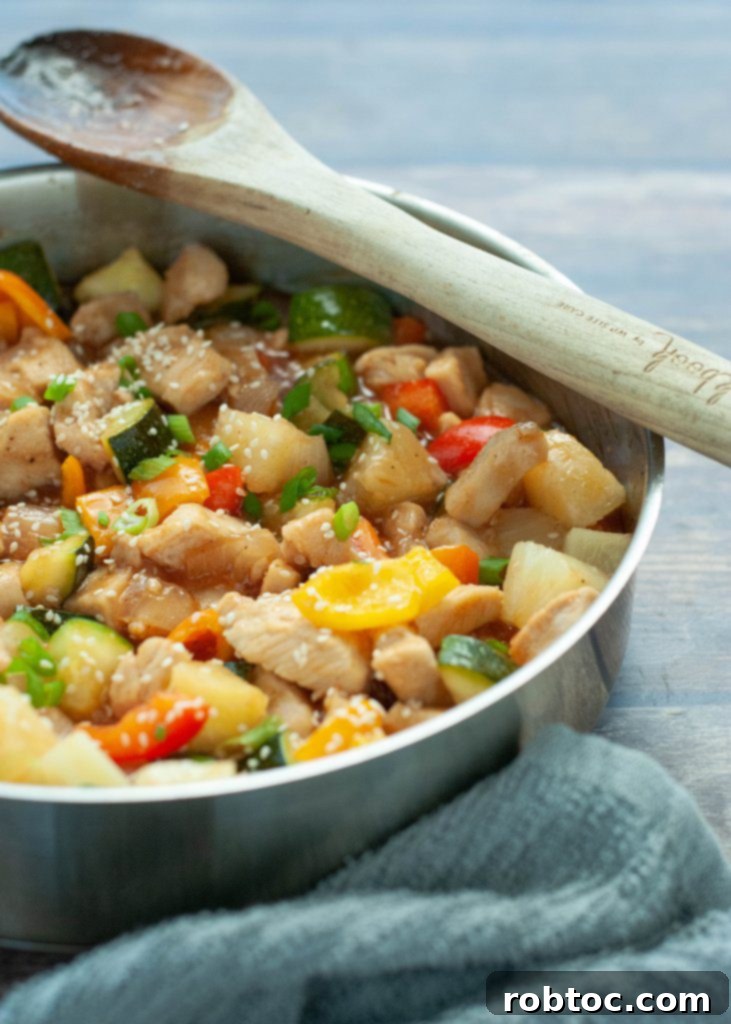
One of the beauties of a stir fry is its versatility when it comes to vegetables. There’s no single “right” answer; feel free to customize it based on your preferences or what you have on hand – it’s an excellent opportunity to clean out your fridge! Here’s what I typically include to create a colorful and flavorful medley:
- **Red Bell Pepper:** Adds sweetness and vibrant color.
- **Green Bell Pepper:** Contributes a slightly more bitter, earthy note and crisp texture.
- **Orange Bell Pepper:** Offers another layer of sweet flavor and visual appeal.
- **Zucchini:** Becomes tender and absorbs the sauce beautifully.
- **Onion:** Red, yellow, or white onions all work well, providing a foundational aromatic flavor.
Beyond these, many other vegetables would be fantastic additions. Consider adding carrots for sweetness and crunch, broccoli florets for texture, sugar snap peas or snow peas for a fresh pop, sliced mushrooms for an earthy depth, or bok choy for a touch of leafy green. The possibilities are truly endless, allowing you to tailor your stir fry to your family’s tastes and seasonal availability.
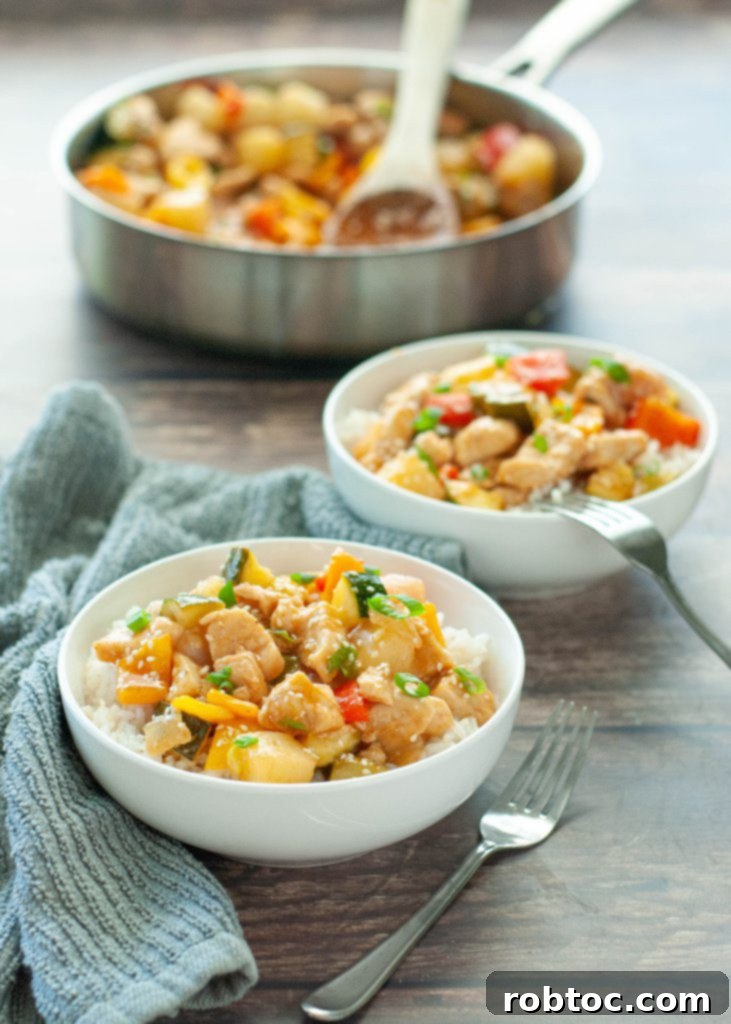
Garnishes and Finishing Touches for Your Sweet and Sour Chicken
To truly elevate your sweet and sour chicken and give it that authentic, restaurant-worthy presentation, a few simple garnishes make all the difference. I love to finish mine with freshly diced green onions, often cut on a bias for a professional touch that adds both visual appeal and a fresh, mild onion flavor. A sprinkle of sesame seeds provides a lovely nutty aroma and a pleasant textural contrast. For those with sesame allergies, rest assured that these are completely optional and can be omitted without impacting the dish’s core flavors – it’s a “nice-to-have,” not a “make-or-break.”
Another fantastic addition, which I highly recommend, is pineapple chunks. I typically use canned pineapple chunks, drained, for convenience, but fresh pineapple would be absolutely divine if you have it available. I stir them in right at the very end, just before serving. The juicy sweetness of the pineapple provides a wonderful burst of flavor and texture, perfectly complementing the savory chicken and crisp-tender vegetables. It’s a delightful fruity counterpoint that enhances the entire dish.
What to Serve with Sweet and Sour Chicken Stir Fry
This sweet and sour chicken stir fry is essentially a complete meal on its own, featuring protein, an array of vegetables, and even fruit from the pineapple in the sauce. The most traditional and popular way to serve it is over rice. You have many options here: classic white rice, nutrient-rich brown rice, fragrant jasmine rice, or whatever type of rice you prefer. The rice acts as a perfect canvas, soaking up all the delicious sweet and sour sauce.
If you’re looking to make this meal grain-free or reduce your carbohydrate intake, simply omit the rice. The stir fry is flavorful and filling enough to be enjoyed on its own. Alternatively, for an extra boost of protein, you could serve it over quinoa. Cauliflower rice is another excellent grain-free base option, providing a lighter alternative without sacrificing satisfaction. The choice is yours, allowing you to tailor your meal to your dietary needs and preferences.
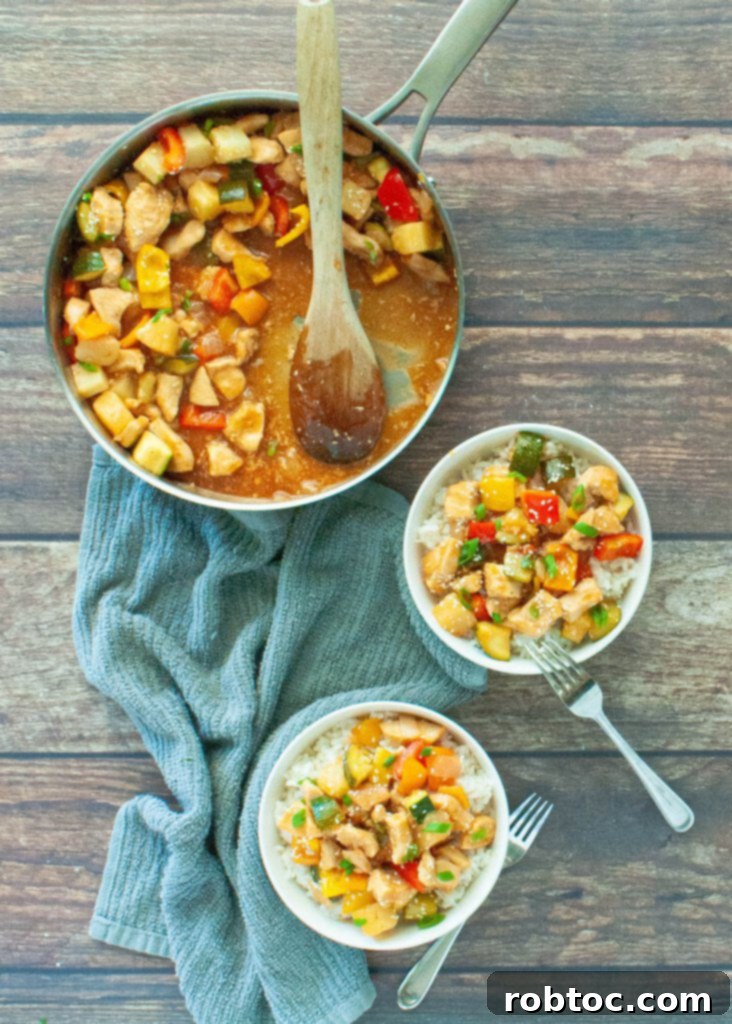
Choosing the Best Chicken for Your Stir Fry
This versatile recipe works well with various types of chicken, giving you flexibility in your cooking. I personally prefer using boneless, skinless chicken breasts for their lean profile and quick cooking time. However, boneless, skinless chicken thighs are also an excellent choice, offering a slightly richer flavor and remaining incredibly tender. I generally don’t recommend cuts with bones or skin, as they require longer cooking times and might complicate the stir-frying process.
For optimal results and ease of eating, cut your chicken into uniform, bite-sized pieces, roughly 1-inch chunks. Smaller pieces cook much faster and more evenly, ensuring your chicken is perfectly tender alongside your vegetables. Keep in mind that dark meat, such as chicken thighs, will take a little longer to cook than white meat (chicken breast), so adjust your timing accordingly. And for those looking for a meatless meal, perhaps for “Meatless Monday,” feel free to omit the chicken entirely and simply make a delicious sweet and sour vegetable stir fry!
Making the Perfect Sweet and Sour Sauce: A Simple Step
Preparing the sauce for this sweet and sour chicken stir fry couldn’t be easier. Simply gather all the sauce ingredients and pour them into a small bowl. Using a whisk, combine them thoroughly until all ingredients are well incorporated and the cornstarch has dissolved, ensuring no lumps remain. I find it convenient to mix the sauce while my chicken is cooking and the onions are softening in the pan. This allows the flavors to meld slightly and ensures your sauce is ready to go exactly when you need it for thickening the stir fry. You can find more visual details on this step in the accompanying recipe video.
How to Ensure Tender, Juicy Stir-Fried Chicken
The key to preventing your chicken from becoming dry and chewy in a stir fry is all about timing. Overcooked chicken is tough; perfectly cooked chicken is juicy and tender. Stir-frying is a rapid cooking method where ingredients are added in a specific sequence, starting with those that require the longest cooking time and ending with those that cook fastest. This method ensures everything is perfectly cooked without overdoing any component, including your vegetables.
I typically add my chicken when I estimate there are about 8-10 minutes of total cooking time left for the dish. Remember, cutting the chicken into bite-sized pieces significantly speeds up its cooking. The smaller the pieces, the quicker they will be done. If you find your chicken is cooked through before your vegetables reach their desired tenderness, a helpful tip is to temporarily remove the chicken from the pan and place it on a plate. This prevents it from continuing to cook and ensures it remains tender and juicy while the vegetables finish. Once the vegetables are ready, return the chicken to the pan to combine with the sauce.
For ultimate precision and to take all the guesswork out of cooking chicken, I highly recommend using a digital meat thermometer. As soon as the thickest part of the chicken registers 165°F (74°C), it’s perfectly cooked and safe to eat. This simple tool will guarantee consistently tender and juicy chicken every time.
Choosing the Right Oil for Your Stir Fry
Many traditional Asian restaurants utilize peanut oil for their stir-fries, primarily because of its exceptionally high smoke point, which allows it to withstand the intense heat of a wok without burning or smoking. While most allergists suggest that highly refined peanut oil is generally safe for individuals with peanut allergies, many people, understandably, prefer to err on the side of caution and avoid it. I personally opt for canola oil instead.
Canola oil is an excellent alternative because it’s a neutral-flavored oil with a similarly high smoke point, making it suitable for high-heat cooking like stir-frying. In contrast, olive oil has a lower smoke point and can start to smoke and break down at the high temperatures typically used for stir-frying, imparting an undesirable flavor. However, if you’re planning to cook your stir fry at a lower heat, olive oil could potentially be used, but for traditional stir-frying, canola or another high-smoke-point neutral oil is your best bet.
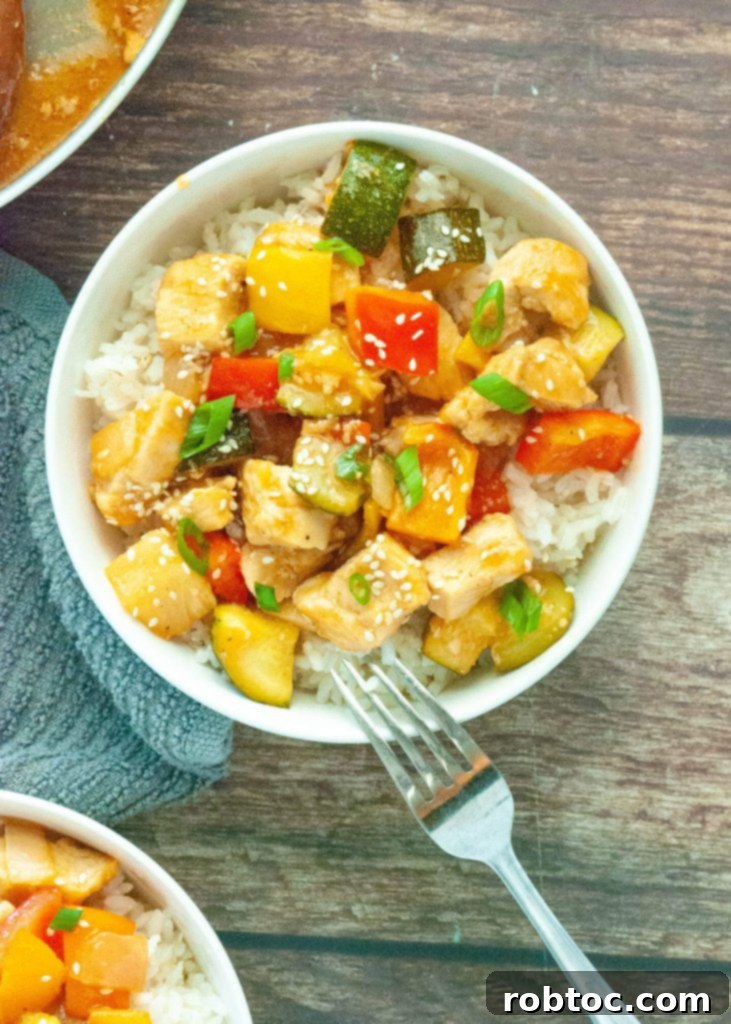
The Best Pan for Sweet and Sour Chicken Stir Fry (No Wok Needed!)
While Chinese cuisine purists might insist on a wok for authentic stir-frying, I’m here to tell you that you absolutely do not need one to make a fantastic sweet and sour chicken stir fry at home. I’ve successfully used both large nonstick skillets and stainless steel pans, and honestly, I haven’t found a significant difference in the end result for this particular recipe. Don’t let not owning a wok deter you from making this delicious dish!
The most important consideration is to use a pan that is large enough to comfortably hold both your chicken and all the vegetables without overcrowding. Overcrowding can lead to steaming instead of stir-frying, resulting in soggy ingredients. Unlike traditional, high-heat wok cooking where vegetables are flash-fried to retain maximum crispness, my approach for this recipe is more forgiving. I don’t typically cook mine at extremely high heat because I prefer only the onions and zucchini to be tender. I add these softer vegetables along with the chicken, allowing them to cook for a longer duration. The bell peppers and pineapple are then added towards the very end, ensuring they remain delightfully crisp-tender.
So, the timing of adding your vegetables is key to achieving your desired texture – whether you prefer them crisp, crisp-tender, or fully tender. The longer vegetables remain in the pan, the softer they will become.
How to Achieve a Perfectly Thick Sweet and Sour Sauce
The secret to a luscious, glossy, and perfectly clingy sweet and sour sauce lies in a simple thickening agent: cornstarch. I combine cornstarch with all the other sauce ingredients from the start, whisking it in thoroughly. As the sauce heats in the pan, the cornstarch activates, giving the sauce body and ensuring it coats every piece of chicken and every stir-fried vegetable beautifully, rather than being too thin and sliding right off. This creates that desirable takeout-style consistency.
If you have a cornstarch sensitivity or prefer an alternative, arrowroot powder can be used as a 1:1 substitute. Both options will yield a wonderfully thickened and flavorful sauce that truly brings this sweet and sour chicken stir fry together. You’ll love how this robust sauce enhances every bite!
Is This Sweet and Sour Chicken Stir Fry Allergy-Friendly?
Absolutely, yes! This sweet and sour chicken stir fry recipe is designed to be incredibly allergy-friendly and can easily be adapted to be free from many common allergens. By making a few simple swaps, this dish can be completely free of wheat, gluten, dairy, egg, fish, shellfish, peanuts, and tree nuts. The key adjustments are using a certified gluten-free soy sauce and opting for canola oil over peanut oil. These substitutions are seamless and do not compromise the delicious taste or texture of the dish.
If you or someone you’re cooking for has a sesame allergy, simply omit the sesame seeds used for garnish – it’s an optional topping and not essential to the core flavor. For those needing a soy-free option, you can easily swap out the soy sauce for coconut aminos, using a 1:1 ratio. With this change, your sweet and sour chicken stir fry will be free of the top 8 allergens, making it suitable for a wide range of dietary needs.
*A crucial note for allergy sufferers: Always remember to read every label on every ingredient you use, as ingredient formulations can change, and hidden allergens can sometimes be present. While these listed allergens *shouldn’t* be in the other ingredients, always perform your own due diligence with the specific brands you have on hand to ensure complete safety.*
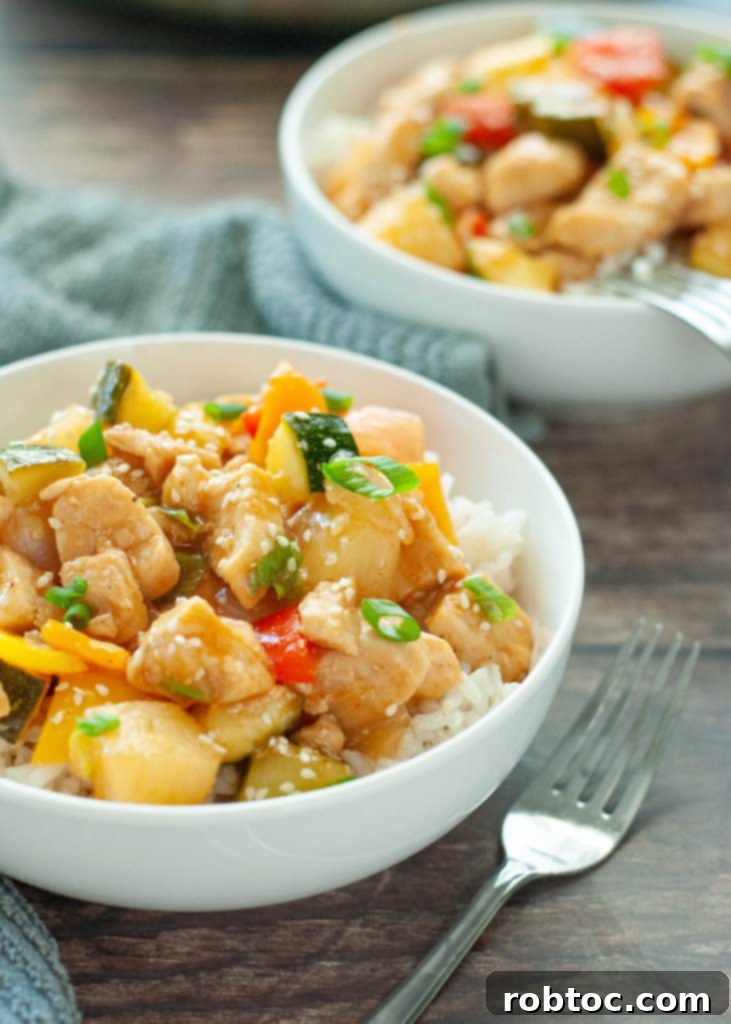
Explore More Delicious Asian-Inspired Recipes!
If you’ve enjoyed this sweet and sour chicken stir fry, get your chopsticks ready because I have plenty more delightful Asian-inspired recipes for you to explore. Expand your culinary repertoire with these other fantastic dishes:
- Black Pepper Chicken
- Korean Chicken and Broccoli
- Bacon Ramen Noodles
- Teriyaki Chicken and Vegetable Stir Fry
- Ham Fried Rice
- Asian Quinoa Meatballs
- Thai Coconut Noodle Soup
Watch the Sweet and Sour Chicken Stir Fry Video Tutorial!
For those who prefer a visual guide, I’ve prepared a comprehensive video tutorial demonstrating exactly how to make this sweet and sour chicken stir fry. Watching the steps unfold will help you feel completely confident before you start cooking and dive into this delicious meal. The video should automatically pop up on your screen, or you can find it at the bottom of the recipe card below. If all else fails, you can always head over to my YouTube page, where you’ll find this video along with many other yummy recipe demonstrations!
Chicken Stir Fry Recipe (Sweet and Sour)
5 servings
15 minutes
10 minutes
25 minutes
Less than 30 mins for a restaurant worthy Sweet and Sour Chicken Stir Fry. Enjoy this well beloved take out dish at home!
Ingredients
STIR FRY INGREDIENTS:
- 2 Tablespoons canola oil
- 2 large boneless, skinless chicken breasts cut into 1” chunks (can use chicken thighs)
- 1/2 onion cut into 1” chunks (can use red, yellow or white onion)
- 1 zucchini, cut into half moons
- 1 red bell pepper cut into 1” chunks
- 1 green bell pepper cut into 1” chunks
- 1 yellow red bell pepper cut into 1″ chunks
- 1 cup drained pineapple chunks (optional)
SWEET AND SOUR SAUCE INGREDIENTS:
- 1/2 cup sugar
- 1/4 cup brown sugar
- 1/3 cup white or rice vinegar
- 1/3 cup ketchup
- 4 teaspoons reduced sodium soy sauce (gluten-free if needed)
- 2 cloves garlic minced (1 tsp if using jarred, minced garlic)
- 1/4 tsp black pepper (or red pepper flakes if you like it hotter)
- 2 Tablespoons cornstarch
OPTIONAL TOPPINGS:
- diced green onions
- sesame seeds
SIDES FOR SERVING:
- cooked rice
Instructions
If needed, start cooking your rice according to package directions.
Dice all of your veggies and set aside.
Dice chicken and set aside.
Place oil in a large skillet or wok (I’ve used both stainless steel and nonstick just fine). Heat oil to medium heat.
Add diced chicken and onions. Cook around 2 minutes.
Add zucchini.
While chicken cooks and vegetables become tender, make your sauce.
Combine all sauce ingredients in a small bowl and whisk to combine.
Once chicken is almost done, pour in as much sauce as you’d like (will depend on how saucy you like it, and how many vegetables it needs to cover.) Heat until sauce is thicker and bubbling.
Turn off heat, add in any vegetables you still want crisp (I like my bell peppers totally crisp) and the pineapple. Stir to combine and cover in sauce.
Top with optional green onion and sesame seeds.
Serve hot over cooked rice or quinoa.
Leftovers keep well for 2-3 days in an airtight container in the fridge.
*Feel free to add any other vegetables you like, and cook the vegetables for as long as you like. I only like my onion and zucchini tender, which is why I add them in with the chicken so they have that entire time to cook while the chicken is becoming done. Add in any vegetables you want at the desired time, noting that the longer they stay in the pan the softer they will be.)
Notes
*Our allergies, while severe and that get re-tested frequently, are such that we can go strictly by what’s on the label. I do not call companies to see what things are derived from, or call manufacturers to see about potential cross contact. If your allergies require you to do so, please do your own homework. I cannot assure you of any ingredient’s safety, only you can do that. I simply share what works for our family
**If you are going to feed this to someone with food allergies, and you yourself do not have food allergies, I HIGHLY recommend having them check every single brand and ingredient you are using, to ensure they’re OK with each part of the recipe. And, to make sure you’ve talked to them about how to avoid cross contamination in your kitchen.
Adapted from the fabulous Sabrina’s Sweet and Sour Chicken
Nutrition Information:
Yield: 5
Serving Size: 1
Amount Per Serving:
Calories: 475Total Fat: 14gSaturated Fat: 2gTrans Fat: 0gUnsaturated Fat: 10gCholesterol: 70mgSodium: 358mgCarbohydrates: 62gFiber: 3gSugar: 43gProtein: 28g
Don’t forget to pin this recipe so you don’t lose it! While you’re there, explore my many other delicious Pinterest boards for more inspiration!