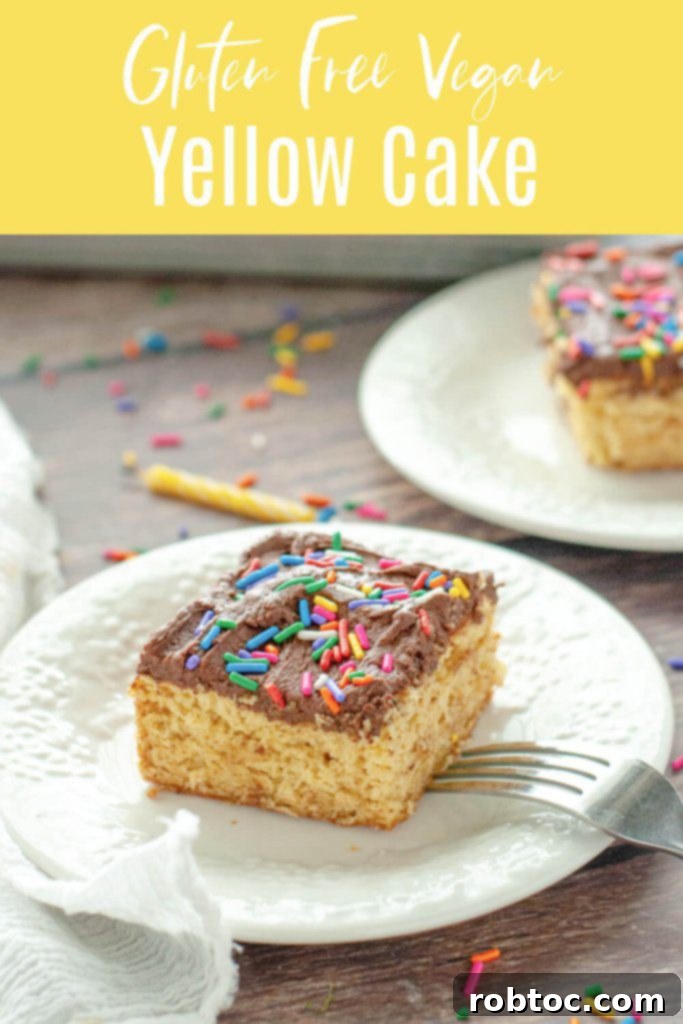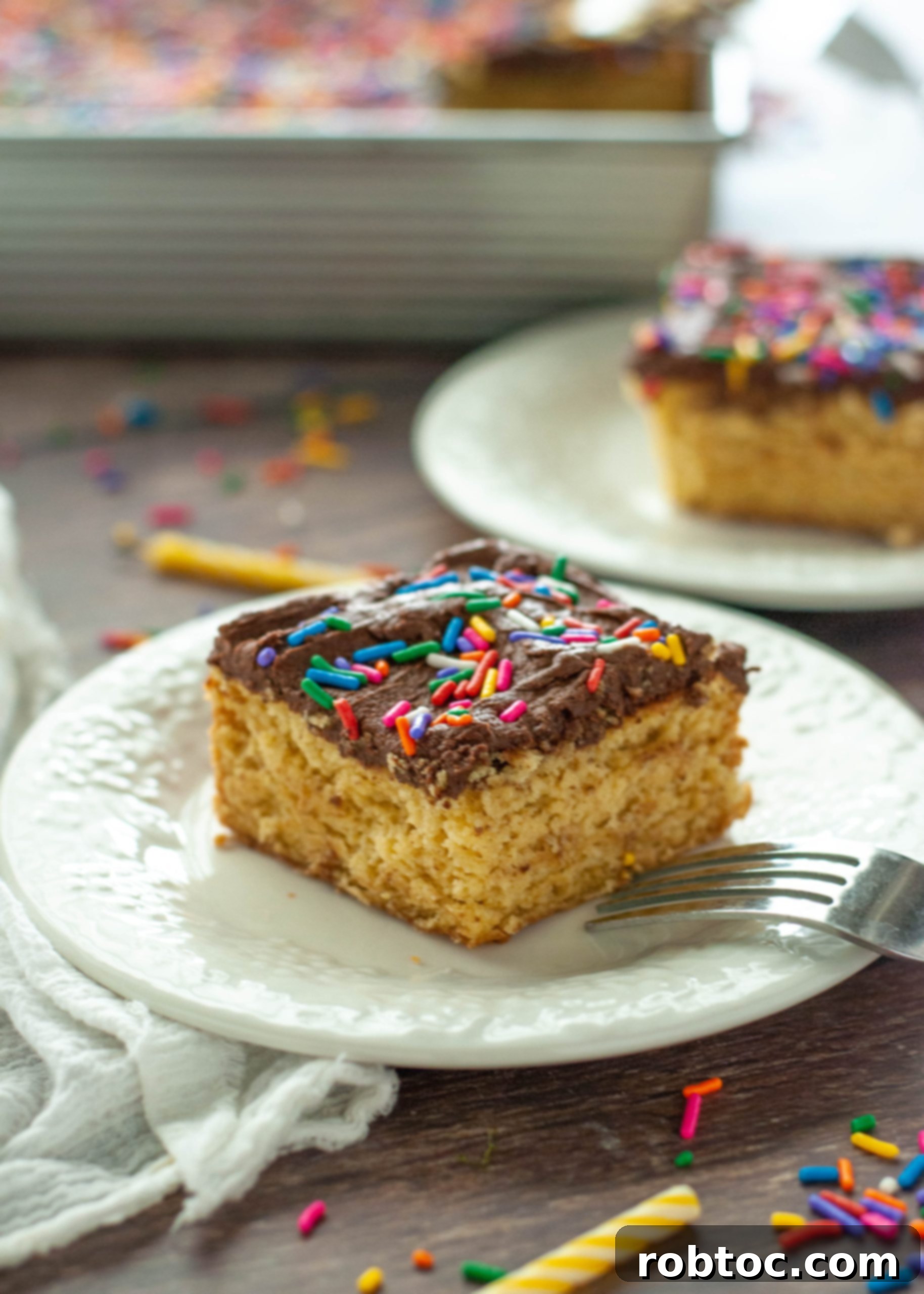
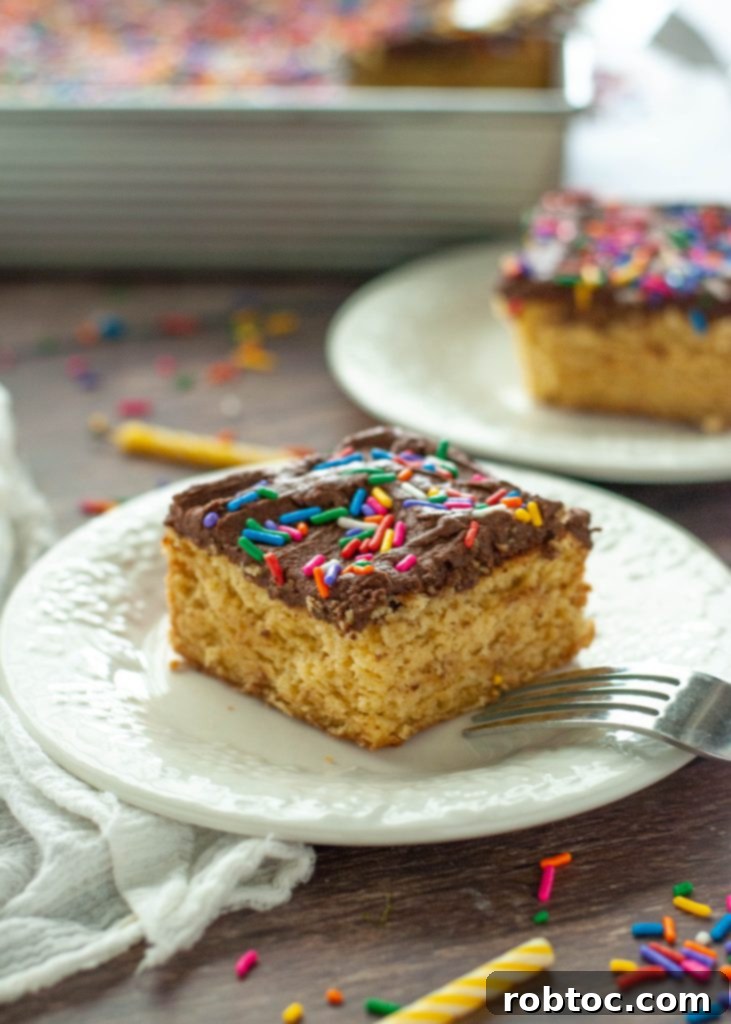
Delicious Gluten-Free Vegan Yellow Cake Recipe: Allergy-Friendly & Easy to Make for Any Celebration
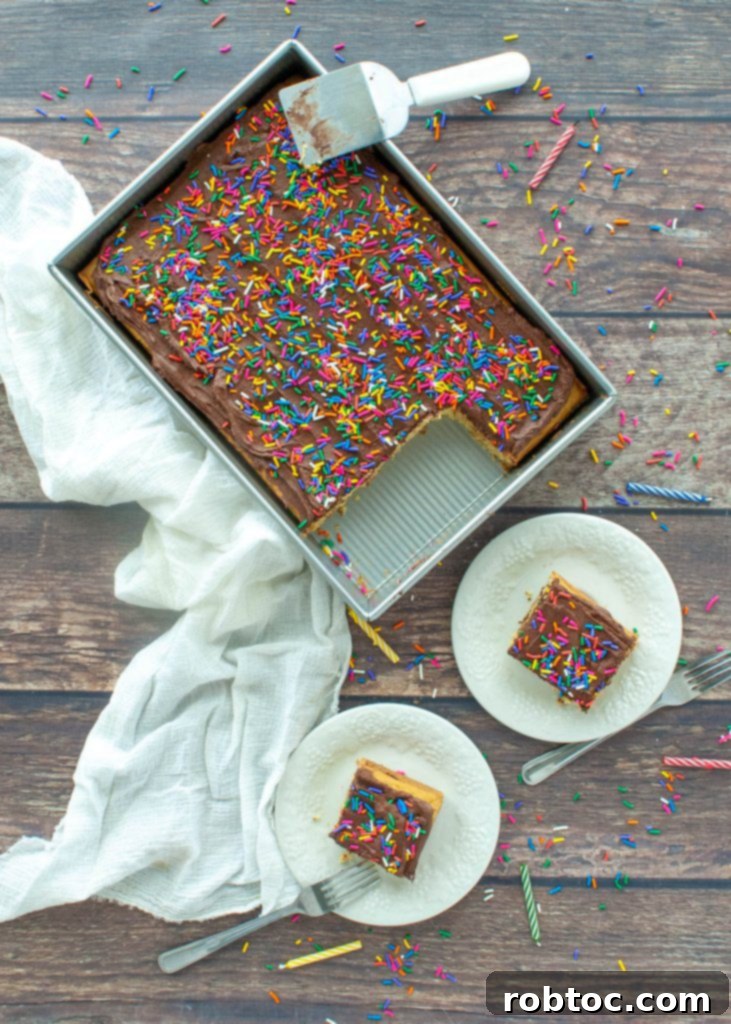
What’s a celebration without cake? For those navigating food allergies or dietary preferences, finding a truly delicious and satisfying cake can be a challenge. But just because you avoid gluten, dairy, or eggs doesn’t mean you have to miss out on the joy of a classic yellow cake with rich chocolate frosting. This recipe transforms a traditional favorite into an allergy-friendly masterpiece, made in a non-traditional way. After years of experimenting and fine-tuning, we’ve finally unlocked the secret to a perfectly moist, flavorful, and wonderfully textured gluten-free vegan yellow cake. Get ready to enjoy a generous slice (or two!) of this incredible creation at your next party, whether it’s for a child’s milestone birthday or a grand celebration for your loved ones.
This post contains affiliate links.
Why This Gluten-Free Vegan Cake Recipe is a Game-Changer
Our journey into the world of gluten-free and vegan baking began out of necessity when my son was diagnosed with severe food allergies to wheat, eggs, and milk. This immediately plunged us into a new realm of culinary exploration, which, as many of you know, can be a steep learning curve. The initial frustration, wasted ingredients (which are certainly not cheap!), and countless failed attempts were real. But through persistence, we discovered how to create truly delicious and safe treats.
Beyond my son’s allergies, my husband also manages a gluten intolerance, and several of our close friends live with Celiac disease. This means our household is not just “allergy-aware,” but deeply committed to being “allergy-friendly.” If you share similar medical or personal reasons for avoiding these common allergens, you’ve landed in the perfect place. This recipe isn’t just about dietary restrictions; it’s about inclusivity, ensuring that everyone can partake in the joy of a celebratory cake without worry or compromise on flavor or texture. We believe everyone deserves a fantastic slice of cake, and this recipe delivers just that.
Essential Ingredients for Your Gluten-Free Vegan Yellow Cake
Crafting a delectable allergy-friendly cake starts with the right ingredients. Below is a comprehensive list of what you’ll need. We’ll dive into more specific FAQs and potential substitutions for these ingredients further down, so please keep reading for all the details and tips to ensure your baking success.
CAKE INGREDIENTS:
-
- Fats & Sugars:
- Crisco butter flavored shortening sticks (crucial for richness and texture in vegan baking)
- Granulated sugar (white or cane sugar)
- Brown sugar (adds depth and moisture)
- Liquids & Flavorings:
- Water
- Rice milk (regular or vanilla; chosen for its neutral flavor profile)
- Vanilla extract (a baking staple for warmth)
- Cake batter extract (our secret ingredient for authentic yellow cake flavor)
- Leavening & Structure:
- Ener-G egg replacer (a reliable powdered egg substitute)
- Baking powder
- Baking soda
- Xanthan gum (essential for structure in gluten-free baking, omit if already in your flour blend)
- Salt (enhances all flavors)
- All-purpose gluten-free flour blend (the foundation of our cake)
- Fats & Sugars:
VEGAN CHOCOLATE FROSTING INGREDIENTS:
-
-
- Shortening (provides stability and richness)
- Coconut oil (adds smoothness and a hint of flavor)
- Powdered sugar (for sweetness and smooth texture)
- Unsweetened cocoa powder (for deep chocolate flavor)
- Rice milk (for consistency, refer to cake milk notes above)
- Vanilla extract
- Salt
-
Unveiling the Secret Ingredient for an Authentic Vegan Gluten-Free Cake
For years, I wrestled with gluten-free and vegan yellow cake recipes. No matter how many variations I tried or how I tweaked the ratios, something always felt amiss. That distinctive richness, the quintessential “yellow cake” flavor and aroma that comes from traditional eggs and dairy, was consistently missing. The gluten-free flours, while necessary, often imparted a slightly different taste compared to regular wheat flour, leading to a cake that was edible but just not quite “right.” I began to fear that this particular flavor profile was simply insurmountable in allergy-friendly baking.
Then, one day, I stumbled upon Cake Batter Extract, and it was a true “Eureka!” moment. Incorporating this extract into the recipe was a game-changer. It not only contributes to a lovely, traditional yellow hue, reminiscent of classic birthday cakes, but more importantly, it infuses the cake with that rich, consistent, and undeniably nostalgic flavor I had been striving for. It truly bridges the gap, allowing us to enjoy all the wonderful taste memories associated with a classic yellow cake, even without gluten, dairy, or eggs.
What’s in McCormick’s Cake Batter Extract? An Allergen Deep Dive
When dealing with food allergies, scrutinizing ingredient labels is paramount. While you should always check the product in your hand for the most current information, McCormick’s website typically lists the ingredients for their Cake Batter Extract as:
-
-
- Water, Propylene glycol, artificial and natural flavor, gum tragacanth, FD&C Yellow 5, FD&C Red 40.
-
They also note that this flavor was previously known as their Vanilla Nut Butter flavor. This historical name often raises concerns for those with nut allergies. To put these concerns at ease, I personally contacted McCormick at 1-800-632-5847. They verbally confirmed that their facility is peanut and tree nut-free, providing a layer of reassurance for many families. Furthermore, for comprehensive transparency, you can find their official allergen statement from the McCormick website, which elaborates on their allergen policies:
“For the most updated allergen and nutritional information, it is important that you read the ingredient statement printed on the packaging at the time of your purchase.
We understand the seriousness of food allergies and sensitivities and will always declare these ingredients on our label in the ingredient statement – they will never be hidden under the notations of “spices” or “natural flavors”:
-
-
-
- Wheat
- Soy
- Milk & Milk Products
- Shellfish
- Peanuts
- Fish
- Tree Nuts
- Yellow Dye #5 (Tartrazine)
- Egg
- Sulfites over 10 ppm
- Monosodium Glutamate or MSG
- Gluten containing grains – including barley, rye, oats, spelt, triticale, and kamut
-
-
If no ingredient statement appears on the product label, then the product is as it appears in the product name (e.g. black pepper). This labeling policy is compliant with US or Canadian food labeling laws, as appropriate. All our retail Extracts and Food Colors are formulated without gluten.
If any product has a Gluten Free claim, the product and the manufacturing line has been validated Gluten Free.
Our facilities have allergen, sanitation, and hygiene programs in place. Our employees follow good manufacturing practices and are trained in the importance of correct labeling and the necessity of performing thorough equipment clean-up and change over procedures to minimize cross-contact of ingredients.
Again, we encourage you to read the ingredients statement on your package at the time of purchase to ensure accurate, up to date information.”
Regarding the phrase “natural and artificial flavorings,” which can also be a source of questions for those with allergies, McCormick’s website clarifies:
-
-
- “Natural flavor is the essential oil, oleoresin, essence or extractive, protein hydrolysate, distillate, or any product of roasting, heating or enzymolysis, which contains the flavoring constituents. The term artificial flavor or artificial flavoring means any substance, the function of which is to impart flavor, which is not derived from a spice, fruit or fruit juice, vegetable or vegetable juice, edible yeast, herb, bark, bud, root, leaf or similar plant material, meat, fish, poultry, eggs, dairy products, or fermentation products thereof.”
-
Ultimately, if you still feel any discomfort about using this particular ingredient due to your specific allergy needs or preferences, you absolutely have the option to omit it. While I firmly believe it makes a significant difference in achieving that authentic yellow cake flavor, rest assured you will still have a perfectly edible and enjoyable cake even without it.
Crisco Shortening Sticks: Ingredients and Substitutions
Crisco butter-flavored shortening sticks play a vital role in achieving the desired richness and texture in this vegan cake. According to the Crisco website, the ingredients are:
- Soybean Oil, Fully Hydrogenated Palm Oil, Palm Oil, Mono And Diglycerides, TBHQ And Citric Acid (Antioxidants), Natural And Ar-tificial Fla-vor, Beta-Carotene (Pro Vitamin A) Added For Color.
For those concerned about vegan compliance, I reached out to Crisco at 1-800-766-7309, and they verbally confirmed that this product is indeed vegan. While I haven’t personally experimented with other vegan butter alternatives in this specific recipe, I anticipate that a good quality vegan butter stick could yield fairly similar results. The key is to use a solid fat that provides structure and moisture. I strongly advise against substituting with liquid oils like olive oil, as they will drastically alter the cake’s texture and consistency, likely resulting in a denser, less airy crumb.
Selecting the Best Dairy-Free Milk for Your Cake
When it comes to dairy-free milk, I consistently recommend rice milk for this recipe. The primary reason is its incredibly neutral flavor profile; it has the least noticeable aftertaste compared to many other plant-based milks. This neutrality allows the true flavors of the yellow cake to shine through without any competing notes from the milk substitute. You are welcome to try substituting another plant-based milk at the same ratio. Since our family has allergies to peanuts and tree nuts, we haven’t tested this recipe with nut milks like almond milk. However, based on their common use in vegan baking, I believe they would likely work well. If you decide to experiment with other milk substitutes, such as coconut milk or soy milk, please share your results in the comments below to help fellow bakers!
The Ideal Egg Replacer for a Perfect Vegan Cake
The market is flooded with various egg replacers, from natural options like applesauce, mashed bananas, and “flax eggs” (ground flaxseed mixed with water) to powdered commercial products. While these natural alternatives can work in some recipes, for this particular yellow cake, I’ve found that a powdered, store-bought replacer, specifically Ener-G Egg Replacer, yields the best results. Eggs perform multiple functions in traditional baking: they bind ingredients, provide moisture, and contribute to leavening and richness. Ener-G is excellent because it performs these essential functions without introducing any additional, unwanted flavors that fruits like applesauce or bananas might impart. Furthermore, it avoids the excessive moisture that some natural replacers can add, which can throw off the delicate balance of a cake batter. While you are free to experiment with other brands or types of egg replacers, please be aware that results may vary, and I recommend using Ener-G for the most consistent outcome.
Essential Tools for Baking Your Gluten-Free Vegan Cake
Having the right equipment can make your baking experience smoother and more enjoyable. Here are the tools I use to achieve a perfect gluten-free vegan yellow cake:
-
- Large mixing bowl or a stand mixer equipped with the paddle attachment. A stand mixer makes creaming butter and sugar (or shortening and sugar in this case) incredibly easy and efficient.
- Handheld electric beaters if you opt not to use a stand mixer. These are versatile and perfect for mixing wet and dry ingredients thoroughly.
- Accurate measuring cups and spoons are crucial in gluten-free and vegan baking, where precision is key to success.
- A plastic spatula for scraping down the sides of the bowl and gently folding ingredients.
- Non-stick spray to prepare your baking pan, ensuring the cake releases easily without sticking.
- A reliable baking pan. I personally prefer this 9×13 inch square metal pan for its even heat distribution, though a glass baking dish of similar size can also work.
- While I haven’t personally tested this recipe in round cake pans for a layer cake, I believe it should work just fine. You’ll simply need to monitor the baking time carefully and adjust as needed to prevent overbaking, as round cakes can sometimes bake a little faster or differently. I tend to avoid making layer cakes, but feel free to choose whatever shape suits your preference!
- Plastic wrap, a dedicated cake saver, or any other airtight container for storing your finished cake and keeping it fresh.
Can This Cake Be Made Sugar-Free?
While I appreciate the desire for sugar-free options, I would generally advise against attempting to swap in sugar-free alternatives for this particular cake recipe. Baking, especially gluten-free and vegan baking, is a delicate science, and sugars play a much larger role than just sweetness. Granulated and brown sugars contribute significantly to the cake’s structure, moisture, and browning. Liquid sweeteners, such as maple syrup or agave, can drastically throw off the wet-to-dry ingredient ratio, leading to a cake with an entirely different and often undesirable texture – it might be too dense, gummy, or crumbly. Sugar alcohols, while sometimes used in sugar-free baking, can also react differently and might not provide the necessary bulk and structure. If you’re looking for a slightly more refined sugar option, the only substitution I might cautiously consider is using coconut sugar in place of the brown sugar, as it offers a similar texture and caramel notes, though it will still contribute sugar content. Otherwise, for special occasions, sometimes it’s perfectly fine to splurge a little and enjoy the cake as intended!
General Substitution Guidelines: Proceed with Caution
I strive to provide detailed information on each ingredient and potential substitutes within the corresponding sections above. However, it is crucial to remember that gluten-free and vegan baking can be incredibly fickle and sensitive to changes. Unlike traditional baking where some swaps are straightforward, altering ingredients in allergy-friendly recipes can easily disrupt the delicate balance of structure, moisture, and rise. Often, finding a combination that truly works feels like a minor miracle! Therefore, if you choose to deviate from the specified ingredients, please understand that I cannot guarantee the same results. I share what I have meticulously tested and found to be the optimum ingredients and usage to achieve the delicious, picture-perfect cake you see. If you do discover a substitute that performs exceptionally well, I wholeheartedly encourage you to share your findings in the comments below. Your insights could be invaluable to other readers on their allergy-friendly baking journey!
Choosing the Best Gluten-Free All-Purpose Flour Blend
The gluten-free flour blend you choose is foundational to the success of this cake. My personal favorite store-bought all-purpose gluten-free flour blend is Great Value’s Gluten Free Flour. It’s not only widely available at Walmart, making it convenient, but it’s also generally more budget-friendly than many other brands. Alternatively, you could use my tried-and-true homemade gluten-free flour blend, which I’ve perfected over time. I’m also confident that other popular store-bought blends, such as Bob’s Red Mill 1:1 Baking Flour, would work beautifully. When selecting a blend, the key is to ensure it primarily consists of a combination of white rice flour or brown rice flour, potato starch, and tapioca flour (or tapioca starch). These flours provide the necessary structure, lightness, and tenderness without overpowering flavors. It’s perfectly fine if your blend also contains a bit of sorghum flour, but I recommend sticking to these types of grains and starches. Avoid blends that heavily feature alternative flours like almond flour/almond meal, oat flour, cassava flour, or coconut flour for this specific recipe, as they can significantly alter the cake’s texture, making it denser or too dry. If you are fortunate enough to be able to consume wheat and gluten, you can confidently substitute regular all-purpose wheat flour on a 1:1 basis.
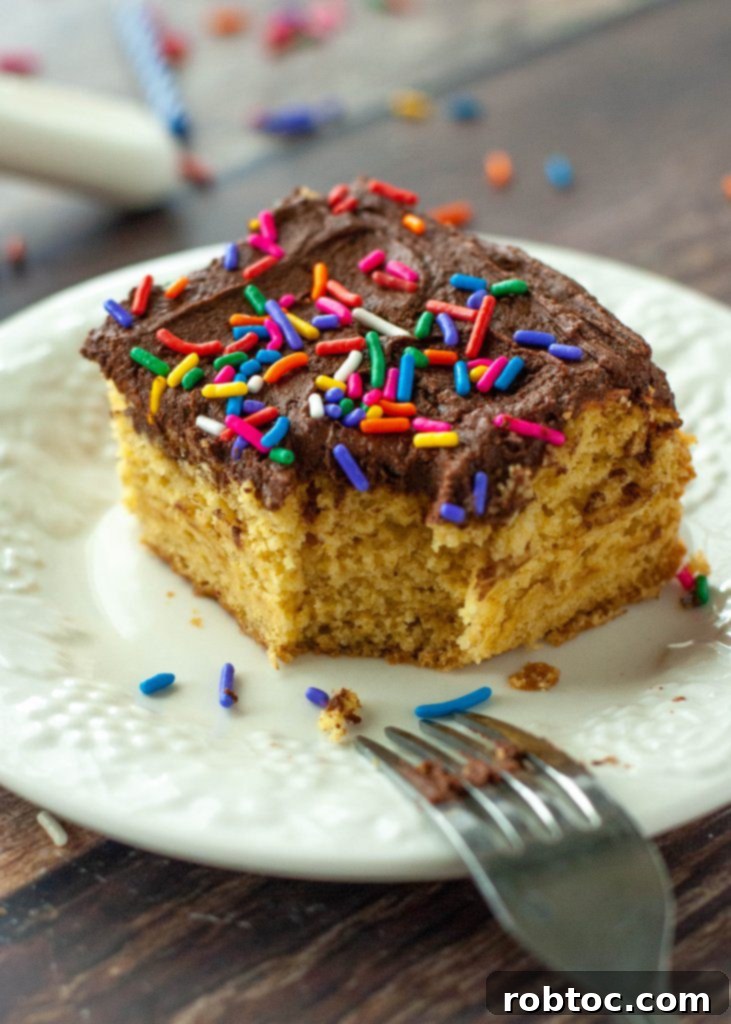
Choosing Allergy-Friendly Sprinkles for Your Celebration Cake
For me, a birthday cake truly isn’t complete without a festive scattering of decorative sprinkles on top! However, for families managing food allergies, even seemingly innocuous decorations like sprinkles require careful scrutiny. Many popular sprinkle brands can contain hidden allergens such as wheat, dairy, eggs, or nuts. For our family, we typically use the Great Value Rainbow Sprinkle Mix, as we’ve found it to be reliably free from gluten, dairy, eggs, and nuts based on its label. If you’re specifically looking for certified vegan sprinkles, these are an excellent option that many allergy-aware bakers trust. Always remember to check the ingredient label of any sprinkles you purchase, as formulations can change, and different brands may have varying allergen statements.
Explore More Gluten-Free Vegan Cake Recipes
Absolutely! Our kitchen is a hub of allergy-friendly baking, and every single recipe on this site is carefully crafted to be free of gluten, dairy, eggs, and nuts. So, if you loved this yellow cake, you have a wealth of other delicious options to explore for your next baking adventure or celebration!
-
-
- Vegan Gluten-Free Chocolate Cake Recipe: Indulge in rich, decadent chocolate cake that’s safe for multiple allergies.
- How to Make a Gluten-Free Box Mix Vegan: Learn simple hacks to convert store-bought mixes into allergy-friendly delights.
- Gluten-Free Vegan Carrot Cake: A spiced, moist classic that’s perfect for spring or fall.
- Gluten-Free Vegan Lemon Cupcakes with Lemon Frosting: Zesty and refreshing, these cupcakes are a ray of sunshine.
- Gluten-Free Vegan Red Velvet Bundt Cake with Marshmallow Ganache: A show-stopping cake with a delightful twist.
- Gluten-Free Vegan Texas Sheet Cake: A classic crowd-pleaser, made allergy-friendly for everyone.
- Gluten-Free Vegan Chocolate Zucchini Cake: A clever way to sneak in veggies while enjoying a delicious dessert.
- Gluten-Free Vegan Slow Cooker Chocolate Lava Cake: An easy, indulgent dessert you can make with minimal effort.
- Vanilla Vegan Buttercream: The perfect versatile frosting for any allergy-friendly cake or cupcake.
-
And if you’re feeling adventurous and want to try a unique new flavor, you might enjoy this Matcha Cake Recipe from Texanerin.
Watch How to Make This Gluten-Free Vegan Yellow Cake!
Don’t let the “gluten-free” or “vegan” labels intimidate you – this cake recipe is surprisingly straightforward and approachable for bakers of all skill levels. To demonstrate just how simple and effortless it is to create this perfect cake for your next celebration, check out this quick and easy TikTok video below. You’ll see the steps come to life and gain confidence in baking your own allergy-friendly masterpiece!
@allergyawesomeness Gluten free vegan yellow cake. Yes, you can have delicious cake free of: gluten, dairy and eggs! Great for your next birthday. #glutenfreevegan #glutenfreevegancake #allergyfriendly #foodallergy #vegancake ♬ Aesthetic – Tollan Kim
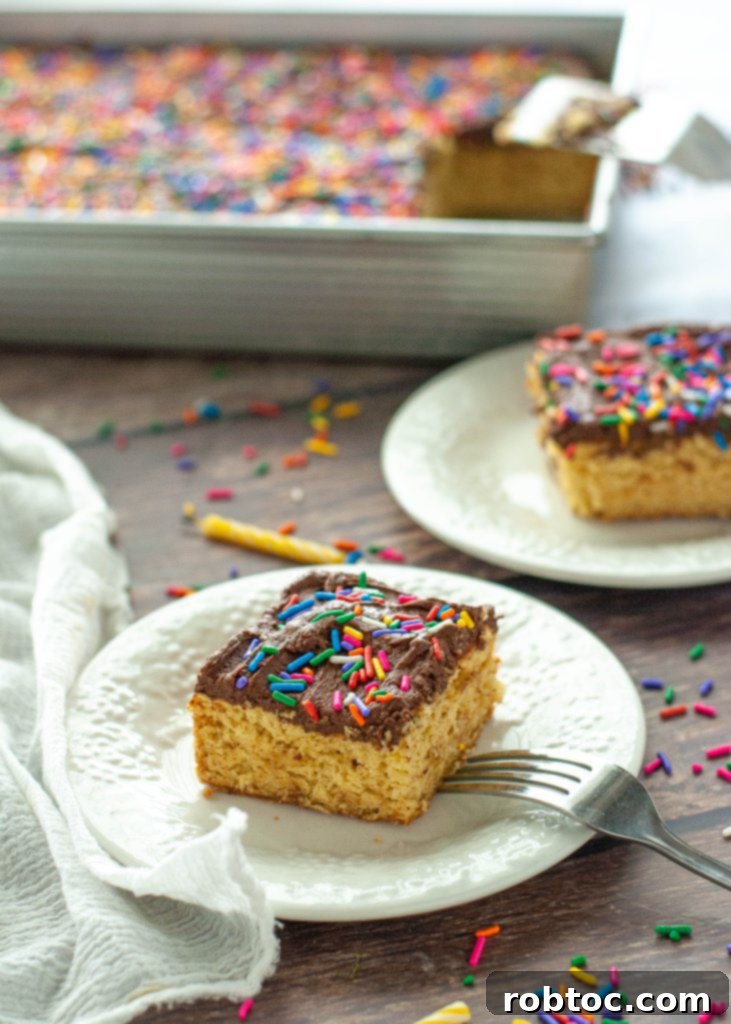
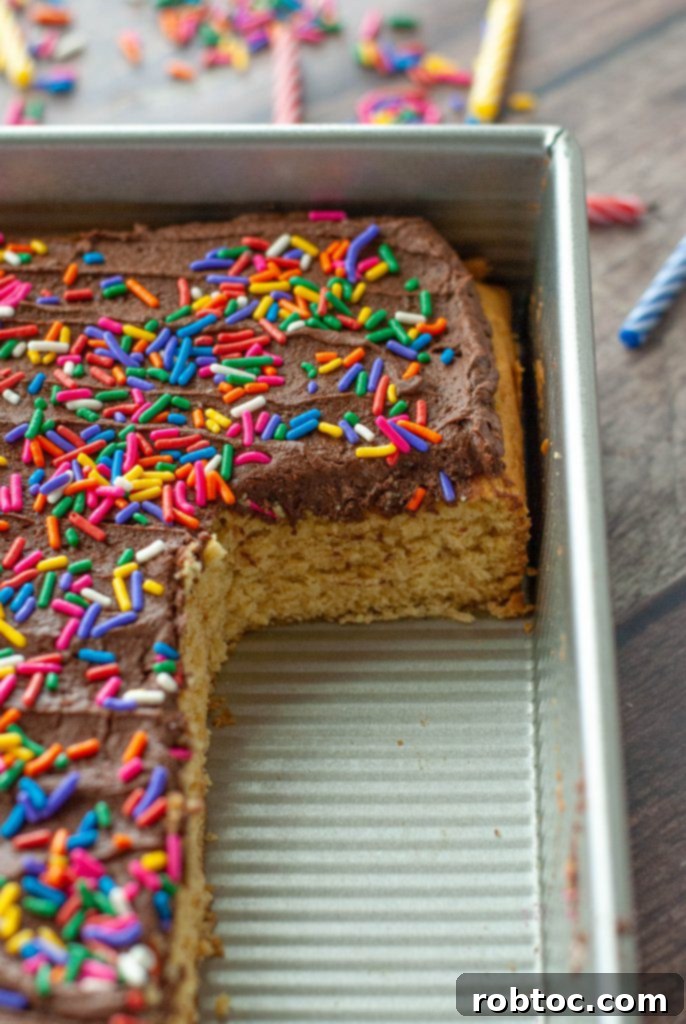
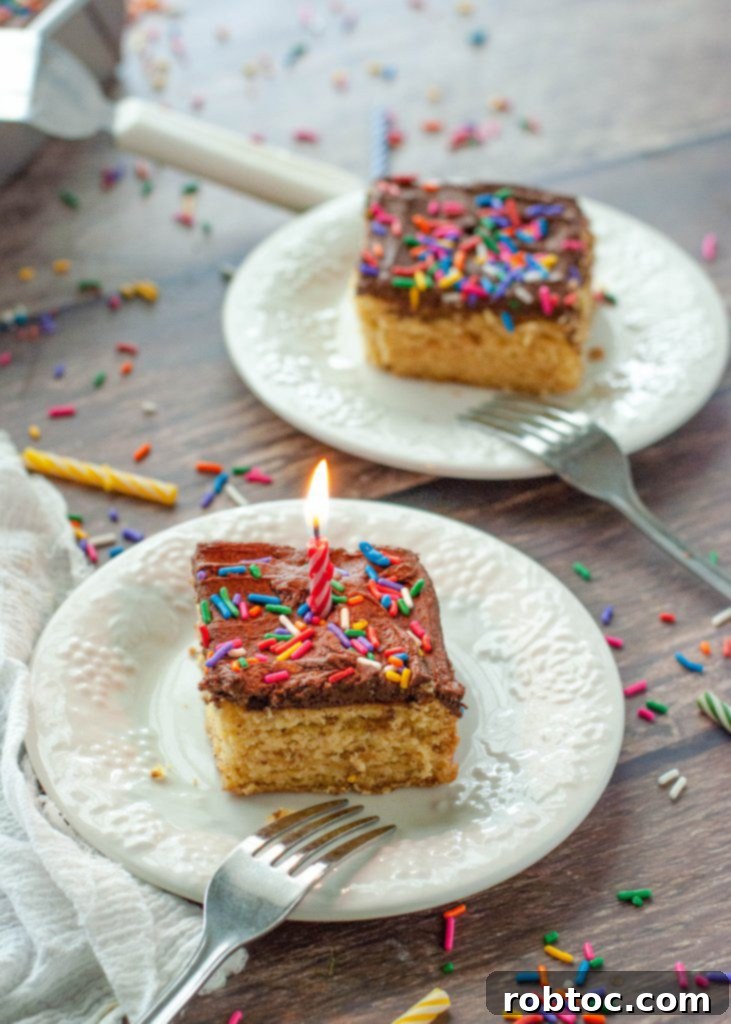
We truly hope you adore this gluten-free vegan yellow cake recipe as much as our family does. It delivers on all fronts: a wonderfully moist crumb, a soft and tender texture, and that classic yellow cake flavor everyone loves. It’s a consistent hit with all our family members, and my son insists on having it for every single one of his birthday parties – in fact, I bet my two boys will be vying for the very last piece today! Enjoy making memories with this special cake.
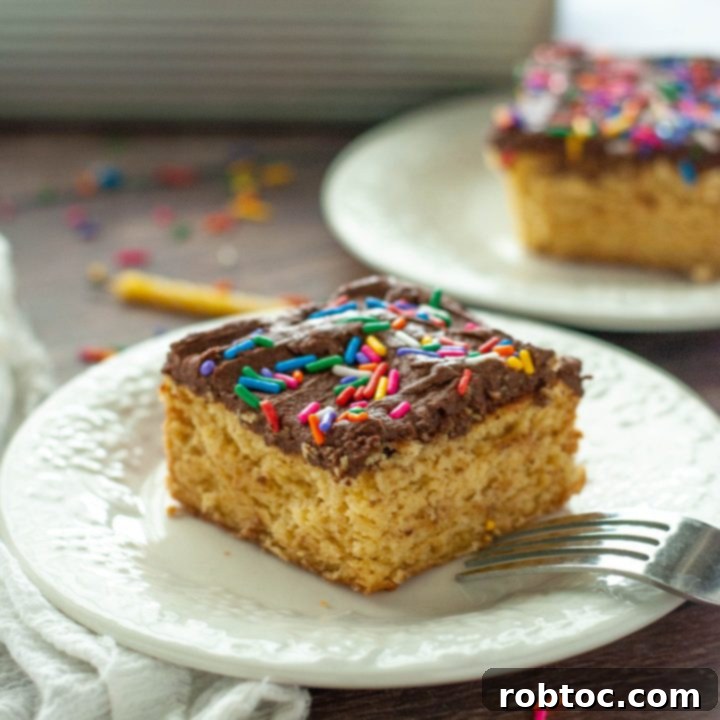
Gluten-Free Vegan Yellow Cake
15
10 minutes
30 minutes
20 minutes
1 hour
Just because you can’t have gluten, dairy, or eggs doesn’t mean you can’t have a delicious yellow cake with chocolate frosting. Let me show you how to make a traditional cake a non-traditional way.
Ingredients
- 3/4 cup Crisco butter flavored shortening sticks
- 3/4 cup Granulated sugar
- 3/4 cup Brown sugar
- 3 Tablespoons Water
- 1 and 1/2 cup Rice milk (regular or vanilla will do)
- 1 and 1/2 Tablespoon Vanilla extract
- 1 and 1/2 Tablespoon Cake batter extract
- 2 and 1/4 tsp Ener-G egg replacer powder
- 1 and 1/2 Tablespoons Baking powder
- 1 and 1/2 tsp Baking soda
- 1 and 1/2 tsp Xanthan gum, if not included in gluten-free flour blend, otherwise omit
- 3/4 tsp Salt
- 3 and 3/4 cups All purpose gluten-free flour
- Vegan chocolate buttercream
Instructions
-
Preheat your oven to 350 degrees F (175 C). Lightly grease a square 13×9 inch baking pan and set it aside.
-
In the bowl of a stand mixer fitted with the paddle attachment, or a large mixing bowl with handheld electric beaters, combine the shortening and both granulated and brown sugars. Cream the mixture together until it is light and fluffy.
-
Next, add your liquid ingredients: water, rice milk, vanilla extract, and the essential cake batter extract. Mix until thoroughly combined.
-
Incorporate the remaining dry ingredients, excluding the all-purpose gluten-free flour: Ener-G egg replacer powder, baking powder, baking soda, xanthan gum (if your flour blend doesn’t already contain it), and salt. Mix well until these are fully integrated into the wet mixture.
-
Gradually add the gluten-free all-purpose flour to the mixture, stirring just until everything is combined. Be careful not to overmix.
-
Pour the thick batter evenly into the prepared greased pan. Use a spatula to smooth the top surface, ensuring even baking.
-
Bake for 25-30 minutes, or until the cake begins to pull away from the edges of the pan and a toothpick inserted into the center comes out clean. Keep an eye on it to prevent overbaking.
-
While the cake cools completely, prepare your chosen vegan chocolate frosting.
-
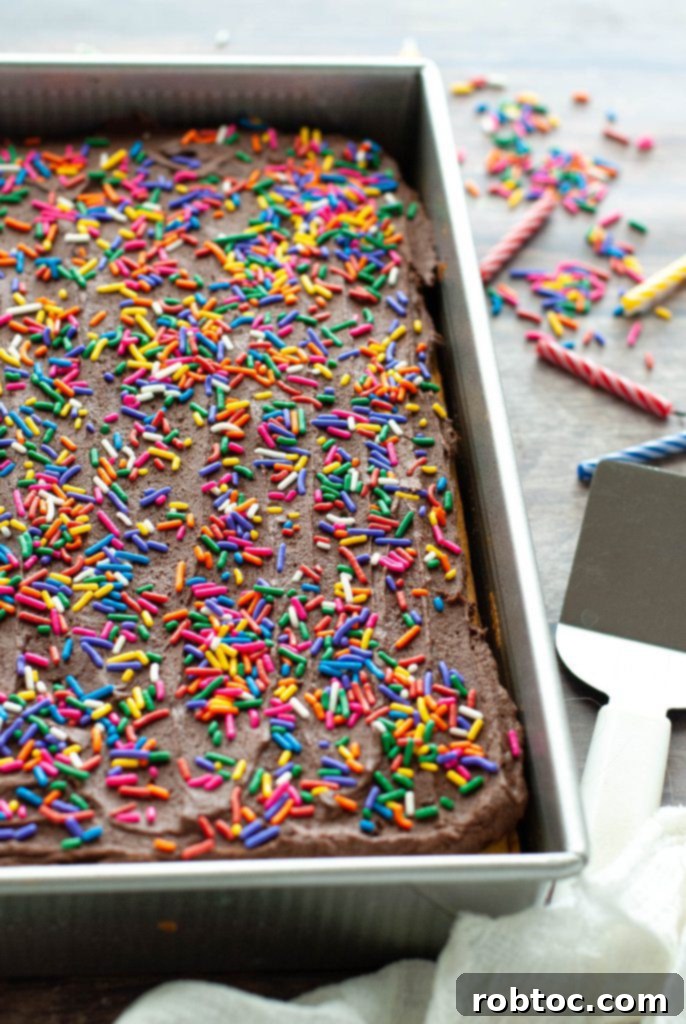
Once the cake is fully cooled, spread the frosting generously over the top. Slice and serve! Store any leftover cake in an airtight container to maintain its freshness.
Notes
Please refer to the detailed sections above the recipe card for extensive information on ingredients, possible substitutions, and allergy considerations. Your success is our goal!
*Our family’s allergies are severe, and we frequently re-test them. We strictly adhere to what is stated on the product labels. We do not contact companies to inquire about ingredient derivations or potential cross-contact in manufacturing facilities. If your specific allergies require this level of investigation, please undertake your own research. I cannot guarantee the safety of any ingredient beyond what is explicitly stated on its label; only you can determine what is safe for your individual needs. I simply share what works safely for our family.
**If you are preparing this cake for someone with food allergies, and you personally do not have food allergies, I HIGHLY recommend consulting with them to verify every single brand and ingredient you plan to use. Ensure they are comfortable with each component of the recipe. Additionally, it is crucial to discuss strategies for preventing cross-contamination in your kitchen with them.
Nutrition Information:
Yield: 15
Serving Size: 1
Amount Per Serving:
Calories: 280Total Fat: 11gSaturated Fat: 7gTrans Fat: 0gUnsaturated Fat: 4gCholesterol: 27mgSodium: 289mgCarbohydrates: 42gFiber: 1gSugar: 21gProtein: 3g
DON’T FORGET TO PIN THIS RECIPE, SO YOU DON’T LOSE IT! WHILE YOU’RE THERE, BE SURE TO CHECK OUT MY OTHER ALLERGY-SPECIFIC PINTEREST BOARDS FOR MORE INSPIRATION!