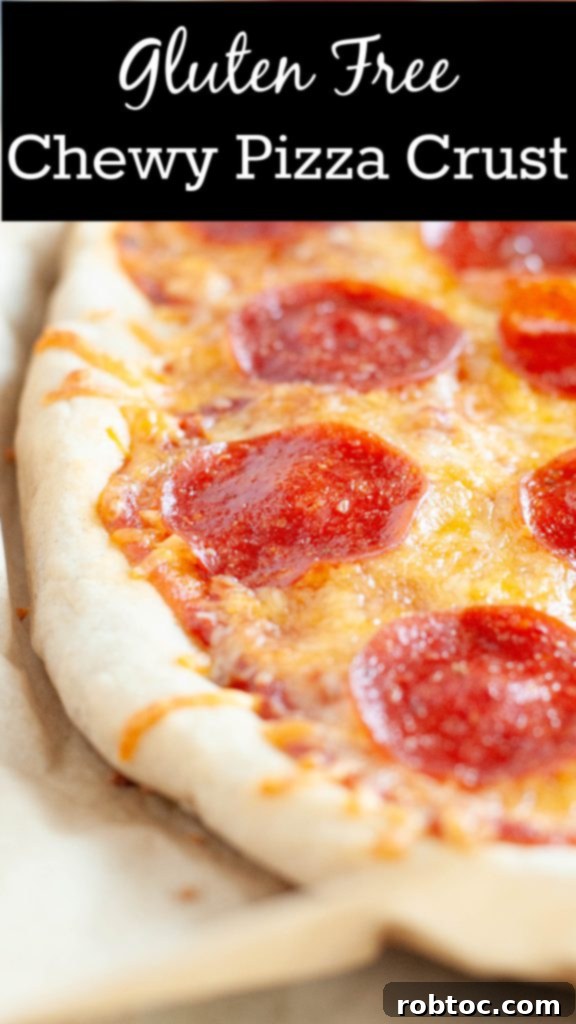
Ultimate Chewy & Crispy Gluten-Free Pizza Crust Recipe (Dairy-Free & Allergy-Friendly)
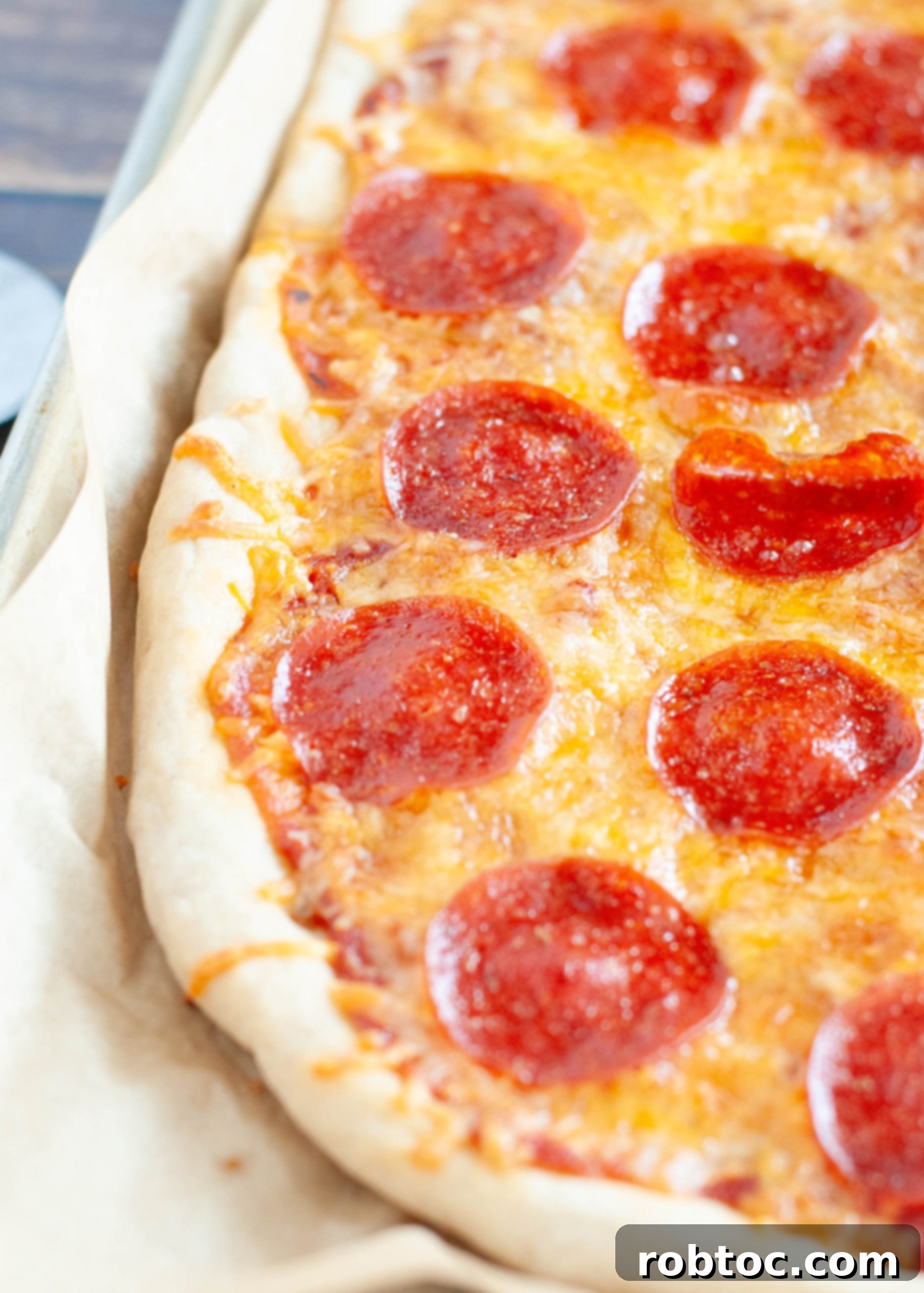
Experience the sheer delight of biting into a truly chewy, springy, and perfectly crispy gluten-free pizza crust. This incredibly easy recipe promises no more flat, flavorless bases, but instead, a fluffy foundation for all your favorite toppings. Whether you’re making one generous sheet pan pizza or two individual 10-inch rounds, this crust is a game-changer for your at-home pizza nights. As an added bonus, it’s completely sugar-free, requires only a single rise, and is packed with flavor and fantastic texture!
This post contains affiliate links, which means I may earn a small commission if you make a purchase through my links, at no extra cost to you.
Why This Gluten-Free Pizza Crust Will Revolutionize Your Pizza Night
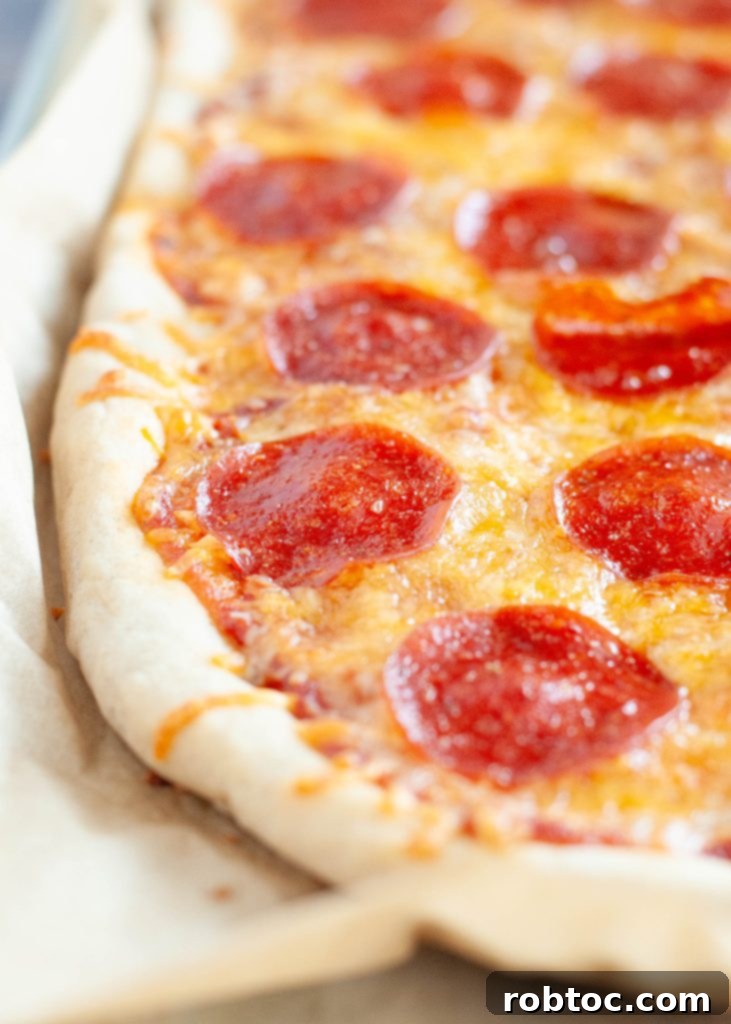
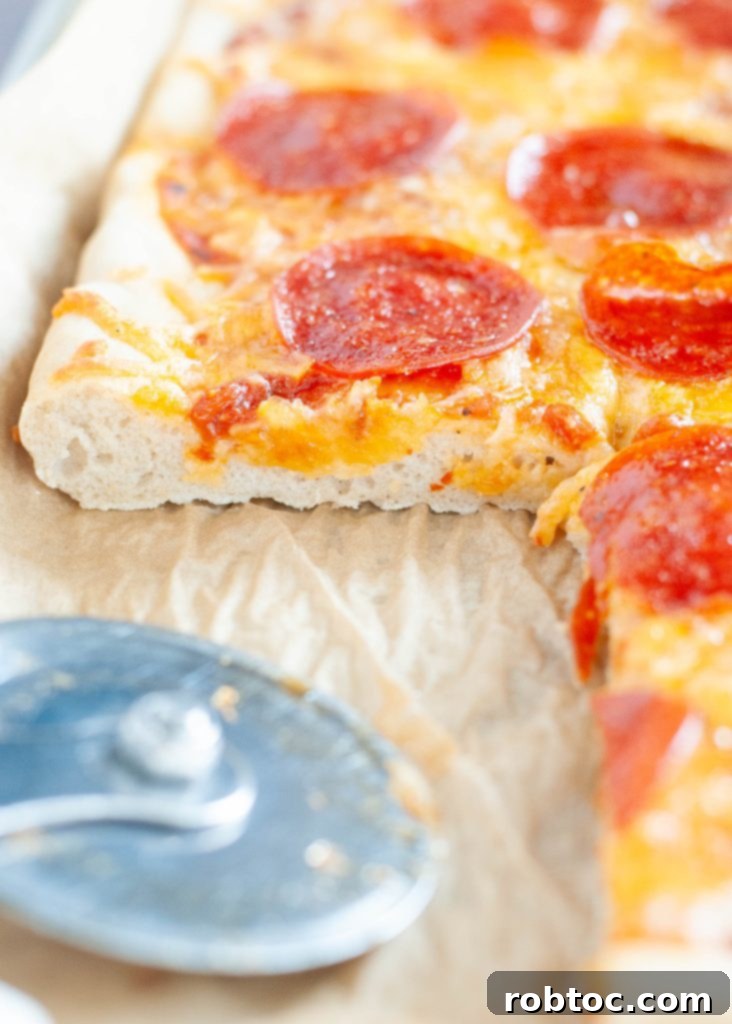
Prepare to be amazed by this gluten-free pizza crust! It’s everything you dream of in a perfect pizza base: wonderfully fluffy, satisfyingly chewy, and it actually springs back when pressed, unlike many dense or crumbly gluten-free alternatives. Say goodbye to unappetizing, bland crusts that get left behind on the plate. This recipe ensures a soft, delightful crust that’s so good, every last crumb will be devoured. And the best part? It achieves all this with just 7 simple ingredients!
Many traditional pizza recipes often demand specialized equipment like a pizza stone and a pizza peel, which can be bulky and take up precious kitchen space. If you’re like me and prefer a more minimalist kitchen setup, you’ll love that this recipe is designed to work seamlessly with just plain old parchment paper and a standard rimmed baking sheet. This eliminates the need for tricky transfers, making the whole process incredibly straightforward and mess-free.
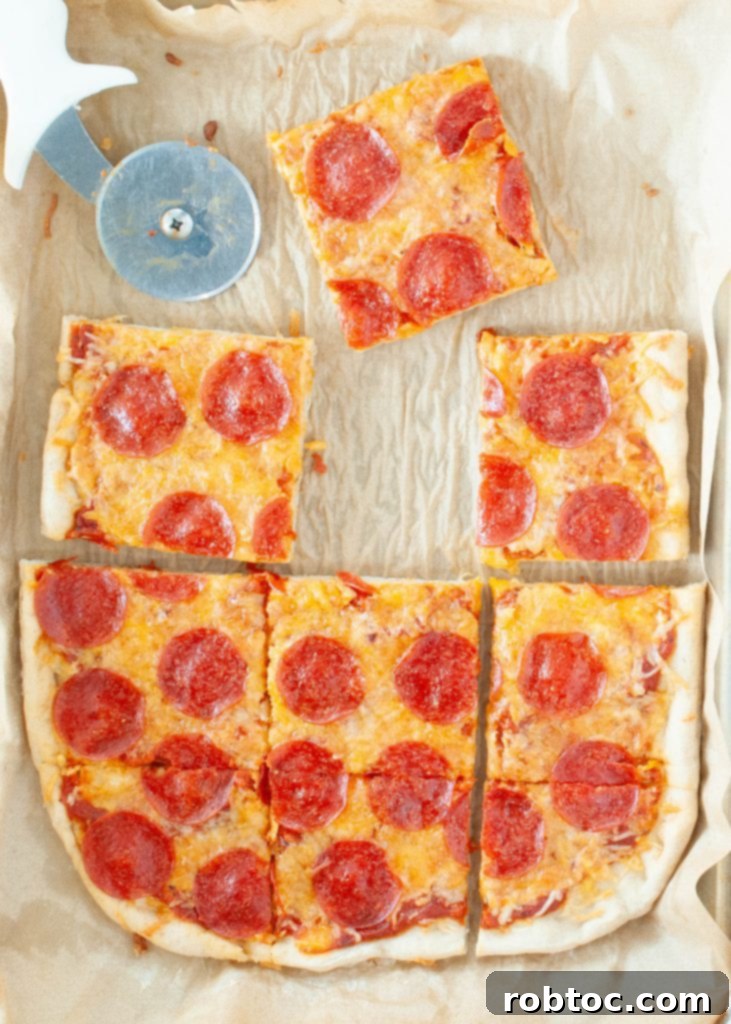
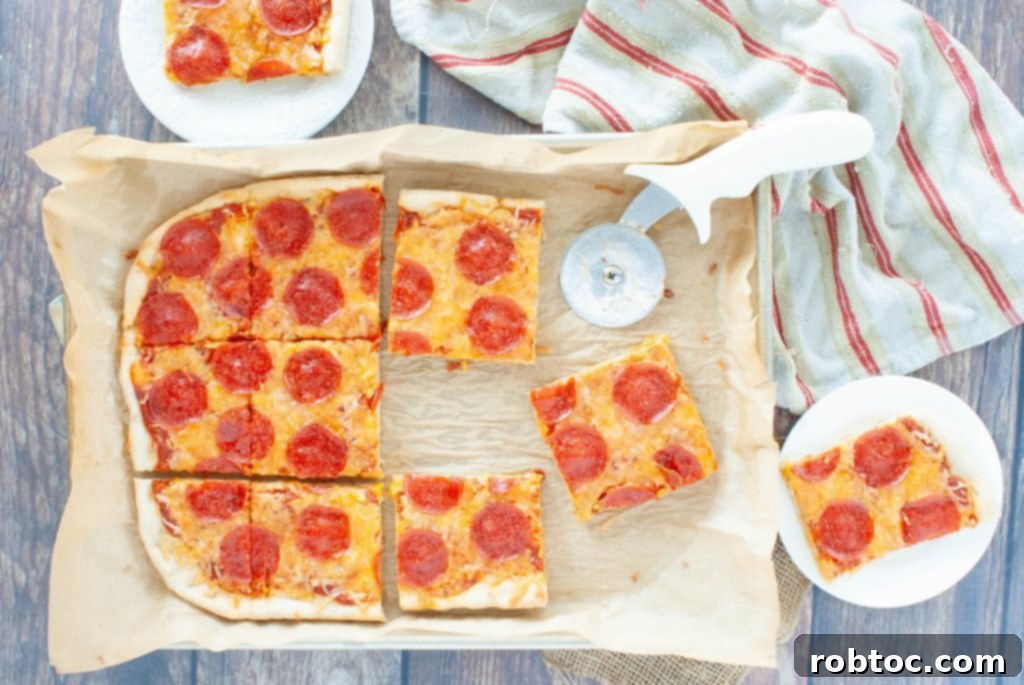
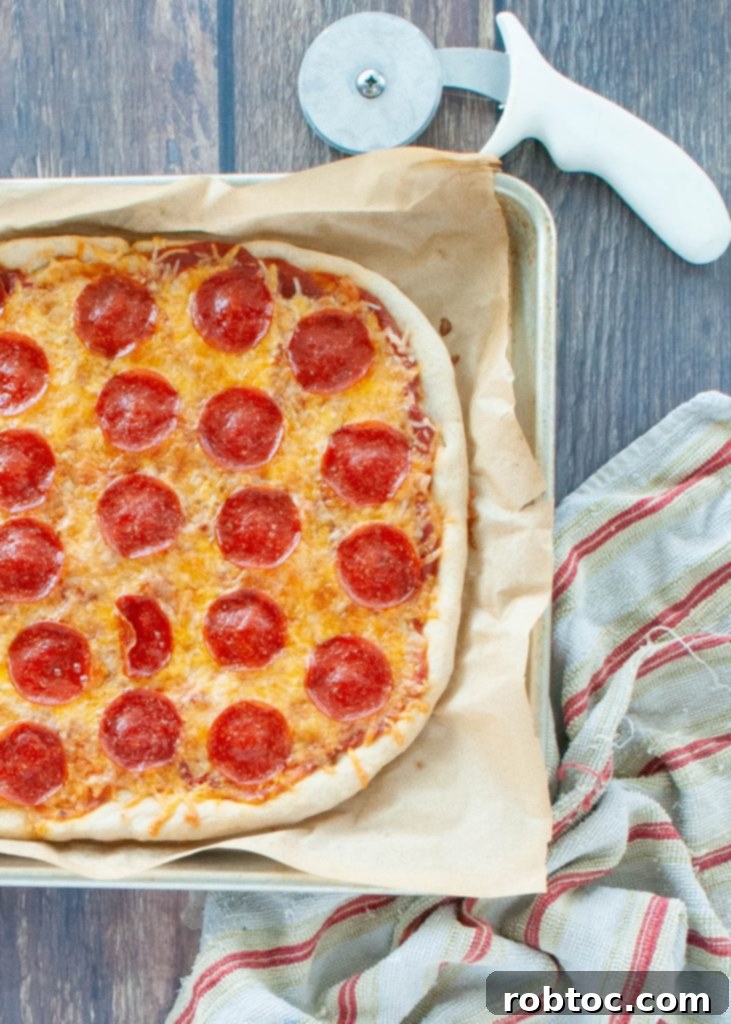
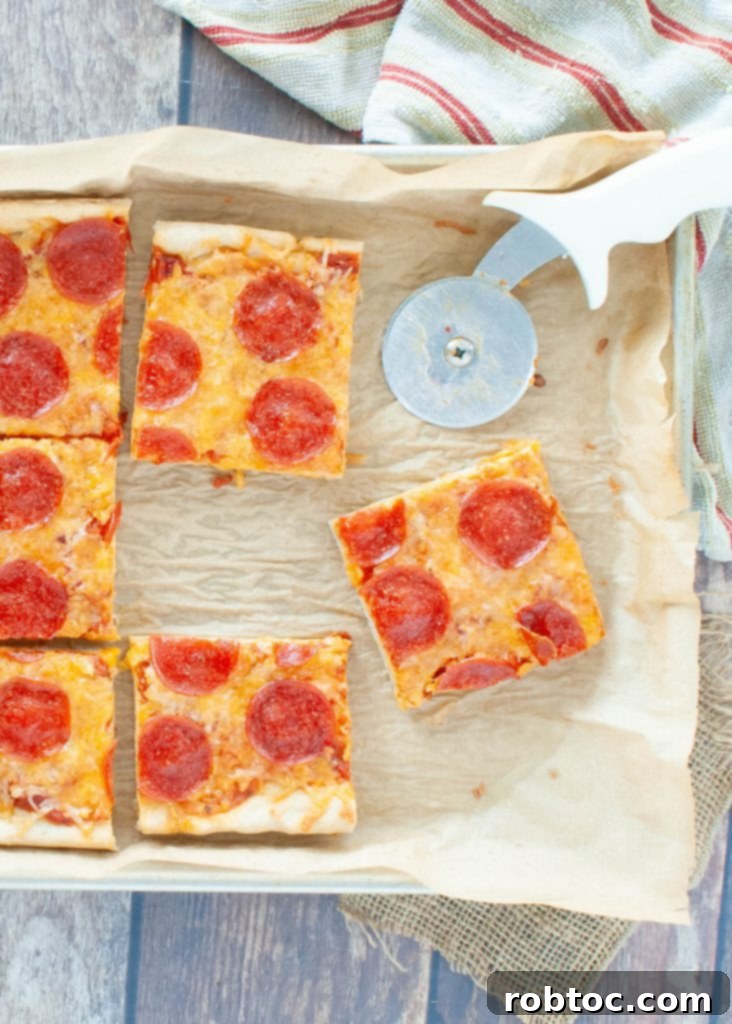
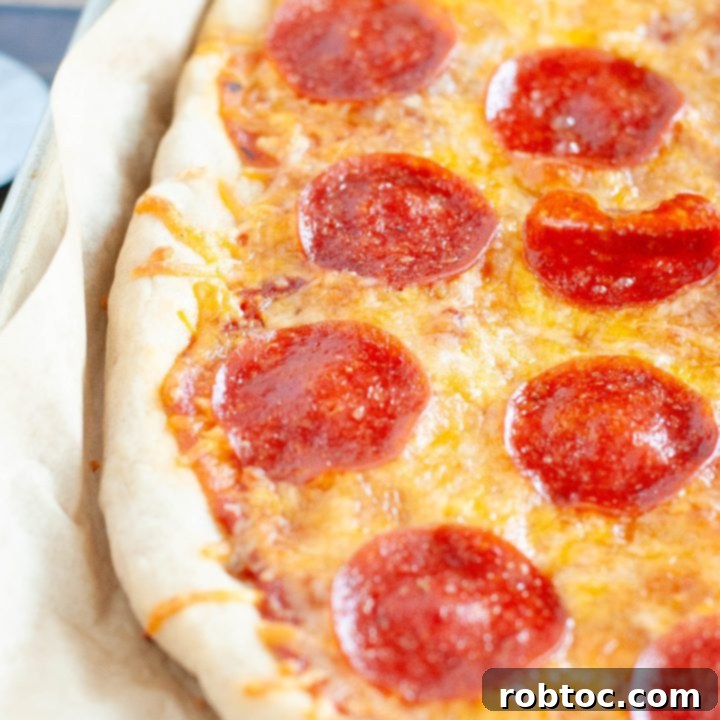
One common frustration with store-bought gluten-free pizzas is their notoriously small size. They rarely feel substantial enough, especially when sharing. This homemade recipe, however, yields a generously large pizza—enough to fill a half sheet pan, as pictured. Alternatively, you can easily divide the dough to create two perfectly sized 10-inch round pizzas, providing plenty of delicious crust for everyone to enjoy without feeling deprived.
What truly sets this homemade gluten-free pizza crust apart from others is its incredible simplicity. Unlike many recipes that call for multiple, lengthy proofing stages, this dough requires only one short rise—just 30 minutes! Plus, there’s no added sugar needed to activate the yeast or enhance the flavor. This makes it an exceptionally easy and delicious option, ensuring you can host spontaneous pizza parties anytime without hours of preparation.
Essential Ingredients for Your Gluten-Free Pizza Crust
You’ll likely find most, if not all, of these pantry staples already stocked in your gluten-free kitchen. Each ingredient plays a crucial role in achieving that perfect texture and flavor.
- Psyllium husk powder*
- Water (used in two stages)
- Instant yeast
- King Arthur’s Measure for Measure gluten-free flour blend
- Baking powder
- Salt
- Olive oil
*A note on psyllium husk powder: Some brands can develop a blue-ish or purple-ish tint when baked. To ensure your beautiful crust maintains an appetizing color, make sure to use a *blonde* variety of psyllium husk powder. I typically purchase mine from the bulk section at Winco, so I’m not always sure of the specific brand. However, the Amazon brand linked here is generally a good option, although I haven’t personally tested it specifically for this pizza crust, I have used it for other gluten-free baking projects.
You might notice a missing ingredient often found in yeast doughs: sugar. This was actually a happy accident during the recipe development process; I simply forgot to add it! I fully expected the yeast to suffer and the crust to be ruined. To my surprise, this particular recipe works perfectly without any added sugar. This not only simplifies the ingredient list but also makes it an excellent choice for those seeking a lower-carb or completely sugar-free pizza crust option.
Recommended Tools for a Seamless Pizza-Making Experience
While I demonstrate using a stand mixer in the instructional video, it’s not strictly mandatory, though I highly recommend investing in one if you bake frequently, as it significantly eases the mixing process. For those without a stand mixer, electric handheld beaters can also get the job done efficiently.
- Digital kitchen scale (essential for accurately measuring psyllium husk powder)
- Measuring cups and spoons
- KitchenAid mixer with a paddle attachment (or electric handheld beaters)
- Small mixing bowl
- Spatula
- Plastic wrap
- Unbleached parchment paper
- Pizza stone or a 12×17 rimmed baking sheet (also known as a half-size sheet pan)
- Pizza cutter
Selecting the Right Yeast and Flour for Gluten-Free Success
The Power of Instant Yeast
This recipe specifically calls for instant yeast, and for good reason. Instant yeast is designed to be mixed directly into your dry ingredients without the need for prior activation, saving you valuable time and an extra step. You can simply combine it with everything else and proceed with the recipe. I personally use the Great Value brand, but feel free to use your preferred brand. Red Star is another widely available and reliable option.
Choosing Your Gluten-Free Flour Blend
The success of this recipe heavily relies on the flour blend used. It was meticulously developed and tested with King Arthur Measure for Measure Gluten-free Flour Blend. Gluten-free flour blends are not interchangeable, as each brand uses a unique combination of various flours (like rice flour, tapioca starch, potato starch, etc.) and binders. These subtle differences in composition can significantly impact the final texture and consistency of your dough. Therefore, if you opt to use a different blend, I cannot guarantee the exact same results.
It’s also crucial to understand that you absolutely cannot substitute a single-grain gluten-free flour (like almond flour, coconut flour, or plain rice flour) for a multipurpose blend. Regular wheat flour’s structure and elasticity are mimicked by a carefully balanced combination of several gluten-free grains and starches. Using a single grain will result in a completely different, and likely unsatisfactory, outcome for this pizza crust.
Expert Tips for Making the Best Gluten-Free Pizza Crust
Achieving the perfect gluten-free pizza crust is within your reach with these helpful tips and tricks:
- **Ensure Optimal Water Temperature for Yeast:** For the yeast to properly activate and do its job, the water needs to be warm—ideally between 105 and 115 degrees F (40-46 degrees C). It should feel almost hot to the touch, but not scalding. While not strictly required, using a digital instant-read thermometer is the most accurate way to check the temperature and ensure perfect yeast activation.
- **Measure Flour Accurately:** When measuring your gluten-free flour blend, always spoon it into your measuring cup and then level it off with a straight edge. Scooping directly from the bag can compact the flour, leading to you adding too much, which will result in a dry, dense crust.
- **Handle Sticky Dough with Care:** Gluten-free doughs, especially those with psyllium husk, tend to be sticky when you’re spreading and shaping them. You might be tempted to sprinkle in more flour, but resist this urge! Adding extra flour will dry out your dough and compromise its wonderful chewiness. Instead, spreading the dough directly onto parchment paper prevents sticking to the counter, and generously greasing your hands with olive oil will prevent the dough from sticking to *them*.
- **Preheat Your Baking Surface:** For the crispiest bottom crust, whether you’re using a pizza stone or a rimmed baking sheet, it’s vital to preheat it along with your oven. Place your stone or sheet in the oven while it’s preheating to 450 degrees F (232 degrees C) so that it’s scorching hot when you slide the parchment paper-lined dough onto it. This instant heat contact is key to a perfectly golden, crispy base.
- **Check Expiration Dates:** Always double-check the expiration dates on your instant yeast and baking powder. Expired leavening agents will significantly affect the dough’s rise, leading to a flatter, denser crust. While this dough won’t achieve a massive rise like traditional wheat dough, you still want it to be light and airy.
- **The Importance of Parbaking:** This is a crucial step! Parbaking, or partially baking, the pizza crust *before* adding your toppings ensures that the base sets up nicely and develops a bit of structure. This prevents the crust from becoming soggy once you add the moist sauce and other toppings, guaranteeing a firm and delicious foundation for your pizza.
Is This Crust Allergy-Friendly? Absolutely!
Yes, indeed! This gluten-free pizza crust recipe is designed to be incredibly inclusive and free from many common allergens, making it a fantastic option for families with various dietary needs. This crust contains absolutely no: wheat, gluten, dairy, egg, soy, fish, shellfish, peanut, tree nuts, or sesame. This means it is certified Top 9 Allergen Free!
Furthermore, this versatile crust is also considered completely vegan, as it uses no animal products whatsoever. While the crust itself is free from these major allergens, remember that your choice of toppings will dictate whether the final pizza remains allergy-friendly. As long as you carefully select safe and appropriate toppings for your specific dietary requirements, you can enjoy a truly worry-free and delicious allergy-friendly pizza!
Tips for Crafting a Delicious Gluten-Free Dairy-Free Pizza
For families like mine, where some members have allergies and others don’t, this recipe offers fantastic flexibility. With six people in our family and only one allergic to milk/dairy, I often prepare 1.5 times the crust recipe. This allows me to make a full-sized “normal” pizza with dairy cheese for the rest of us, and a separate small or half-sized dairy-free pizza for the allergic individual. This ensures everyone gets to enjoy their favorite pizza without feeling left out.
Since the crust is inherently dairy-free, you’re already halfway there! For the sauce, we typically use a jar of Prego Roasted Garlic and Herb Pasta Sauce, which is dairy-free, but feel free to use any sauce you prefer. For dairy-free cheese, we’ve had great success with a mixture of Daiya Mozzarella shreds and Violife Just Like Colby Jack Shreds. These melt beautifully and achieve a satisfying cheesy texture and flavor. My son, who prefers a plain “cheese” pizza without pepperoni, absolutely loves it! Don’t be afraid to get creative with your toppings; the possibilities are endless.
Other yummy topping ideas to spark your creativity:
- Fresh bell peppers (various colors)
- Black olives or Kalamata olives
- Crumbled Italian sausage (ensure gluten-free and dairy-free if needed)
- Classic pepperoni
- Fresh basil leaves (add after baking for best aroma)
- Crispy bacon crumbles
- Diced ham
- Sweet pineapple chunks (for a Hawaiian twist!)
- BBQ sauce base with shredded chicken and thinly sliced red onion
- Mushrooms, spinach, or sun-dried tomatoes
Make Ahead Magic: Freezing Your Gluten-Free Pizza Crust
Yes, absolutely! This recipe is wonderfully suited for meal prepping and freezing, allowing you to have homemade gluten-free pizza whenever a craving strikes. To freeze your crust, simply follow the recipe instructions all the way through the parbaking step. Once the crust has parbaked for 10 minutes, remove it from the oven and let it cool completely on a wire rack. Cooling fully is essential to prevent freezer burn and ice crystals.
Once cooled, wrap the parbaked crust tightly in aluminum foil, then place it inside a zip-top plastic freezer bag. Don’t forget to label it with the date; it will stay fresh in your freezer for up to 6 months! This means you can always have a delicious, homemade base ready for a quick weeknight meal.
When you’re ready to enjoy your frozen pizza, simply take the parbaked crust out of the freezer and let it thaw on the counter or come to room temperature. Then, add all your favorite toppings and bake as directed. You might find it needs an extra minute or two in the oven compared to a freshly made crust, but generally, the baking time remains similar. A quick note: gluten-free crusts typically don’t brown as much as traditional wheat crusts, so don’t rely solely on color (as you’ll observe in my photos). Instead, bake until the crust feels firm and the toppings are beautifully melted and cooked through. Why bother with mediocre store-bought frozen pizza when you can have your own homemade masterpiece ready in minutes?
The Magic of Psyllium Husk: Your Gluten-Free Baking Secret Weapon
Psyllium husk powder is nothing short of a magical ingredient when it comes to revolutionizing gluten-free baking. If you’ve ever found gluten-free baked goods to be crumbly, dense, or lacking elasticity, psyllium husk is your solution. As you can observe in the video, when mixed with water, it quickly forms a flexible, gel-like substance. This unique property is what imparts an incredible amount of stretch and flexibility to the final product—qualities often conspicuously missing from traditional gluten-free doughs.
This is precisely why this pizza dough has such a remarkable bounce and springiness; when you pinch it, it actually springs back! If you haven’t incorporated psyllium husk into your gluten-free baking arsenal yet, now is the time to jump on the bandwagon. It makes a truly significant difference, transforming the texture of your gluten-free creations from merely acceptable to absolutely outstanding.
Rest assured, this ingredient won’t go to waste; I use it in a multitude of my gluten-free recipes for its incredible binding and texturizing abilities. While I typically source mine from the bulk section at Winco grocery, you can also easily purchase it online. Just a friendly reminder: always opt for the *blonde* version. Other varieties can impart undesirable colored hues (like blue or purple!) to your baked goods. While the color doesn’t affect the taste, it can certainly be a bit off-putting visually.
Watch and Learn: Your Step-by-Step Video Guide
You bet there’s a video! I completely understand that making pizza dough from scratch, especially gluten-free pizza dough, can seem daunting or even intimidating at first glance. That’s why I created a comprehensive video tutorial to walk you through each step, demonstrating just how simple and straightforward the process truly is. You’ll see that nothing in this recipe is too difficult or overly complicated.
After watching the video, you’ll feel confident and ready to tackle your own homemade gluten-free pizza with ease and achieve fantastic results. The video should auto-populate and play within the recipe card below. If for any reason it doesn’t appear, you can always head over to my YouTube channel to watch it directly.
Explore More Gluten-Free Bread Adventures!
Now that you’ve mastered the art of making this incredible homemade gluten-free pizza crust, a world of other delicious gluten-free baking awaits you! Why not complement your pizza night with some savory herbed gluten-free breadsticks? They are always a delightful side dish to any pizza feast.
Beyond pizza, the techniques and understanding you’ve gained will empower you to bake an array of other fantastic gluten-free treats, such as fluffy gluten-free sandwich bread, moist gluten-free banana bread, delicate gluten-free pie crust, tender gluten-free biscuits, fluffy gluten-free pancakes, sweet gluten-free cinnamon rolls, and so much more. My website is a treasure trove of gluten-free delights, featuring over 300 unique recipes. Dive into my complete recipe index and let your gluten-free baking adventures begin!
Gluten Free Pizza Crust + VIDEO
One large half sheet pan pizza or two 10-inch round pizzas
A chewy, springy, and sugar-free gluten-free pizza crust that is an absolute delight! Top with your favorite ingredients for an unforgettable pizza night at home. Makes one large sheet pan pizza (as shown) or two smaller 10-inch round pizzas. This recipe is easy, requires only one rise, and is incredibly delicious. (Naturally dairy-free, egg-free, soy-free, fish-free, shellfish-free, peanut-free, and tree nut-free too! It’s Top 9 allergy-friendly!)
Ingredients
- 10 g psyllium husk powder
- 1 cup warm water (for psyllium gel)
- One 7g instant yeast packet
- 2 and 1/2 cups King Arthur Measure for Measure gluten-free flour blend
- 2 tsp baking powder
- 1 tsp salt
- 3/4 cup warm water (between 105-115 degrees F / 40-46 degrees C)
- 2 TBSP olive oil
Instructions
- In a small mixing bowl, whisk together your psyllium husk powder and 1 cup of warm water. Stir well until combined and a gel begins to form. Set aside.
- In the bowl of a stand mixer fitted with the paddle attachment (or a large bowl with electric handheld beaters), combine your instant yeast, gluten-free flour blend, baking powder, and salt. Mix briefly to combine dry ingredients.
- Now, add your wet ingredients: the 3/4 cup warm water and the olive oil to the dry mixture.
- Mix on medium speed for 2.5 minutes. Stop the mixer, scrape down the bottom and sides of the bowl to ensure everything is incorporated.
- Continue mixing for another 2.5 minutes until a cohesive dough forms. It will be soft and a bit sticky.
- Cover the bowl tightly with plastic wrap and place it somewhere warm to proof for 30 minutes. A great trick is to put a small saucepan of boiling water in your microwave *along with* the covered dough bowl. This creates a warm, humid environment that helps the dough rise beautifully (especially beneficial if you live in a dry climate).
- After 30 minutes of proofing, begin preheating your oven to 450 degrees F (232 degrees C). Place your pizza stone or rimmed baking sheet into the oven while it preheats so it gets nice and hot. This is key for a crispy crust!
- Once proofed, turn the dough out onto a large piece of unbleached parchment paper.
- Generously grease your hands with olive oil. This will prevent the sticky dough from adhering to your hands. Shape the dough, either into one large rectangle to fill a half sheet pan, or divide it in half to form two smaller 10-inch rounds. Aim for an even thickness.
- Once your oven is fully preheated and your pan is hot, carefully remove the hot pan from the oven. Slide the parchment paper with the shaped dough directly onto the hot pan.
- Place the pan back in the oven to parbake for 10 minutes. This step is crucial for preventing a soggy crust.
- After 10 minutes, take the parbaked crust out of the oven. Now you can add your desired pizza sauce and toppings!
- Return the pizza to the oven and bake for an additional 10-15 minutes, or until the crust edges are set (remember, gluten-free crusts don’t brown as much as traditional ones), and your toppings are melty and cooked to your liking.
- Carefully remove the finished pizza from the oven, slice with a pizza cutter, and serve immediately for the best experience.
- Store any cooled leftovers in an airtight container in the fridge for 2-3 days.
- For make-ahead and freezing directions, please refer to the dedicated section above the recipe card for detailed instructions.
Notes
For best success, please read all FAQs and watch the instructional video located within this article.
*Regarding allergies: Our family’s allergies are severe and regularly re-tested, allowing us to strictly adhere to label information. I do not contact companies regarding ingredient derivatives or potential cross-contact. If your allergies necessitate this level of inquiry, please conduct your own research. I cannot guarantee the safety of any ingredient; only you can determine what is safe for your family. I simply share what works for us.
**If you are preparing this for someone with food allergies, and you do not personally have allergies, I HIGHLY recommend having them review every single brand and ingredient you plan to use to confirm their safety. Additionally, discuss with them strategies to avoid cross-contamination in your kitchen.
This recipe was inspired by and adapted from methods found on Bakerita, Let Them Eat Gluten Free Cake, Vanilla Bean, and Meaningful Eats.
Nutrition Information:
Yield: 14 (slices)
Serving Size: 1 (slice)
Amount Per Serving:
Calories: 53Total Fat: 2gSaturated Fat: 0gTrans Fat: 0gUnsaturated Fat: 2gCholesterol: 0mgSodium: 237mgCarbohydrates: 8gFiber: 1gSugar: 0gProtein: 1g
DON’T FORGET TO PIN THIS RECIPE TO YOUR FAVORITE PINTEREST BOARD, SO YOU DON’T LOSE IT! WHILE YOU’RE THERE, BE SURE TO CHECK OUT MY OTHER GLUTEN-FREE PINS FOR MORE DELICIOUS IDEAS.